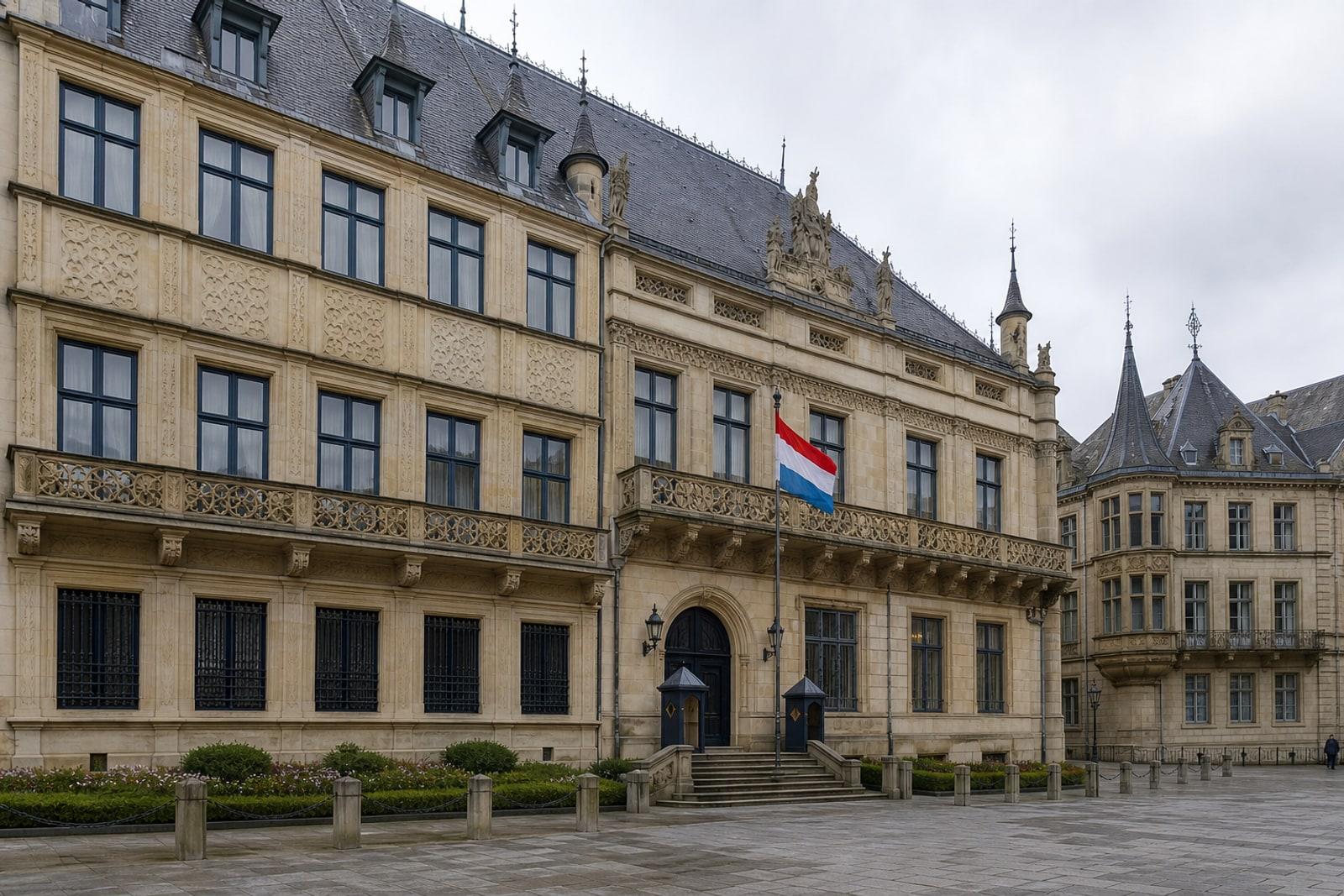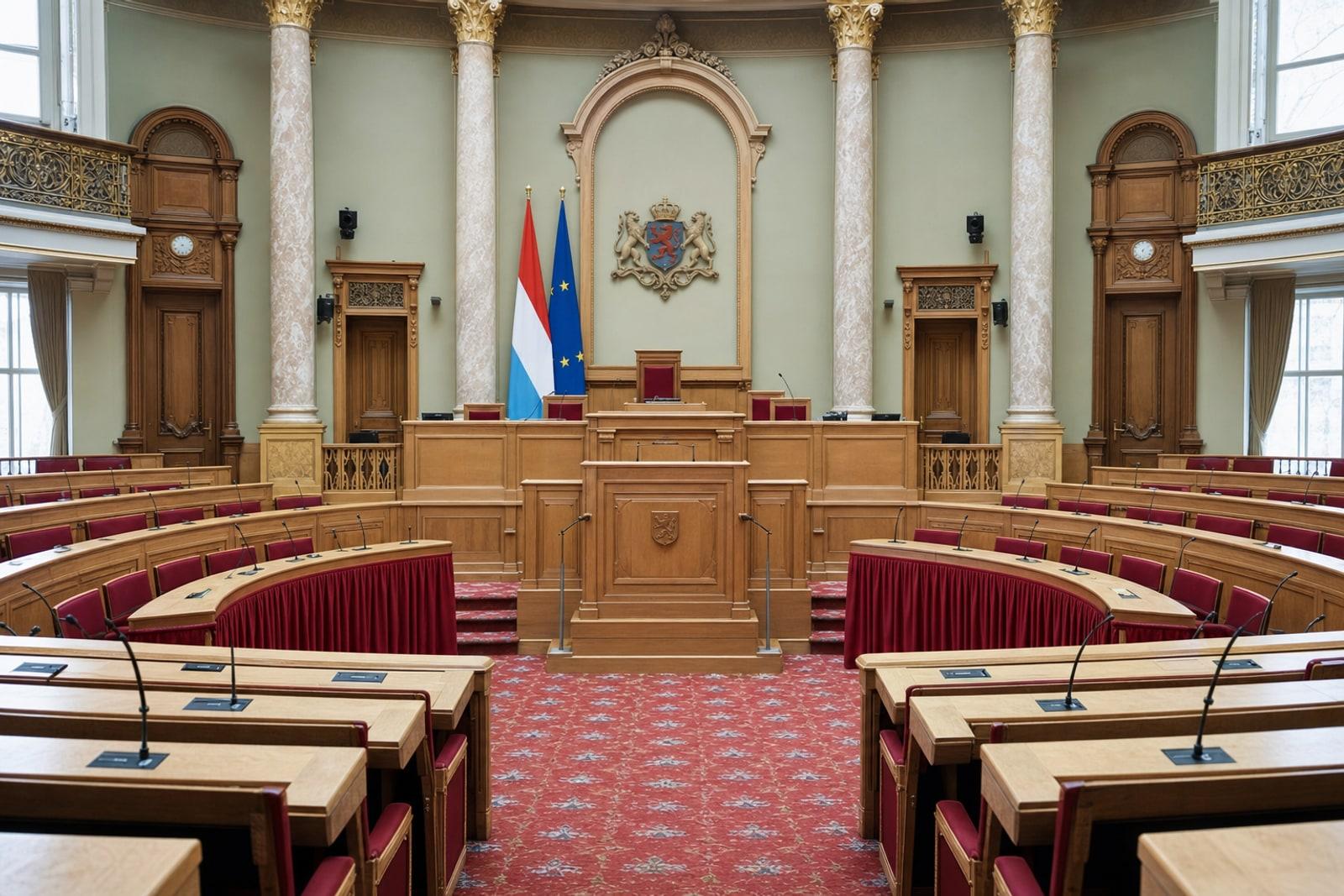
The communal elections, explained: who runs Luxembourg's communes
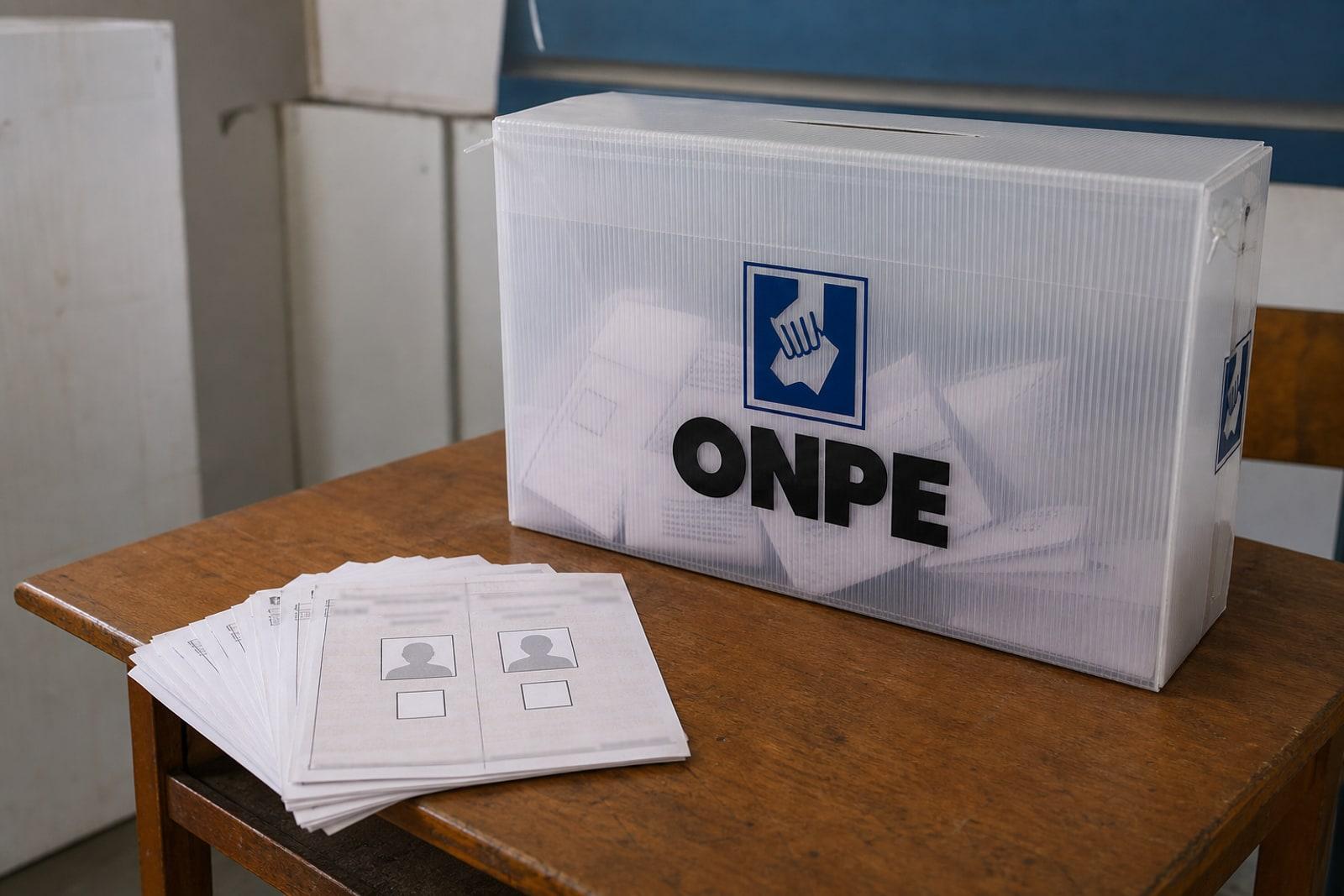
Communal elections fill the councils that run Luxembourg's 100 communes. We explain the two voting systems, who is eligible, and why non-nationals are encouraged to register.
Senior reporter, Politics & society
Léa Hoffmann is a senior reporter covering politics and society for status.lu, from elections and social policy to migration and the daily life of a multilingual country.

Communal elections fill the councils that run Luxembourg's 100 communes. We explain the two voting systems, who is eligible, and why non-nationals are encouraged to register.
Health Minister Martine Deprez's Bill 8760 would let medical associations open standalone ambulatory-care structures for dialysis, oncology and minor surgery. The AMMD welcomes more out-of-hospital practice but objects to the governance, while hospital doctors warn of cherry-picking and a weakened public sector.

After years of deadlock, the European Union's Pact on Migration and Asylum enters into application on 12 June 2026, introducing mandatory screening, an expanded Eurodac database, fast-track border procedures and a permanent 'solidarity mechanism'. For Luxembourg, a small state with one of the EU's highest asylum rates per capita, the reform reshapes both its obligations and its long-standing push for fairer burden-sharing.

Luxembourg City packs a remarkable density of museums into a short walk. We map the museum mile, from contemporary art at Mudam to national history in the Fishmarket quarter.

A law passed in July 2023 raises Luxembourg's compulsory-schooling age from 16 to 18, taking effect in September 2026. It is aimed at the country's school-leavers and NEETs, and can be fulfilled through schooling, an apprenticeship or other qualifying pathways rather than classroom attendance alone.

Esch-sur-Alzette and the former steel region of the Minett spent 2022 as a European Capital of Culture. We look at what endured once the festival year ended.