Obituary
Sheikh Hamad bin Khalifa Al Thani, who built modern Qatar, dies at 74
Qatar's Amiri Diwan announced the death of the 'Father Emir', who seized power in 1995 and turned a small Gulf peninsula into a gas, media and diplomatic power before abdicating in 2013.
By Léa Hoffmann · · 5 min read
Sheikh Hamad bin Khalifa Al Thani, the former emir who in less than two decades turned Qatar from a quiet Gulf peninsula into the world's largest exporter of liquefied natural gas, the home of Al Jazeera and one of the busiest diplomatic brokers in world affairs, died on Sunday, the country's Amiri Diwan announced. He was 74.
The emiri court in Doha gave no cause of death in its 12 July statement. The Associated Press reported that the former ruler, known in Qatar as the Father Emir, was thought to have been in poor health for years; in December 2015 he was flown to Switzerland for surgery after breaking a leg while on holiday.
"With hearts steadfast in faith in God's decree and destiny, the Amiri Diwan mourns the great loss to the nation of the late – may God have mercy on him – His Highness the Father Amir Sheikh Hamad bin Khalifa Al Thani, who passed away this morning," the court said.
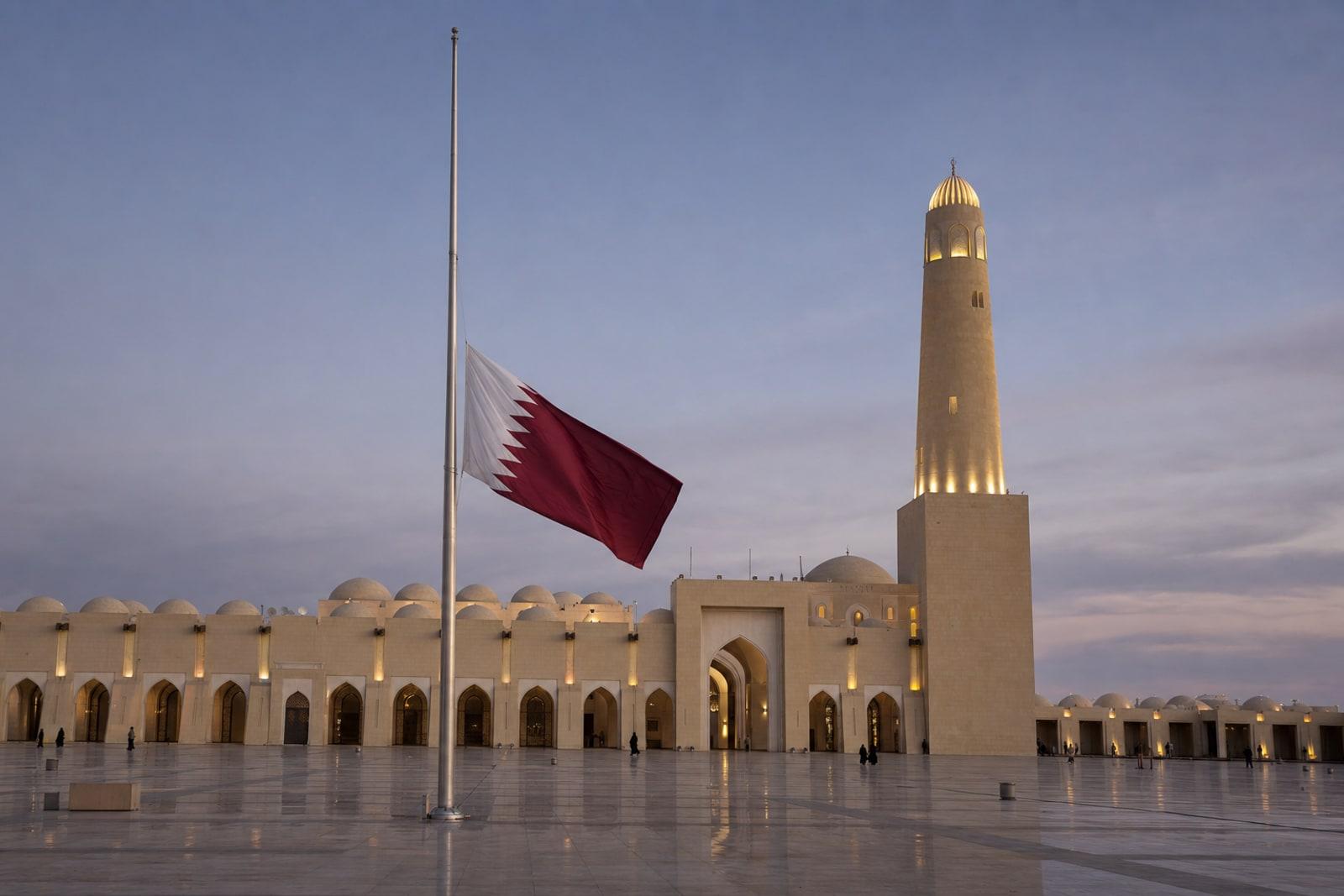
Qatar declared four days of national mourning, suspending work in government ministries and lowering flags to half-mast. Funeral prayers were held after sunset on Sunday at the Imam Muhammad ibn Abd al-Wahhab State Mosque in Doha, and he was buried at the royal cemetery in Lusail, north of the capital, Al Jazeera and The National reported. The United Arab Emirates and Kuwait declared mourning periods of their own.
The 1995 coup that remade a state
Born in Doha in 1952 and educated at Britain's Royal Military Academy Sandhurst, Sheikh Hamad commanded Qatar's armed forces and served as crown prince before deposing his father, Sheikh Khalifa bin Hamad Al Thani, in a bloodless palace coup on 27 June 1995. At 44 he became the youngest ruler in the region, Reuters noted, and the following year he survived a counter-coup attempt widely attributed to loyalists of his deposed father.
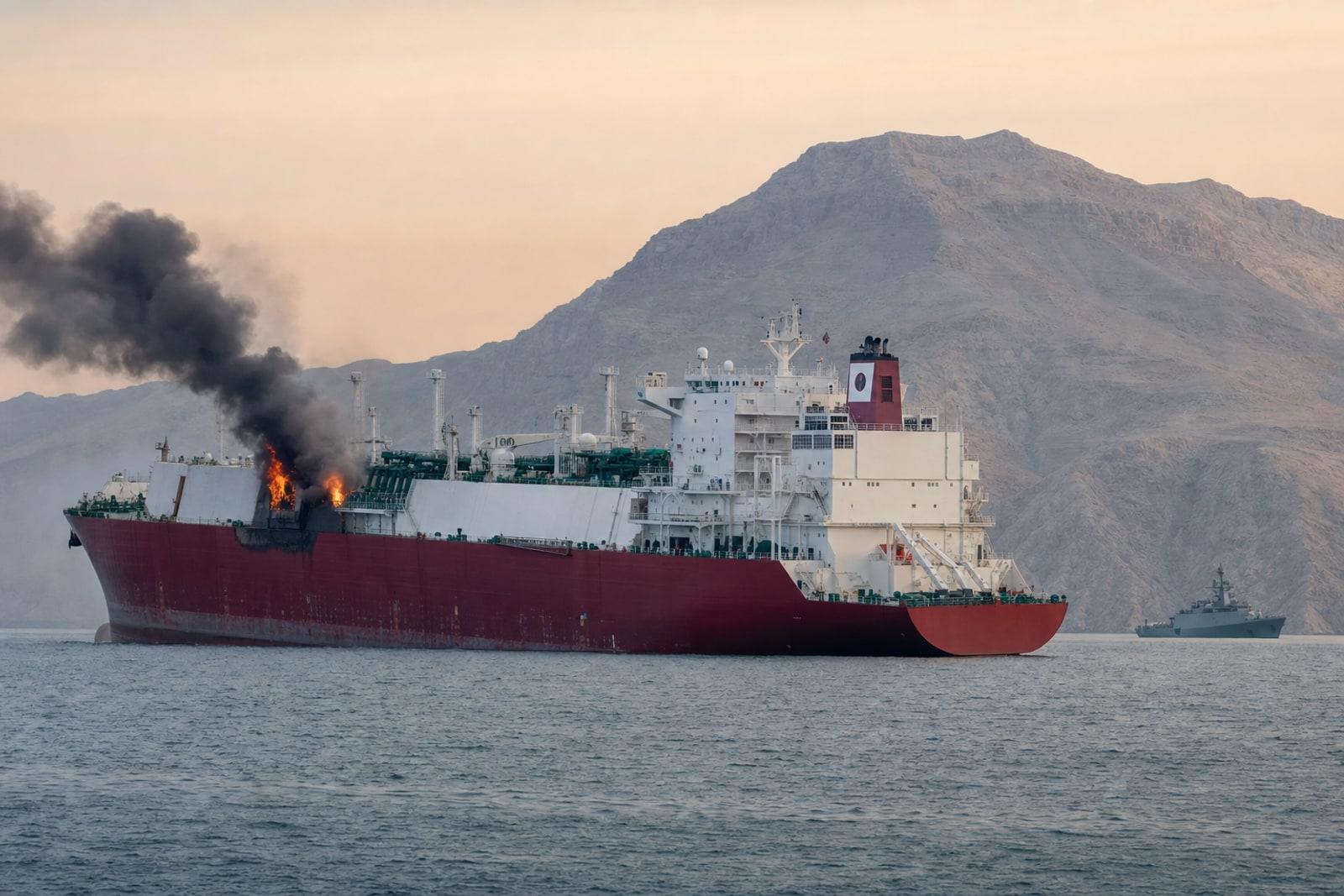
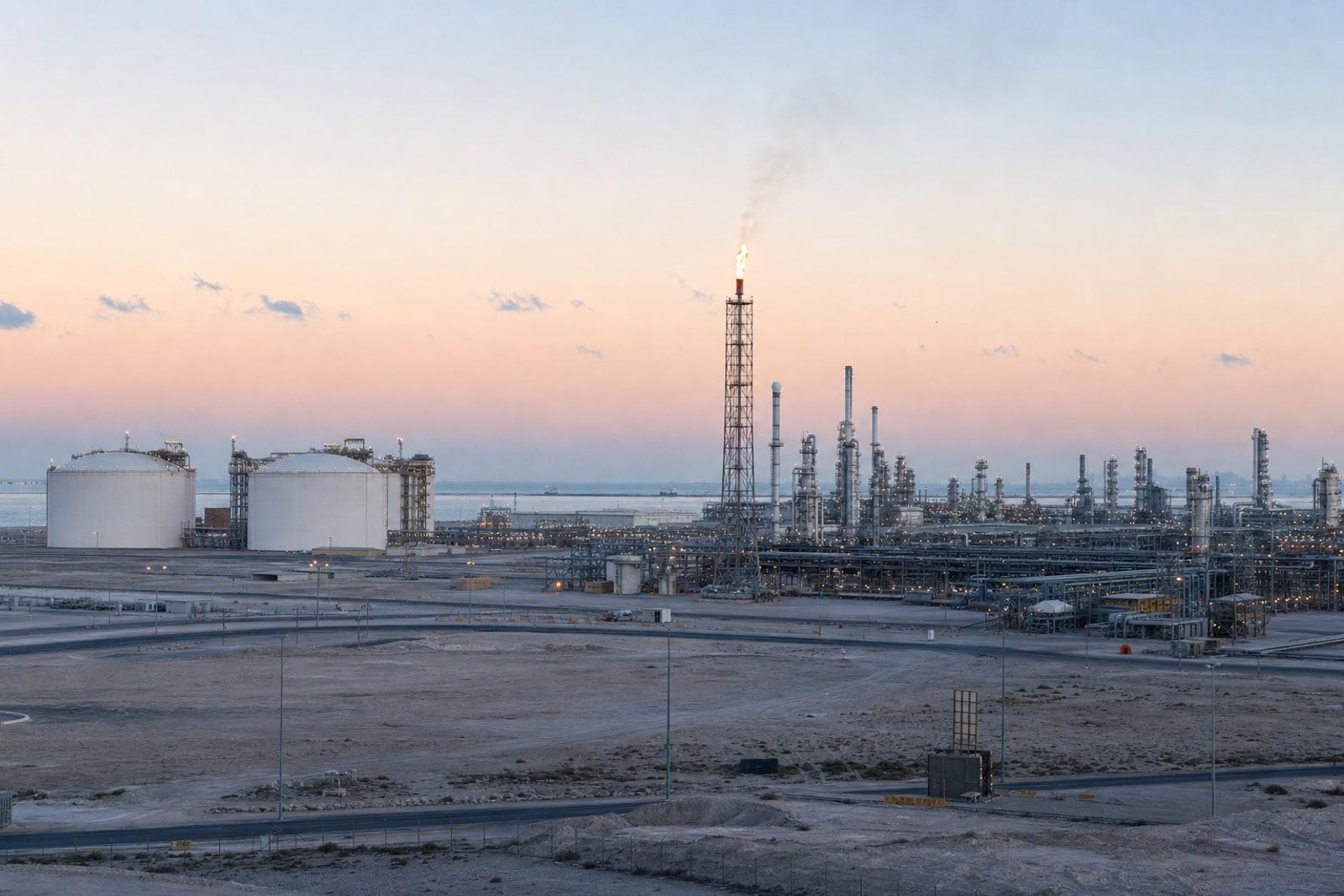
He inherited a state with modest oil income and one enormous, barely tapped asset: the North Field, the world's largest natural gas reservoir, which Qatar shares with Iran. Where his father had hesitated, Sheikh Hamad borrowed heavily to build the liquefaction plants, ports and tanker fleet needed to ship that gas to the world.
Gas wealth and a megaphone
The bet transformed the country. By 2006 Qatar had become the world's largest LNG exporter, with annual capacity eventually reaching 77 million tonnes, and the economy grew more than 24-fold over his reign, according to Al Jazeera. By the time he stepped down, Reuters and The National wrote, Qataris were, per head, the richest people in the world, and the country's sovereign wealth fund was acquiring landmark assets across Europe.
A year after taking power he launched Al Jazeera, the satellite broadcaster that shattered the monopoly of stolid state television across the Middle East and gave Qatar what Reuters called an outsized voice in Arab politics — as well as a permanent source of friction with neighbouring governments. He also anchored Qatar's security in Washington, developing the vast Al Udeid air base that today serves as the forward headquarters of US Central Command, even as Doha kept working relations with Iran, its partner in the shared gas field.
Mediator, World Cup host, Arab Spring gambler
Sheikh Hamad made mediation something close to a national industry. Qatar brokered the 2008 Doha Agreement that pulled Lebanon back from the brink of renewed civil conflict, hosted talks on Sudan's Darfur region and Yemen, and, days before he left power in June 2013, opened the Taliban's office in Doha that would later host US–Taliban negotiations, Reuters and AP reported. In October 2012 he became the first head of state to visit the Gaza Strip since Hamas's takeover, pledging $400m for reconstruction projects, according to the AP.
In December 2010, FIFA awarded Qatar the 2022 World Cup — the first in an Arab country and the crowning act of his campaign to put Doha on the global map. Nine years after leaving power, he drew applause from the crowd at the tournament's opening match, the AP noted.
His activism carried costs. Qatar's — and Al Jazeera's — support for the Arab Spring uprisings and for Islamist movements strained relations with Saudi Arabia, the United Arab Emirates and Egypt, tensions that later culminated in the 2017–2021 blockade of Qatar, after his abdication.
An abdication that broke the mould
On 25 June 2013, aged 61, Sheikh Hamad did what hereditary Gulf rulers almost never do: he stepped down voluntarily, handing power to his fourth son, Sheikh Tamim bin Hamad Al Thani, then 33. "The future lies ahead of you, the children of this homeland, as you usher into a new era where young leadership hoists the banner," he told Qataris in his farewell address.
The milestones of his rule trace the arc of modern Qatar:
- 27 June 1995: seizes power from his father in a bloodless palace coup
- 1996: launches Al Jazeera and survives a counter-coup attempt
- 2006: Qatar becomes the world's largest LNG exporter
- December 2010: FIFA awards Qatar the 2022 World Cup
- 25 June 2013: abdicates in favour of his son Tamim
Tributes arrived from well beyond the Gulf. Italian Prime Minister Giorgia Meloni called him "one of those rare leaders who changed the course of his Nation's history", while Canadian Prime Minister Mark Carney said he had "led the State of Qatar through a remarkable period of transformation and helped shape its role on the global stage". India's Narendra Modi remembered a "visionary leader who guided Qatar to great levels of development and prosperity".
Among his survivors are Emir Tamim and Sheikha Moza bint Nasser, his wife and the emir's mother, whose education and development foundations gave Qatar's soft power a further public face. The state he built — small, gas-rich and improbably influential — remains his monument.
Frequently asked
- When did Sheikh Hamad bin Khalifa Al Thani die?
- Qatar's Amiri Diwan announced that he died on the morning of Sunday 12 July 2026, aged 74. No cause of death was given; the AP reported he had been in poor health for years.
- What is Sheikh Hamad best known for?
- He transformed Qatar during his 1995–2013 rule: developing North Field gas to make Qatar the world's largest LNG exporter, founding Al Jazeera in 1996, winning the 2022 World Cup bid and making Doha a hub for international mediation.
- Why did he abdicate in 2013?
- On 25 June 2013 he voluntarily handed power to his fourth son, Sheikh Tamim bin Hamad Al Thani, then 33, saying it was time for a new generation of leadership — a rare abdication by a hereditary Gulf ruler.
- Who rules Qatar now?
- His son Sheikh Tamim bin Hamad Al Thani, emir since June 2013, remains Qatar's head of state.
Sources(11)
- 1Former Emir of Qatar Sheikh Hamad bin Khalifa Al Thani dies aged 74Al Jazeera · aljazeera.com
- 2Sheikh Hamad bin Khalifa Al Thani, the architect of modern QatarAl Jazeera · aljazeera.com
- 3Former Emir of Qatar Sheikh Hamad bin Khalifa Al Thani dies: ReactionsAl Jazeera · aljazeera.com
- 4Qatar's Father Emir Sheikh Hamad bin Khalifa Al Thani laid to rest in DohaAl Jazeera · aljazeera.com
- 5Former Qatar ruler Sheikh Hamad, a moderniser who seized power, has diedReuters (via Al-Monitor) · al-monitor.com
- 6Former Qatar Ruler Sheikh Hamad, a Moderniser Who Seized Power, Has DiedReuters (via US News & World Report) · usnews.com
- 7Qatar's former ruler Sheikh Hamad bin Khalifa Al Thani has died at age 74, state news agency saysAssociated Press (via ABC News) · abcnews.com
- 8Former Qatar ruler Sheikh Hamad bin Khalifa Al Thani dies aged 74Associated Press (via Euronews) · euronews.com
- 9Former emir of Qatar dies at 74The National · thenationalnews.com
- 10What we know about Sheikh Hamad's funeral and Qatar's days of mourningThe National · thenationalnews.com
- 11Qatar's Sheikh Hamad Dies After Leading Country to Global Wealth and InfluenceBloomberg · bloomberg.com
Related by topic