Tripartite
Luxembourg's Tripartite Deal Cuts Pump Prices and Lifts the Minimum Wage — With the State Paying
A roughly €450 million, two-year package trims fuel and energy bills through year-end and adds about €200 a month for minimum-wage earners, while leaving the automatic indexation system untouched.
By Jonas Thill · · · 4 min read
After three days of negotiations at Senningen Castle and a preparatory round in May, the Luxembourg government and its social partners signed a tripartite anti-inflation package on 8 June, agreeing to shave a few cents off fuel and energy prices for the rest of the year and to add roughly €200 a month to the take-home pay of minimum-wage earners. Branded the "Resilienzpak," the deal was presented by Prime Minister Luc Frieden as proof that the country's consensus model still functions under strain — but it leaves the bill almost entirely with the state, and the structure of the wage increase has already drawn criticism from the left.
What the package contains
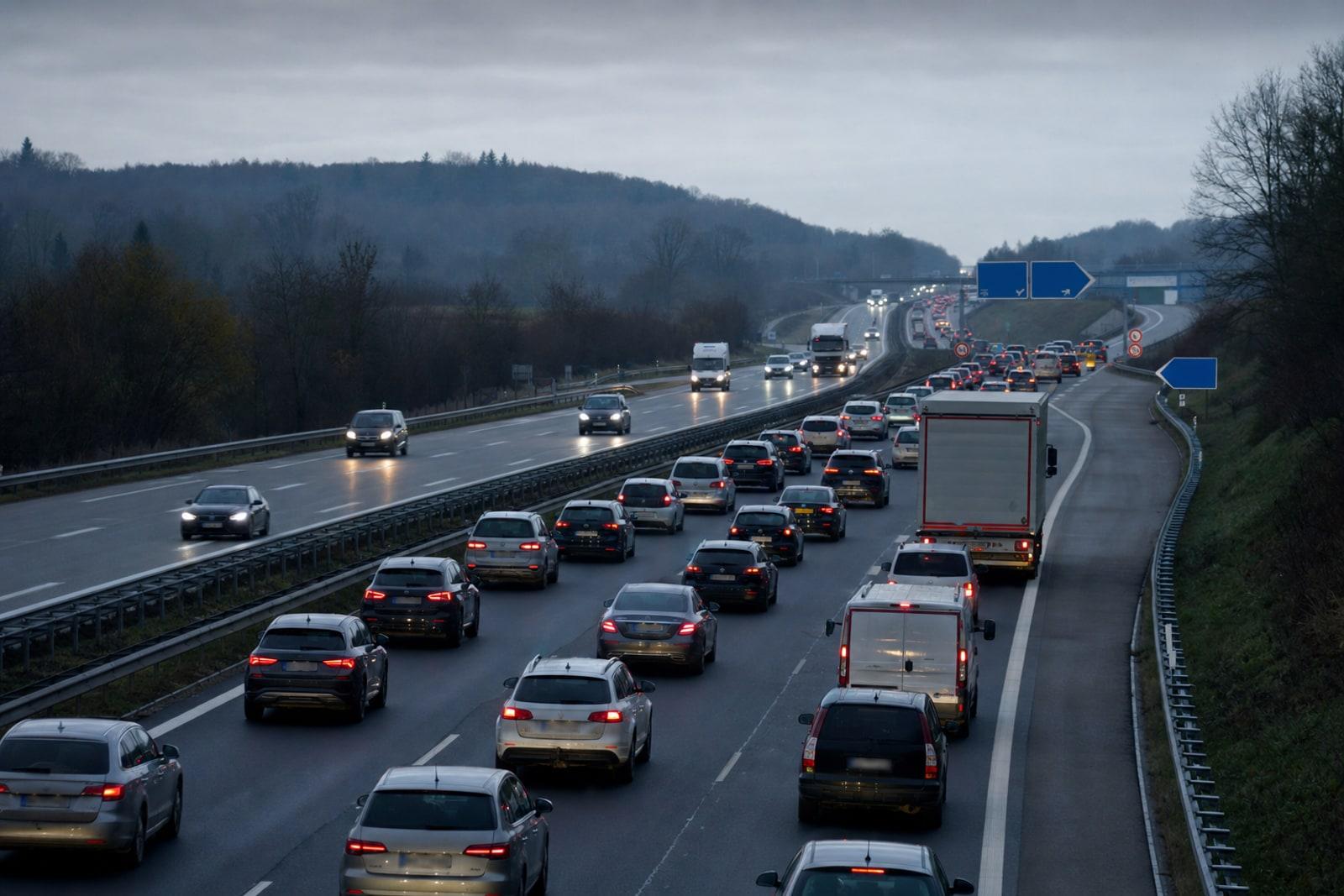
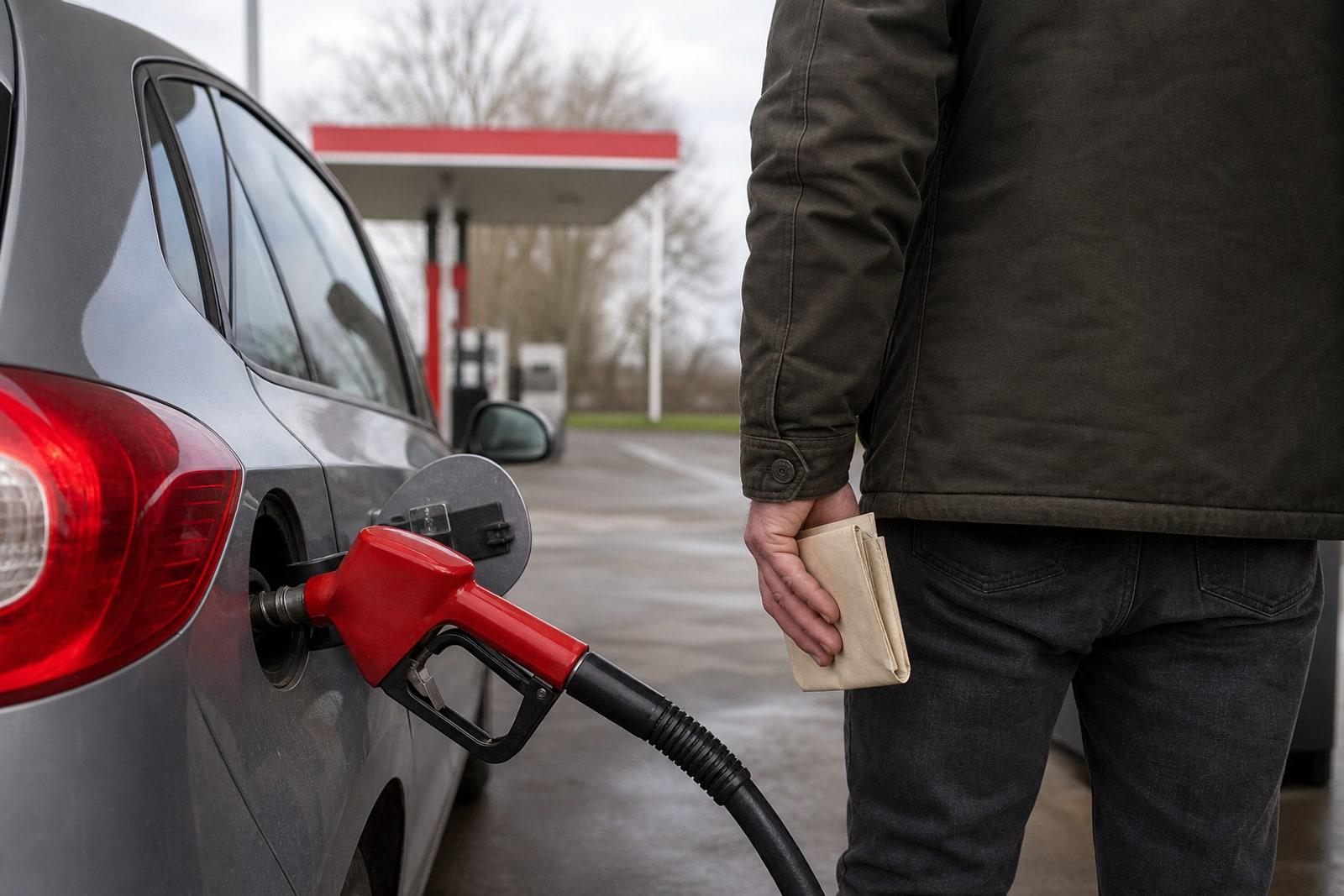
The agreement bundles temporary energy relief with longer-term measures on wages, taxation and housing. On fuel, the government will lower excise duties to cut the price of petrol and diesel by five cents a litre from 1 July to 31 December 2026. From August through December, households consuming less than 25,000 kWh a year will receive an electricity subsidy of four cents per kWh, while heating oil and natural gas will be cushioned by 15 cents per litre and 15 cents per cubic metre respectively.
The wage and tax measures are designed to lift purchasing power without forcing employers to raise gross pay:
- A structural increase of about 3.8% — some €105 — to the social minimum wage from 1 January 2027.
- An increase in the minimum-wage tax credit (CISSM) from €81 to €179 on 1 January 2027, rising again to €200 on 1 July 2027.
- A "conjunctural" tax credit running from June to December 2026, equivalent to one indexation bracket, to be folded into the tax tables from January 2027 and tapering off for salaries up to €3,600 gross.
- On housing, the ceiling for reimbursable VAT on home construction and renovation is doubled from €50,000 to €100,000, alongside a top-up of €2,000 for heat-pump installations.
Who pays, and how much
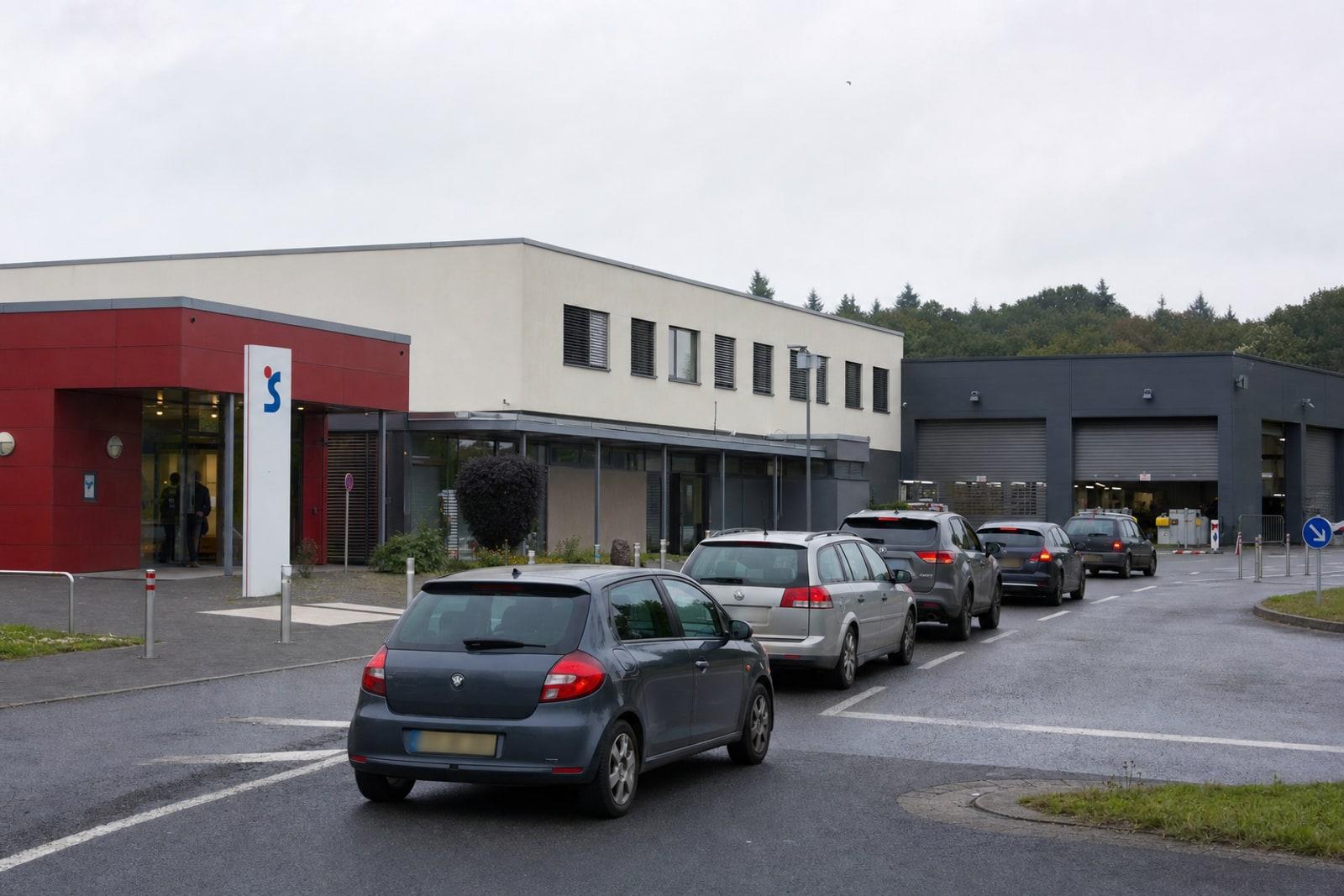
The package is estimated at roughly €450 million over two years and, the government stresses, without raising taxes. That framing is central to the political argument: the relief flows from the state budget rather than from employers or consumers. The Luxembourg-based economic think tank Fondation IDEA, in an analysis published three days after the signing, judged the design a mixed bet. Most of the effort, it noted, runs through universal price measures that also benefit wealthier households and cross-border drivers — non-residents account for around 60% of fuel sold in Luxembourg — whereas the minimum-wage tax credit is far better targeted. IDEA also flagged that the fuel subsidies contain no automatic deactivation clause should prices fall.
The minimum-wage question
The headline social gain — about €200 more a month for those on the minimum wage, phased in over January and July 2027 — is delivered through tax credits, not a higher gross wage paid by employers. That distinction has become the deal's main political fault line. The left-wing party déi Lénk argued that "employers don't pay a single cent" of the advertised increase, contending that the approach props up net incomes without structurally raising the floor wage. The opposition LSAP called for the implementing texts to be scrutinised in parliamentary committee to confirm the aid reaches households quickly and in a targeted way. For context, June's automatic indexation had already pushed the gross social minimum wage to €2,771.30 a month and the qualified minimum to €3,325.60.
Indexation and the inflation backdrop
The package sits alongside, and is carefully calibrated not to disturb, Luxembourg's automatic wage-indexation system, under which pay, pensions and benefits rise by 2.5% whenever cumulative inflation crosses a set threshold. A new tranche took effect on 1 June 2026, lifting salaries by 2.5%, and STATEC has signalled that another could fall later in the year. The statistics office has warned of unusually high uncertainty tied to energy markets and the conflict in the Middle East, sketching a 2026 inflation range from roughly 2.3% in a rapid de-escalation to near 4% if tensions persist. By holding down energy prices, the temporary subsidies also dampen the index — a point critics say deserves transparent calculation, with the Mouvement écologique demanding the government publish its workings on how the fuel aid affects indexation.
A test for the social model
For the government, the value of the deal lies as much in the method as the money. "Social dialogue works," Frieden said, adding that the executive's "duty is to protect each segment of the population." Union leaders welcomed the outcome while keeping their distance from euphoria. OGBL president Nora Back praised the improvement in dialogue but stressed that the measures "still need to be validated in our bodies." LCGB president Patrick Dury called the preservation of purchasing power and of the indexation mechanism "very positive points," framing the result as a rebuttal to those who doubted unions could negotiate. The CGFP, which formally backed the accord, described it through its director Romain Wolff as a "crisis compromise."
Employers struck a more guarded note. UEL president Michel Reckinger cautioned that the relief is only temporary: "The crisis isn't over. This is only momentary relief." With several measures still requiring parliamentary approval before they take effect, attention now turns to implementation — and to whether a package financed by the taxpayer can hold the social peace once the subsidies expire at year-end.
Frequently asked
- How much will fuel prices fall under the 2026 tripartite deal?
- Petrol and diesel will fall by five cents per litre from 1 July to 31 December 2026 through a reduction in excise duties. Separate subsidies also cover electricity (4 cents/kWh), heating oil (15 cents/litre) and natural gas (15 cents/m³) from August to December.
- How is the minimum-wage increase being financed?
- Most of the roughly €200 monthly gain for minimum-wage earners comes through an increased minimum-wage tax credit (rising to €179 in January 2027 and €200 in July 2027), plus a structural 3.8% rise. Because it runs largely through tax credits, critics such as déi Lénk argue employers contribute nothing to the increase, which is funded by the state.
- Does the package affect Luxembourg's wage indexation?
- No. The agreement is designed to coexist with the automatic indexation system, which raises wages, pensions and benefits by 2.5% when inflation crosses a threshold. A tranche took effect on 1 June 2026, and STATEC says another may follow later in the year.
Sources(6)
- 1Tripartite Agreement Sees Increase to Minimum Wage, Energy Subsidies, Business SupportChronicle.lu · chronicle.lu
- 2Accord tripartite au Luxembourg: les crédits d'impôt et aides détaillésL'essentiel · lessentiel.lu
- 3Dialogue au Luxembourg: un accord à la tripartite, avec hausse du salaire minimumL'essentiel · lessentiel.lu
- 4« Resilienzpak »: trois questions sur l'accord tripartite du 8 juin 2026Fondation IDEA · fondation-idea.lu
- 5Tripartite: l'attention se porte désormais sur la mise en œuvrePaperjam · paperjam.lu
- 6Tripartite: Luc Frieden défend un accord pour protéger tous les salairesL'essentiel · lessentiel.lu
Related by topic