Defence finance
Luxembourg secures European hub of proposed allied defence bank
The Grand Duchy will host the DSRB’s European operations, but the Canada-led lender remains a proposed sovereign institution rather than a formal NATO bank.
By Jonas Thill · · 4 min read
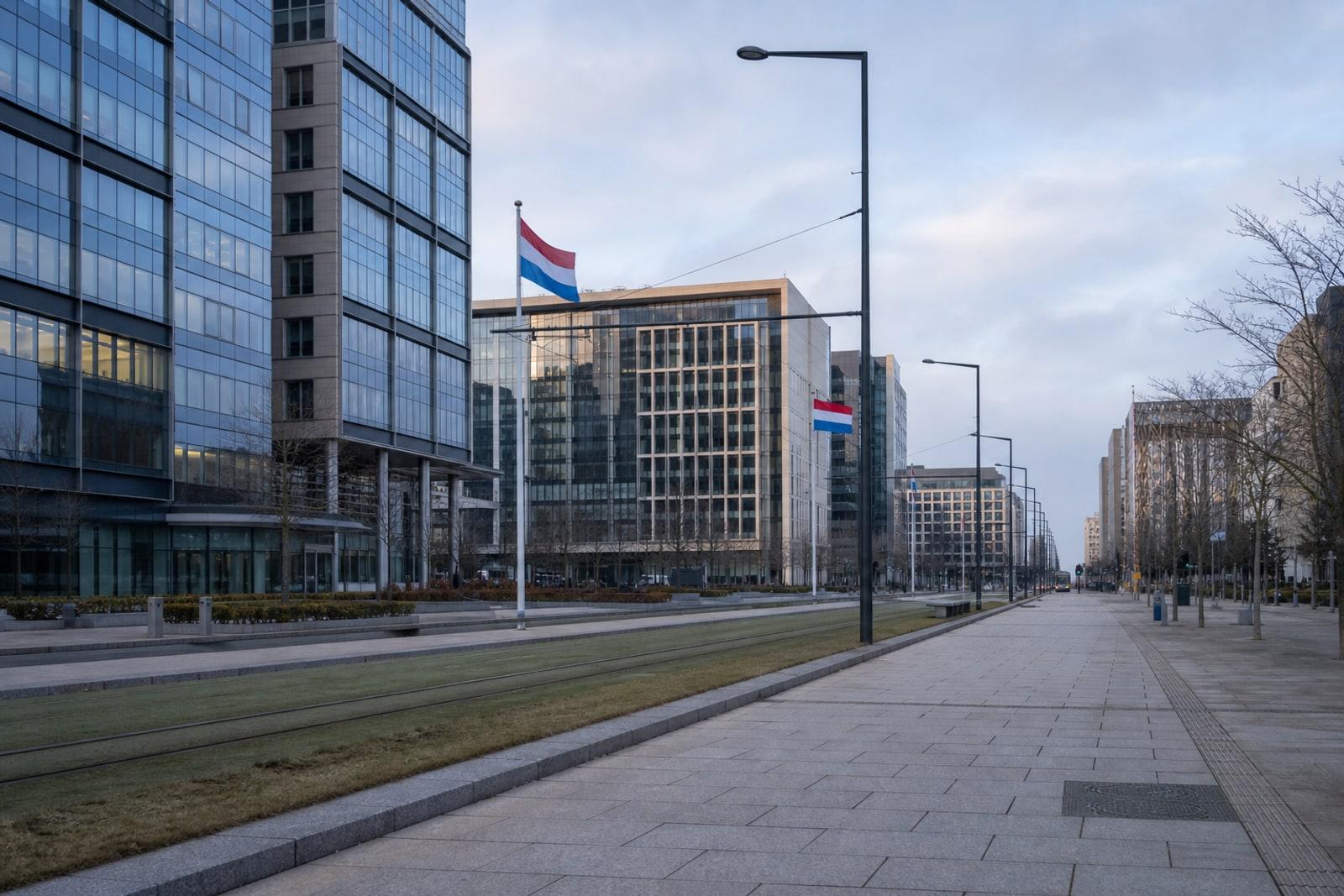
Luxembourg has secured the planned European hub of a new multilateral defence bank, giving the Grand Duchy a prospective role at the centre of efforts to finance the expansion of allied military industries. The Defence, Security and Resilience Bank, or DSRB, will have its headquarters in Canada and aims to begin operating in 2027, subject to national treaty procedures and the commitments needed to build its balance sheet.
The decision advances Luxembourg’s original ambition more precisely than descriptions of the country as a possible headquarters. Canada was unanimously selected as the headquarters country during negotiations in Montréal in April, according to the Canadian government. Luxembourg for Finance and independent reporting by Euronews subsequently identified the Grand Duchy as the bank’s European base.
Linked to NATO, but not owned by it
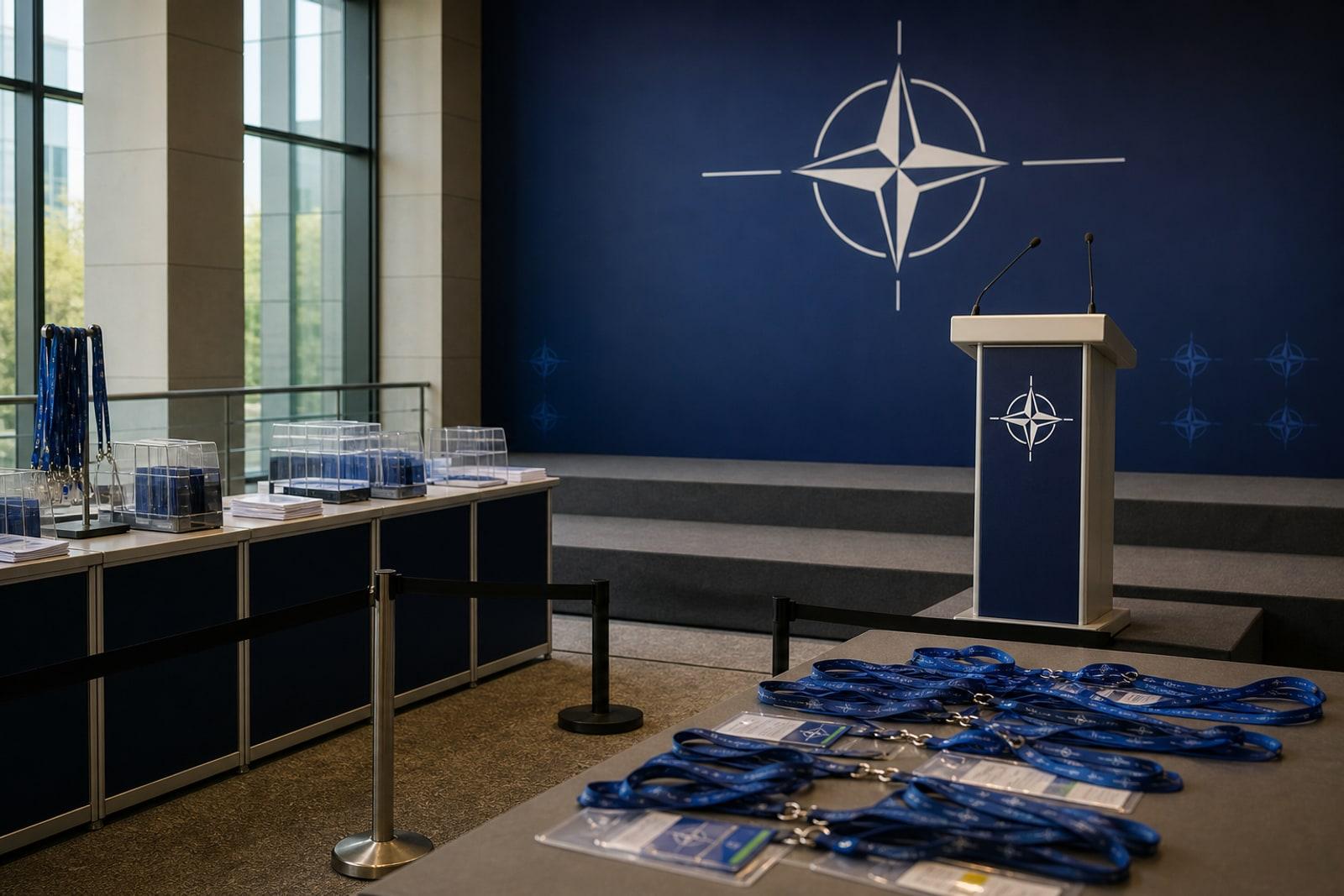
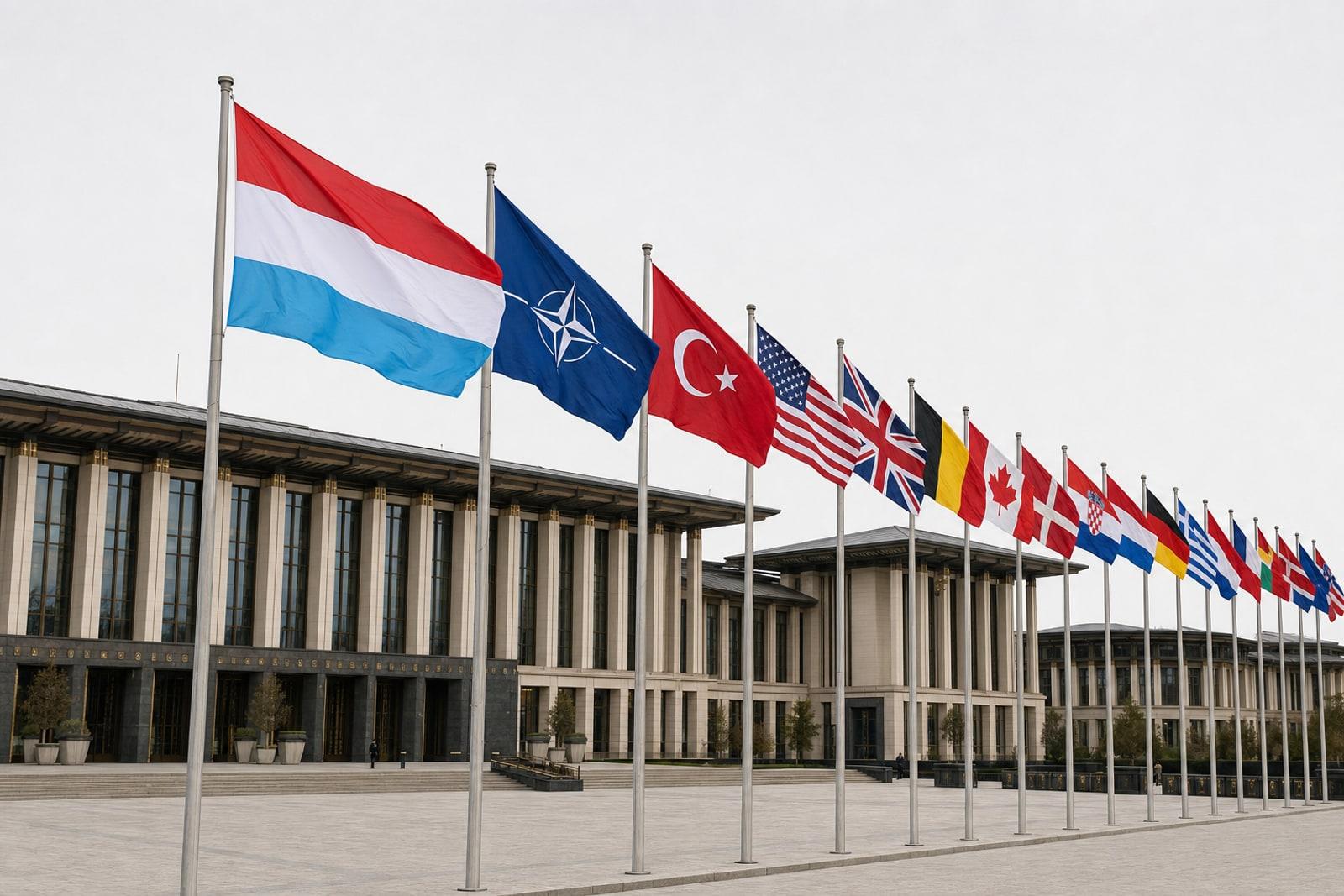
Nine governments announced a shared intention to establish the DSRB on 7 July during the NATO summit in Ankara: Canada, Albania, Belgium, Greece, Latvia, Luxembourg, Romania, Türkiye and Ukraine. Türkiye briefly appeared uncertain after the announcement, but a Turkish official told Reuters on 13 July that Ankara had informed Canada it would participate as a founding member.
The setting has encouraged shorthand descriptions such as “NATO bank”, but that label overstates the institutional connection. The DSRB is intended to be owned by governments that sign and ratify its charter, including Ukraine, which is not a NATO member. Its founding declaration was issued by the participating governments rather than by the North Atlantic Council. NATO’s own summit overview and list of formal announcements do not identify the DSRB as an Alliance programme.
L'union fait la force.
Luxembourg and Canada are the documented government champions of the project. Prime Minister Luc Frieden presented it at the NATO Summit Defence Industry Forum and argued that Luxembourg could contribute through its specialisation in finance and space. The other founding governments have endorsed the bank itself through the joint declaration. The public documents reviewed for this article do not, however, record separate endorsements by each government of Luxembourg’s European location or identify a separate vote on that hub.
A development-bank model for weapons and supply chains
The proposed institution would use the collective credit strength of sovereign shareholders to obtain a top-tier rating and borrow on capital markets at lower rates. It would then provide long-term loans to member governments and eligible companies, particularly smaller suppliers that struggle to obtain affordable credit. It also plans to guarantee loans made by commercial banks, reducing their exposure as defence manufacturers expand production.
The mandate is deliberately wider than procurement. Public materials envisage financing for ammunition and military equipment, resilient infrastructure, logistics, cyber capabilities, space and dual-use technology. Canada says the DSRB is meant to complement national and multilateral programmes, not replace them. That distinction also separates it from NATO’s budgets, which finance Alliance-wide programmes and capabilities rather than functioning as a sovereign-backed development bank.
The proposed financial structure has three central elements:
- Sovereign ownership: participating governments would supply the capital and exercise control through the bank’s governance bodies.
- Paid-in and callable capital: the development group’s published model assigns 20% to cash contributions and 80% to sovereign guarantees that could be called if the institution could not meet its obligations.
- Market leverage: the resulting balance sheet would support bond issuance, direct lending and guarantees for private lenders.
Testimony to a Canadian parliamentary committee used the same 20-80 structure in an illustrative national subscription. Reuters and Euronews report that the bank is seeking as much as £100 billion, approximately $134 billion, in financing capacity and a AAA rating. Those remain ambitions, not completed funding rounds. The cited government announcements do not disclose the founders’ subscriptions, Luxembourg’s contribution or the full text of the Articles negotiated in Montréal.
The location contest is now in Canada
No rival European base has been publicly identified in the reviewed reporting. The continuing location contest concerns the city that will house the Canadian headquarters. Reuters reported that Toronto, Montréal, Ottawa, Halifax and Vancouver were competing, offering combinations of financial expertise, defence-industry clusters, international institutions, office space and incentives.
Luxembourg’s prize is nevertheless consequential. A functioning European hub would add another international financial institution to a country already specialised in cross-border banking, investment funds and capital-market services. It would also give Luxembourg a visible role in converting Europe’s higher defence budgets into industrial financing, an area where governments increasingly worry that annual appropriations and conventional bank loans are inadequate for multi-year expansion.
The largest uncertainty is scale. Canada is the only G7 economy among the nine announced backers. France, Germany and Britain have not joined, according to Euronews. Britain has instead prioritised a separate Multilateral Defence Mechanism with European partners to aggregate demand and support joint procurement, its government told Parliament.
Luxembourg has therefore won a strategic location before the institution itself is fully formed. Whether the hub becomes an influential centre of European security finance will depend on ratification, the size and credit quality of the shareholder group, and the capital governments ultimately put behind the bank.
Frequently asked
- Is the DSRB an official NATO bank?
- No. It was announced during the 2026 NATO summit and is designed to serve allied security needs, but it would be a separate, sovereign-owned multilateral institution established by its member governments.
- Where will the defence bank be based?
- Canada has been selected as the headquarters country, while Luxembourg is the planned European hub. Toronto, Montréal, Ottawa, Halifax and Vancouver have competed to host the Canadian headquarters.
- Which countries support the project?
- Canada, Albania, Belgium, Greece, Latvia, Luxembourg, Romania, Türkiye and Ukraine declared their intention to establish the bank on 7 July 2026.
- How would the bank be financed?
- The development group’s public model proposes 20% paid-in government capital and 80% callable sovereign guarantees, supporting bond issuance, loans and commercial-bank guarantees. Final national subscriptions have not been disclosed.
Sources(13)
- 1Eight countries commit to supporting the Canada-led Defence, Security and Resilience BankPrime Minister of Canada · pm.gc.ca
- 2Declaration on the Defence, Security and Resilience BankPrime Minister of Canada · pm.gc.ca
- 3Luc Frieden, Xavier Bettel et Yuriko Backes au Sommet de l’OTAN à AnkaraLuxembourg Government · gouvernement.lu
- 4Nine countries commit to global defence bank, says CanadaReuters · investing.com
- 5Turkey informed Canada that it will participate in global defence bank, Turkish official saysReuters · marketscreener.com
- 6A World Bank for defence? The lender that Europe’s big powers have yet to joinEuronews · euronews.com
- 72026 NATO Summit in AnkaraNATO · nato.int
- 8Defence, Security and Resilience Bank: Frequently Asked QuestionsDSRB Development Group · static1.squarespace.com
- 9Kevin Reed at the Industry and Technology CommitteeOpenParliament.ca · openparliament.ca
- 10Canadian cities offer new office space, incentives to host proposed defence bankReuters · marketscreener.com
- 11Defence, Security and Resilience BankUK Parliament Hansard · hansard.parliament.uk
- 12Luxembourg confirmed as European hub for new NATO-linked defence bankLuxembourg for Finance · luxembourgforfinance.com
- 13Canada to be the base for a NATO-linked financial institutionAssociated Press · apnews.com
Related by topic