Defence & finance
Luxembourg to anchor European arm of new allied defence bank unveiled at Ankara summit
Prime Minister Luc Frieden helped champion the Defence, Security and Resilience Bank, which will be headquartered in Canada and run its European operations from Luxembourg's financial centre.
By Camille Reuter · · 4 min read
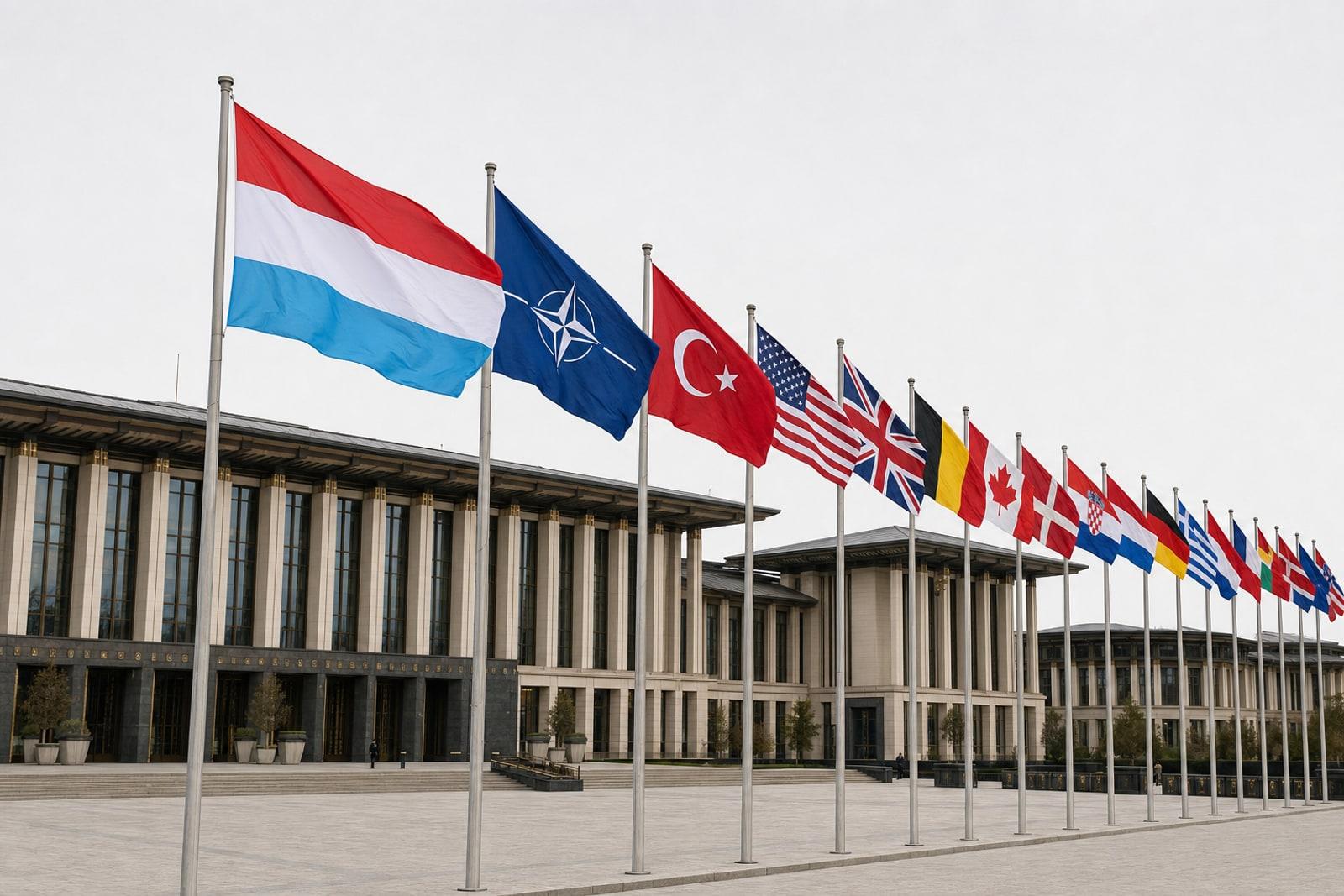
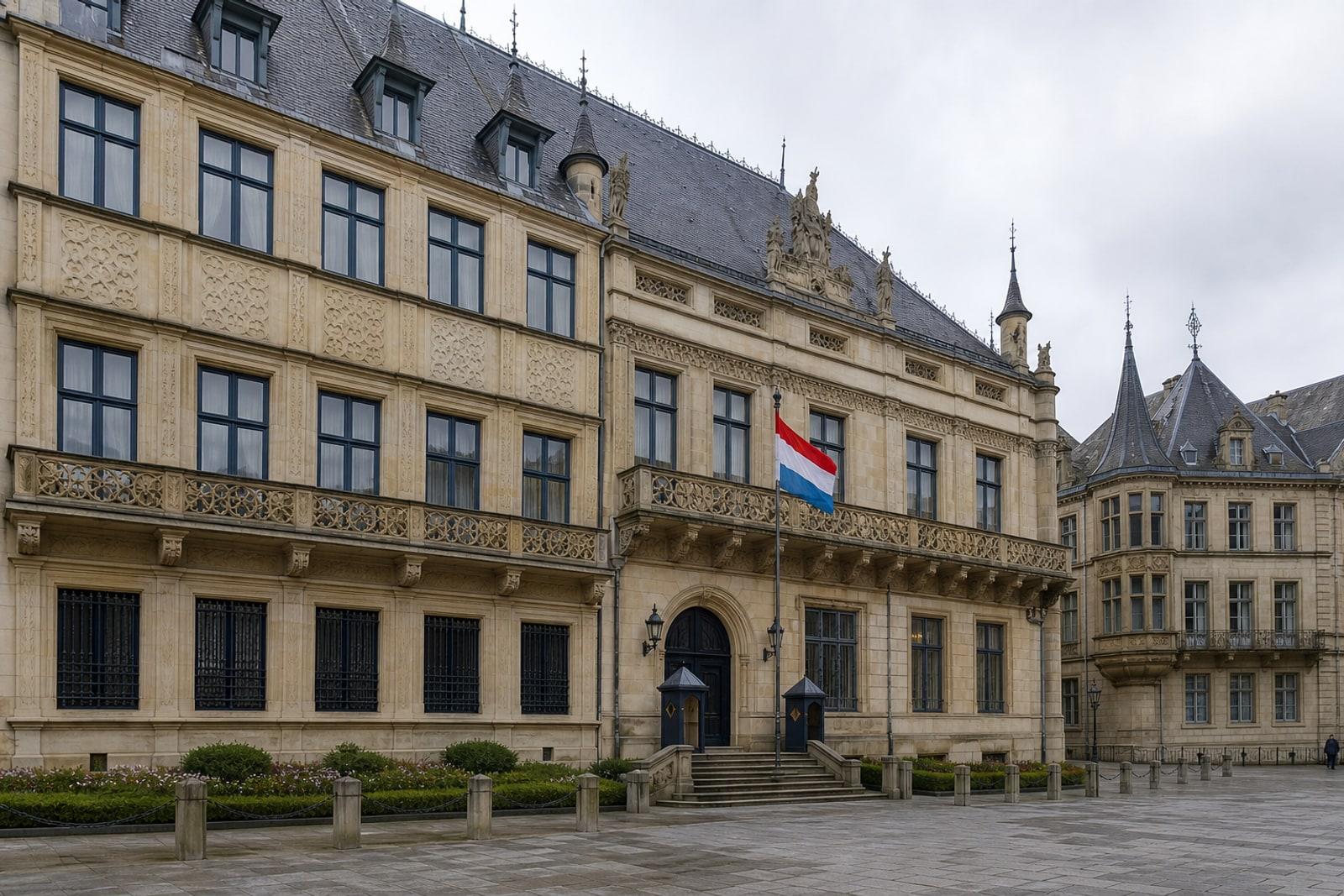
At the NATO summit in Ankara this week, Luxembourg placed itself at the centre of Europe's rearmament-finance debate. The Grand Duchy will host the European base of a new multilateral lender for defence, the Defence, Security and Resilience Bank, whose creation Prime Minister Luc Frieden has publicly championed alongside Canada's Prime Minister, Mark Carney.
Mr Carney announced the bank's founding backers on the margins of the two-day summit, held at Ankara's Presidential Complex on 7-8 July. Nine countries put their names to the project: Canada, Albania, Belgium, Greece, Latvia, Luxembourg, Romania, Turkey and Ukraine, according to reporting by The Globe and Mail, Euronews and U.S. news outlets. Canada will host the global headquarters; Luxembourg will run the bank's European operations.
The choice of Luxembourg was tied to its standing as a financial centre. Backers pointed to its role in global bond markets, its cluster of financial and multilateral institutions, its triple-A sovereign credit rating and its ability to coordinate public and private money, according to the Luxembourg business title Paperjam. In practice, officials say, Luxembourg would help convert sovereign backing into guarantees, investor structures and, later, direct lending.
"There is a critical mass of countries that intend to join. Canada is one of them, and we will be the headquarters, Luxembourg is the European headquarters," Mr Carney said.
What the bank is meant to do
The Defence, Security and Resilience Bank grew out of a 2024 proposal by a group of former NATO advisers, senior military figures and bankers. Its aim is to give governments and defence companies cheaper, longer-term financing than commercial markets currently offer.
The structure is modelled on multilateral development banks such as the World Bank and the European Investment Bank. According to Euronews and Paperjam, its key features are:
- A capital target of up to £100 billion, equivalent to roughly US$133-135 billion, or about €117 billion.
- A push for a triple-A credit rating, so it can borrow cheaply and pass low interest rates on through loans and guarantees.
- A capital base of roughly 20% paid-in funds and about 80% callable capital pledged by member states.
- Guarantees covering a large share of private-bank investment in defence projects, to draw commercial lenders into a sector many avoid.
Crucially, the institution would be held together by a treaty rather than a banking licence. That design, its architects argue, would let it finance the full defence industrial chain, including strictly military capabilities, and lend directly to companies when member states designate projects as national priorities. Backers say contributions to the bank could count toward NATO's collective spending goals. The plan is for the bank to commence operations as early as 2027.
Why a new lender, and not the EIB
The bank is designed to fill a gap that existing European vehicles cannot. The European Investment Bank finances defence-related infrastructure and dual-use technology, but its rules bar it from funding arms and munitions. The EU's SAFE instrument channels up to €150 billion in loans to member-state governments, not directly to industry.
The new bank, by contrast, would have an explicit mandate over the defence industrial chain, including lethal segments, and could lend to accredited companies as well as states. Its backers also stress a political advantage: because borrowing would sit on the bank's own balance sheet, it would not add directly to national budgets in the way joint EU debt would.
For Luxembourg, the initiative dovetails with a broader defence build-up. Defence Minister Yuriko Backes has set out a roadmap lifting spending from about 2.1% of gross national income in 2027 to 2.3% by 2029, part of the alliance-wide pledge, agreed at the 2025 Hague summit, to reach 5% of GDP by 2035.
"This increase in defence spending is a measured response to current geopolitical challenges," Ms Backes said in presenting the plan, framing higher outlays as collective security rather than an arms race.
Notable absences
The project launches without Europe's biggest military spenders. Britain, Germany and France have not signed up, according to Euronews and The Globe and Mail; Germany is taking part only as an observer, and the United Kingdom has floated folding the idea into its own Multilateral Defence Mechanism. No G7 economy other than Canada has joined, and the United States is absent, prompting analysts to question the venture's ultimate firepower.
Even so, the roster is not trivial. The combined 2025 output of the nine founding nations is around US$5.75 trillion, roughly the size of Germany's economy, and major banks including JPMorgan, Deutsche Bank, Commerzbank and ING have signalled support alongside Canada's largest lenders.
Mr Frieden and Mr Carney set out the case in a joint opinion piece in the Financial Times, urging allies to "rally around a defence bank" that would pool capital for the sector. For a country whose global influence rests on finance rather than firepower, hosting the European base is a bid to shape one of the alliance's most consequential debates: how Europe pays for its rearmament. The founding governments will now begin the domestic treaty processes and write the bank's rules, with a decision on its Canadian host city expected within months.
Frequently asked
- What is the Defence, Security and Resilience Bank?
- It is a proposed treaty-based multilateral lender for defence, backed at the 2026 Ankara NATO summit by nine allies. It would raise up to about £100 billion and seek a triple-A rating to provide low-cost loans and guarantees for defence projects, including military capabilities other lenders avoid.
- What is Luxembourg's role in the bank?
- Luxembourg will host the bank's European base, while Canada hosts the global headquarters. Officials cite Luxembourg's role in global bond markets, its financial and multilateral institutions and its triple-A rating; it would help turn sovereign backing into guarantees, investor structures and lending.
- How does the bank differ from the European Investment Bank?
- The EIB finances defence-related and dual-use infrastructure but is barred from funding arms and munitions. The new bank is designed to lend directly to defence companies and finance the full industrial chain, including strictly military segments, under a treaty rather than a banking licence.
- Which countries have not joined?
- Europe's largest military spenders — Britain, Germany and France — have not signed up, and Germany is only an observer. No G7 economy other than Canada has joined, and the United States is absent, prompting analysts to question the bank's financial capacity.
Sources(12)
- 1The Ankara Summit DeclarationNATO · nato.int
- 22026 Ankara NATO summitWikipedia · en.wikipedia.org
- 3A World Bank for defence? The lender that Europe's big powers have yet to joinEuronews · euronews.com
- 4Eight countries join Canada in backing defence bank, but major European partners still absentThe Globe and Mail · theglobeandmail.com
- 5Luxembourg will serve as new defence bank's European base, Carney saysThe Globe and Mail · theglobeandmail.com
- 6Defence bank plan gives Luxembourg operational rolePaperjam · en.paperjam.lu
- 7EIB, Safe, DSRB, ERB: billions for defence as if it were rainingPaperjam · en.paperjam.lu
- 8Carney says he and Trump discussed defence priorities, Arctic ahead of the NATO summitCanada's National Observer · nationalobserver.com
- 9Nine Countries Commit to Global Defence Bank, Canada SaysU.S. News & World Report · usnews.com
- 10Canada says 8 countries are joining the international defense bank it will hostThe Washington Times · washingtontimes.com
- 11Yuriko Backes presents Luxembourg's defence spending roadmap to 2029The Luxembourg Government (gouvernement.lu) · gouvernement.lu
- 12Strengthening Europe's security and defence industryEuropean Investment Bank · eib.org
Related by topic