Transatlantic rift
Trump Orders Halt to All US Trade With Spain, Testing the EU's Common Front
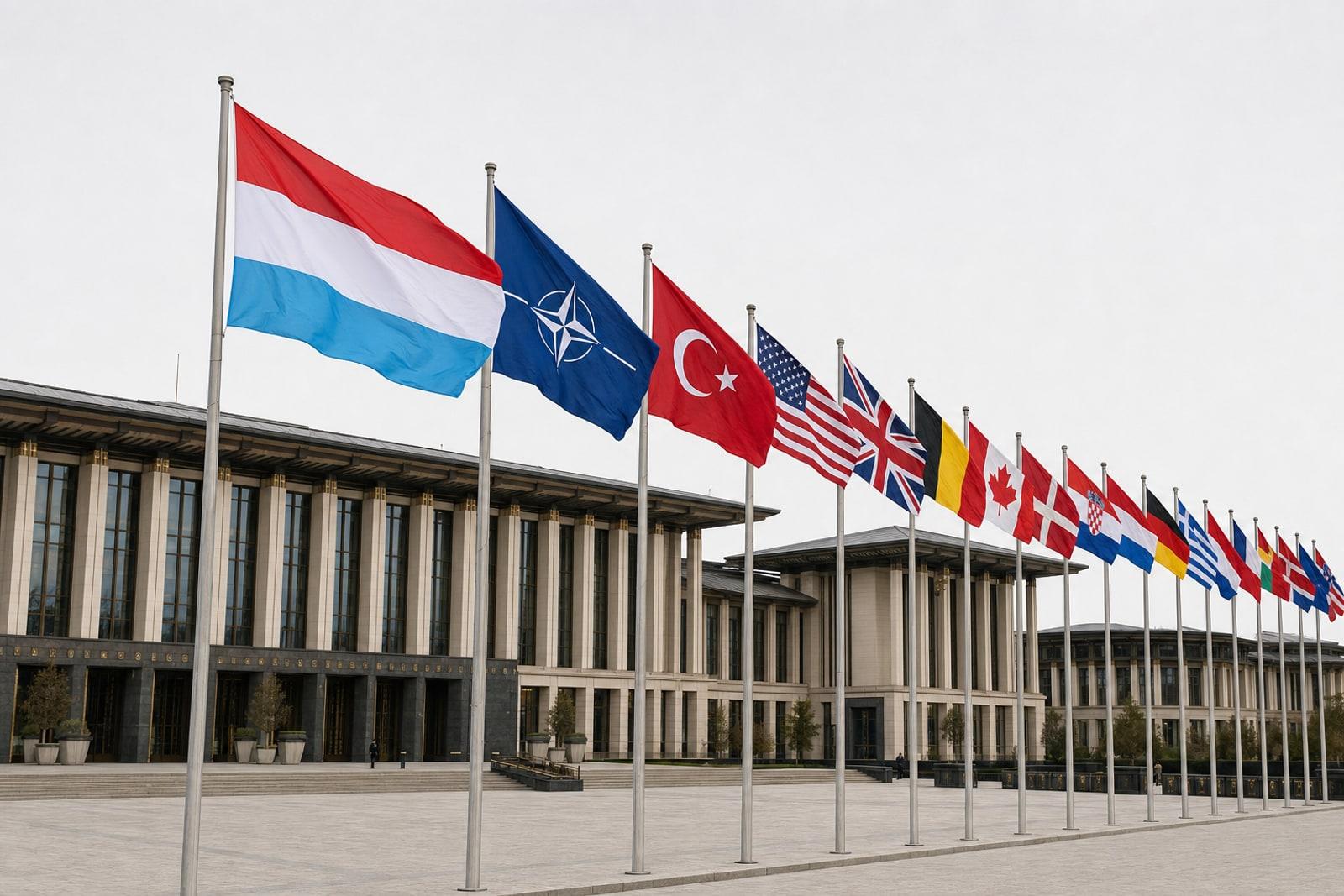
At the NATO summit in Ankara, the US president told his Treasury secretary to stop commerce with Madrid over defence spending and Iran — a move that runs into the EU's exclusive control of trade.
By Camille Reuter · · 5 min read
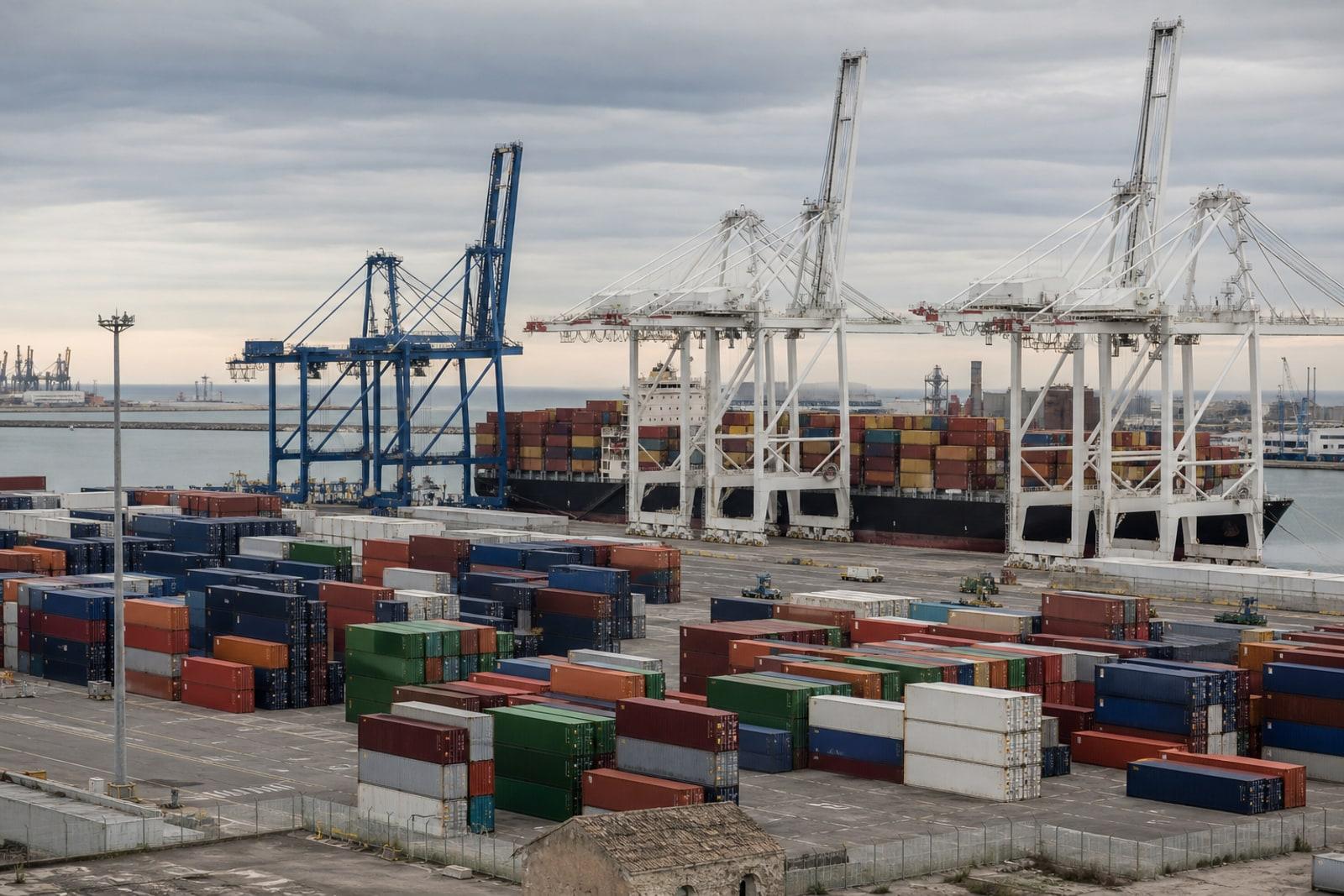
United States President Donald Trump ordered an immediate halt to all trade with Spain on Wednesday, instructing his Treasury secretary to stop commerce with a fellow NATO and European Union member in a sharp escalation of a dispute over defence spending and the war with Iran. Speaking at the NATO summit in Ankara, Trump branded Spain "a terrible partner in NATO" and "a wasted cause," and said he wanted Washington to sever commercial ties with Madrid.
The instruction, directed at Treasury Secretary Scott Bessent, was the second time this year that Trump has ordered a stop to trade with Spain, according to Reuters and Agence France-Presse. A near-identical directive in March came to nothing — commerce between the two countries continued as normal — and trade lawyers, EU officials and Spain's own government moved quickly to explain why a US president cannot, on his own, switch off trade with a single member of the European Union.
An order from the summit floor
Trump's remarks came at a joint news conference with NATO Secretary-General Mark Rutte. Turning to the question of Spain's defence budget, the president said Madrid was refusing to pull its weight and told reporters he had instructed his Treasury secretary to act at once.
Take it immediately. Don't even talk to them. They're hopeless.
"I don't want to do any trade with them, alright?" Trump added, according to TIME and Euronews. AFP quoted him saying Spain was "a wasted cause" and that Washington did not "want to do any trade business with Spain any more." The grievance is twofold: Spain has declined to commit to NATO's new benchmark of spending 5% of GDP on defence, and Prime Minister Pedro Sánchez's Socialist-led government refused earlier this year to let the United States use Spanish airspace or bases for operations against Iran. Rutte, seeking to lower the temperature, said Spain had "made a huge step last year" by lifting spending toward 2% of GDP, while acknowledging "there are still issues we have to solve."
Can a president cut off one EU country?
The short answer, trade specialists say, is not easily — and not alone. A US president's unilateral powers over trade are bounded. Under Section 122 of the Trade Act, tariffs imposed without Congress are capped at 15% and limited to 150 days; the more sweeping Sections 232 and 301 require formal investigations first. US Trade Representative Jamieson Greer has suggested the International Emergency Economic Powers Act could be used to restrict commerce, but even that would face a structural obstacle unique to Europe.
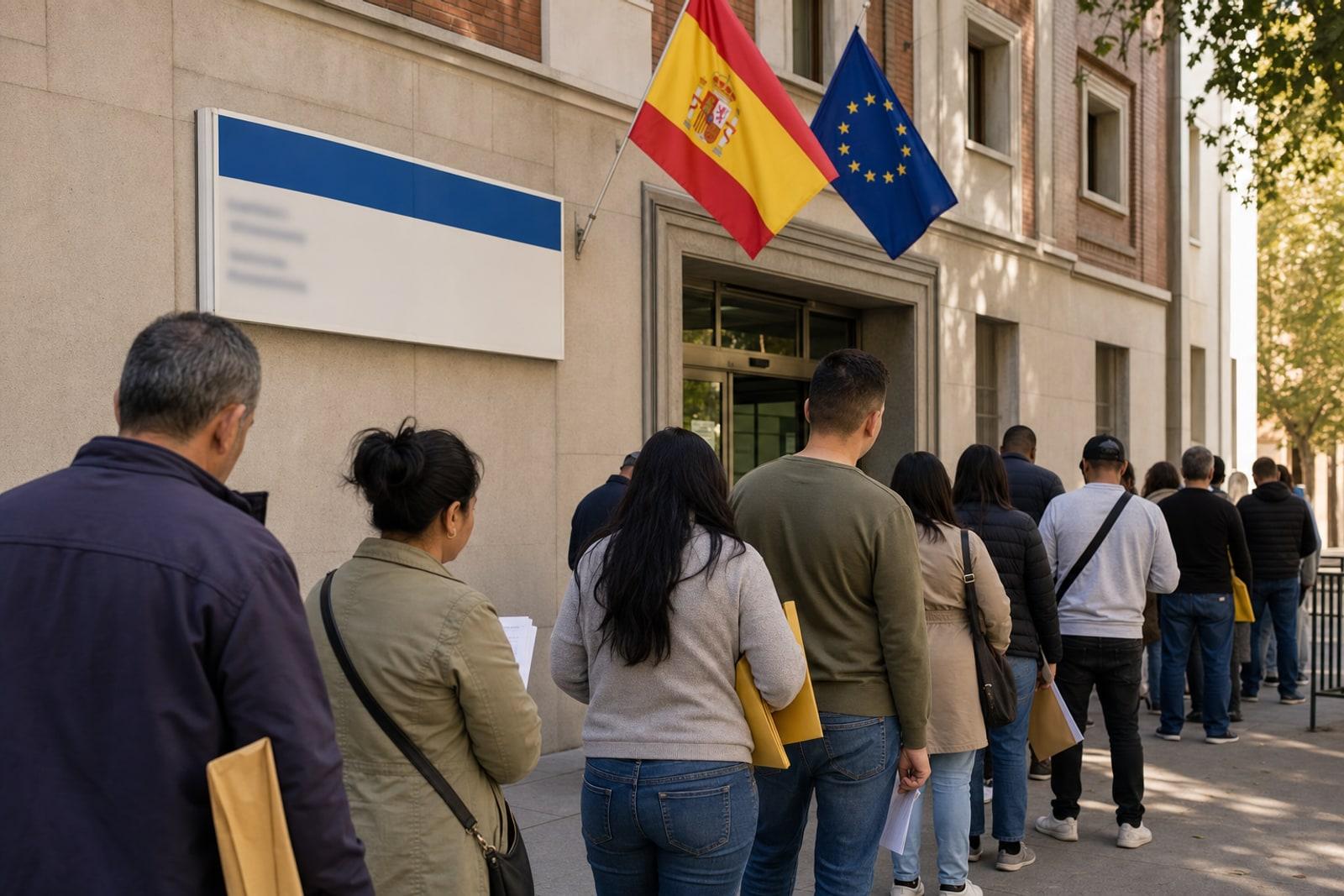
Since the single market and customs union took shape in 1993, trade policy has been an exclusive competence of the European Union, negotiated collectively through the European Commission. In practice that means an individual member state cannot be singled out: goods, supply chains and customs procedures are integrated across all 27 countries. According to Euronews, Spanish exports to the United States are worth roughly €18 billion, about 4.9% of Spain's total exports, while US exports to Spain are around €23 billion — leaving Washington, not Madrid, with the surplus. Spanish food, olive oil above all, accounts for a large share of those transatlantic sales.
Madrid shrugs, Brussels warns
Spain's response was studiously calm. Sánchez's office said it was treating the president's statements as "business as usual" and had no intention of changing the "excellent" relationship it enjoys with Washington, Reuters reported. Officials pointed out that Spain runs a trade deficit with the United States, that commercial ties are built by private companies rather than governments, and that — as part of the EU customs union — individual members cannot be targeted on their own.
The European Commission framed the episode as a matter for the whole bloc. Its spokesperson, Olof Gill, invoked an EU–US joint statement signed last year:
- "We expect the U.S. to honour its commitments under that joint statement, as we have honoured ours."
- "We will continue to advocate for stable, predictable and mutually beneficial trans-Atlantic trade for the benefit of all."
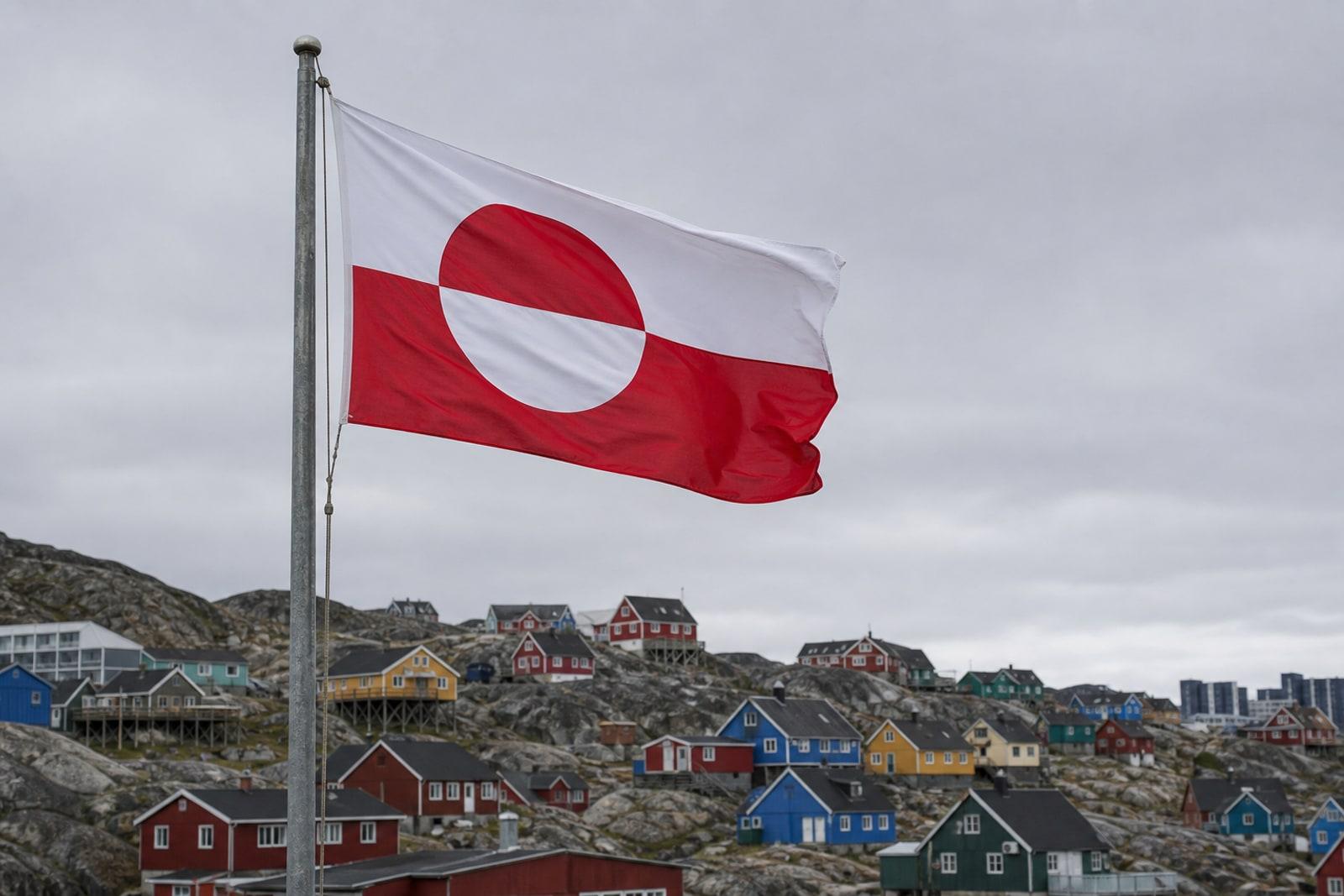
The Commission has repeatedly stated that any trade action aimed at one member state must be handled at EU level, a position that both shields Spain and binds Brussels to respond on its behalf. The Ankara summit produced other friction points as well: Trump again pressed his demand for the United States to take control of Greenland, telling reporters, "We need it for protection of the world, not just the United States" — a claim Denmark has consistently rejected.
Why the rift matters beyond Madrid
For all the bluster, no signed embargo has been reported, and the March precedent suggests the order may again go unenforced. But the confrontation is more than theatre. It tests the principle at the heart of European integration — that the 27 face the outside world as one trading bloc — at a moment when Washington is willing to wield commerce as a lever against allies.
That principle is precisely what small, hyper-open economies rely on. Luxembourg, whose prosperity is woven into the single market and the free flow of goods, services and capital across EU borders, has a direct stake in whether a US move against one member is absorbed collectively or allowed to fracture the common front. If a bilateral dispute over defence and Iran can spill into trade, the question for Brussels — and for capitals from Madrid to Luxembourg City — is how far the transatlantic relationship can be stretched before Europe is forced to choose between accommodation and retaliation.
Frequently asked
- What exactly did Trump order against Spain?
- At the NATO summit in Ankara on 8 July 2026, Trump instructed Treasury Secretary Scott Bessent to halt all US commerce with Spain, calling the country 'a terrible partner in NATO' and 'a wasted cause.' It was his second such order in 2026; the first, in March, was never enforced.
- Can a US president legally cut off trade with a single EU country?
- Only with difficulty. A president's unilateral tariff power is capped at 15% for 150 days under Section 122 of the Trade Act, and broader measures need formal investigations. Because trade is an exclusive EU competence exercised by the European Commission since 1993, one member state cannot be singled out without implicating the whole single market.
- How did Spain and the EU respond?
- Spanish Prime Minister Pedro Sánchez's office treated the remarks as 'business as usual' and said it would not change its 'excellent' ties with Washington, noting Spain runs a trade deficit with the US. European Commission spokesperson Olof Gill said the EU expects Washington to honour a joint statement signed last year and will advocate for stable transatlantic trade 'for the benefit of all.'
Sources(8)
- 1Trump orders halt to US trade with Spain over NATO spending, IranReuters (via U.S. News & World Report) · usnews.com
- 2Trump orders halt to US trade with Spain over NATO spending, IranReuters (via KSL.com) · ksl.com
- 3Trump Orders U.S. to Cut All Trade With Spain as Feud Escalates at NATO SummitTIME · time.com
- 4Can Trump cut trade with Spain? The limits of his threatEuronews · euronews.com
- 5EU expects US to honor trade deal after Trump orders Spain trade cutReuters (via Investing.com) · in.investing.com
- 6Trump threatens Spain trade, demands US take over Greenland at NATO summitAl Jazeera / AFP · aljazeera.com
- 7Can Trump 'Cut Off All Trade' With Spain? Here's What Experts SayTIME · time.com
- 8Explainer: Can U.S. President Trump 'Cut off All Trade' With Spain?Reuters (via U.S. News & World Report) · usnews.com
Related by topic