Defence procurement
Canada picks Germany's ThyssenKrupp to build up to 12 submarines
Ottawa names ThyssenKrupp Marine Systems preferred supplier for its next submarine fleet, choosing the German-Norwegian Type 212CD over South Korea's Hanwha in Canada's largest-ever procurement.
By Marc Weber · · 4 min read
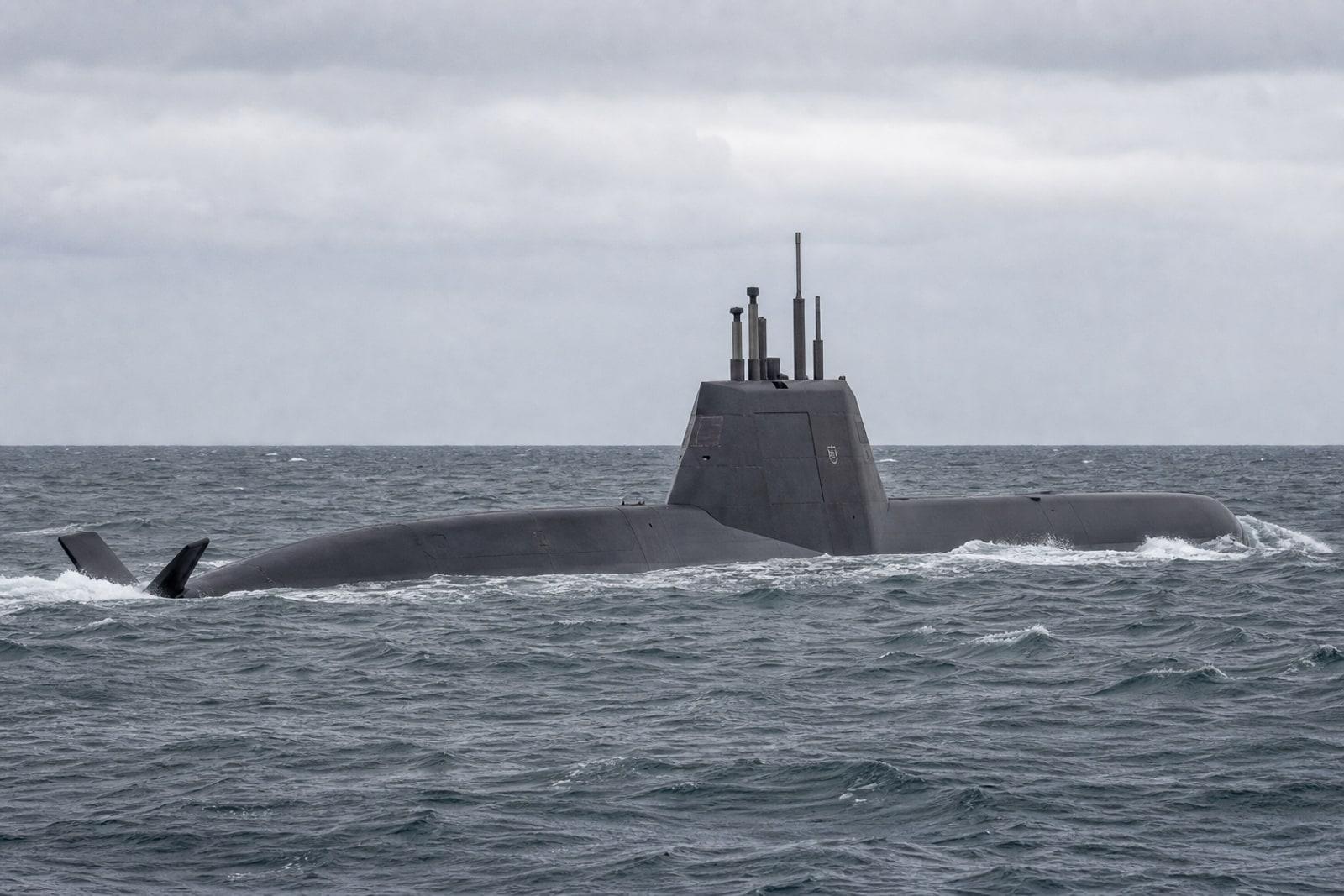
Canada has chosen Germany's ThyssenKrupp Marine Systems to build its next generation of submarines, handing the European shipbuilder one of the largest naval orders in a generation and marking a decisive tilt by Ottawa toward transatlantic defence-industrial partners.
Prime Minister Mark Carney announced the decision on 6 July, speaking dockside at Canadian Forces Base Halifax before leaving for a NATO summit in Turkey. He named TKMS as the preferred supplier for the Canadian Patrol Submarine Project, which aims to procure up to 12 conventional submarines to replace the Royal Canadian Navy's ageing Victoria-class boats. He called it the largest defence procurement in Canadian history.
The winning design is the Type 212CD, a stealthy diesel-electric submarine that TKMS is already building jointly for the German and Norwegian navies. South Korea's Hanwha Ocean, which had offered its KSS-III design, was the other shortlisted bidder and was named as the reserve supplier.
"This decision was about choosing the absolute best platform and partnership to meet Canada's combined strategic security and economic interests." — Prime Minister Mark Carney
A close contest decided in Europe's favour
The two finalists had been shortlisted in August 2025, and officials described the final call as a narrow one. Carney characterised it as "a difficult, close decision between two highly qualified suppliers." Hanwha's bid was widely seen as offering fast delivery from South Korea's high-volume shipyards, but the German-Norwegian offer carried a strategic argument Ottawa found hard to refuse: interoperability with NATO allies already sailing the same boat.
Germany and Norway agreed to cede production slots from their own 212CD pipeline so that Canada could receive its first four submarines by 2034, well ahead of the schedule a from-scratch order would have allowed. Under the plan, the two governments will conclude a contract no later than the end of 2027, while the current Victoria-class fleet — of which only one boat is understood to be operational — soldiers on into the mid-to-late 2030s.
What Canada is buying
The Type 212CD is designed for quiet, long-endurance patrols across the vast maritime approaches Canada must cover. Key elements of the deal, drawn from the government's announcement and reporting by Defense News, the Globe and Mail and CBC, include:
- Fleet size: up to 12 submarines for the Royal Canadian Navy.
- Class: the TKMS Type 212CD, with ultra-low acoustic and magnetic signatures and a faceted stealth sail, suited to Arctic, Atlantic and Pacific operations.
- Cost: an acquisition value estimated at up to C$60 billion (about US$43 billion), and more than C$100 billion over the boats' full service life once maintenance, infrastructure and weapons are counted.
- Delivery: the first four boats by 2034, with a contract to be signed by the end of 2027.
Ottawa attached stiff economic conditions. Under Canada's modernised Industrial and Technological Benefits Policy, the full value of the federal investment must be matched by economic activity inside Canada. The government projected roughly C$180 billion in defence procurement opportunities and C$290 billion in defence-related capital investment over a decade, with TKMS pledging billions in investment and technology transfer.
A NATO fleet of 24 — and a win for Europe
For Berlin, the prize is as much strategic as commercial. Germany's defence minister, Boris Pistorius, had made a rare personal pitch for the bid in Ottawa earlier this year, arguing that a Canadian order would create a single interoperable fleet of up to 24 identical boats operated by three NATO navies — sharing parts, training and crews across the North Atlantic and the Arctic.
"Canada opting for the 212CD would mean to consistently and sustainably pursue the transatlantic path towards closer integration of our economies." — Boris Pistorius, German Minister of Defence
The decision lands amid a broad European rearmament wave, as NATO members lift military spending in response to Russia's war on Ukraine and pressure to shoulder more of the alliance's burden. It positions Germany's naval industry — and Europe's defence base more widely — as a supplier of choice to NATO partners beyond the Continent, at a moment when order books at TKMS and its peers are swelling.
Canada's defence minister, David McGuinty, framed the award in domestic terms. "This historic investment in the Canadian Armed Forces will bring strong economic benefits and jobs across the country," he said.
Significant hurdles remain. The naming of a preferred supplier is not a signed contract, and negotiations over price, industrial offsets and delivery could stretch into 2027. But by choosing the 212CD, Ottawa has bet that the deepest value lies not only in the steel of the boats but in binding itself more tightly to Europe's rearming defence economy.
Frequently asked
- How many submarines is Canada buying and of what type?
- Up to 12 conventional submarines of the TKMS Type 212CD class, to replace the Royal Canadian Navy's ageing Victoria-class boats.
- How much does the deal cost?
- Acquisition is estimated at up to C$60 billion (about US$43 billion), with a full lifecycle cost of more than C$100 billion once maintenance, infrastructure and weapons are included.
- Who lost the competition?
- South Korea's Hanwha Ocean, which offered its KSS-III design. It was named the reserve supplier behind Germany's TKMS.
- When will the submarines be delivered?
- The first four boats are expected by 2034, with a contract to be concluded no later than the end of 2027. Germany and Norway ceded production slots to accelerate delivery.
Sources(8)
- 1Prime Minister Carney announces the preferred supplier for the Canadian Patrol Submarine Project – the largest defence procurement in Canadian historyPrime Minister of Canada (pm.gc.ca) · pm.gc.ca
- 2Canada picks Germany's TKMS for historic submarine buy, in nod to EuropeDefense News · defensenews.com
- 3Canada picks Germany's TKMS over South Korea's Hanwha to build submarine fleetThe Globe and Mail · theglobeandmail.com
- 4Carney chooses German submarines as 'best platform and partnership' for CanadaCBC News · cbc.ca
- 5Canada picks German firm TKMS to build Canada's new submarine fleetGlobal News · globalnews.ca
- 6Germany's TKMS beats Hanwha Ocean for Canada submarine contract worth up to C$60 billionKorea JoongAng Daily · koreajoongangdaily.com
- 7Germany's defense minister makes rare personal pitch for submarine deal in OttawaDefense News · defensenews.com
- 8Canada chooses TKMS as preferred bidder for CPSP submarine fleetCanadian Defence Review · canadiandefencereview.com
Related by topic