European security
Lithuania moves to lift nuclear ban and press for a place under NATO's deterrent
Vilnius wants to scrap a constitutional bar on hosting weapons of mass destruction, placing a frontline Baltic state inside NATO's nuclear debate — a shift felt across the EU, Luxembourg included.
By Camille Reuter · · 5 min read
Lithuania is moving to erase a constitutional barrier that has long kept it outside NATO's nuclear-deterrence arrangements, a decision that pushes one of the alliance's most exposed frontline states into the heart of Europe's atomic-security debate.
On 2 July, the country's top political leaders — President Gitanas Nausėda, the acting prime minister, the speaker of the Seimas and the defence ministry — agreed that Article 137 of the constitution, which prohibits weapons of mass destruction and foreign military bases on Lithuanian soil, should be removed rather than merely amended, according to the public broadcaster LRT and CNBC. A day later, a group of roughly 50 lawmakers formally registered the amendment.
Nausėda has called the clause, drafted in the very different geopolitical climate of the early 1990s, "obsolete" and said opinion among faction leaders was "practically unanimous." He framed the change as a matter of not being left behind by allies.
"It would be truly unfortunate if we became the weak link or a grey zone within NATO."
What Vilnius is actually proposing
The amendment would not give Lithuania its own nuclear arsenal. Instead, it would clear the legal path for the country to host US or NATO nuclear-related infrastructure and, potentially, to take part in the alliance's nuclear-sharing framework. Changing the constitution is deliberately hard: the Seimas must approve the measure twice, with at least three months between votes, and secure a two-thirds majority — at least 94 of 141 deputies. Nausėda wants parliament to decide; the opposition Nemunas Dawn party is pushing for a referendum.
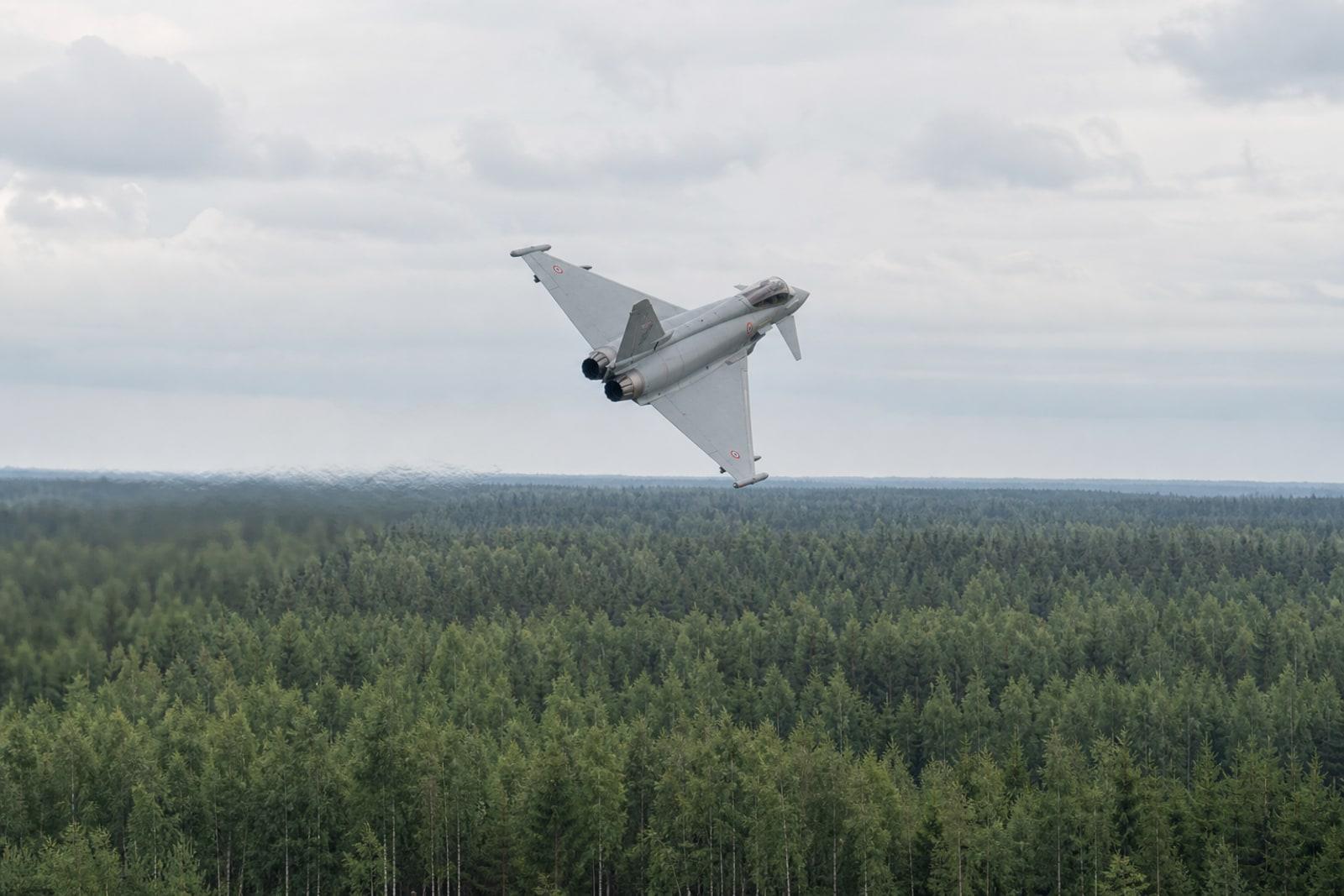
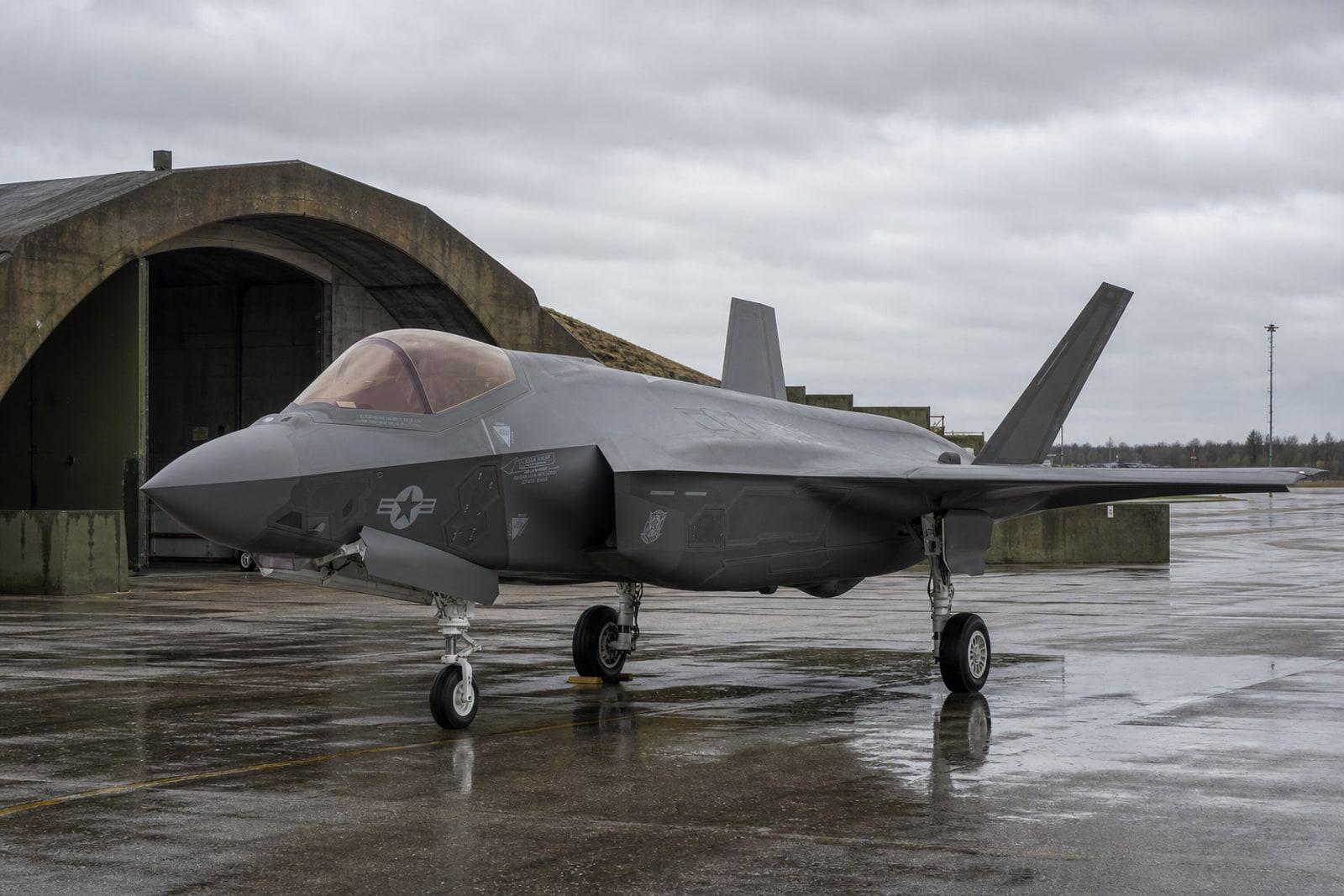
The move follows a Financial Times report in June that Washington had signalled openness to widening the group of European states linked to its nuclear deterrent. Poland and the three Baltic states were said to be interested in hosting bases for US dual-capable aircraft — jets able to carry either conventional or nuclear payloads. Lithuania has no such aircraft of its own, so analysts expect any contribution to lie in basing, airspace management and support functions rather than delivering weapons.
Defence Minister Robertas Kaunas, in office since November 2025, confirmed talks were under way but declined to elaborate.
"Discussions are indeed taking place. I do not want to go into details at this point because they are classified, but discussions are ongoing and Lithuania is certainly not standing on the sidelines," he told reporters, in remarks reported by LRT and the Associated Press.
Poland's deputy defence minister, Paweł Zalewski, was similarly forthcoming about Warsaw's ambitions. "We are talking, in order to create better conditions for nuclear deterrence and for Poland to play an important role in that," he said, according to the Associated Press.
The alliance and German backdrop
Six NATO members currently host US nuclear weapons — Belgium, Germany, Italy, the Netherlands, Turkey and Britain — with Washington retaining custody and control of the warheads. Any expansion eastward would be a marked departure, and the United States has previously been wary that basing weapons closer to Russia could prove too provocative.
Lithuania's push does not come in isolation. Germany's 45th Armoured Brigade is being permanently stationed in the country — the first German brigade based abroad since World War II. Activated in April 2025 and inaugurated with a parade on Vilnius's Cathedral Square in May, it is being built up toward roughly 4,800 troops, with full operational capability expected in 2027, according to the Bundeswehr and reporting by CNN. The deployment underscores how far NATO has already shifted heavy forces toward a state hemmed in by Russia's Kaliningrad exclave and Belarus.
Moscow's likely response
Russia treats nuclear deployments near its borders as a red line and could answer with countermeasures of its own, such as reinforcing its nuclear-capable arsenals in Kaliningrad or Belarus. When Finland formally ended its own nuclear-weapons ban on 2 July, Aleksey Zhuravlyov, first deputy chair of the Russian State Duma's defence committee, warned that Helsinki risked becoming "a second Ukraine." Similar rhetoric is expected should Lithuania's amendment advance.
For now, officials stress that nothing is imminent. The Financial Times report indicated any change to hosting arrangements would not happen in the short term, and Poland has denied concrete plans to actually store warheads.
Europe's umbrella — and the view from Luxembourg
Lithuania's initiative feeds a wider argument about how Europe secures itself against Russia as questions linger over the durability of the American guarantee. In March, French President Emmanuel Macron used a speech at France's submarine base in Brittany to float a doctrine of "forward deterrence," including forward-deployed nuclear-capable Rafale jets and joint exercises, and offered dialogue on France's deterrent to European partners. Tellingly, the Baltic states were not among the countries named as already in discussion — Belgium, Britain, Denmark, Germany, Greece, the Netherlands, Poland and Sweden — a gap that helps explain why Vilnius is pursuing the American track so openly.
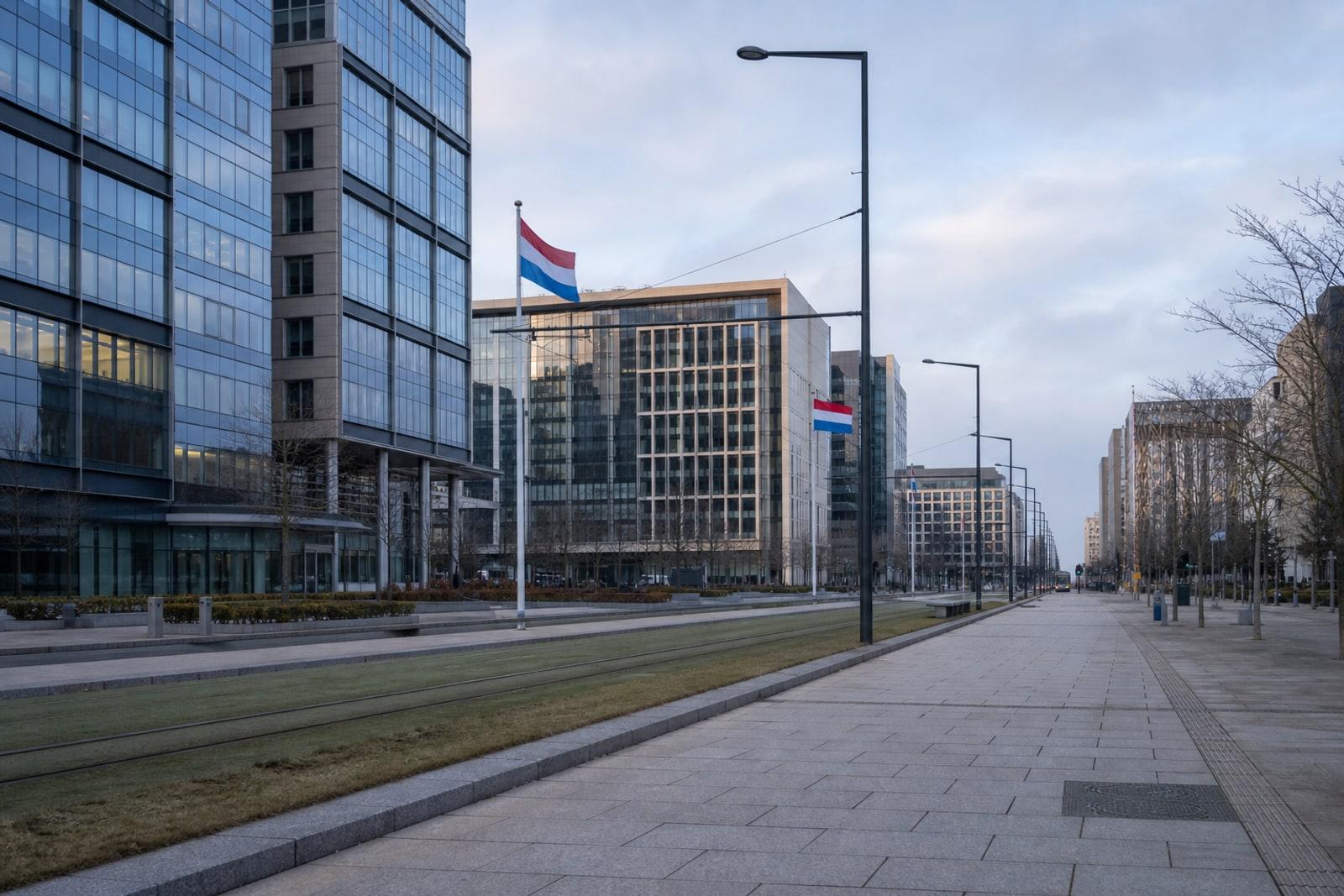
The debate reaches smaller capitals too. Luxembourg, a founding NATO and EU member, holds no nuclear weapons but shelters under the alliance's nuclear umbrella. It boycotted the 2017 negotiations on the Treaty on the Prohibition of Nuclear Weapons and has repeatedly voted against UN resolutions backing it, aligning with NATO's deterrence policy, according to the Nuclear Weapons Ban Monitor. As allies commit to spending 5% of GDP on defence and security by 2035, a decision by a frontline state to invite the alliance's most sensitive capabilities onto its territory sharpens choices that every member — even the smallest — will have to weigh.
Frequently asked
- Does Lithuania want its own nuclear weapons?
- No. The proposed removal of Article 137 would allow US or NATO nuclear-related infrastructure and participation in nuclear sharing, not a Lithuanian nuclear arsenal. Washington retains control of any warheads under NATO arrangements.
- How would the constitution actually be changed?
- The Seimas must pass the amendment twice, at least three months apart, with a two-thirds majority — at least 94 of 141 deputies. President Nausėda favours a parliamentary vote, while the opposition Nemunas Dawn party wants a referendum.
- How might Russia react?
- Moscow regards nuclear deployments near its borders as provocative and could respond by reinforcing nuclear-capable forces in Kaliningrad or Belarus. A senior Russian lawmaker warned that Finland, which lifted its own ban on 2 July, risked becoming 'a second Ukraine.'
- Why does this matter for Luxembourg?
- Luxembourg is a non-nuclear NATO member that relies on the alliance's nuclear umbrella and has declined to join the nuclear-ban treaty. A frontline state inviting the alliance's most sensitive capabilities sharpens security choices facing every member, including the smallest.
Sources(12)
- 1Poland and Lithuania explore playing bigger role in NATO's nuclear deterrencePBS NewsHour / Associated Press · pbs.org
- 2Lithuanian leaders back removing constitutional ban on nuclear weapons, president saysLRT (Lithuanian National Radio and Television) · lrt.lt
- 3Lithuania involved in discussions on possible US nuclear deployment in EuropeLRT (Lithuanian National Radio and Television) · lrt.lt
- 4Russia's neighbor Lithuania scraps constitutional ban on nuclear weapons. Here's whyCNBC · cnbc.com
- 5Lithuania moves to lift nuclear weapons ban, following Finland's leadEuronews · euronews.com
- 6Poland and Lithuania confirm exploring a bigger role in nuclear deterrenceThe Hill / Associated Press · thehill.com
- 7Under my parapluie: Macron's nuclear guarantee for EuropeEuropean Council on Foreign Relations (ECFR) · ecfr.eu
- 8What Macron's changes to French nuclear policy mean for European securityAtlantic Council · atlanticcouncil.org
- 945th Panzer Brigade (Bundeswehr)Wikipedia · en.wikipedia.org
- 10Germany deploys permanent troops to Lithuania, a move not seen since World War IICNN · cnn.com
- 11Luxembourg — Nuclear Weapons Ban MonitorNorwegian People's Aid / Nuclear Weapons Ban Monitor · banmonitor.org
- 12Robertas Kaunas new Minister of Defense in LithuaniaTable.Briefings · table.media
Related by topic