Press freedom
NATO Shut Critical Turkish Media Out of Ankara Summit, Drawing Press-Freedom Rebuke
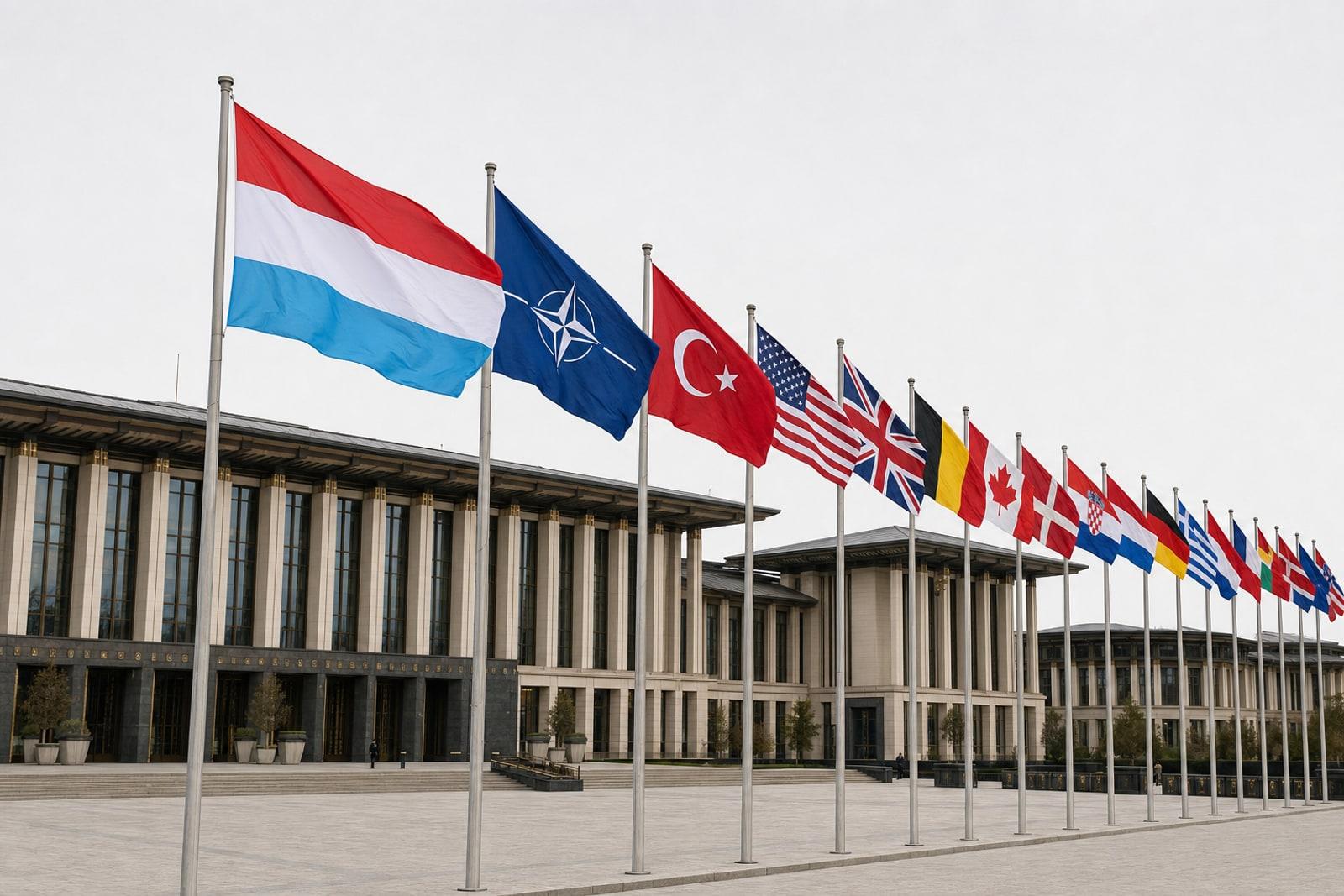
Dozens of reporters from Turkey's independent and opposition outlets were denied accreditation to NATO's 7–8 July summit, with the alliance pointing to host-government vetting.
By Camille Reuter · · 4 min read
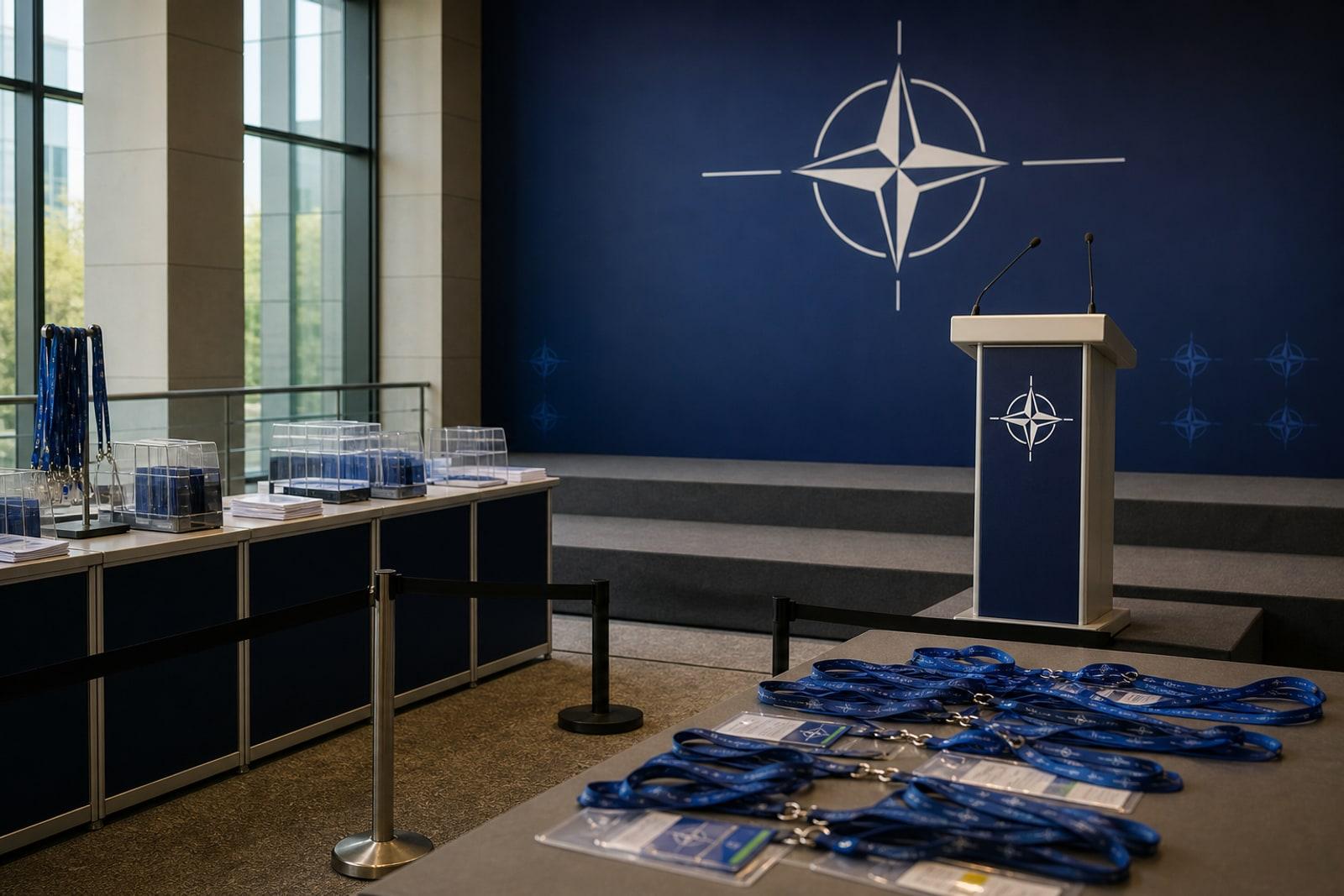
NATO refused summit press accreditation to dozens of reporters from Turkey's independent and opposition news outlets before alliance leaders gathered in Ankara on 7–8 July, prompting an unusually broad rebuke from press-freedom groups who accuse the alliance of outsourcing its media vetting to a government with a long record of punishing critical journalists.
The denials, first reported by the affected newsrooms and confirmed by international monitors, struck at some of Turkey's best-known critical titles. According to the Associated Press and Turkish press-freedom organisations, rejection notices arrived without explanation, stated that the reasons "could not be discussed and were final," and offered no route of appeal.
Which newsrooms were shut out
Journalists from a range of independent and opposition outlets said their applications were refused. Those reported denied include:
- The dailies Cumhuriyet, Sözcü, BirGün and Evrensel
- Broadcasters and digital outlets Halk TV, İlke TV, Nefes and Medyascope
- The ANKA news agency and the online outlet T24
The Turkish outlet Bianet reported that veteran journalists including Deniz Zeyrek, Murat Yetkin and Duygu Güvenç were among those turned away, despite extensive records of covering previous NATO summits. The Associated Press noted that the exclusions were not limited to opposition media: a reporter from the pro-government daily Yeni Şafak was also refused. Press-freedom bodies put the number of affected journalists in the dozens, across at least ten outlets.
NATO points to the host nation
Confronted with the complaints, NATO placed responsibility with Turkey. Alliance spokesperson Allison Hart said NATO maintains established accreditation procedures but, for events held away from its Brussels headquarters, defers to the host government to screen local reporters.
"NATO has long-standing media accreditation procedures for major events," Hart said. "For summits and ministerial meetings held outside NATO Headquarters, NATO relies on the host nation to provide assessments on journalists from their country to ensure access to the meeting site." She added that the alliance was "in contact with Turkish authorities" and that it was "very important for NATO that media can attend major events in person."
The vetting was carried out by Turkey's Directorate of Communications, a body that operates under President Recep Tayyip Erdoğan's office and that press-freedom groups have for years accused of wielding accreditation as a tool to sideline critical coverage. Turkish journalists' organisations argued that by adopting those assessments wholesale, NATO had imported a domestic system of media control into a summit staged in the name of democratic values.
With this decision, NATO has also violated the principles of 'democracy, individual freedom and the rule of law' emphasised in its founding treaty.
That verdict came from the Turkish Journalists' Association, which called the scale of the refusals "worrying in terms of press freedom."
A crackdown around the summit
The accreditation dispute unfolded amid a wider tightening of conditions for the press. The International Federation of Journalists reported that on 5 July — days before leaders arrived — three journalists were detained in police raids and held without access to their lawyers for 24 hours: Buse Söğütlü of T24, Ceren Erdoğdu of OdaTV and Abbas Vural, a contributor to Bianet. Weeks earlier, Kaos GL editor-in-chief Yıldız Tar had been detained and then jailed on a charge of "membership of a terrorist organisation."
On the same day as the detentions, Turkey's broadcasting regulator, the Radio and Television Supreme Council, issued a notice warning that coverage of the summit should align with a "national security perspective" — a message media groups read as pressure to fall into line. Reporters Without Borders' Turkey representative, Erol Önderoğlu, said the alliance's approach was hard to fathom given how many Turkish journalists it left outside the gates.
Access and the alliance's stated values
The pushback was coordinated and international. A joint letter organised by the Vienna-based International Press Institute and signed by 17 organisations — among them ARTICLE 19 Europe, the Committee to Protect Journalists, the European Federation of Journalists, Human Rights Watch, the International Federation of Journalists, PEN Norway, Reporters Without Borders and the Journalists' Union of Turkey — urged NATO to reverse the denials and to build a transparent appeals mechanism into future accreditation.
For the signatories, the episode raised a structural problem rather than a one-off dispute: NATO's practice of delegating press vetting to host governments means that when a summit lands in a country with a poor media-freedom record, the alliance's own openness bends to local restrictions. That tension is pointed for a bloc of 32 democracies — Luxembourg among the founding members — whose treaty invokes liberty and the rule of law. Whether the exclusions were quietly eased once leaders departed, or hardened into precedent for the next host, is the question press-freedom groups say NATO now has to answer.
Frequently asked
- Which journalists were denied accreditation to the NATO summit in Ankara?
- Dozens of reporters from Turkish independent and opposition outlets were refused, including staff from Cumhuriyet, Sözcü, BirGün, Evrensel, Halk TV, İlke TV, Nefes, Medyascope, the ANKA agency and T24. The Associated Press reported that even a reporter from the pro-government daily Yeni Şafak was turned away.
- What reason did NATO give for the denials?
- NATO gave no case-by-case reason. Spokesperson Allison Hart said that for summits held outside NATO's Brussels headquarters, the alliance relies on the host nation — here Turkey's Directorate of Communications — to assess and approve local journalists for site access.
- How did press-freedom groups respond?
- Seventeen organisations, coordinated by the International Press Institute and including Reporters Without Borders, the Committee to Protect Journalists and the International and European Federations of Journalists, signed a joint letter urging NATO to reconsider the denials and set up a transparent appeals process. The Turkish Journalists' Association said the move violated NATO's own founding-treaty principles.
Sources(8)
- 1Turkey: IPI and partners urge NATO to reconsider denial of independent media accreditationInternational Press Institute (IPI) · ipi.media
- 2Türkiye: Accreditation process excludes independent local journalists from NATO summitInternational Federation of Journalists (IFJ) · ifj.org
- 3Türkiye: Crackdown on press freedom intensifies ahead of NATO summitInternational Federation of Journalists (IFJ) · ifj.org
- 4Dozens of Turkish journalists denied accreditation for NATO summit in Ankara, media saysAssociated Press (via KELO) · kelo.com
- 5Turkish Journalism Groups Say Independent Outlets Denied Accreditation for a NATO Summit in AnkaraAssociated Press (via U.S. News & World Report) · usnews.com
- 6NATO denies accreditation to non-pro-government media ahead of Ankara summitBianet · bianet.org
- 7Turkey: EFJ and partners express urgent concern to NATO over press accreditation denialEuropean Federation of Journalists (EFJ) · europeanjournalists.org
- 8NATO says host country assesses local journalists amid Ankara summit accreditation rowTurkish Minute · turkishminute.com
Related by topic