Digital regulation
Brussels moves against 'addictive' design of Instagram and Facebook
The European Commission says Meta's infinite scroll, autoplay and notifications breach EU digital rules, and wants the apps rebuilt or fined up to 6% of global revenue.
By Marc Weber · · 4 min read
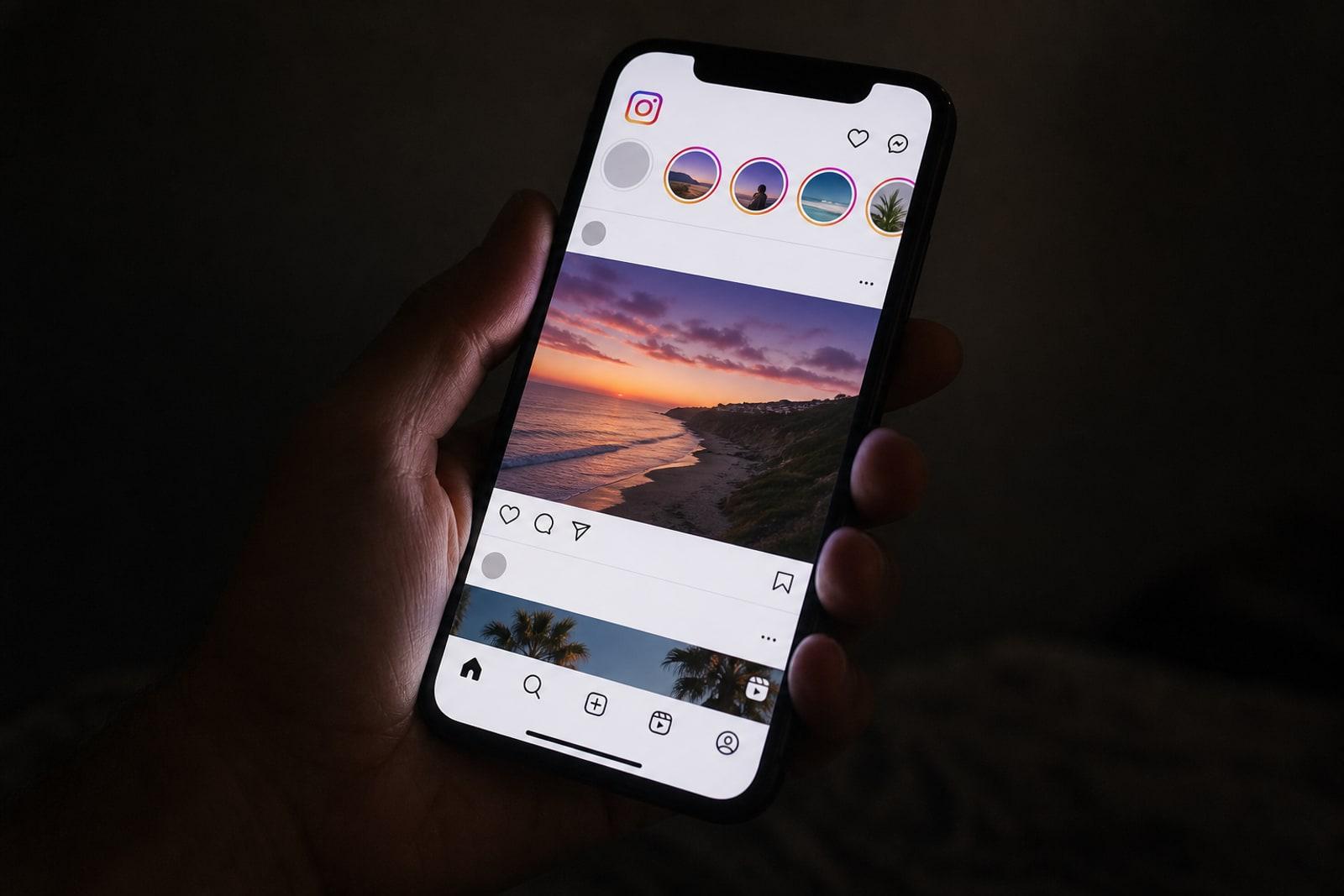
The European Commission has told Meta that the design of Instagram and Facebook — the infinite feeds, the autoplaying videos, the steady drip of notifications — breaks European law, opening one of the most consequential fronts yet in Brussels' effort to regulate how Big Tech products are built.
In preliminary findings published on 10 July, the Commission said the two platforms' "addictive" design breaches the Digital Services Act (DSA), the bloc's flagship rulebook for online platforms. Regulators concluded that Meta "did not adequately assess the risks of their addictive design on the physical and mental wellbeing of users, including minors and vulnerable adults." The verdict caps an investigation the Commission opened in May 2024, and it lands on every one of the platforms' users across the European Union, Luxembourg included.
What Brussels is targeting
The Commission's case focuses on the specific interface mechanics that keep people scrolling. Chief among them:
- Infinite scroll — feeds with no natural stopping point;
- Autoplay — video that starts on its own and rolls into the next clip;
- Push notifications that pull users back into the apps;
- Highly personalised recommender systems that decide what appears next, together with engagement-optimised formats such as Reels and Stories.
These features, the Commission argued, "fuel the user's urge to keep scrolling and shift the brain into autopilot mode, contributing to unhealthy habits and compulsive use." Regulators were especially pointed on children, saying Meta disregarded available data on how long minors spend on the apps at night and how its formats can drive excessive or compulsive use.
Protecting the physical and mental health of Europeans must be a priority for social media platforms. The Digital Services Act provides a clear framework to hold platforms accountable for the addictive design and effects of their services.
That was Henna Virkkunen, the Commission's Executive Vice-President for Tech Sovereignty, Security and Democracy, framing the intervention as a health matter rather than a narrow compliance dispute.
The legal basis
Both Facebook and Instagram are designated Very Large Online Platforms under the DSA, a status that applies to services with more than 45 million monthly active users in the EU. That designation carries heavier obligations: such platforms must identify, analyse and mitigate the "systemic risks" their services create, including risks to users' physical and mental wellbeing and to the rights of children. The Commission's preliminary view is that Meta failed to do that adequately for its most engagement-driven features.
To fix it, regulators want structural changes rather than cosmetic tweaks. The Commission has called on Meta to disable autoplay and infinite scroll by default, introduce effective screen-time breaks, and retune its recommendation systems so they are less focused on maximising engagement. It is, in effect, an instruction to redesign the core experience of two of the world's most-used apps.
Legal analysts see the move as a landmark. It is widely described as the first DSA case to treat platform design itself — the way an interface is built to hold attention — as the source of a breach, rather than a failure over data handling or competition. If it holds, it establishes a template that could reshape how feeds, video players and notification systems are engineered across the bloc.
What happens next — and the penalties
Friday's findings are preliminary and non-binding. Meta can now examine the Commission's file and respond in writing before regulators reach a final decision, which is expected within months. Only then would any sanction follow.
The stakes are large. A confirmed breach of the DSA can draw a fine of up to 6% of a company's worldwide annual turnover — roughly $12 billion, or about €11 billion, measured against Meta's 2025 revenue of just under $201 billion. The Commission can also impose periodic penalty payments to force compliance if the company drags its feet.
Meta rejects the conclusion. A company spokesperson said the findings misjudge its record on younger users:
"We disagree with these preliminary findings, which don't accurately take into account the significant steps we've taken to protect teens." The company points to its Teen Accounts, rolled out since the investigation began, which it says place under-18s into more protective settings by default, including limits on night-time access and tools to cap daily use. EU regulators counter that such time-management features can be easily ignored and do little to reduce overall usage.
Why it matters beyond Meta
The case is a test of whether Europe can regulate not just what platforms host, but how they are engineered to capture attention. For the roughly 450 million people in the EU — and for the wider group of platforms watching the outcome — a final decision against Meta would signal that engagement-maximising design is now a compliance question, not merely a product choice. For users in Luxembourg and across the single market, the practical effect could be apps that, by default, are built to be a little easier to put down.
Frequently asked
- What did the European Commission decide about Instagram and Facebook?
- On 10 July 2026 the Commission issued preliminary findings that the 'addictive' design of the two Meta platforms breaches the Digital Services Act, saying Meta failed to adequately assess risks to users' wellbeing, including minors.
- Which features are regulators targeting?
- Infinite scroll, autoplay, push notifications and highly personalised recommender systems, along with engagement-optimised formats such as Reels and Stories.
- What penalties could Meta face?
- If the breach is confirmed, fines of up to 6% of Meta's worldwide annual turnover — roughly $12 billion — plus possible periodic penalty payments. The findings are preliminary and Meta can respond first.
- How does this affect users in Luxembourg?
- The DSA applies EU-wide, so any required design changes to Instagram and Facebook would reach users in Luxembourg and across the single market.
Sources(7)
- 1Commission preliminarily finds the addictive design of Instagram and Facebook in breach of the Digital Services ActEuropean Commission · ec.europa.eu
- 2Meta found to breach EU laws with 'addictive' Instagram, Facebook designsCNBC · cnbc.com
- 3Facebook and Instagram's 'addictive design' may violate European law, EU Commission findsCNN Business · cnn.com
- 4EU demands Facebook and Instagram dismantle 'addictive' design featuresEuronews · euronews.com
- 5EU puts 'addictive' design of Facebook, Instagram under the DSA microscopeThe Register · theregister.com
- 6EU says 'addictive' features on Instagram and Facebook breach its rulesAl Jazeera · aljazeera.com
- 7DSA: Very large online platforms and search enginesEuropean Commission — Shaping Europe's digital future · digital-strategy.ec.europa.eu
Related by topic