Peru
Keiko Fujimori narrowly wins Peru runoff as Sánchez refuses to concede
Peru's electoral authority gives Keiko Fujimori a 50.1%–49.9% lead, about 42,000 votes, completing a comeback after three defeats, as her leftist rival alleges fraud and judges weigh a proclamation.
By Léa Hoffmann · · 4 min read
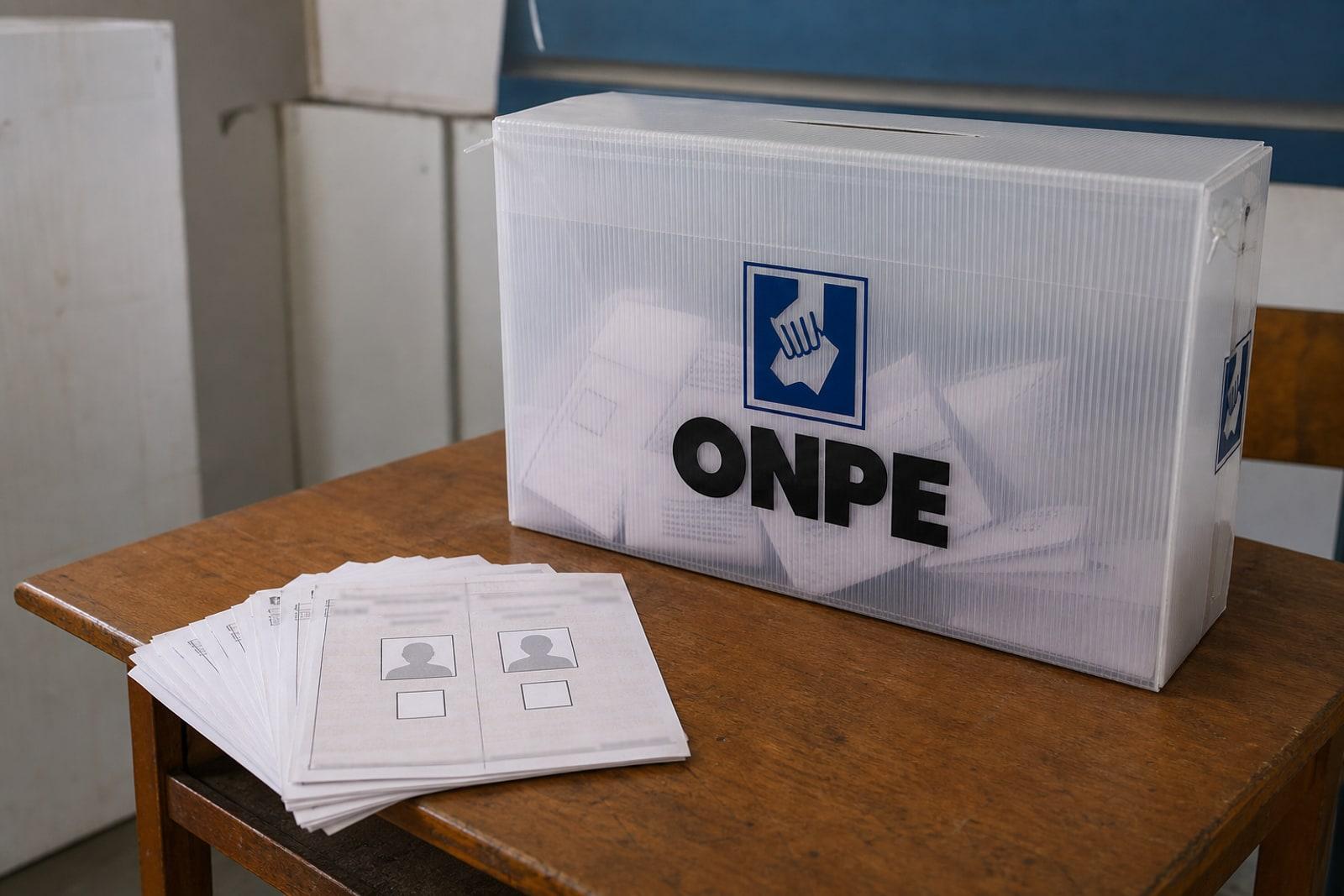
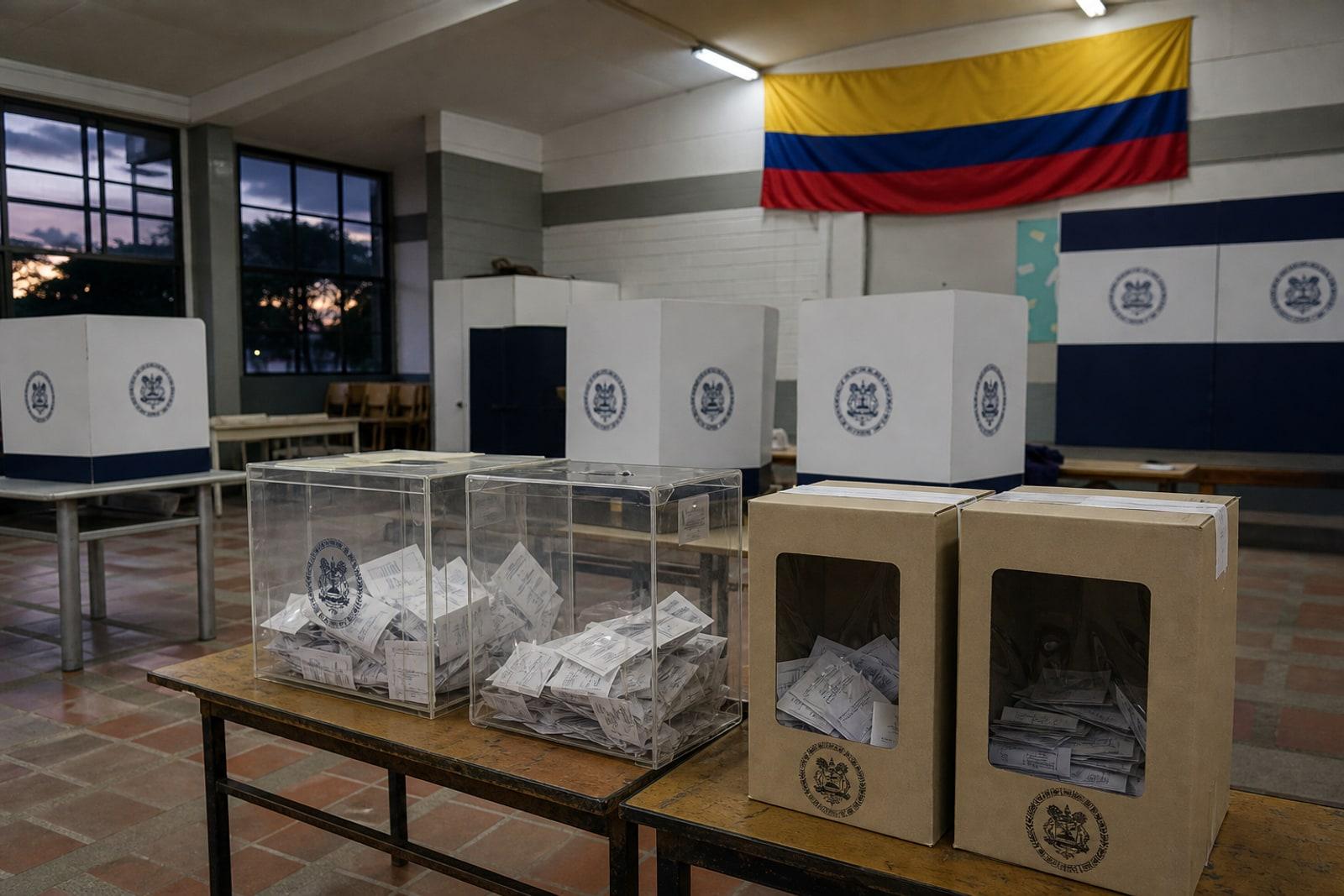
Lima — Keiko Fujimori, the most polarising figure in a generation of Peruvian politics, has edged the closest presidential runoff in the country's modern history, putting the daughter of the late former president Alberto Fujimori on course for the office that eluded her three times before. With nearly all ballots counted, Peru's National Office of Electoral Processes (ONPE) gave her 50.1 percent against 49.9 percent for the left-wing congressman Roberto Sánchez — a margin of roughly 42,000 votes out of more than 18 million cast.
The result, from the 7 June runoff, caps a comeback few thought possible after Fujimori's defeats in 2011, 2016 and 2021. Yet it has arrived without the finality a winner would want. Sánchez has refused to concede, alleging fraud in the overseas ballots that proved decisive, and Peru's National Jury of Elections (JNE) had still not formally proclaimed a president-elect more than two weeks after polls closed.
A 0.24-point margin, and a country split in two
According to ONPE's count, Fujimori, who leads the right-wing Popular Force party, took 9,206,241 votes to Sánchez's 9,164,171 — a gap of 42,070 ballots, or 0.24 of a percentage point. With 99.7 percent counted by 23 June, the lead had settled at around 40,000 votes, a figure analysts have called one of the narrowest in recent Latin American history.
The arithmetic mirrors a fractured electorate. Fujimori, who topped the first round on 12 April with 17.2 percent, drew her strength from affluent urban districts and from Peruvians voting abroad, where the diaspora tally broke heavily in her favour. Sánchez, of the Together for Peru bloc, built his base in poorer, rural regions, and the count tightened in the final days as ballots from those areas came in. Turnout in the runoff was 71.9 percent.
No party emerged with command of the new, two-chamber Congress — Peru's first bicameral legislature since the Senate was restored. Provisional results gave Popular Force the largest single share in both houses without a majority:
- Chamber of Deputies (130 seats): Popular Force 41, Together for Peru 32, Party of Good Government 18, Popular Renewal 15, with the remainder split among smaller groups.
- Senate (60 seats): Popular Force 22, Together for Peru 14, Popular Renewal 8, Party of Good Government 7.
A result her rival will not accept
Sánchez, who before the vote had pledged on local radio to "respect the results," reversed course as the count narrowed against him. He alleges that the electoral authorities' decision to drop a requirement that overseas polling stations scan and digitise their tally sheets opened the door to manipulation, and has asked the JNE to annul the results from 119 consular offices. In a social-media statement on 23 June he went further than a legal challenge.
We will not recognise that government and will declare a state of political and social struggle.
Fujimori has dismissed the campaign against the result as theatre. "I believe this is a desperate political act," she told local media. She is not the only loser crying foul: Rafael López Aliaga, the hard-right Lima mayor eliminated in third place in the first round, spread fraud claims, called for an "insurgency," and now faces criminal charges for incitement to civil disorder. Electoral judges have so far let the process stand, having ruled in April that the first round would not be annulled.
What a Fujimori presidency would mean
A Fujimori win would consolidate the right's grip on one of South America's most resource-rich economies and extend a broader regional tilt away from the left. Her platform pairs a tough-on-crime agenda — consciously echoing her father's 1990s campaign against insurgency — with a defence of the market-oriented model that has underpinned Peru's macroeconomic stability through years of political chaos that has churned through a string of presidents.
Whether she can govern is a separate question from whether she can win. Analysts at the Atlantic Council's Latin America Center argue that her bloc's seat count offers protection but not a free hand.
"Fujimori's party holds enough Senate and Congress seats to avoid impeachment, but effective governing will require compromises," said Martin Cassinelli, an assistant director at the center. His colleague Jason Marczak said she "would bring a pro-business approach to an economy that has long been lauded for its macroeconomic stability despite constant political upheaval," and would be a willing partner for Washington's crackdown on criminal organisations across the hemisphere. On the rivalry between the United States and China — Peru is a major exporter of copper, silver and molybdenum — colleagues at the center expect her to stay pragmatic and avoid taking sides.
The presidency would also close a dynastic loop. Fujimori entered public life as Peru's first lady at 19, during the rule of her father, Alberto Fujimori, who governed from 1990 to 2000, was later convicted of human rights abuses, and died in September 2024 — a year and nine months after his release from prison. For critics, a Fujimori in the Palacio de Gobierno revives the authoritarian shadow of that era; for her supporters, it vindicates a candidate who has lost three times by margins as thin as this one. What it will not deliver, on the early evidence, is calm: the decisive count is in, but the contest over its legitimacy is only beginning.
Frequently asked
- Did Keiko Fujimori win Peru's 2026 election?
- Peru's electoral authority (ONPE) gave Fujimori 50.1% to Roberto Sánchez's 49.9% in the 7 June 2026 runoff, a margin of about 42,000 votes. She is on course for the presidency, but the National Jury of Elections had not formally proclaimed a winner by late June, and Sánchez contests the result.
- Why won't Roberto Sánchez accept the result?
- Sánchez alleges fraud in the overseas ballots that swung the race to Fujimori, arguing that dropping a requirement to scan and digitise consular tally sheets enabled manipulation. He has asked the JNE to annul results from 119 consular offices and says he will not recognise a Fujimori government.
- Is Keiko Fujimori the daughter of a jailed leader?
- She is the daughter of former president Alberto Fujimori, who ruled from 1990 to 2000 and was convicted of human rights abuses. He was released from prison in December 2023 and died on 11 September 2024, so he is deceased rather than imprisoned.
- What would a Fujimori presidency mean for Peru?
- Analysts expect a pro-business, tough-on-crime government that defends Peru's market model and aligns with the United States while staying pragmatic toward China. Her Popular Force party leads Congress but lacks a majority, so governing would require compromise amid deep political division.
Sources(8)
- 12026 Peruvian general electionWikipedia · en.wikipedia.org
- 2Sanchez warns he 'will not recognise' Fujimori victory in Peru electionAl Jazeera · aljazeera.com
- 3Leftist Sanchez takes slim lead in Peru's presidential run-off electionAl Jazeera · aljazeera.com
- 4A razor-thin victory, a divided nation: What awaits Peru's next president?Atlantic Council · atlanticcouncil.org
- 5Peru: Keiko Fujimori, first lady at 19, on fourth try to be presidentCNN · cnn.com
- 6Peru Has a New President, But Fujimori's Election Lie Imperils DemocracyWOLA (Washington Office on Latin America) · wola.org
- 7Alberto Fujimori, ex-president of Peru who was convicted of human rights abuses, diesNPR · npr.org
- 8Keiko Fujimori | Biography, Politics, Fuerza Popular, & Peru Election 2026Encyclopaedia Britannica · britannica.com
Related by topic