Iran
Iran opens six-day state funeral for Khamenei as his unseen successor faces first test
Millions are expected to mourn the supreme leader assassinated in February's US–Israeli strikes. His son and successor, Mojtaba Khamenei, has not appeared in public since taking power.
By Léa Hoffmann · · 5 min read
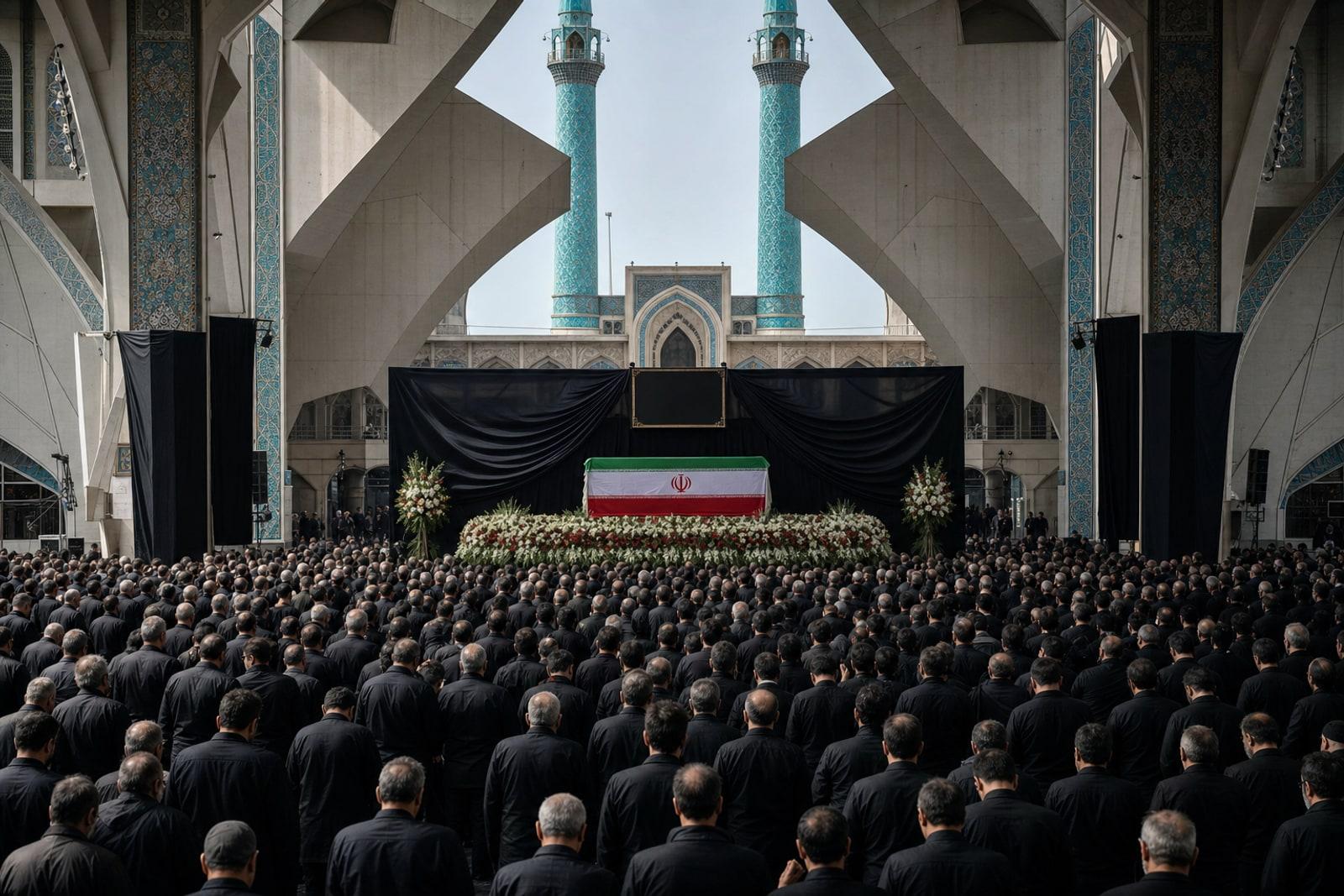
Iran on Friday opened six days of state funeral ceremonies for Ali Khamenei, the supreme leader assassinated in the opening hours of the US–Israeli air war in February, laying his flag-draped casket out at Tehran's Imam Khomeini Grand Mosalla as delegations from some 30 countries arrived to pay their respects.
The funeral is designed as a demonstration of national unity after a war that killed thousands and upended the region's balance of power. It is also the first great public test of the leadership installed after Khamenei's death: his son, Mojtaba Khamenei, chosen by the Assembly of Experts in March, who has not appeared in public since.
President Masoud Pezeshkian has urged Iranians to turn out in force, writing that Khamenei's "martyrdom is not the end of the road, but the beginning of a new chapter of unity, resilience." Official turnout estimates reported by Gulf News run to 15–20 million people across the week, with Al Jazeera reporting that more than 20 million are expected in Tehran alone — figures that, if realised, would rival the 1989 funeral of Ayatollah Ruhollah Khomeini as among the largest in modern history.
According to the programme published by Iranian state media and mapped by Al Jazeera, the ceremonies unfold in stages:
- 3 July: foreign officials and religious figures pay respects at the Grand Mosalla in Tehran;
- 4–5 July: public ceremonies as the coffin lies in state at the Mosalla;
- 6–7 July: processions through Tehran and on to the seminary city of Qom;
- 8 July: processions at the Shia shrines of Najaf and Karbala in Iraq;
- 9 July: burial at the Imam Reza shrine in Mashhad, Khamenei's birthplace.
A funeral delayed by war
Khamenei, 86, was killed on 28 February at his Tehran compound in the first wave of joint US–Israeli strikes — the campaign Washington codenamed Operation Epic Fury — alongside several family members. His death was confirmed by the Iranian government on 1 March. A burial initially planned for early March was postponed as the war raged, with officials citing the risk of attacks and the danger of managing vast crowds — a concern sharpened by the deadly stampede at Qasem Soleimani's funeral in 2020.
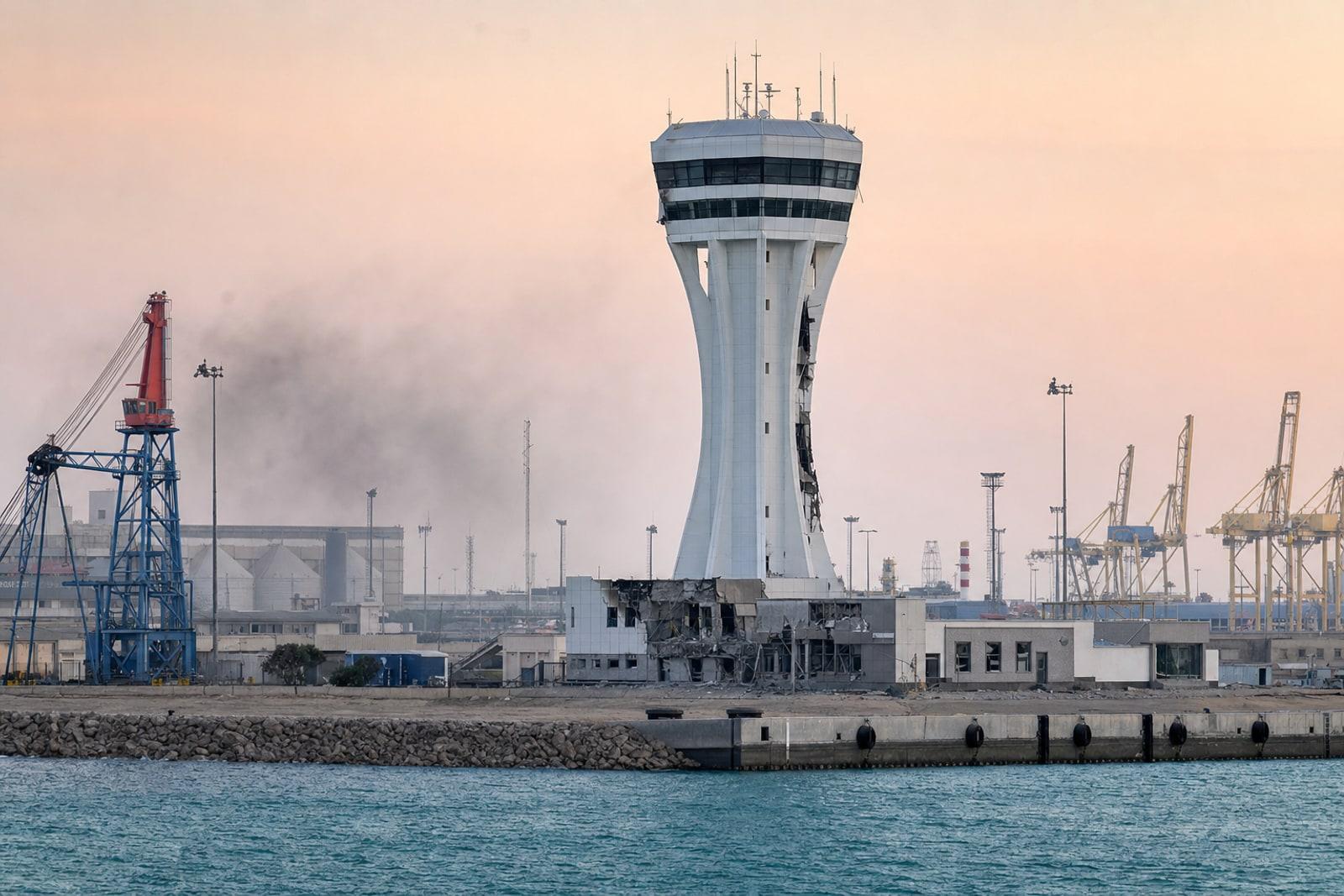
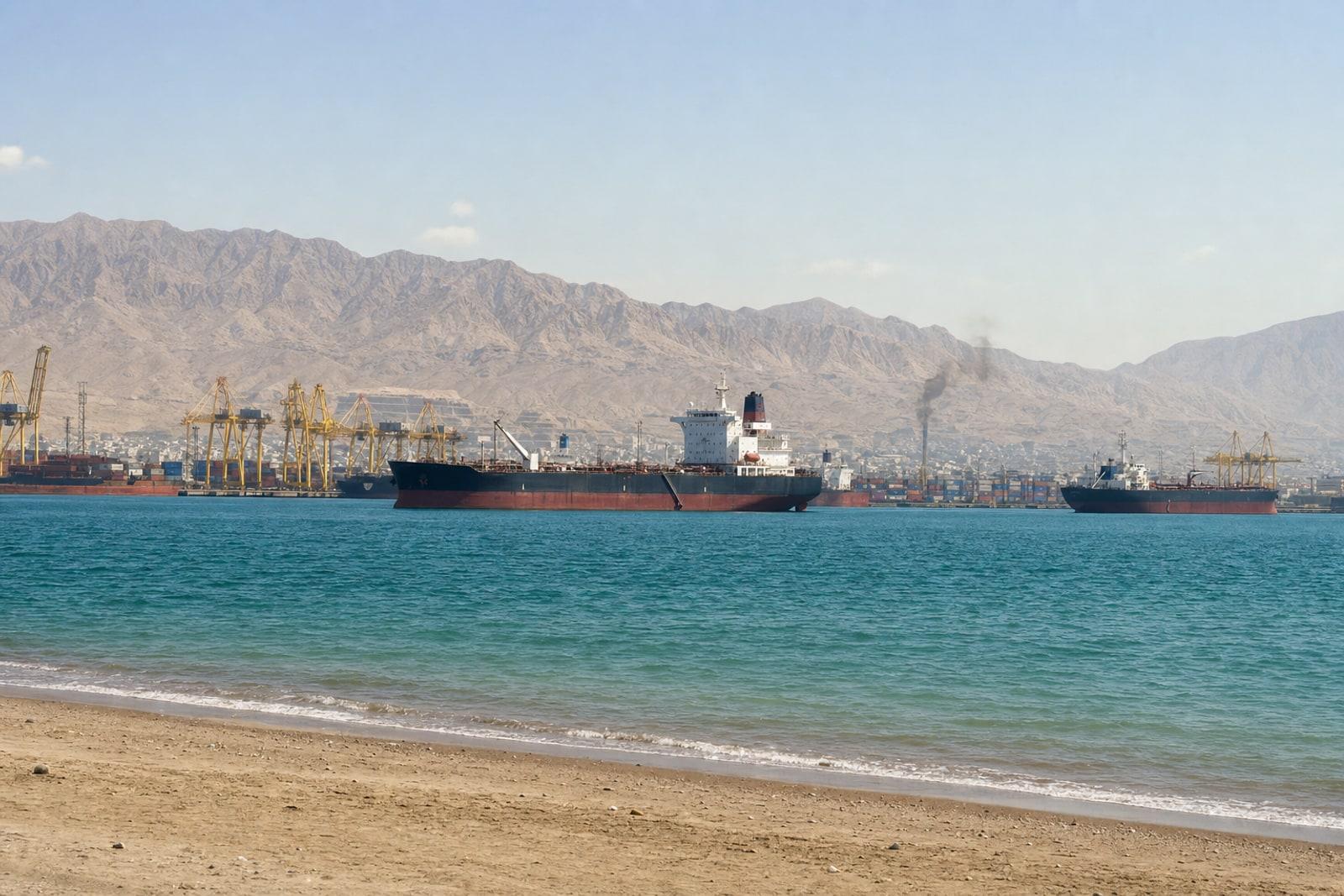
The intervening months transformed the conflict's landscape. Iran closed the Strait of Hormuz, triggering what the International Energy Agency described as the largest supply disruption in the history of the global oil market. A ceasefire brokered by Pakistan took effect on 8 April, and on 14 June Washington and Tehran announced the Islamabad Memorandum, a 14-point framework providing for the strait's reopening within 30 days, the unfreezing of some $24 billion in Iranian funds, sanctions relief and a 60-day window for nuclear talks. Iran has reported 3,468 people killed and about 26,500 injured in the war.
Parliament speaker Mohammad Bagher Ghalibaf, who is leading Iran's negotiations with the United States, cast the funeral as an act of defiance in a message carried by state media:
"We must rise and raise the cry for the nation's blood to the world so that the world knows that the honorable and noble nation of Iran does not remain silent in the face of oppression… and will not let go of the blood of its Imam."
A successor the country has not seen
The succession itself was settled within days of Khamenei's death — but under extraordinary strain. The Assembly of Experts, the 88-member clerical body that constitutionally chooses the supreme leader, met from 3 to 8 March, partly by online vote because of wartime security fears. Mojtaba Khamenei, 56, backed by the Islamic Revolutionary Guard Corps, prevailed over candidates including former president Hassan Rouhani and Hassan Khomeini, the founder's grandson. The New York Times reported he received 59 of 88 votes, even as the official announcement claimed unanimity; the late leader's own will reportedly opposed his son's elevation, and observers cited by Iran International described IRGC pressure on assembly members.
Since his appointment was announced on 9 March, the new supreme leader has made no public appearance. State media has acknowledged he was injured in airstrikes, and his absence — including, according to IranWire, from his own wife's funeral — has fed speculation about his condition and about who is actually exercising power. Israeli defence minister Israel Katz has said Mojtaba Khamenei is "marked for death," prompting foreign minister Abbas Araghchi to warn that Tehran would deliver an immediate and powerful response to any threat against its leadership. Whether the new leader appears at his father's graveside may be the week's most closely watched question.
Oil markets and Europe watch the aftermath
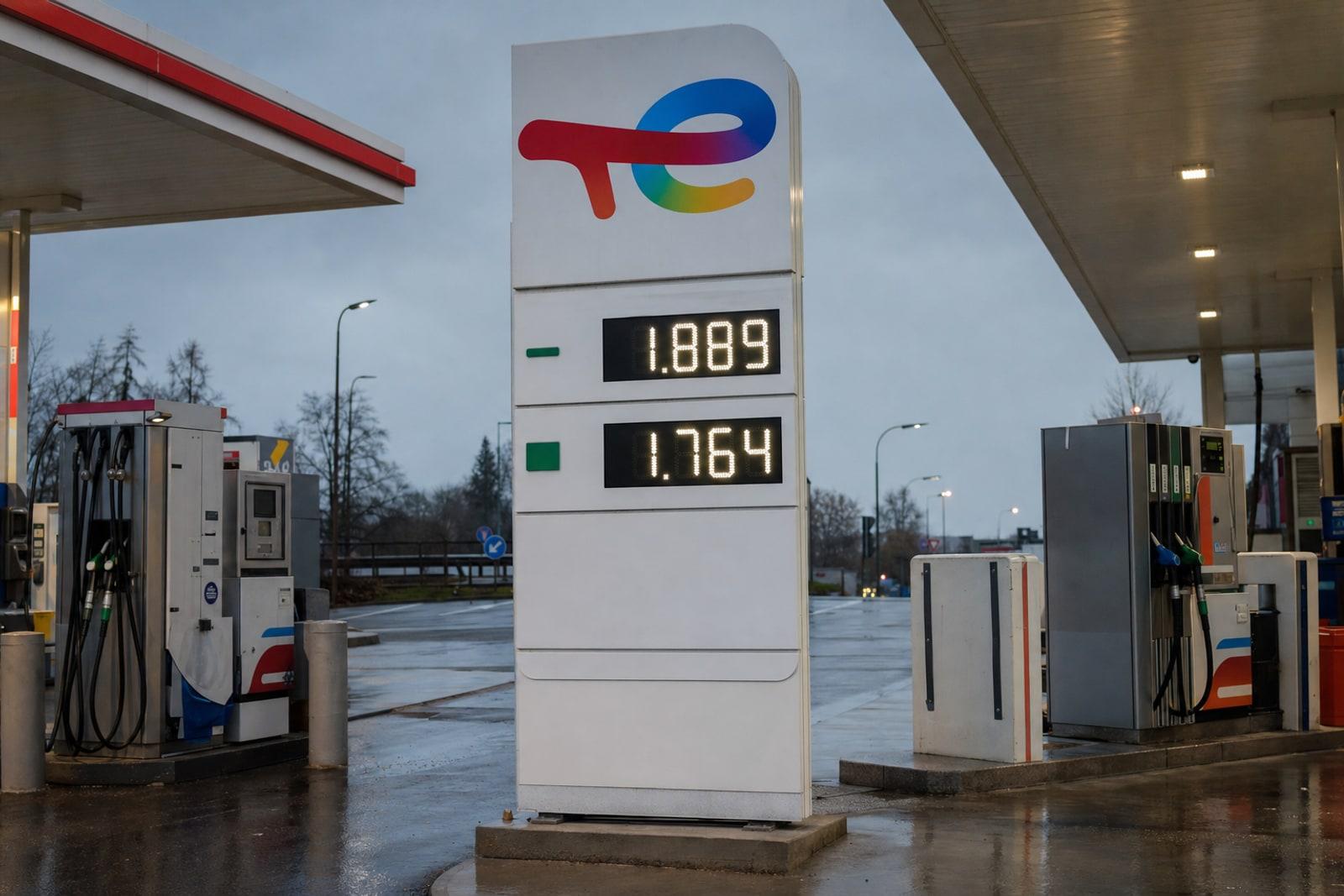
The funeral lands at a delicate diplomatic moment. Follow-on talks in Doha have been paused for the ceremonies, though Qatar says indirect US–Iran contacts have made "positive progress." Brent crude, which spiked above $120 a barrel at the height of the Hormuz crisis — US crude was still topping $100 in mid-May, according to CNBC — fell below $71 this week, its lowest since before the war, as shipping through the strait recovered past 10 million barrels a day.
For Europe, which absorbed slower growth and higher inflation from the energy shock, a durable settlement would ease one of the sharpest pressures on its economy and security planning since the war began. The symbolism of the calendar has not gone unnoticed either: the first full public day of mourning, 4 July, coincides with the United States' 250th Independence Day celebrations — a juxtaposition CNN reports Tehran intends as a message of defiance.
Iranian military officials have warned Washington and Israel against any strikes during the ceremonies. For six days, at least, the Islamic Republic wants the world's attention on the crowds in its streets — and on the claim that the system its late leader built for 37 years can outlive him.
Frequently asked
- How did Ali Khamenei die?
- Khamenei, 86, was killed on 28 February 2026 at his Tehran compound in the first wave of joint US–Israeli airstrikes, alongside several family members. Iran's government confirmed his death on 1 March.
- Why is the funeral taking place four months after his death?
- A burial initially planned for early March was postponed because of the ongoing war and security concerns, including the risk of attacks and of crowd disasters like the 2020 stampede at Qasem Soleimani's funeral. Ceremonies were rescheduled for 3–9 July, after the June peace framework.
- Who is Iran's new supreme leader?
- Mojtaba Khamenei, the late leader's son, was chosen by the Assembly of Experts in early March 2026 with IRGC backing — reportedly 59 of 88 votes. He has made no public appearance since his appointment, which state media has linked to injuries from airstrikes.
- Where will Khamenei be buried?
- At the Imam Reza shrine in Mashhad, his birthplace and Iran's holiest city, on 9 July, after processions through Tehran, Qom and the Iraqi shrine cities of Najaf and Karbala.
Sources(17)
- 1Mapping Iran's Ali Khamenei funeral: Where mourners will gather each dayAl Jazeera · aljazeera.com
- 2Iran war live: Tehran slams US before huge funeral for Ali KhameneiAl Jazeera · aljazeera.com
- 3Iran sends defiant message to Trump with colossal funeral for slain Supreme Leader Ali KhameneiCNN · cnn.com
- 4Live updates: Khamenei's casket on display as Iran prepares for days of huge funeral processionsCNN · cnn.com
- 5Iran set to bury Supreme Leader Khamenei after days of funeral ceremoniesThe Hill · thehill.com
- 6Pakistani Prime Minister Shehbaz Sharif, other world leaders to attend Khamenei's funeralThe Jerusalem Post · jpost.com
- 7Iran Prepares Mass Funeral for Slain Supreme Leader Khamenei Amid US-Israel War and Gulf Security TensionsGulf News · gulfnews.com
- 8State funeral of Ali KhameneiWikipedia · en.wikipedia.org
- 92026 Iranian Supreme Leader electionWikipedia · en.wikipedia.org
- 102026 Iran warWikipedia · en.wikipedia.org
- 11After Khamenei's death, Iran faces uncertain path to new supreme leaderThe Washington Post · washingtonpost.com
- 12Who Will Be Iran's Next Supreme Leader?Carnegie Endowment for International Peace · carnegieendowment.org
- 13After Khamenei killed, Iran set for largely opaque supreme successionThe Times of Israel · timesofisrael.com
- 14Here's how much the Iran war cost — and how its effects will lingerNPR · npr.org
- 15Brent rises after U.S.-Iran peace talks in Geneva are abruptly postponedCNBC · cnbc.com
- 16U.S. crude oil tops $100 again as hope fades for a U.S.-Iran peace dealCNBC · cnbc.com
- 172026 Iran war | Deal, Explained, United States, Israel, Strait of HormuzEncyclopaedia Britannica · britannica.com
Related by topic