Energy shock
Oil above $100 puts Luxembourg’s inflation defences back under strain
Brent’s renewed surge is reaching Luxembourg’s fuel bills while forcing the government and ECB to balance inflation protection against fiscal and borrowing costs.
By Jonas Thill · · 5 min read
Oil has climbed back above $100 a barrel, reopening an inflation threat that Luxembourg had already spent much of 2026 trying to contain.
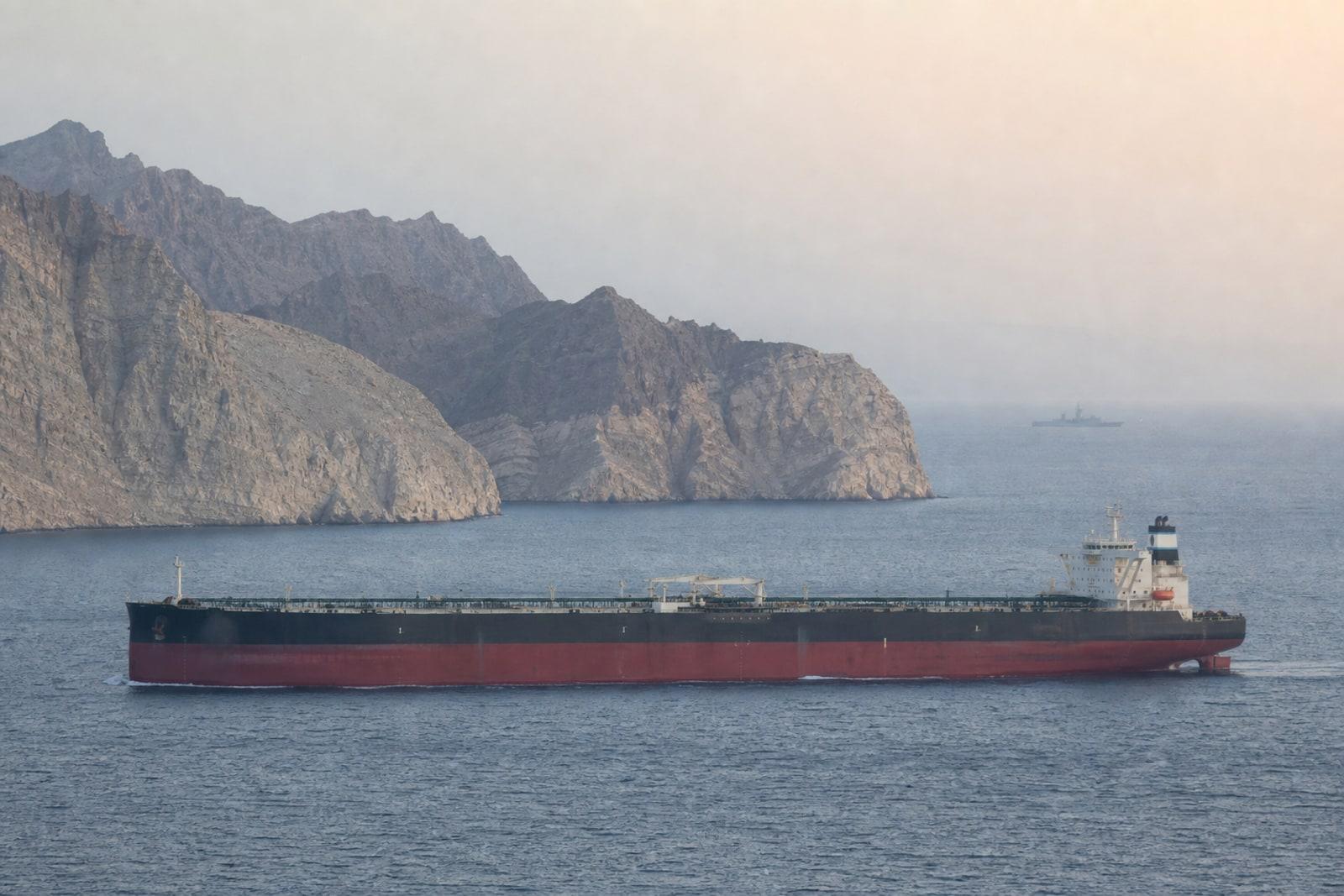
Brent crude, the international benchmark, settled at $100.69 on Thursday, up 7% and at its highest close since 22 May. It touched $102 during the session. The rise followed attacks on two Saudi oil tankers in the Red Sea and came after renewed fighting had again reduced traffic through the Strait of Hormuz, the Gulf outlet used in normal times for roughly one-fifth of the world’s oil supply.
For Luxembourg, the danger is less an immediate shortage than a renewed wave of imported costs. The country buys all its fossil fuels from abroad, transport accounts for more than half of final energy consumption, and much of its housing stock still uses gas or heating oil. Higher crude prices therefore move quickly into road fuel and, with a lag, into freight, aviation, food, goods and services.
Two chokepoints under pressure
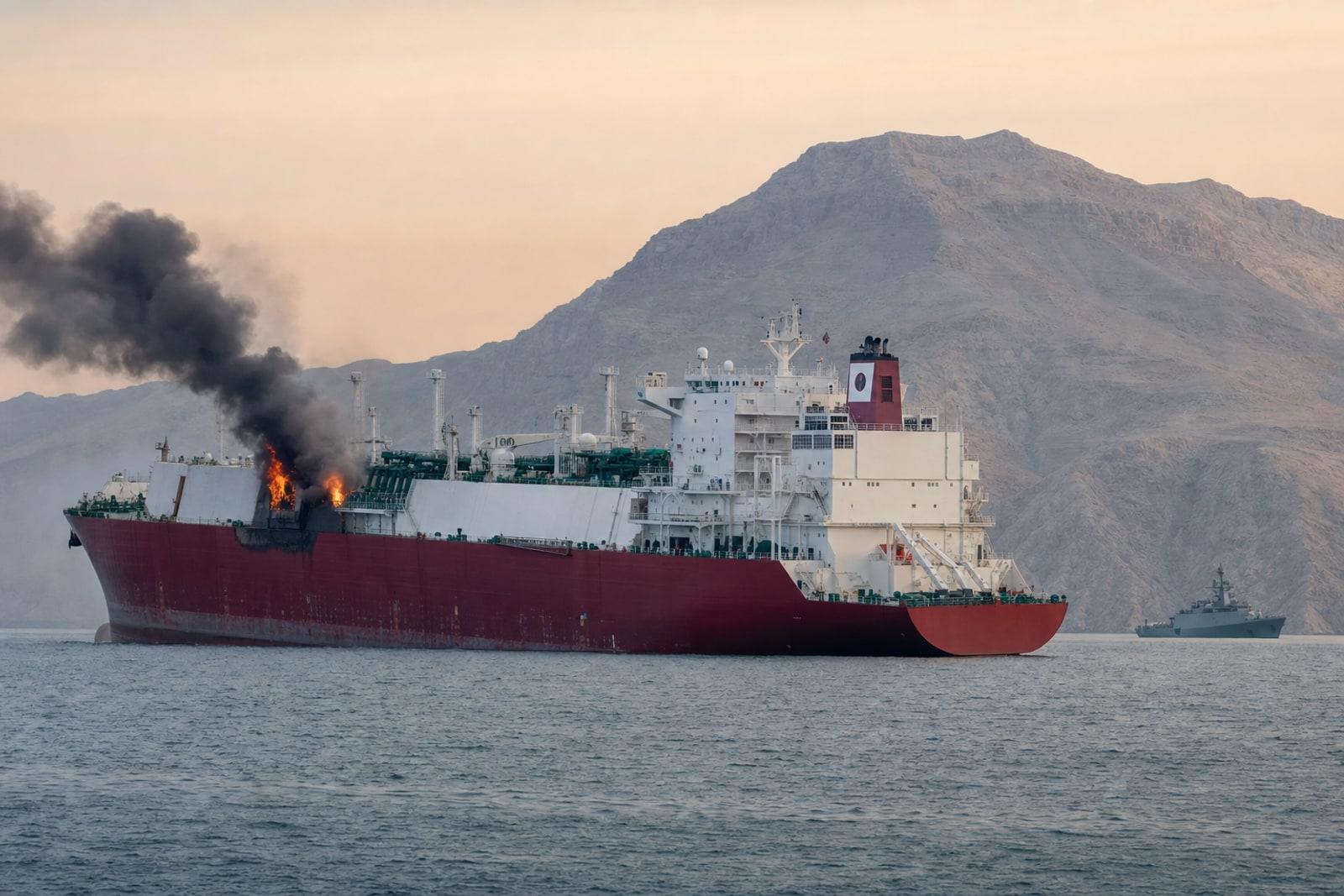
The latest move is significant because it adds a second threatened route to an already disrupted market. Yemen’s Iran-aligned Houthis said they attacked two tankers carrying Saudi oil near Bab-el-Mandeb, the narrow passage between the Red Sea and Gulf of Aden. Saudi state media confirmed that one vessel caught fire after an assault, although it did not identify the attacker.
Saudi Arabia had been using its east-west pipeline and the Red Sea port of Yanbu to bypass Hormuz. Pressure near Bab-el-Mandeb now threatens that alternative. Reuters reported that Brent finished $6.62 higher at $100.69; the Associated Press independently recorded the same settlement and attributed the surge to the tanker attacks.
“…tanker traffic restricted through two of the most active chokepoints in the world…” — Bob Yawger, Mizuho
The deeper constraint remains Hormuz. The IMF estimated in July that its effective closure had cut off about 20 million barrels a day of crude and refined products, equal to roughly one-fifth of global consumption. Higher production outside the Gulf and large inventory withdrawals initially softened the impact. But those buffers have diminished: the US Energy Information Administration estimated that global crude stocks fell by 5.1 million barrels a day in the second quarter.
That helps explain the market’s violent reversal. Brent had fallen below $72 in late June as ceasefire negotiations encouraged expectations that shipping would resume. Renewed strikes and uncertainty around the agreement then pushed the benchmark back above $100.
Luxembourg’s rapid pass-through
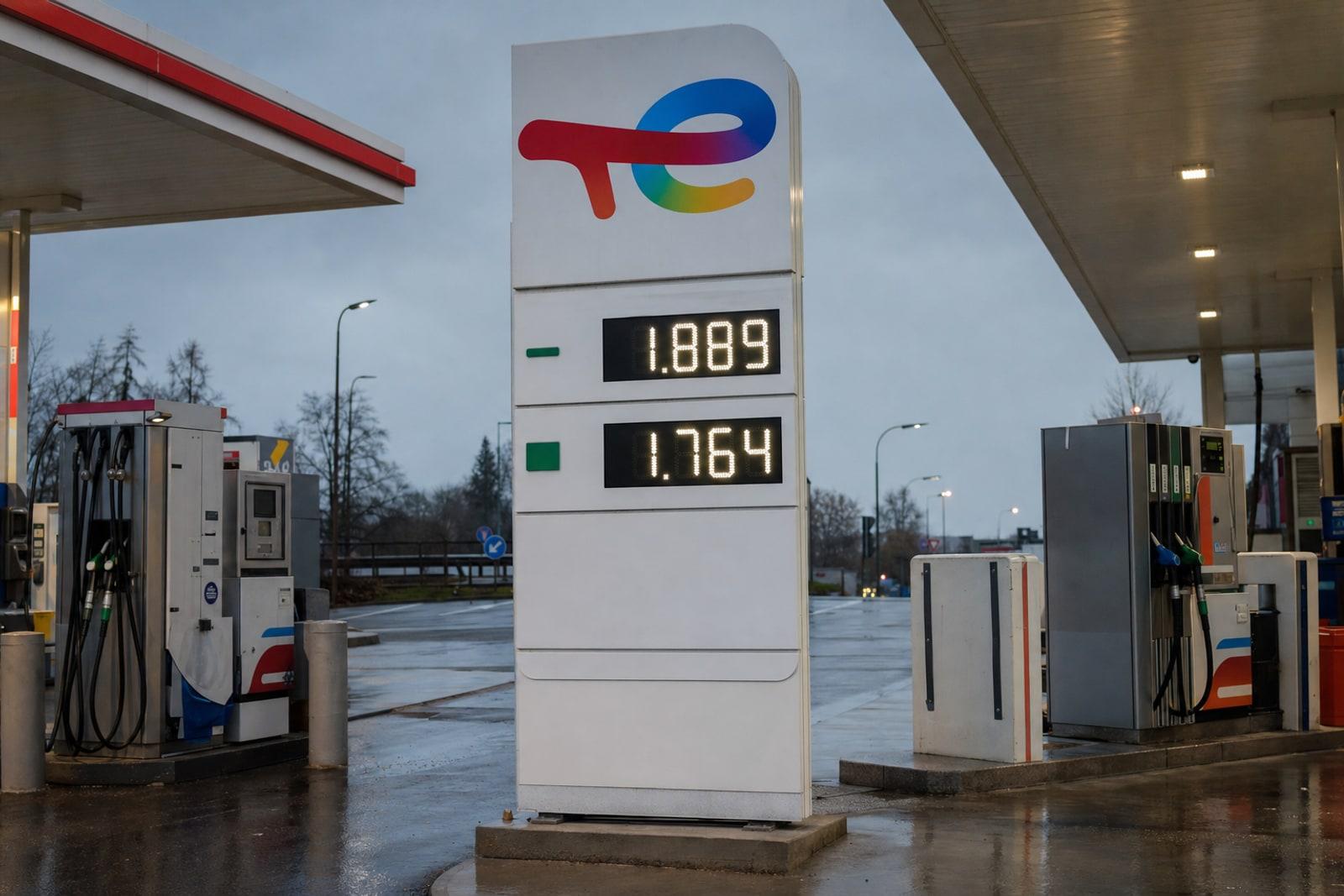
The shock is already visible at Luxembourg’s regulated forecourts. On 24 July, the maximum diesel price reached €1.889 a litre, up from €1.592 on 1 July—an increase of almost 19%. Super 95 rose from €1.629 to €1.764 over the same period. The increase occurred even though the state has absorbed five cents per litre of petrol and diesel since the start of July.
Earlier data show how quickly international energy prices can reach local consumers. Eurostat found that fuels and lubricants for personal transport in Luxembourg were 33.8% more expensive in April than a year earlier, the largest increase in the European Union. The OECD reported that high energy costs were already slowing consumption and expected them to spread into the broader price level.
The transmission works through several channels:
- Directly: motorists pay more for petrol and diesel, while households using heating oil face higher delivery costs.
- Indirectly: road freight, aviation, agriculture and other businesses pass higher fuel and input costs into prices.
- Over time: persistent inflation can influence wages, expectations and service prices, extending the shock beyond energy.
Luxembourg is not predominantly a heavy-industry economy, but its oil-intensive transport footprint and complete reliance on imported fossil fuels create an unusual exposure. The IEA says foreign fuel sales, high car ownership and cross-border freight contribute to elevated consumption. STATEC has separately estimated the country’s overall dependence on imported energy at 88%.
The government’s Resilienzpak provides a temporary shield. In addition to the five-cent fuel reduction, measures taking effect in August include €0.15 per litre for heating oil, €0.15 per cubic metre for household gas and €0.04 per kWh for residential electricity. These interventions reduce household bills and measured inflation, but they shift part of the cost onto the state and expire at the end of December.
The ECB’s harder choice
The renewed oil surge landed on the day the European Central Bank held its deposit rate at 2.25%, following a quarter-point increase in June. The ECB said the full inflationary effect of the energy shock had yet to emerge and declined to commit to a future rate path.
Euro-area inflation eased from 3.2% in May to 2.8% in June, according to Eurostat. That improvement gives policymakers room to wait, but energy still added 0.77 percentage point to the annual rate. The ECB expects earlier increases to continue affecting food, goods and services into the first half of 2027.
Its June baseline projected euro-area inflation of 3.0% and growth of only 0.8% in 2026. An adverse energy scenario raised inflation to 3.3% while cutting growth to 0.7%; the severe case produced 4.0% inflation and 0.5% growth. Those are scenarios, not forecasts, but they illustrate the central bank’s problem: higher rates may restrain broader inflation while simultaneously making mortgages, business investment and public borrowing more expensive.
Luxembourg therefore faces the shock on four fronts. Households encounter it at the pump and through heating costs; transport-dependent businesses face narrower margins; the government pays to cushion prices; and borrowers remain exposed to a central bank that cannot create oil but must prevent an energy shock from becoming lasting inflation. Whether Brent stays above $100 now matters more than any single day’s market move.
Frequently asked
- Why did Brent oil rise above $100 again?
- Attacks on two Saudi oil tankers near Bab-el-Mandeb added a threat to Red Sea exports while shipping through the Strait of Hormuz remained severely disrupted.
- How does the oil shock affect Luxembourg households?
- It raises petrol, diesel and heating-oil costs directly and can later increase freight, food, goods and service prices. Luxembourg’s heavy reliance on imported fossil fuels amplifies the exposure.
- What support is Luxembourg providing?
- The state is reducing petrol and diesel by €0.05 per litre through December. From August it is also subsidising heating oil by €0.15 per litre, gas by €0.15 per cubic metre and household electricity by €0.04 per kWh.
- Could the ECB raise interest rates again?
- The ECB has not committed to a rate path. It is monitoring whether higher energy costs spread into wages, expectations and broader prices; persistent pass-through would strengthen the case for tighter policy.
Sources(20)
- 1Oil settles over $100 as Houthi attacks intensify Middle East supply risksReuters via Euronext · live.euronext.com
- 2Brent oil tops $100 per barrel, as Tesla and Alphabet drag Wall Street lowerAssociated Press · apnews.com
- 3Petroleum markets responded to disruptions in the Middle East in the second quarterU.S. Energy Information Administration · eia.gov
- 4The Oil Market Absorbed the War Shock, but Buffers Are Running LowInternational Monetary Fund · imf.org
- 5Monetary policy decisions — 23 July 2026European Central Bank · ecb.europa.eu
- 6Monetary policy statement with Q&A — 23 July 2026European Central Bank · ecb.europa.eu
- 7Eurosystem staff macroeconomic projections for the euro area, June 2026European Central Bank · ecb.europa.eu
- 8Europe’s central bank holds rates steady amid swings in oil pricesAssociated Press · apnews.com
- 9Annual inflation down to 2.8% in the euro areaEurostat · ec.europa.eu
- 10Strong increase in fuel prices continued in April 2026Eurostat · ec.europa.eu
- 11Executive summary — Luxembourg 2026International Energy Agency · iea.org
- 12Luxembourg is still a high-carbon society, but one that is becoming less carbon-intensiveSTATEC · statistiques.public.lu
- 13Luxembourg: OECD Economic Outlook, Volume 2026 Issue 1OECD · oecd.org
- 14Luxembourg: Staff Concluding Statement of the 2026 Article IV MissionInternational Monetary Fund · imf.org
- 15Resilienzpak 2026Luxembourg Government · gouvernement.lu
- 16Chamber of Deputies approves subsidies to reduce household gas and electricity prices from 1 August 2026Luxembourg Government · gouvernement.lu
- 17Parliament approves a €0.15-per-litre reduction for heating oil and agricultural dieselLuxembourg Ministry of Finance · mfin.gouvernement.lu
- 18Official Prices & HistoryGroupement Pétrolier Luxembourgeois · petrol.lu
- 19Spritpreise Luxemburg heutespritpreise.lu · spritpreise.lu
- 20Setting pricesGuichet.lu · guichet.public.lu
Related by topic