Middle East
Mediators race to salvage US-Iran diplomacy after Trump declares ceasefire over
Iran's foreign minister met Omani mediators in Muscat and a Qatari team travelled to Tehran, as Gulf capitals race to revive talks after US strikes shattered the truce signed in mid-June.
By Camille Reuter · · 5 min read
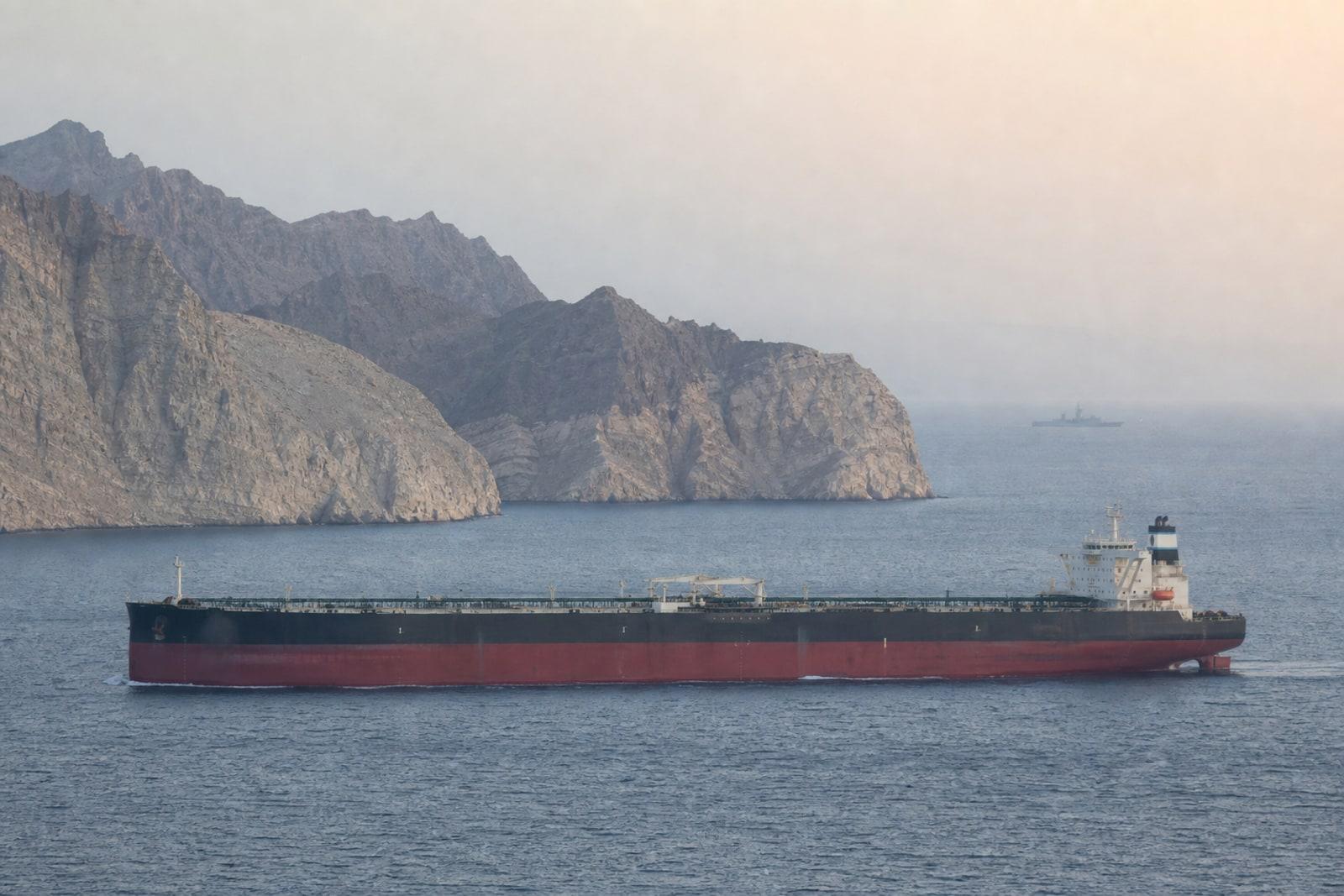
Gulf mediators mounted an urgent weekend effort to pull the United States and Iran back from the edge of renewed war, shuttling between Tehran, Muscat and Doha after President Donald Trump declared the two countries' weeks-old ceasefire "over" and American forces struck scores of targets across Iran.
Iranian Foreign Minister Abbas Araghchi travelled to Muscat on Saturday for talks with his Omani counterpart, Sayyid Badr Albusaidi, centred on the Strait of Hormuz — the dispute at the heart of the collapse — according to AFP and Iranian and Omani media. His visit came a day after a Qatari delegation held talks in Tehran, while Pakistani Prime Minister Shehbaz Sharif, whose government brokered the truce, spoke by phone with Iranian President Masoud Pezeshkian and Qatar's emir, Sheikh Tamim bin Hamad Al Thani.
"There are extensive diplomatic efforts to first agree with both sides on de-escalation and then set a date for another round," a regional source told the US outlet Axios, with Doha and Islamabad mooted as venues. The guns have largely fallen silent since Friday — an "uneasy calm", as The National put it, that mediators are now racing to convert into something more durable.
How the truce unravelled
The war began on 28 February, when the United States and Israel launched sweeping strikes on Iran that killed supreme leader Ayatollah Ali Khamenei and prompted Tehran to close the Strait of Hormuz, convulsing global energy markets. A Pakistan-brokered memorandum of understanding signed in mid-June established a 60-day truce and a framework for a settlement: an end to military operations, steps to reopen the strait, the lifting of a US naval blockade and phased relief on Iranian oil sales.
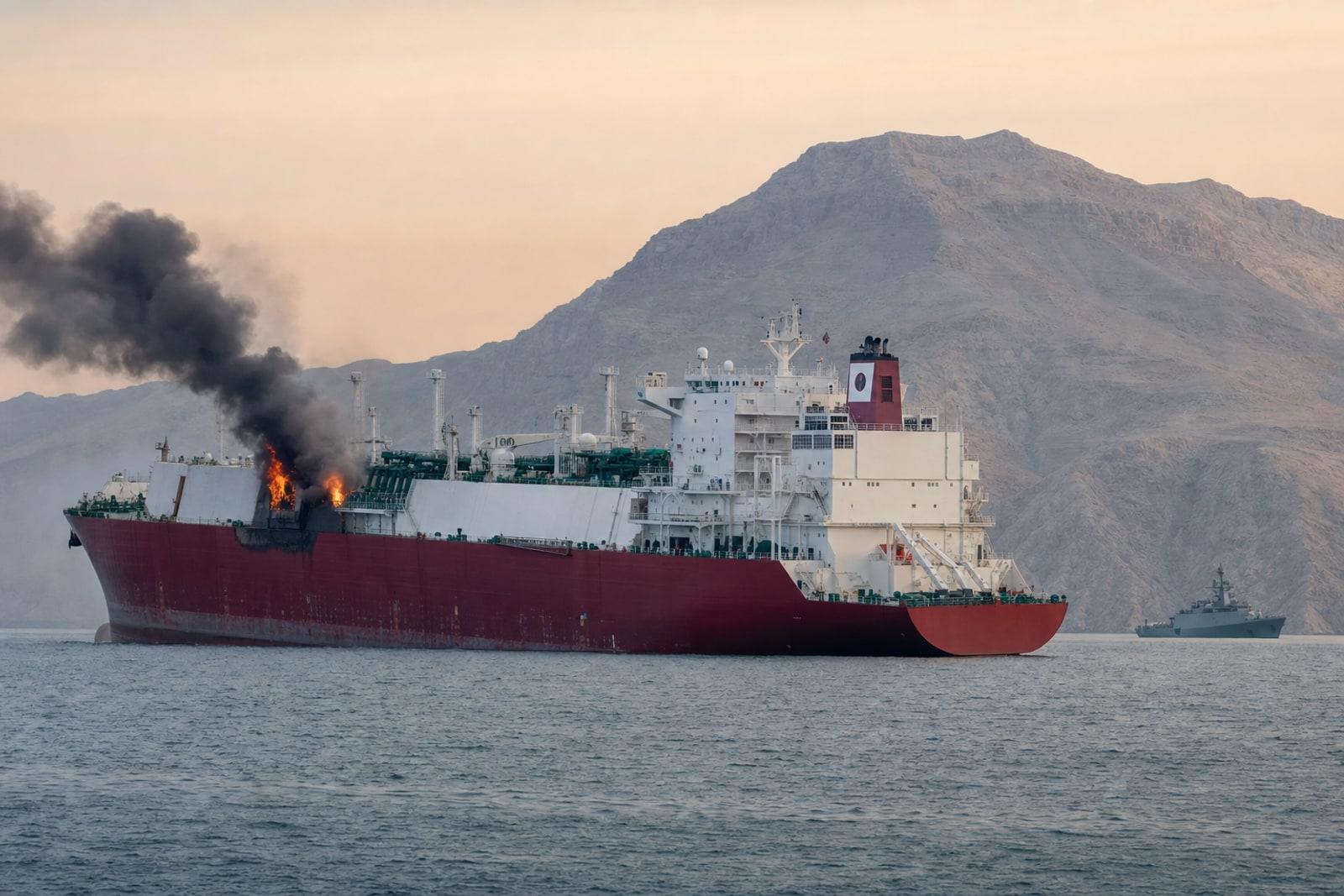
It came apart within weeks. After three commercial vessels were attacked in the strait on 7 July — Washington blamed Iran, which said the ships had ignored its designated routes — US forces hit some 80 targets along Iran's southern coast on Wednesday and roughly 90 more, including sites in Tehran, on Thursday, according to Al Jazeera. US Central Command said the strikes were intended "to further degrade Iran's ability to attack commercial shipping". Iran's health ministry put the toll at 17 dead and 115 wounded, AFP reported, and Tehran answered with missile and drone attacks on US military facilities in Kuwait, Bahrain and Qatar.
Trump, who had said of the truce on Wednesday that "for me, I think it's over", wrote on Truth Social on Friday that Iran "has asked us to continue 'talks'" and that Washington had agreed — "But the United States has stated to them, in no uncertain terms, that the Cease Fire is OVER!" Tehran disputes that account. "Iran has not agreed to continue talks with the US," an Iranian official told the American network MS NOW, saying negotiations would resume only once Washington halted what Iran calls violations of the deal.
Mohammad Bagher Ghalibaf, the parliament speaker who has emerged as a key figure in the negotiations, struck a defiant note: "America still hasn't learned that bullying and breaking promises are no longer cost-free. Let me put it plainly: if you strike, you'll get hit."
The strait at the centre
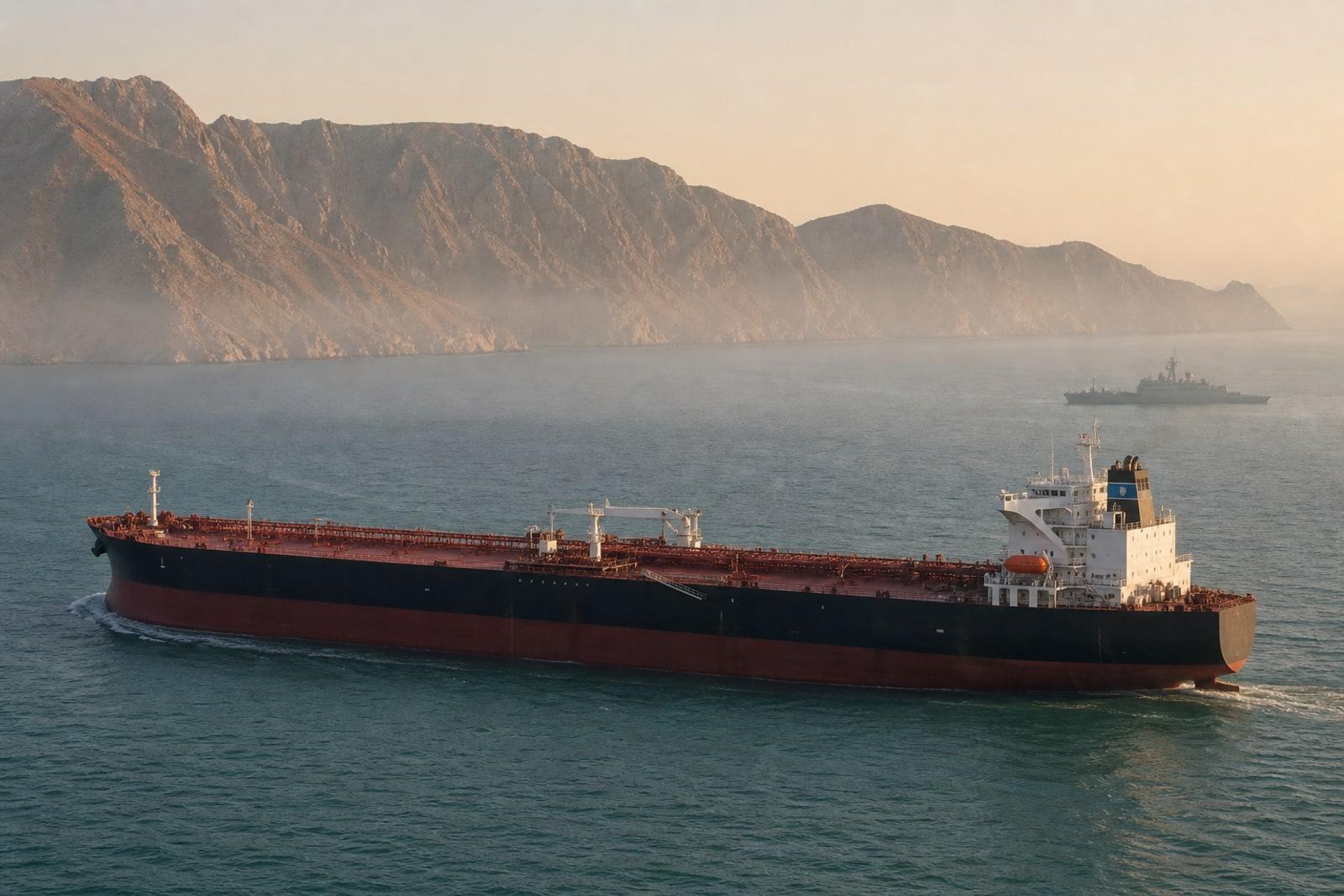
The immediate fight is over who controls the world's most important oil chokepoint. Iran insists there will be no return to pre-war free navigation: it wants authority over ship passage and has floated charging fees, terms Washington rejects. Ghalibaf has said the waterway "will only open with Iranian arrangements". The United States, for its part, reportedly gave Tehran until Saturday to stop firing on commercial ships and acknowledge that the strait must remain open, according to Axios and Politico reports cited by AFP.
Oman has drafted compromise proposals for managing traffic — including, according to regional media, two separately supervised corridors, one through Omani waters with unrestricted passage and one through Iranian waters requiring Tehran's approval — which France and Britain are studying.
The stakes for energy markets are immediate. About a fifth of the world's oil and gas trade normally transits the strait, and tanker traffic remains well below pre-war levels. Brent crude ended the week near $76 a barrel, up about 5 per cent, as renewed hostilities kept a risk premium in prices — tempered only by Washington's decision, so far, to spare Iran's energy infrastructure.
A leadership vacuum in Tehran
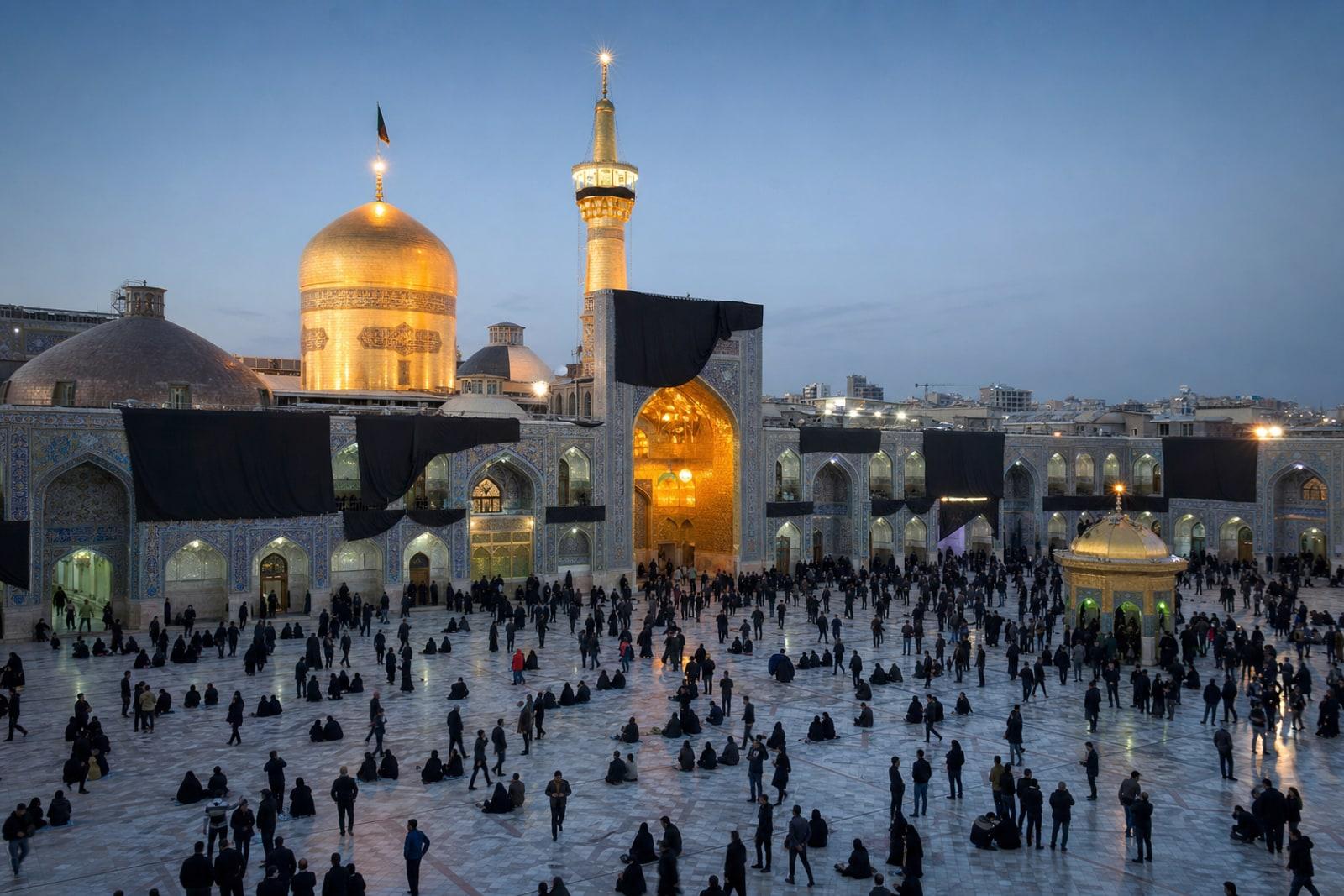
Diplomacy is further complicated by the opacity at the top of the Islamic Republic. Ali Khamenei was buried in Mashhad on 9 July after days of funeral processions through Iran and Iraq. His son and successor, Mojtaba Khamenei, has not appeared in public since the February strike that killed his father; Reuters reported in April that he was recovering from severe facial and leg injuries. In his first message since the funeral, a written statement issued on Friday, the new supreme leader promised retribution rather than compromise.
This vengeance is the will of our nation and must inevitably be carried out. This matter depends neither on my personal existence nor on that of other officials.
That vow — met by Trump with a warning that 1,000 missiles were "locked and loaded and aimed at the Islamic Republic of Iran" and a threat to "completely decimate" the country should Tehran act on calls for his assassination — narrows the room for Iran's negotiators, who must show that any deal is not capitulation while their new leader remains invisible and hardliners demand revenge.
Europe on the sidelines
European capitals, once central to Iran diplomacy, are largely spectators. The E3 — Britain, France and Germany — spent much of their remaining leverage in September 2025, when they triggered the UN "snapback" that reimposed sanctions; the live channel now runs through Muscat, Doha and Islamabad. Yet Europe's exposure is direct: its energy prices, shipping costs and security all hinge on whether this weekend's mediation holds.
The next test is whether the lull survives long enough for a date and venue to be fixed. Neither side has formally torn up the June memorandum, and both say they are open to talking. But Trump said on Thursday that a return to full-scale war "remains on the table", even as he insisted Iran "wants to make a deal so bad".
Frequently asked
- Why did the US-Iran ceasefire collapse?
- After three commercial vessels were attacked in the Strait of Hormuz on 7 July, US forces struck some 170 targets across Iran over two nights; Iran retaliated against US military facilities in the Gulf, and President Trump declared the mid-June truce "over", while saying talks would continue.
- Who is mediating between the United States and Iran?
- Oman, Qatar and Pakistan. Iran's foreign minister held Strait of Hormuz talks in Muscat on 11 July, a Qatari delegation visited Tehran on 10 July, and Pakistan's prime minister — whose government brokered the June memorandum — spoke with Iran's president and Qatar's emir. A new round could convene in Doha or Islamabad.
- Why does the Strait of Hormuz matter so much?
- About a fifth of the world's oil and gas trade normally passes through it. Iran closed the strait in February, demands authority over ship passage and has floated fees; Washington insists it must reopen to free navigation. Brent crude rose about 5% last week to near $76 a barrel.
- How does Iran's leadership situation affect the talks?
- New supreme leader Mojtaba Khamenei has not appeared in public since the February strike that killed his father, and used his first message since the funeral to vow "inevitable" vengeance — hardline pressure that limits Iranian negotiators' ability to compromise.
Sources(20)
- 1Mediators Try to Salvage Diplomacy After US-Iran StrikesAsharq Al-Awsat (AFP) · english.aawsat.com
- 2US strikes Iran for second night – is the peace process all over now?Al Jazeera · aljazeera.com
- 3Uneasy calm between US and Iran as mediators push for return to diplomacyThe National · thenationalnews.com
- 4After another broken ceasefire with U.S., Iran talks with Gulf leadersMS NOW (formerly MSNBC) · ms.now
- 5Trump says Iran talks will continue, but "ceasefire is OVER"Axios · axios.com
- 6U.S.-Iran ceasefire collapses amid new strikes as Trump mulls restarting warThe Washington Times · washingtontimes.com
- 7Iran's supreme leader pledges revenge for slain father and predecessorAl-Monitor (Reuters) · al-monitor.com
- 8In written message, Mojtaba Khamenei said to vow revenge for slain father will come 'soon'The Times of Israel · timesofisrael.com
- 9In first remark since father's funeral, Iran's Mojtaba Khamenei vows 'inevitable' revengeIndia TV News · indiatvnews.com
- 10Araghchi arrives in Muscat for talks on Strait of Hormuz, regional developmentsPress TV · presstv.ir
- 11Iran FM in Oman for Strait of Hormuz talksOman Observer · omanobserver.om
- 12Oman, Iran To Continue Hormuz Navigation Talks on RoutesPakistan Today · pakistantoday.com.pk
- 13Trump threatens to 'completely decimate' Iran, a day after agreeing to more talksEuronews · euronews.com
- 14Trump threatens to 'decimate' Iran if it tries to kill him, as Treasury sanctions alleged Iranian financierCNBC · cnbc.com
- 15Oil prices post weekly gain as Middle East supply risks persistCNBC · cnbc.com
- 16Oil prices set for weekly gain as renewed US-Iran hostilities drive volatilityThe National · thenationalnews.com
- 172026 Iran warWikipedia · en.wikipedia.org
- 182026 Iran war ceasefireWikipedia · en.wikipedia.org
- 19July 6-7, 2026 - Funeral ceremonies for Iran's slain supreme leaderCNN · cnn.com
- 20Iran: Closed Consultations on the Invocation of the "Snapback" MechanismSecurity Council Report · securitycouncilreport.org
Related by topic