Gulf diplomacy
US and Iran end Doha round without deal on Strait of Hormuz as oil slides to four-month low
Two days of indirect talks in Qatar brought 'positive progress' on frozen funds but no agreement on who controls the strait; the next round must wait for Ayatollah Khamenei's funeral.
By Camille Reuter · · 5 min read
The United States and Iran ended two days of indirect negotiations in Doha on 2 July without settling the question at the heart of the Gulf's fragile calm — who controls the Strait of Hormuz — even as mediators reported "positive progress" and oil prices slid to their lowest levels since the war began in late February.
The round was conducted entirely through intermediaries. US special envoy Steve Witkoff and Jared Kushner, the president's son-in-law, held meetings in the Qatari capital, including with the Emir, Sheikh Tamim bin Hamad Al Thani, while Qatar and Pakistan shuttled between the American team and an Iranian technical delegation headed by deputy foreign minister Kazem Gharibabadi, according to The National and Al Jazeera. Iran's senior negotiators, foreign minister Abbas Araghchi and parliament speaker Mohammad Bagher Ghalibaf, stayed away.
Money first, sovereignty later
Negotiators concentrated on two pillars of the 14-point Islamabad Memorandum that halted the four-month US-Israeli war with Iran on 17 June: commercial traffic through the Strait of Hormuz and financial incentives for Tehran. The harder files — above all Iran's nuclear programme — were left for later rounds. A first meeting dealt with alleged violations of the memorandum and produced agreement on a standing communication channel to resolve disputes; a second addressed the release of $6 billion in frozen Iranian funds, Al Jazeera reported. The National reported a possible understanding on roughly $3 billion held in Qatar, to be drawn through the Central Bank of Iran for humanitarian purchases — though US officials said nothing had been finalised.
"It was agreed that, based on the needs communicated by our country, the required goods would be purchased and made available to Iran," Gharibabadi said after the round.
The memorandum, signed remotely by President Donald Trump and Iranian President Masoud Pezeshkian, set the framework the Doha teams are now trying to fill in. Its key provisions include:
- an immediate end to military operations and a 60-day negotiating window for a final deal;
- Iranian guarantees of safe, toll-free passage for commercial vessels through the Strait of Hormuz for 60 days;
- US waivers for Iranian oil exports and steps to make frozen Iranian assets available;
- a reconstruction plan of at least $300 billion with regional partners, according to the published text — a figure Trump has disputed as a description of any US government commitment.
A strait still contested
The unresolved core is what happens when the 60-day toll-free period lapses in mid-August. Two senior Iranian sources told reporters Tehran intends to begin charging tolls at that point, and Iran's new Persian Gulf Strait Authority claims the power to "authorise and regulate maritime transit". Trump said on 20 June that "there will be no tolls for passage through the Strait of Hormuz during or after the 60-day ceasefire" — a fundamental disagreement the Doha round did not close.
Navigation is contested in practice as well as principle. After the multinational Joint Maritime Information Center announced a widened shipping route close to the Omani coast on 27 June, Iran attacked two merchant vessels — the Singapore-flagged container ship Ever Lovely on 25 June and the Panama-flagged tanker Kiku on 27 June — prompting retaliatory US strikes on Iranian military sites near the strait. During the talks, Iran's military warned that commercial vessels must follow navigation routes designated by Tehran or face "an immediate and authoritative response", The National reported.
Markets bet on de-escalation
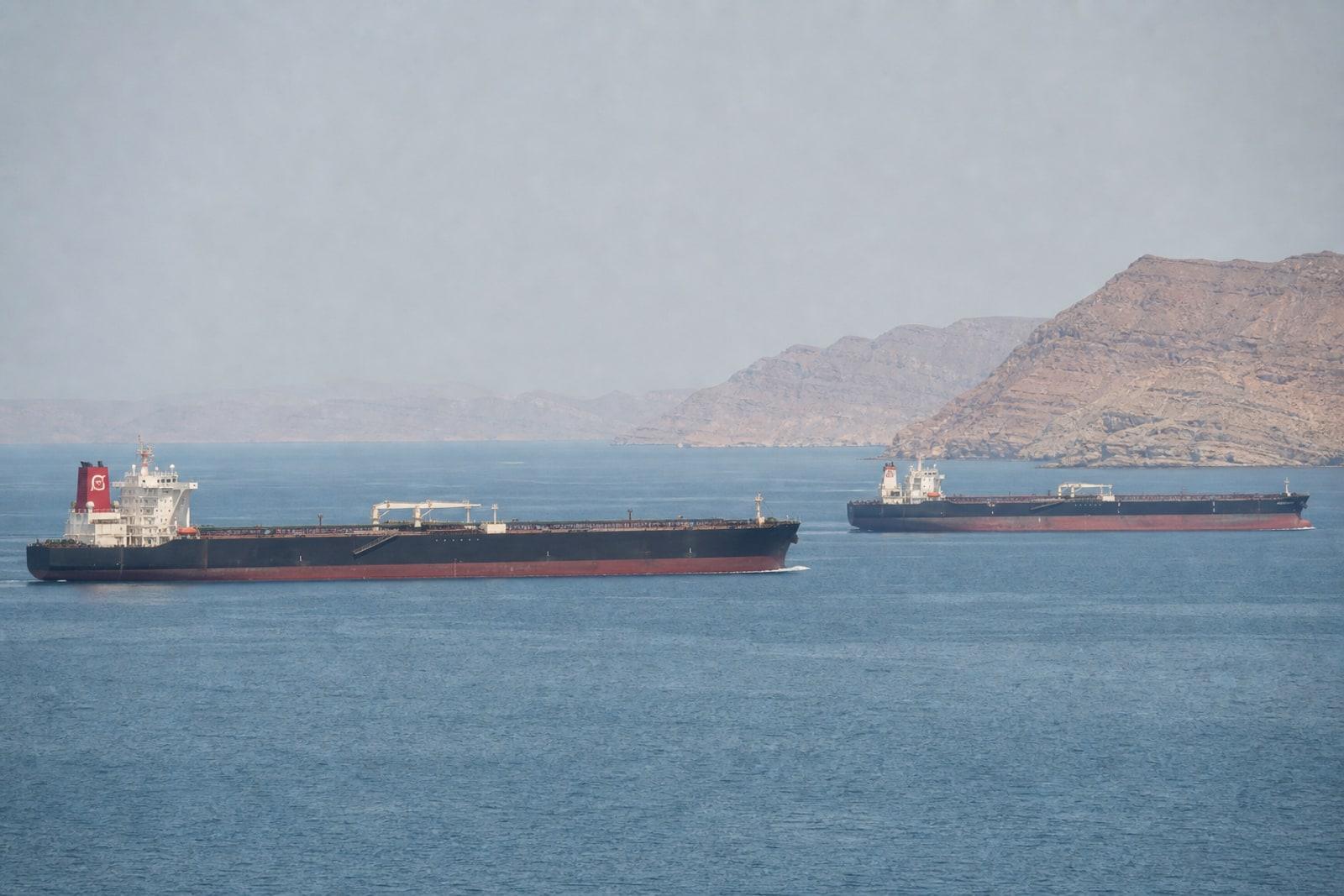
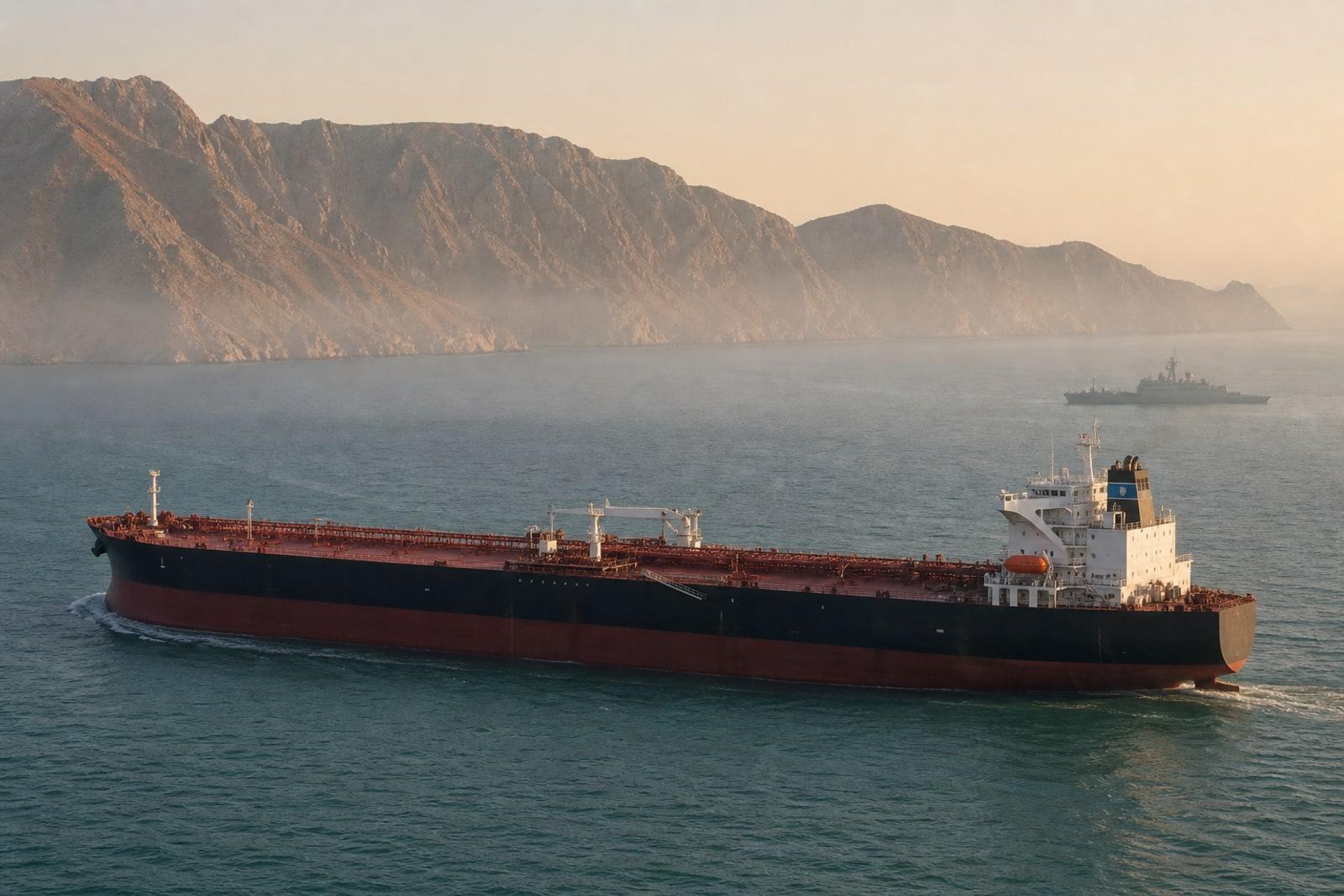
Oil traders read the round as evidence the ceasefire is holding. Brent crude fell 91 cents, or 1.3 percent, to $70.66 a barrel on Thursday, and US West Texas Intermediate dropped 1.5 percent to $67.54 — for both, the lowest since late February, just before the war began, Reuters reported. At least five supertankers carrying 10 million barrels of Saudi crude loaded at Ras Tanura have exited the strait, with Saudi Aramco switching to spot pricing to accelerate sales to Asia, and shipping data show transits rose more than 50 percent in the last full week of June.
"We're seeing a little short-covering here," said John Kilduff, partner at Again Capital. "The focus has shifted to how much supply are we going to see in the markets from how much supply are we going to lose."
The stakes remain enormous: the strait normally carries about a quarter of seaborne oil trade and a fifth of global liquefied natural gas, and its closure this spring has been described as the largest disruption to world energy supply since the 1970s oil shocks.
Diplomacy in the shadow of succession
Hanging over the talks is Iran's leadership transition. Ayatollah Ali Khamenei was killed in the strikes of 28 February; the Assembly of Experts named his son, Mojtaba Khamenei, as the Islamic Republic's third supreme leader on 9 March. Only now, with the guns quiet, is the state staging his funeral: six days of ceremonies from 4 to 9 July spanning Tehran, Qom and Mashhad, as well as the Iraqi shrine cities of Najaf and Karbala, ending with burial at the Imam Reza shrine in Mashhad. Authorities expect the Tehran procession on 6 July to draw as many as 15 to 20 million mourners. The new supreme leader — reportedly wounded in the strikes and yet to appear in public — is not expected to attend, a representative said, citing security concerns.
Diplomacy will pause for the mourning. "The parties agreed to continue discussions over the coming period, with the next meeting to be scheduled as soon as possible after the conclusion of the funeral processions for the former Iranian Supreme Leader," Qatar's foreign ministry said.
"Obviously, we're worried about the nuclear issue, we're going to start talking about that."
— JD Vance, US Vice President, to Fox News
That leaves a narrow window. When talks resume after 9 July, negotiators will have roughly five weeks before the toll-free period expires — the first hard test of whether a de-escalation signed in June can survive Iran's succession, and keep the world's most important oil artery open.
Frequently asked
- What did the US and Iran discuss in Doha?
- The 1–2 July round, mediated indirectly by Qatar and Pakistan, focused on commercial shipping through the Strait of Hormuz and the release of frozen Iranian funds — reportedly $6 billion, including about $3 billion held in Qatar for humanitarian purchases — under the 14-point Islamabad Memorandum signed on 17 June. Iran's nuclear programme was left for later rounds.
- Why does the Strait of Hormuz matter so much?
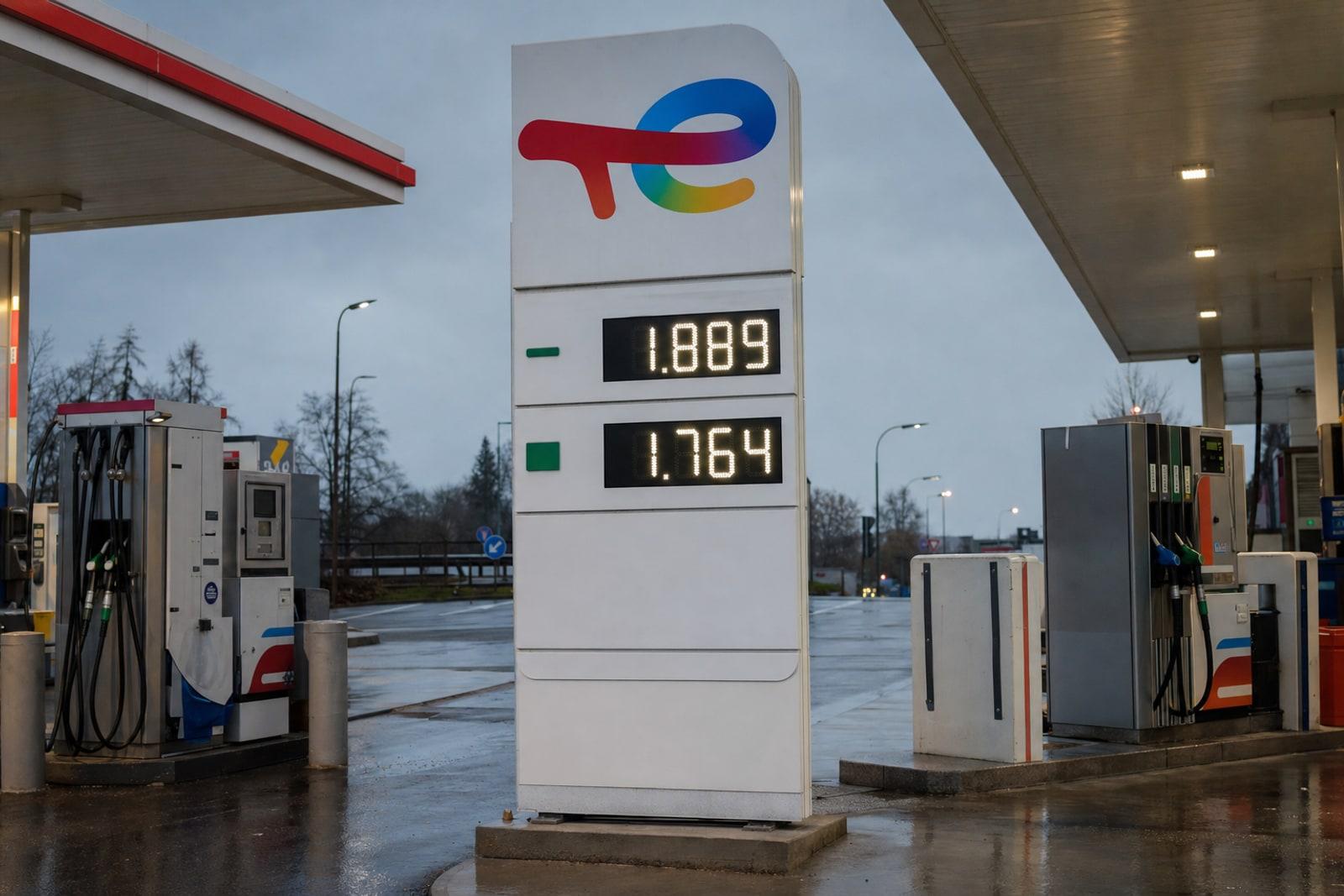
- The strait between Iran and Oman normally carries about a quarter of seaborne oil trade and a fifth of global liquefied natural gas. Its closure during the 2026 war has been described as the largest disruption to world energy supply since the 1970s, driving fuel and energy costs worldwide, including in Europe.
- What remains unresolved after the talks?
- Who controls the strait. Iran says it will begin charging tolls when the memorandum's 60-day toll-free period ends in mid-August and insists ships follow Tehran-designated routes; President Trump says there will be no tolls during or after the ceasefire. Nuclear inspections and a lasting peace deal are also open.
- How did oil markets react?
- Prices fell to four-month lows on signs the ceasefire is holding: Brent dropped 1.3 percent to $70.66 a barrel and WTI 1.5 percent to $67.54 — the lowest since just before the war began — as Saudi supertankers resumed exiting the strait and weekly transits rose more than 50 percent.
Sources(16)
- 1US and Iran conclude round of talks in Doha, focusing on Strait of HormuzThe National · thenationalnews.com
- 2US-Iran talks in Doha: What were the outcomes and what's next?Al Jazeera · aljazeera.com
- 3Oil falls to four-month low as US, Iran conclude talks in DohaReuters (via Investing.com) · za.investing.com
- 4As Doha Talks Conclude, Iran Asserts Control over Strait of HormuzThe Bridge Chronicle · thebridgechronicle.com
- 5July 2, 2026 — Iran issues fresh warning on Hormuz, Qatar talks make 'positive progress'CNN · edition.cnn.com
- 6July 1, 2026 — Meetings in Doha, Vance says talks 'going well'CNN · cnn.com
- 7US, Iran talks conclude in Doha, focused on Strait of Hormuz, frozen fundsBusiness Standard · business-standard.com
- 8Islamabad MemorandumWikipedia · en.wikipedia.org
- 9Read the full text of Trump's preliminary U.S.-Iran agreement to end the warNPR · npr.org
- 10Iran, US presidents sign deal to extend ceasefire, reopen Strait of HormuzAl Jazeera · aljazeera.com
- 112026 Strait of Hormuz crisisWikipedia · en.wikipedia.org
- 122025–2026 Iran–United States negotiationsWikipedia · en.wikipedia.org
- 13Iran names Mojtaba Khamenei as its new supreme leaderNPR · npr.org
- 14Ali Khamenei burial set for July 9 amid massive Iran security opsFox News · foxnews.com
- 15Live updates: Khamenei's casket on display as Iran prepares for days of huge funeral processionsCNN · cnn.com
- 16Islamabad Memorandum of Understanding between the United States of America and the Islamic Republic of Iran (full text)Wikisource · en.wikisource.org
Related by topic