Middle East conflict
US strikes deepen Iran war as Tehran threatens wider energy disruption
A seven-hour US attack, a restored naval blockade and Iranian retaliation across the Gulf threaten to unravel diplomacy and disrupt a crucial energy chokepoint.
By Camille Reuter · · 4 min read
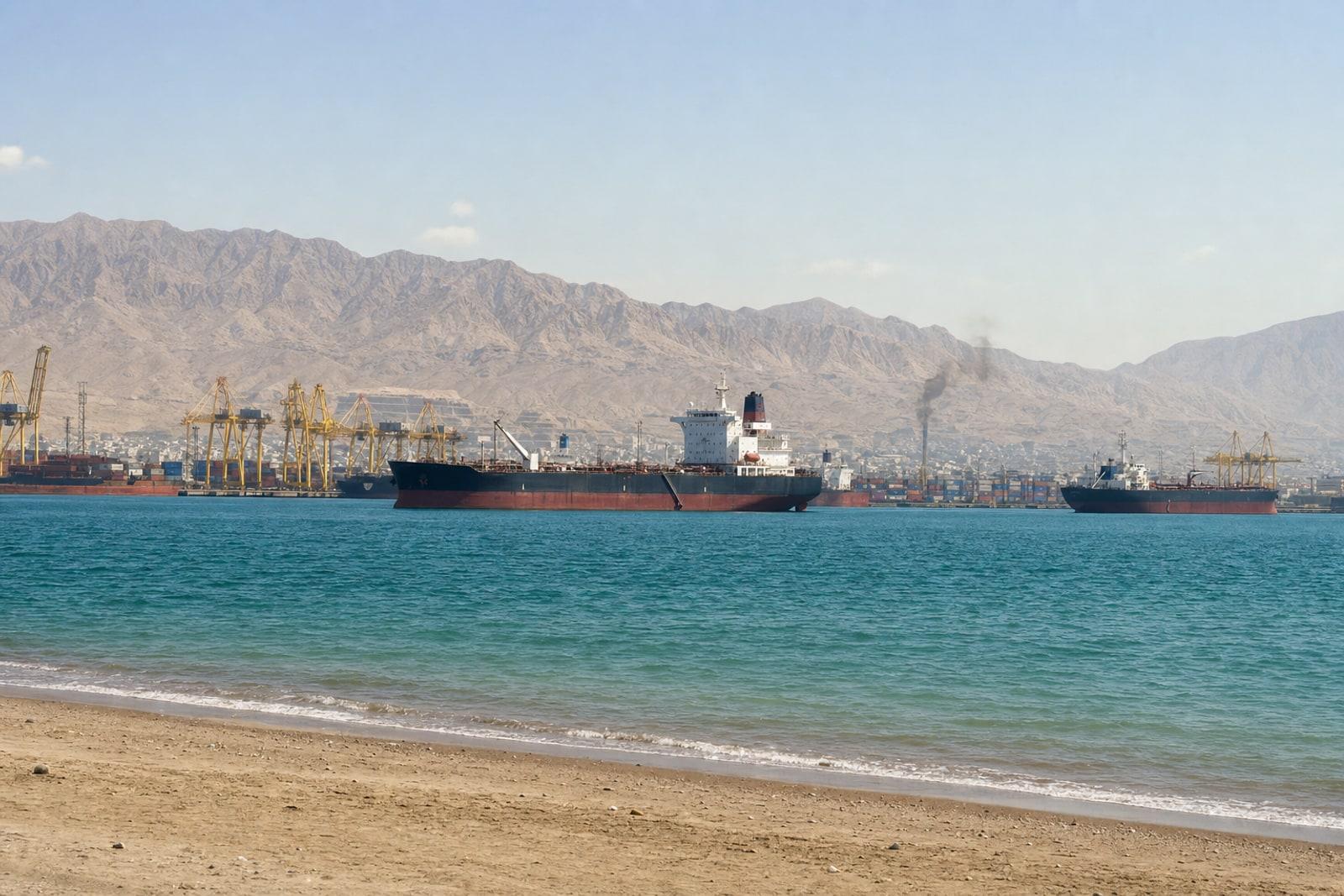
WASHINGTON/TEHRAN — The United States launched another sustained wave of strikes on Iran overnight into Wednesday and restored a naval blockade of Iranian ports, pushing a confrontation centred on the Strait of Hormuz into a more intensive and potentially wider phase.
U.S. Central Command said the seven-hour operation hit dozens of military targets near the strait and along Iran’s coast, including missile and drone sites, naval capabilities and coastal-defence systems. The Pentagon’s stated objective is to reduce Iran’s ability to attack commercial shipping. Associated Press and Reuters reporting corroborated the scale and broad target set, although neither the military’s battle-damage claims nor every reported impact could be independently verified.
Iranian state media also reported strikes at Greater Tunb, a strategically placed island in the strait, and at a barracks near Iranshahr in the southeast. Iran’s army said seven troops were killed at the barracks. A Health Ministry spokesperson said more than 260 people were wounded across the country in the overnight attacks. Those casualty figures were carried by AP and AFP, but originated with Iranian authorities; there was no independent on-the-ground confirmation.
A campaign widening beyond coastal defences
The immediate U.S. military aim remains tightly framed around navigation. Washington says Iran attacked seven commercial ships in the past week, and it says the strikes are intended to suppress the missiles, drones, radar and naval forces capable of threatening vessels. Earlier rounds in the same campaign hit coastal locations including Bandar Abbas, Bushehr, Jask, Chabahar, Konarak and Abu Musa.
But President Donald Trump has paired that operational goal with a much broader coercive threat. He said strikes would continue and warned that bridges, power plants and eventually energy sites could be attacked unless Tehran returned to negotiations. That moves the declared pressure campaign beyond disabling maritime weapons and towards infrastructure whose loss could affect civilians and Iran’s wider economy.
“I’ll save the energy targets for last, but ultimately we’ll hit energy targets.” — Donald Trump
The restored blockade, which bars shipping to and from Iranian ports, adds economic pressure. It also creates another arena for direct contact between U.S. naval forces and Iran’s Revolutionary Guard. Each interception, misidentified vessel or missile launch now carries a risk of producing casualties that political leaders may feel compelled to answer.
Iran retaliates across the Gulf
Tehran has already demonstrated that its response will not be confined to Iranian territory or the strait. Iran claimed attacks on U.S.-linked military facilities in Bahrain, Kuwait and Jordan after the latest American strikes. Jordan said it intercepted three ballistic missiles entering from Iran. Bahrain and Kuwait activated warnings or air defences, while Kuwaiti authorities reported bringing a fire under control. The precise effect of Iran’s claimed strikes was not independently established.
- Military escalation: Repeated U.S. attacks can degrade exposed coastal systems, but Iran retains missiles and drones capable of reaching bases and infrastructure across the Gulf.
- Diplomatic escalation: The June interim arrangement is effectively being overtaken by strikes, counterstrikes and incompatible demands over who controls navigation through Hormuz.
- Economic escalation: A blockade of Iran combined with attacks on other export routes would spread the shock from Iranian oil to the wider Gulf supply system.
Iran’s Revolutionary Guard sharpened that last risk on Wednesday, threatening to close other export corridors benefiting the United States and its allies. It said regional energy exports would either be shared by all or denied to all.
The retaliation pattern makes a wider regional war more plausible even if neither Washington nor Tehran formally declares one. Gulf states hosting U.S. forces can be drawn into defensive action; commercial crews face a more dangerous transit; and strikes on power or energy infrastructure would increase humanitarian and legal concerns. The United Nations has urged all parties to protect civilians and civilian objects and return to negotiations.
Hormuz again becomes an inflation risk
Before the war, roughly one-fifth of global oil and gas shipments passed through the Strait of Hormuz each day. That concentration explains why even partial disruption has consequences well beyond the Gulf. Brent crude traded above $85 a barrel on Wednesday, around a one-month high, after the renewed attacks and blockade deepened doubts about a sustained reopening.
The buffer is weaker than it was when the war began. The International Monetary Fund said strategic and commercial oil stocks had been drawn down and warned that spare capacity and inventories offered less protection from another shock. Its July outlook had assumed that the strait would begin reopening in mid-July and gradually return to prewar conditions by March 2027. Renewed combat puts the first part of that assumption in doubt.
The near-term market risk is therefore not only a complete closure. Slower traffic, higher insurance and freight costs, damage to tankers, or attacks on export terminals and alternative pipelines can all tighten supply. If Iran’s threat expands from Hormuz to other regional export corridors, the disruption would be harder to offset and the inflationary effect would reach fuel, freight, food and industrial inputs.
Mediators are still attempting to revive talks, and Britain, France and Germany have called both for free navigation and a resumption of the ceasefire. For now, however, the pace of attacks, the restored blockade and explicit threats against infrastructure point in the opposite direction: from a contained maritime contest towards a renewed war of compellence with global economic consequences.
Frequently asked
- What did the latest U.S. strikes target?
- U.S. Central Command said the seven-hour operation hit dozens of targets near the Strait of Hormuz and along Iran’s coast, including missile and drone sites, naval capabilities and coastal-defence systems.
- How many casualties were reported?
- Iran’s army said seven troops were killed at a barracks near Iranshahr, while a Health Ministry spokesperson reported more than 260 people wounded nationwide overnight. The figures originated with Iranian authorities and were not independently confirmed.
- Why is the Strait of Hormuz so important?
- Before the war, roughly one-fifth of global oil and gas shipments passed through the strait, making any sustained disruption a risk to fuel prices, freight costs and inflation worldwide.
- Could the conflict spread further?
- The risk is high because Iran is retaliating against U.S.-linked facilities across Gulf states, Washington has restored a blockade, and both sides are threatening actions that extend beyond the immediate maritime confrontation.
Sources(12)
- 1Iran threatens to halt Mideast energy exports after US reimposes a blockade and intensifies strikesAssociated Press · apnews.com
- 2Iran threatens to block more vital seaways as Trump orders renewed Iran blockadeReuters · investing.com
- 3Trump resumes Iran port blockade and threatens strikes on energy targetsReuters via Internazionale · internazionale.it
- 4Oil prices rise 2% to one-month high as US-Iran attacks deepen supply disruptionReuters via Euronext · live.euronext.com
- 5U.S.-Iran War Latest: U.S. blockades Iranian ports, launches dozens of strikes as Trump seeks control of Strait of HormuzCBS News, Associated Press and AFP · cbsnews.com
- 6US military says it hit dozens of Iranian targets during 7-hour wave of strikesThe Times of Israel · timesofisrael.com
- 7U.S. Forces Complete New Strikes on Iranian Military TargetsIran Watch, reproducing a U.S. Central Command release · iranwatch.org
- 8Noon briefing of 14 July 2026United Nations · un.org
- 9July 2026 World Economic Outlook Update: Global Economy in Crosscurrents of War and TechnologyInternational Monetary Fund · imf.org
- 10Press Briefing Transcript: Julie Kozack, Director, Communications Department, June 4, 2026International Monetary Fund · imf.org
- 11E3 Statement on Iranian AttacksUK Foreign, Commonwealth & Development Office · gov.uk
- 12Vessels in the Strait of Hormuz near the beach of Bandar AbbasReuters Connect · reutersconnect.com
Related by topic