Europe
Luxembourg's outsized voice in Brussels, explained
A founding member of the European project with three EU institutions on its soil, Luxembourg has long turned its small size into diplomatic leverage.
By Camille Reuter · · · 1 min read
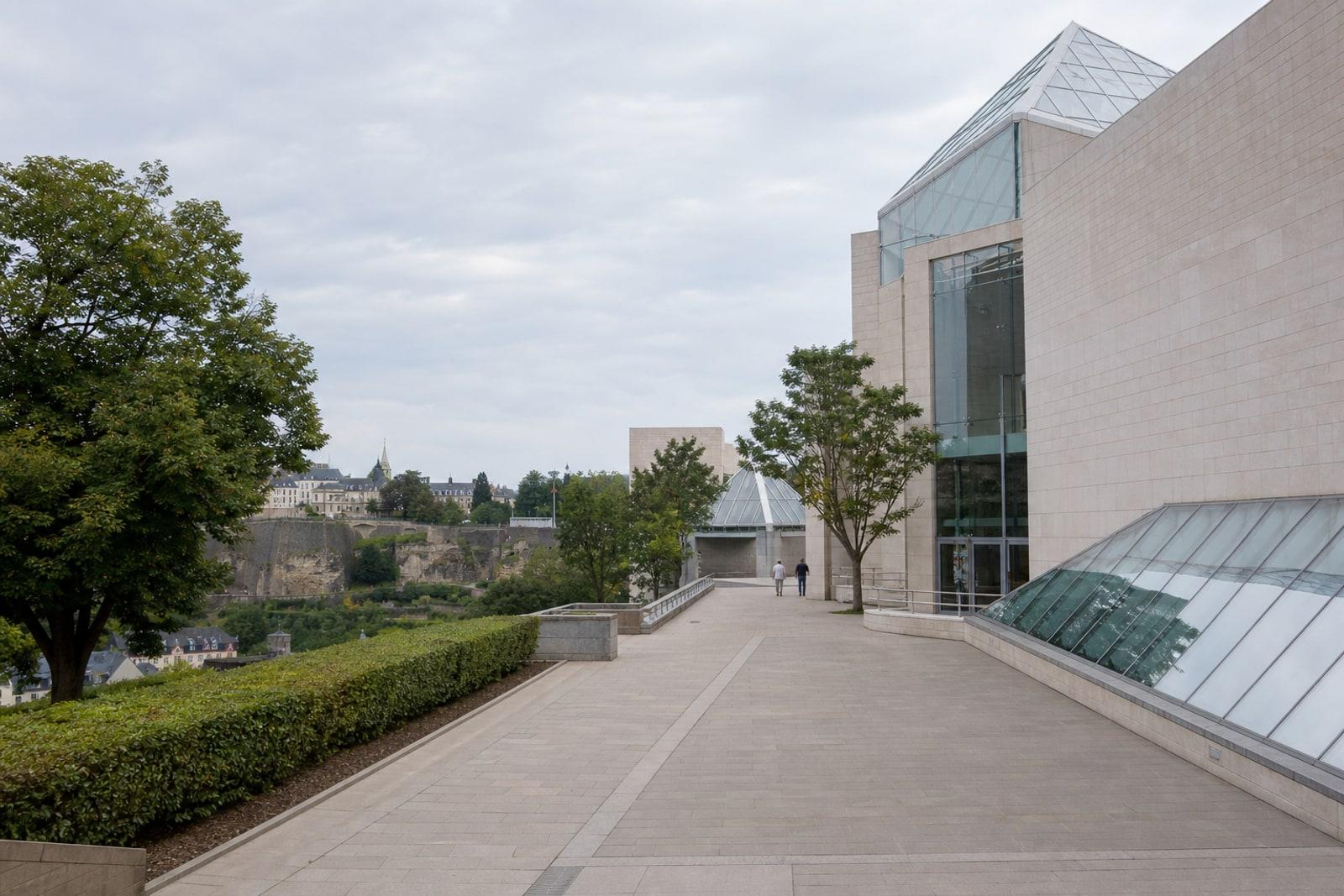
For a country of fewer than 700,000 people, Luxembourg sits at the centre of the European Union. It was one of the six states that signed the 1951 Treaty of Paris, and its politicians — from Joseph Bech to Jean-Claude Juncker — have shaped the project at every turn. Today three of the EU's institutions are based on the Kirchberg plateau, a short walk from one another.
Three institutions on one plateau
The Court of Justice of the European Union, whose rulings bind all 27 member states, sits on the Kirchberg alongside the European Court of Auditors and the secretariat of the European Parliament. The European Investment Bank and much of the European Commission's administrative machinery are here too. That concentration gives Luxembourg a permanent seat at the table that its population could never justify on its own.
Small state, long game
Luxembourgish diplomacy has made a virtue of neutrality between larger neighbours. Hosting institutions, holding the rotating Council presidency, and supplying senior EU figures has turned the Grand Duchy into a trusted broker. The approach is patient rather than loud: influence built over decades of showing up, hosting, and mediating.
It is not without friction. Luxembourg's status as a financial centre has repeatedly put it at odds with Brussels over tax transparency, and the country has had to reform to keep pace. But the underlying bargain — a small state that makes itself indispensable to the union — has held for seventy years.
Related by topic