Russia sanctions
EU’s 21st Russia sanctions package expands Luxembourg compliance duties
New financial, crypto, energy and trade restrictions require fresh screening across Luxembourg, where about €4.7 billion is already frozen under the EU regime.
By Camille Reuter · · 5 min read

The European Union’s 21st sanctions package against Russia has moved beyond political agreement into formal adoption, opening a new implementation cycle for Luxembourg’s banks, investment funds, custodians and corporate-service businesses.
EU ambassadors reached a deal on 23 July after weeks of negotiations, according to Reuters. The Council formally adopted the measures later that day, a step also reported by Le Monde and Agence Europe. The final package adds 48 individuals and 170 entities, or 218 targeted listings in total, while widening sectoral restrictions covering finance, cryptocurrency, energy, shipping and trade.
Finance and crypto move to the front
The financial provisions are especially significant for Luxembourg. The Council said the package freezes assets and prohibits funds from being made available to 94 banks and major financial institutions. It also extends the EU’s transaction ban to 33 additional Russian credit and financial institutions.
Four non-Russian banks are covered by further transaction bans: one Kyrgyz institution linked to Russia’s SPFS financial-messaging system and three banks accused of helping to circumvent sanctions. Four designations concern the cross-border A7 payment network, while 14 crypto-service platforms in jurisdictions including Georgia, Panama, the United Arab Emirates, the Marshall Islands, Kyrgyzstan and Belarus join the transaction-ban list.
With each round of sanctions, we squeeze Russia’s economy
For Luxembourg compliance teams, the operational task extends beyond adding names to screening databases. Existing EU rules require firms to identify companies owned or controlled by listed people, prevent funds or economic resources from reaching them and report frozen assets to the competent authority. That means refreshing beneficial-ownership records, examining governance and control rights, and testing whether indirect payment or service arrangements create a prohibited benefit.
The package also creates a legal basis for the EU to prohibit transactions with crypto providers across a third country when those services are used for Russian sanctions evasion. That power is not itself a universal ban, but it increases the importance of identifying payment routes, intermediaries and the true service provider behind a transfer.
Oil cap held as shipping restrictions grow
On energy, the EU suspended automatic adjustment of its Russian oil-price cap until 15 July 2027. The threshold therefore remains $44.10 a barrel for 12 months, according to Agence Europe and Deutsche Welle, rather than rising under the adjustment formula amid higher world oil prices.
The Council added 41 vessels to the shadow-fleet list and widened the criteria to vessels providing fuel or other support to sanctioned ships. Refineries, oil traders, two Russian ports and four airports are also targeted. Sales of LNG carriers become subject to notification and contractual safeguards intended to reduce the risk of onward sale to Russia.
A compromise permits qualifying transfers of Russian liquefied natural gas to non-EU customers for one year, subject to conditions and possible renewal. Reuters reported that the derogation helped resolve Greece’s objections. Its presence matters for firms assessing shipping finance, insurance, chartering and commodity-related payments: a derogation must be checked against its precise conditions rather than treated as a general exemption.
- Finance: new freezes, transaction bans and ownership-control reviews.
- Energy: a fixed oil cap, more listed vessels and restrictions affecting refineries and LNG carriers.
- Trade: broader controls on military-relevant exports and selected revenue-generating imports.
- Legal risk: stronger protection for EU operators facing Russian court judgments arising from sanctions.
The trade measures extend export restrictions to materials and equipment with military or aerospace uses, including specified metal powders, alloys and drone-related systems. Import restrictions cover goods valued by the Council at more than €60 million, including several metal ores, unwrought zinc, oxides, glassware, imitation pearls and car parts.
About €4.7 billion already frozen in Luxembourg
Luxembourg’s Ministry of Finance currently reports €4,698,231,424.09 in assets frozen under Regulation 269/2014, the EU framework targeting people and entities associated with actions against Ukraine’s territorial integrity. Separate Luxembourg reporting in December 2025 put the figure at about €4.72 billion, corroborating the approximate scale.
That total should not be presented as money newly caught by the 21st package. It is the accumulated national stock under the wider sanctions regime. As of 24 July, neither the Council nor Luxembourg authorities had published an estimate of the additional assets in Luxembourg affected by the latest listings, or a count of newly targeted entities with Luxembourg structures.
The distinction matters. A listed entity may have no account in Luxembourg yet still affect a local fund, administrator or fiduciary through ownership, custody, financing or contractual links. Conversely, an asset can become inaccessible because a sanctioned bank or securities intermediary sits in the custody chain even when the end-investor is not listed, a problem documented by the Luxembourg Times in relation to Clearstream and Russia’s National Settlement Depository.
Implementation is the immediate test
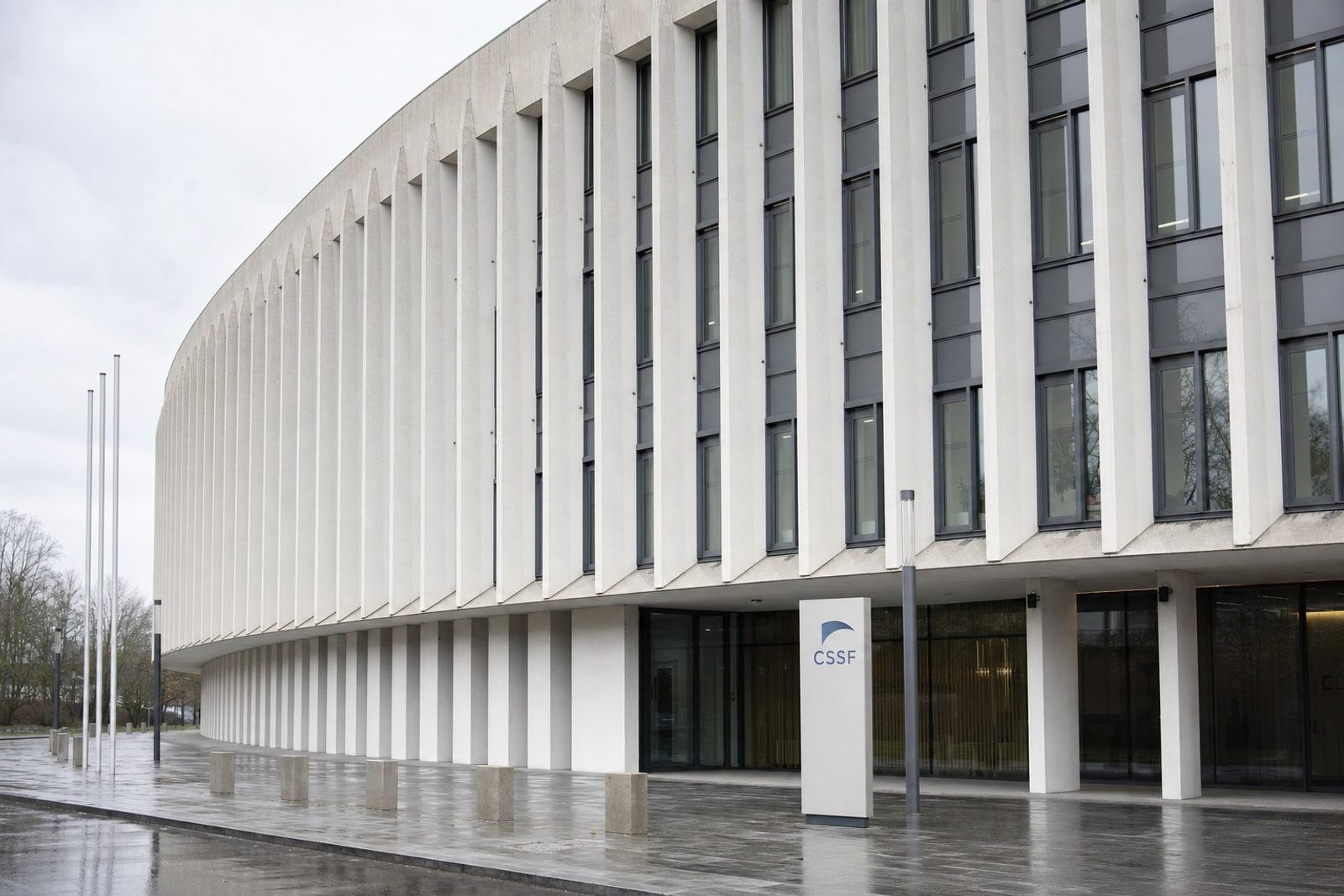
The CSSF states that international financial sanctions must be enforced by every Luxembourg natural or legal person and by anyone operating in or from the country. It supervises compliance by financial-sector professionals, while the Ministry of Finance is the national authority for implementing financial restrictive measures and handling relevant reports and authorisations.
For banks and funds, the immediate work is to rescreen customers, portfolios and counterparties against the final legal annexes, investigate ownership and control, block prohibited transactions and document decisions. Corporate-service providers face the same underlying restrictions when administering companies, directors, domiciliation arrangements or payment flows.
The package therefore creates exposure beyond the value of assets ultimately frozen. Missed links can produce legal and regulatory consequences; indiscriminate blocking can create disputes with lawful clients. For Luxembourg’s financial centre, the credibility test is whether firms can apply the new restrictions quickly, consistently and with an auditable understanding of who ultimately owns, controls or benefits from each structure.
Frequently asked
- Was the EU’s 21st Russia sanctions package formally adopted?
- Yes. Ambassadors reached political agreement on 23 July 2026, and the Council formally adopted the package later that day.
- What new financial restrictions were introduced?
- The package adds asset freezes, transaction bans on 33 more Russian financial institutions, restrictions on four non-Russian banks and bans involving 14 third-country crypto-service platforms.
- How much Russian-linked property is frozen in Luxembourg?
- The Luxembourg Ministry of Finance currently reports about €4.7 billion frozen under Regulation 269/2014. That is the accumulated total under the broader regime, not the amount newly affected by this package.
- What must Luxembourg firms do now?
- They must update sanctions screening, examine ownership and control, block prohibited transactions or assets, document decisions and make required reports to the competent authority.
Sources(12)
- 121st package of sanctions: EU hits Russian energy, financial services and crypto hardCouncil of the European Union · consilium.europa.eu
- 2Council Regulation (EU) 2026/1844 of 23 July 2026EUR-Lex · eur-lex.europa.eu
- 3EU ambassadors agree 21st sanctions package against Russia, EU diplomats sayReuters · investing.com
- 4EU struggles to adopt new round of economic sanctions against RussiaLe Monde · lemonde.fr
- 5EU adopts a 21st package of sanctions far less ambitious than expectedAgence Europe · agenceurope.eu
- 6EU agrees on new round of sanctions against RussiaDeutsche Welle · amp.dw.com
- 7International financial sanctionsLuxembourg Ministry of Finance · mfin.gouvernement.lu
- 8International financial sanctionsCommission de Surveillance du Secteur Financier · cssf.lu
- 9Asset Freezes under Council Regulation 269/2014: Update as of 6 May 2026FinancialCrime.lu · financialcrime.lu
- 10Russia's Central Bank Sues the EU in Luxembourg as Frozen Assets Pass €4.7 BillionÉtude · etude.lu
- 11Un juste équilibreLuxembourg Government · gouvernement.lu
- 12CSSF Headquarters, LuxembourgArchello · archello.com
Related by topic