Iran–Israel war
Iran adviser threatens ‘full-scale offensive’ as US expands strikes
Mohsen Rezaee conditioned his warning on another two or three days of US attacks, but Tehran has not announced a new operational plan.
By Camille Reuter · · 4 min read
TEHRAN — A senior Iranian military adviser has warned that Iran could shift to “full-scale offensive operations” if American attacks continue for several more days, sharpening the risk of a still broader war as the United States expands its air campaign and reinforces its regional posture.
The threat was made on Iranian state television on Friday by Mohsen Rezaee, a former commander of the Islamic Revolutionary Guard Corps who now advises Supreme Leader Mojtaba Khamenei. A Reuters report rendered his wording as “full-scale offensive operations”; ANSA translated it as an all-out offensive and said Rezaee specified a trigger of another two or three days of US attacks.
“If US strikes continue for several more days, we will move into a phase of full-scale offensive operations.”
Rezaee also said Iran would cease limiting itself to retaliation and that no political border would provide safety, according to the published translations. His remarks were a conditional warning by an influential adviser, however, rather than a detailed announcement from Iran’s armed forces. No campaign name, target list, operational timetable or new force deployment accompanied the statement.
A direct war is already under way
The warning does not mark the possible beginning of a direct US-Iran confrontation: that threshold has already been crossed. US and Iranian forces were exchanging attacks across the region before Rezaee spoke, following the collapse of an interim framework intended to halt the war and reopen the Strait of Hormuz.
US Central Command said early Saturday that it had completed a seventh consecutive night of strikes. According to parallel reports by The Associated Press and Reuters, the targets included surveillance sites, military logistics infrastructure, underground weapons storage and maritime capabilities. CENTCOM said aircraft, aerial drones and warships took part.
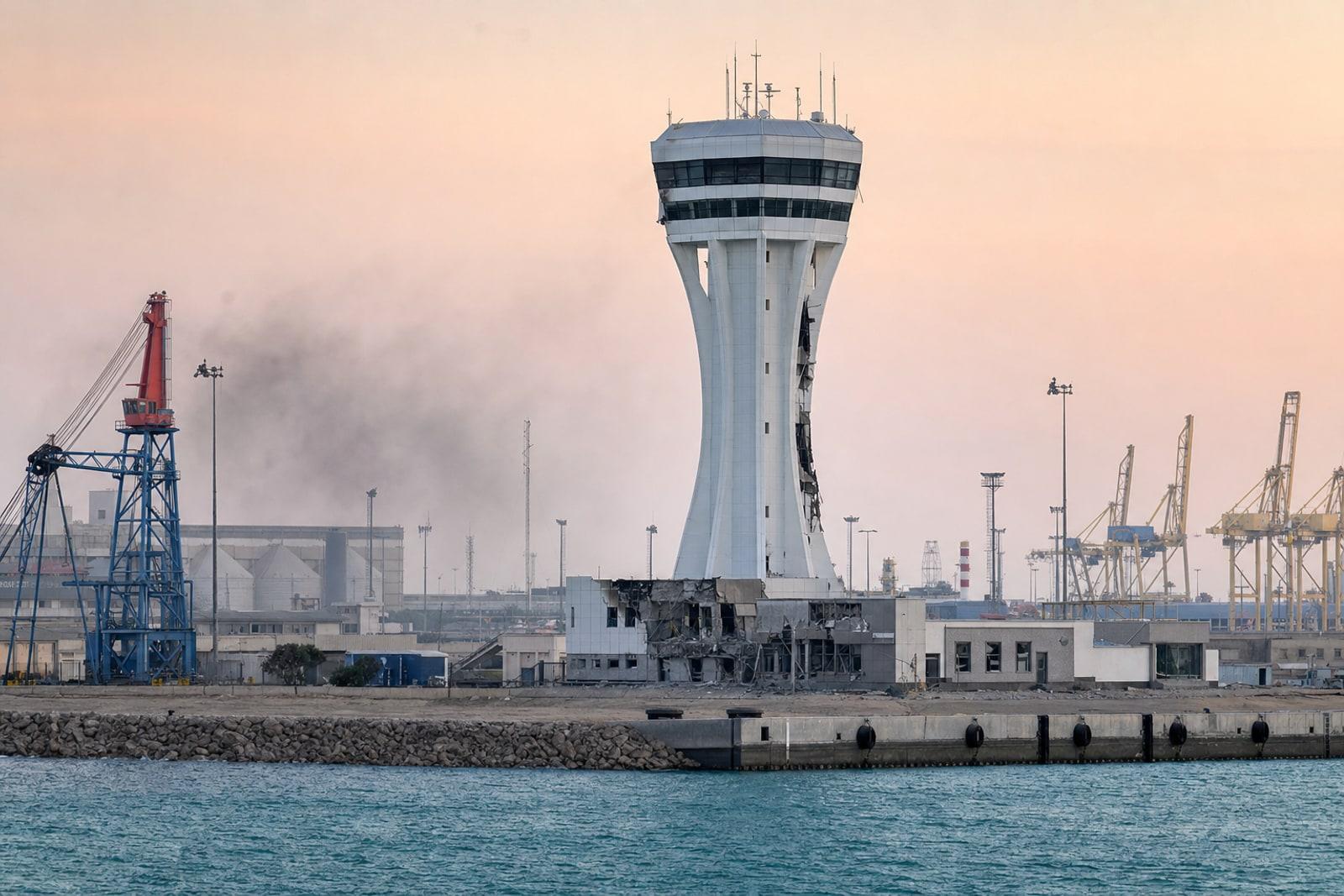
The American attacks have moved beyond coastal missile and radar positions. Bridges in southern Iran and a tower at Chabahar port were also hit, according to Iranian reports and subsequent US military confirmation. The widening target set increases the danger that attacks intended to pressure Tehran over navigation through Hormuz could spread further into economic or civilian-supporting infrastructure.
Iran, meanwhile, has announced concrete operations of its own. Its military said it launched missiles and drones against American facilities in Bahrain, Kuwait and Jordan during the latest exchanges. Governments in the region reported incoming Iranian fire, interceptions, injuries and damage, although claims that particular US installations were successfully struck could not always be independently confirmed.
Washington adds striking capacity
The United States already has an unusually large military concentration around Iran. AP and The Washington Post reported this week that at least 19 American warships were deployed in the region, including two aircraft carriers and an amphibious assault ship with more than 1,000 Marines aboard. CENTCOM has also described hundreds of military aircraft as operating across the Middle East.
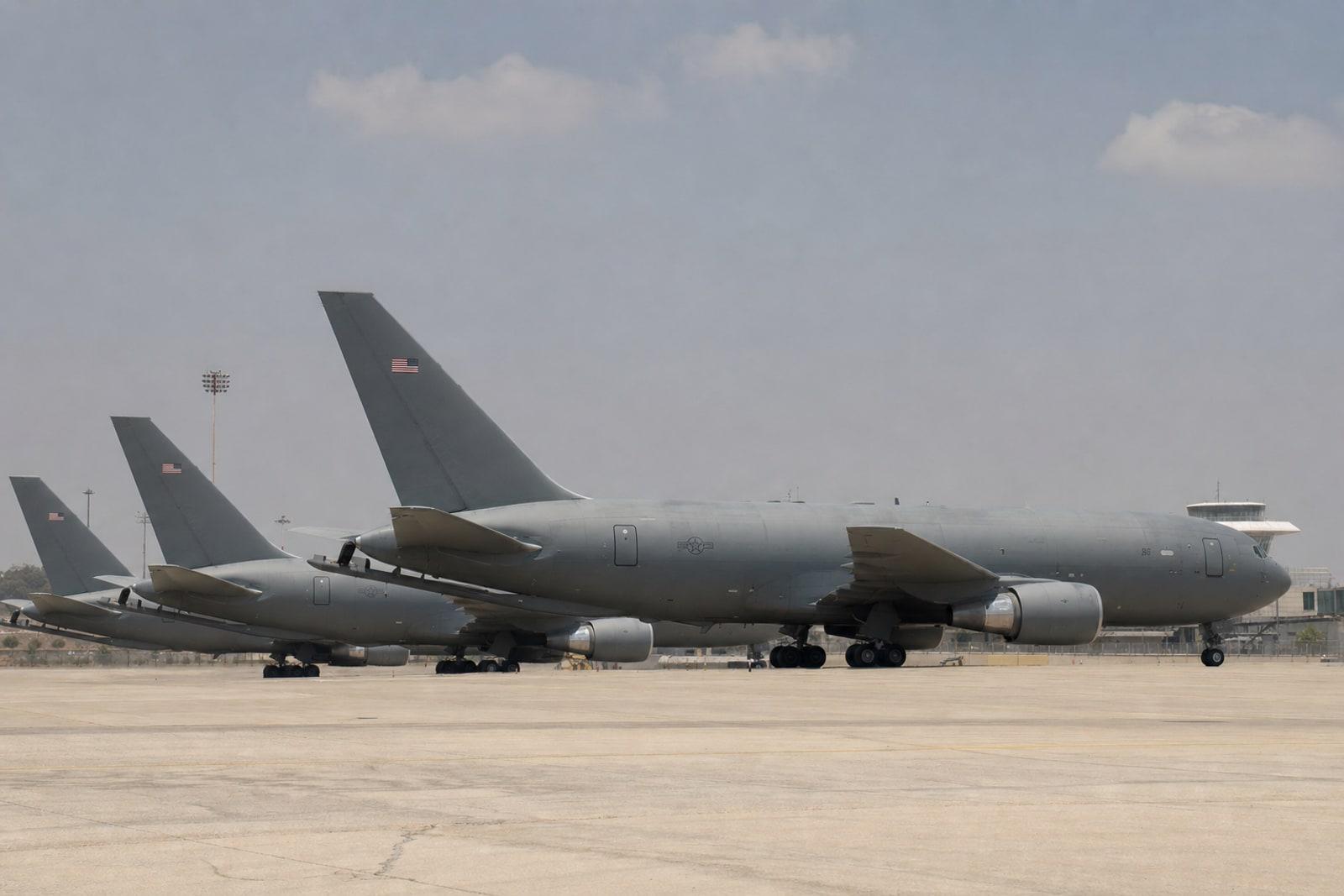
There are signs that Washington is preparing to sustain or enlarge its air campaign. Axios, citing three US and Israeli officials, reported that the Trump administration had notified Israel that it planned to send dozens of additional aerial-refuelling aircraft. Xinhua separately cited Israel’s Channel 12 as reporting a similar planned movement. There was no accompanying public Pentagon confirmation.
Aerial tankers allow fighters and bombers to remain airborne longer and operate at greater range. Their reported deployment does not establish that President Donald Trump has approved a broader offensive, but it would give commanders more capacity if such an order were issued.
- Rezaee’s threat is conditional on US attacks continuing for another two or three days.
- Iran has not published a new operational plan corresponding to the threatened offensive phase.
- Both countries are already conducting direct attacks, while Washington is enforcing a blockade of Iranian ports.
- Reported US tanker movements would increase operational capacity but do not by themselves prove a decision to expand the war.
Diplomacy survives, but talks have stopped
Diplomatic channels have not completely closed. AP reported that Pakistan, Qatar and Egypt were working to return Washington and Tehran to talks. Neither side had formally notified Pakistan that it was withdrawing from the June framework, regional officials said, but the agreement’s 60-day negotiating process had halted.
Pakistan’s Foreign Ministry said on Thursday that its prime minister had spoken with Qatar’s emir and Iranian President Masoud Pezeshkian on July 10. Pakistan’s foreign minister spoke with his Iranian counterpart, Abbas Araghchi, on July 12, while Islamabad said its diplomatic engagement with Washington also remained open. The contacts show that mediation continues, but they have not produced a renewed cessation of attacks.
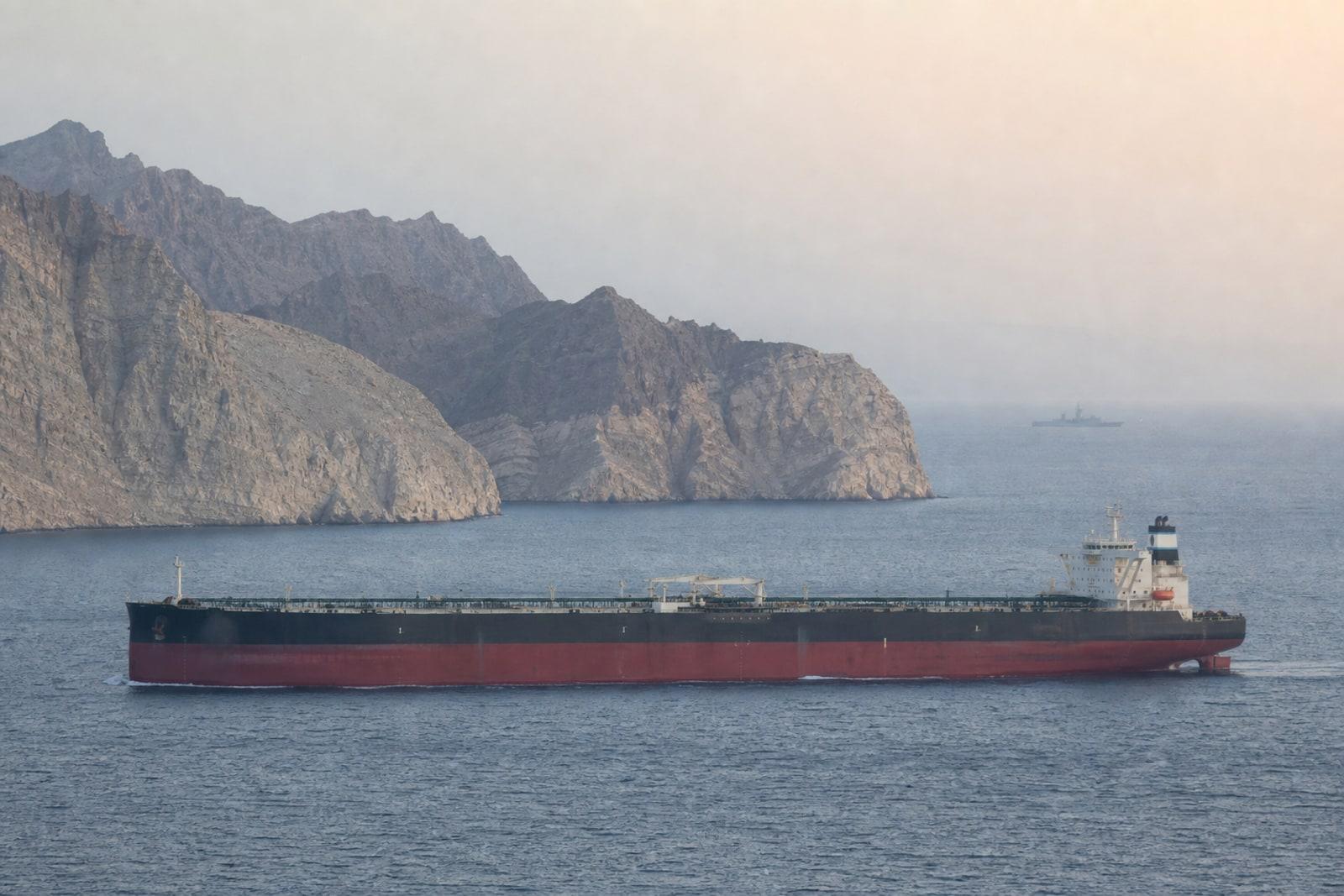
The core dispute remains the Strait of Hormuz. Iran argues that it can regulate traffic through the waterway; Washington insists on free passage and has reimposed a blockade of Iranian ports. Before the war, roughly one-fifth of global oil and gas shipments passed through the strait. Renewed restrictions and attacks on shipping have again raised energy prices and insurance risks.
Rezaee’s warning therefore matters less as the announcement of a specific new operation than as a signal that Tehran wants Washington and its regional partners to expect attacks beyond the present pattern. With substantial American forces already engaged, Iranian missiles reaching several neighbouring states and mediation producing no pause, the margin for containing the confrontation is narrowing.
Frequently asked
- Who made Iran’s “full-scale offensive” threat?
- Mohsen Rezaee, a former commander of the Islamic Revolutionary Guard Corps and a military adviser to Iran’s supreme leader, made the warning on Iranian state television on July 17, 2026.
- What would trigger the threatened escalation?
- Published translations say Rezaee conditioned it on US attacks continuing for another two or three days. He said Iran would then cease limiting itself to retaliatory action.
- Has Iran announced a new offensive operation?
- No named campaign, target list or operational timetable accompanied the warning. Iran has, however, already announced ongoing missile and drone attacks against US facilities and regional states hosting American forces.
- Are diplomatic contacts continuing?
- Yes. Pakistan, Qatar and Egypt are trying to revive negotiations, and Pakistan says channels with Iran, Qatar and the United States remain open. The June framework’s formal negotiating process has nevertheless halted.
Sources(13)
- 1Iranian official threatens ‘full-scale offensive’ if US strikes continueReuters via The Times of Israel · timesofisrael.com
- 2L'Iran minaccia, 'offensiva a tutto campo se gli attacchi Usa continuano'ANSA · ansa.it
- 3US hits bridges and a key port as its Iran campaign expandsAssociated Press · apnews.com
- 4US military says it completed latest strikes on Iran, marking 7th consecutive night of attacksReuters · investing.com
- 5Iran launches fresh attacks after sixth day of US strikesReuters · investing.com
- 6Scoop: U.S. sending dozens of refueling planes to Israel as Iran escalation loomsAxios · axios.com
- 7U.S. to send dozens of military refueling planes to Israel amid Iran escalation: mediaXinhua · china.org.cn
- 8Mediators still trying to get US-Iran talks back on trackAssociated Press · apnews.com
- 9Transcript of the Press Briefing by the Spokesperson on Thursday, 16 July 2026Pakistan Ministry of Foreign Affairs · mofa.gov.pk
- 10US military reimposes its blockade on Iranian portsAssociated Press · apnews.com
- 11Trump says U.S. military will reimpose blockade on Iranian portsThe Washington Post · washingtonpost.com
- 12Qatar Welcomes Signing by US and Iran of MoU on Addressing Outstanding IssuesQatar Ministry of Foreign Affairs · mofa.gov.qa
- 13Iran and US step up attacks, release of American in disputeReuters · investing.com
Related by topic