EU trade
EU divided on how to curb a surge of cheap Chinese exports
From 50% steel duties to the end of duty-free parcels, Brussels is raising barriers against diverted Chinese goods — yet member states disagree how far to go, and Luxembourg is exposed.
By Camille Reuter · · 4 min read
As Washington's tariff wall reshapes global trade, a growing share of the cheap Chinese goods once bound for American shelves is being rerouted to Europe — and Brussels is scrambling to decide how high to raise its own barriers. From steel and electric cars to the billions of small parcels shipped by Shein and Temu, the European Union is assembling a thickening lattice of duties and rules. But the bloc remains split over how far to go, a tension felt acutely in open, trade-dependent economies such as Luxembourg.
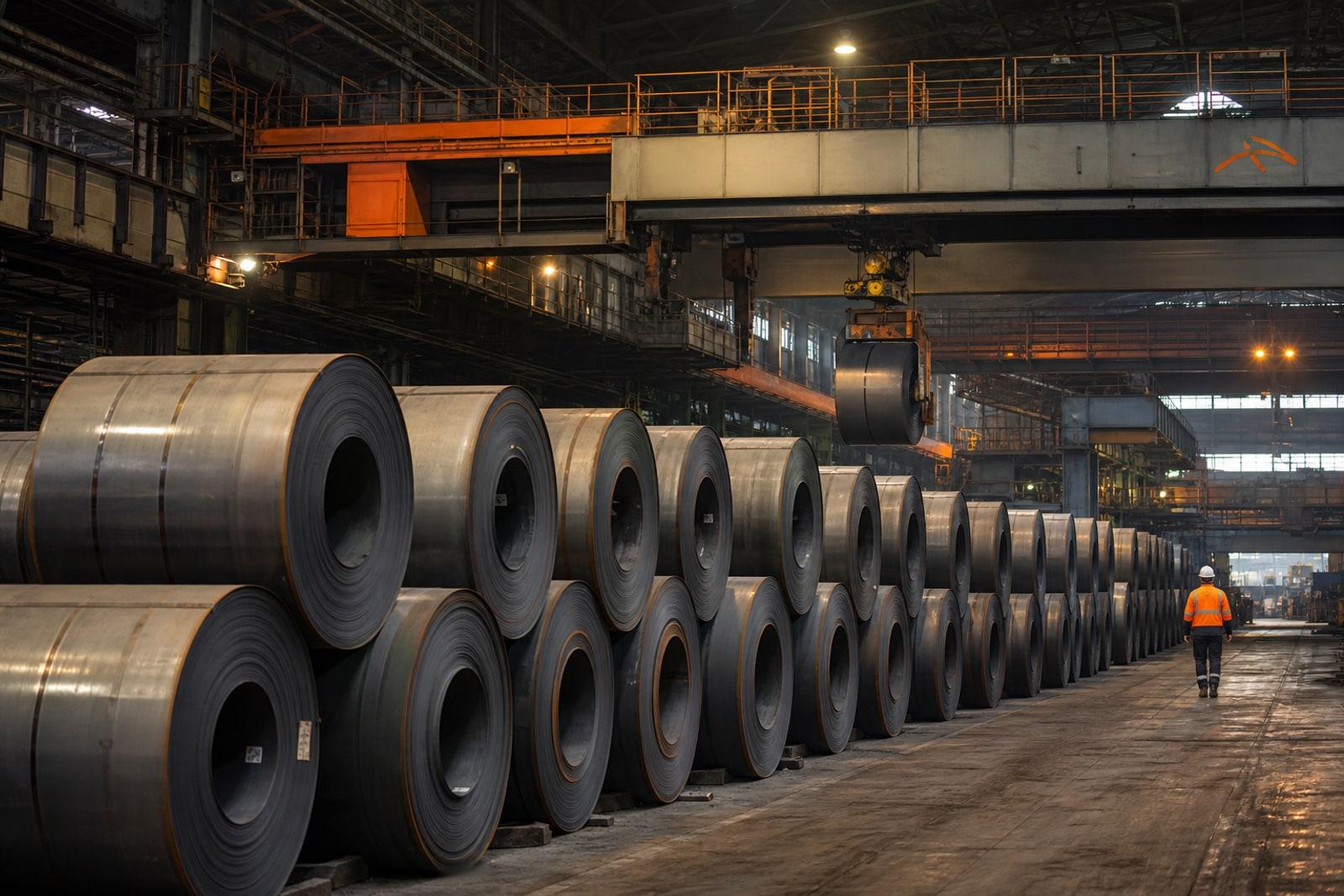
The starkest signal has come on steel. Under a political agreement struck between the European Parliament and member states in April, the EU will replace its expiring safeguard regime with far tighter limits from 1 July 2026, the day the current scheme lapses.
A 50% wall around European steel
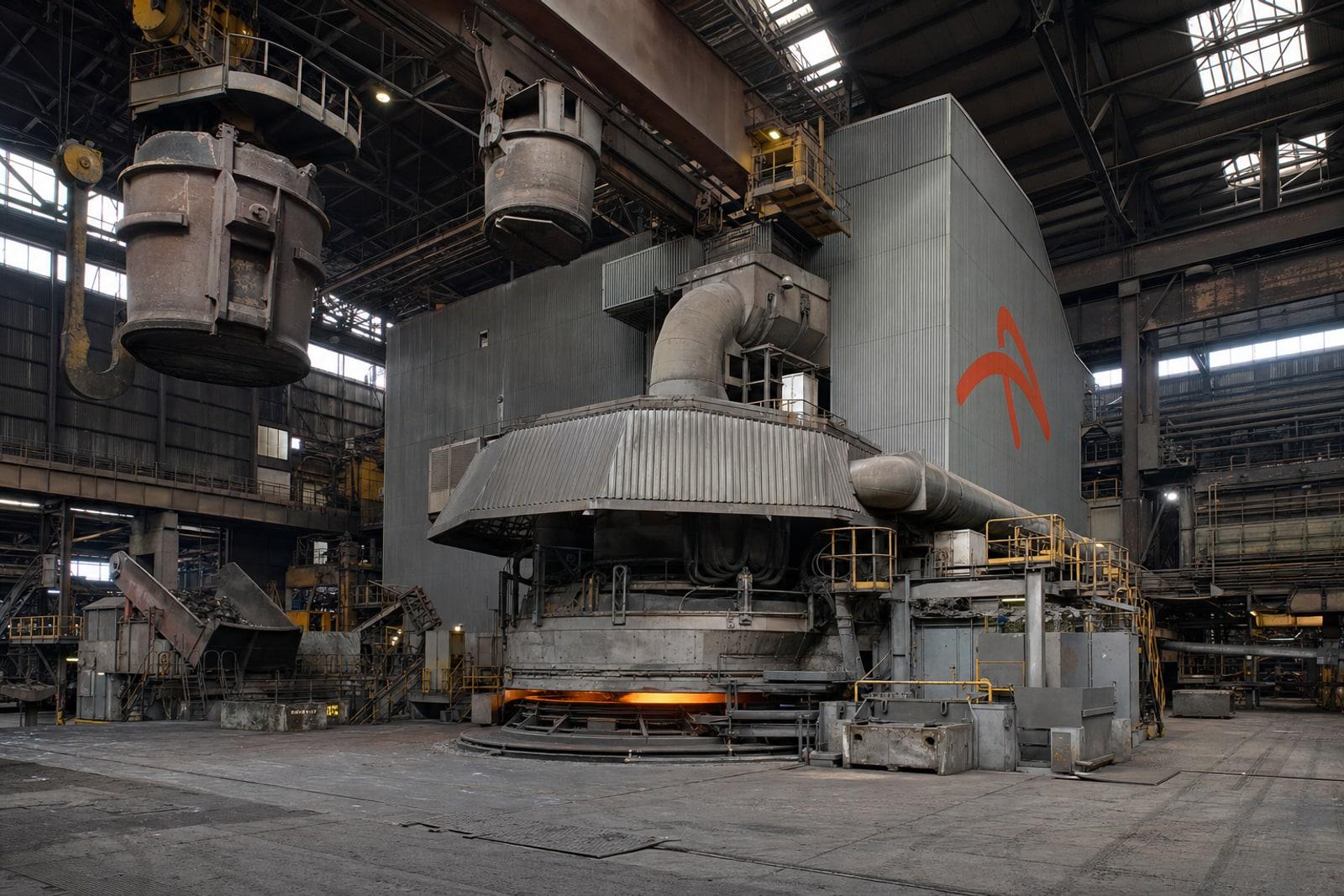
The new measure, welcomed by the European Commission, cuts the volume of steel that can enter the bloc duty-free to 18.3 million tonnes a year — about 47% below 2024 levels — and doubles the tariff on imports above that quota from 25% to 50%, across roughly 30 product categories. A new "melt and pour" rule defines a consignment's origin by where the steel was first solidified, aiming to stop Chinese metal from slipping in through third countries. The Commission has warned that global steel overcapacity could reach 721 million tonnes by 2027; China alone produces more than half the world's steel.
The shape and global standing of Europe's steel sector are fundamental to our strategic autonomy and industrial strength, said Maroš Šefčovič, the European Commissioner for Trade and Economic Security.
Producers, battered by cheap imports and weak demand, were relieved. "On behalf of all the employees of ArcelorMittal in Europe, I am sincerely relieved by the proposals that have been announced today to support the European steel industry," said Aditya Mittal, chief executive of ArcelorMittal — the world's largest steelmaker outside China, headquartered in Luxembourg City.
The parcel flood and the end of duty-free shopping
The second front is the torrent of small e-commerce packages. Some 4.6 billion low-value parcels — roughly 12 million a day — entered the EU in 2024, and 91% of them came from China, according to the European Parliament. EU officials estimate that up to 65% of such shipments are deliberately undervalued to dodge duties.
To close the gap, the bloc will abolish its long-standing €150 duty-free "de minimis" threshold from 1 July 2026. As an emergency stopgap, ministers approved a flat charge of about €3 per item type, with a permanent system based on each product's actual tariff classification due in 2028. A separate €2-per-parcel handling fee is also in train: finance ministers agreed in November to start it from 1 November 2026, though several governments want it sooner.
- What changes: every parcel from a non-EU seller faces full customs treatment, ending the free pass that underpinned direct-to-consumer shipping.
- Who is targeted: platforms such as Shein and Temu, which built their pricing on threshold-free delivery and have begun shifting stock into EU warehouses.
- The push for speed: France, Belgium, Germany, Luxembourg and the Netherlands are pressing to bring the €2 fee forward to 1 July; Italy is applying its own €2 charge from that date.
"Too many goods enter the European market without proper checks, putting consumer safety at risk and penalising businesses that play by the rules," said Salvatore De Meo, the Italian MEP who steered Parliament's report on low-value imports.
Electric cars expose the split
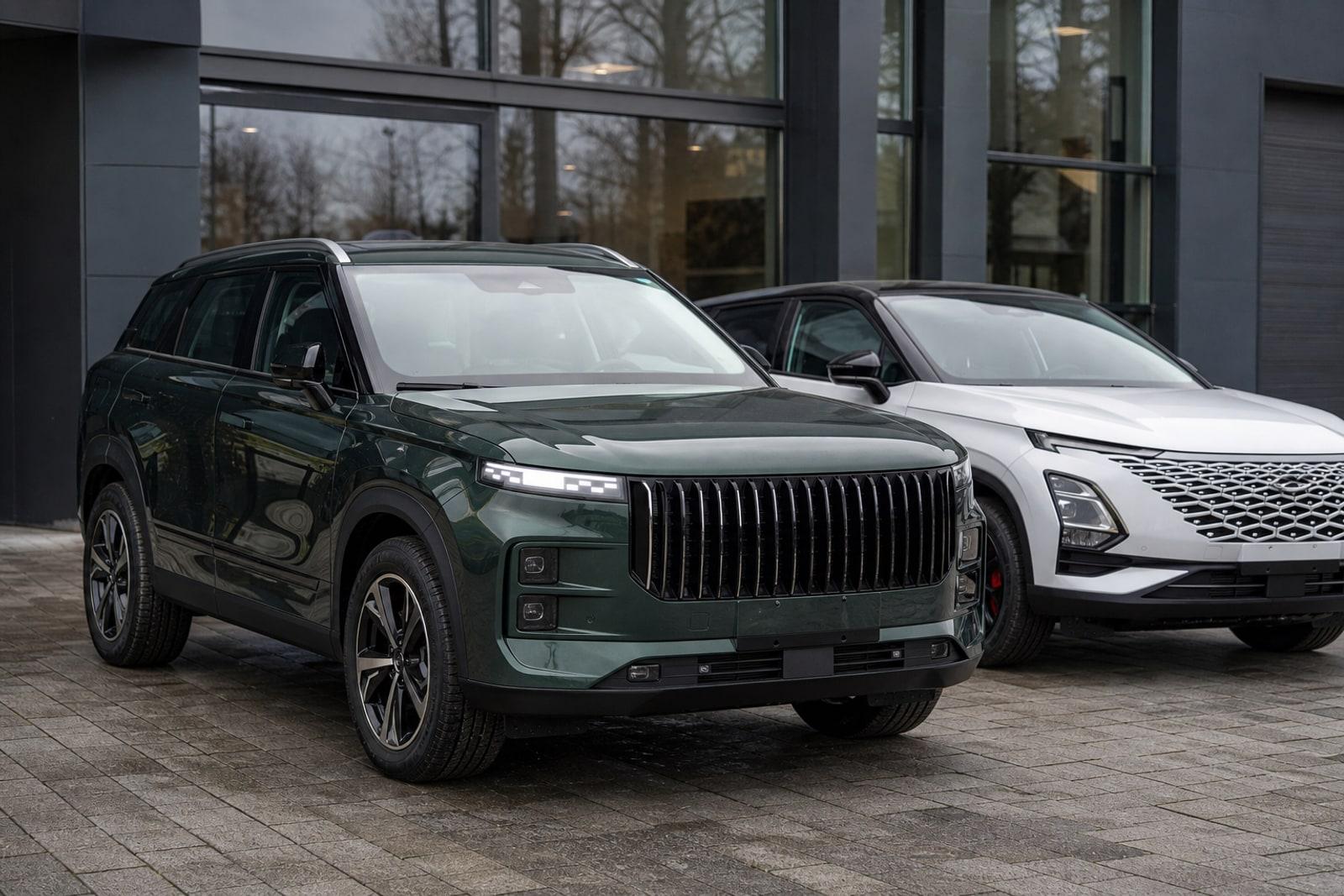
Nowhere is the EU's division clearer than on electric vehicles. Definitive tariffs of up to about 35% — layered on the standard 10% car duty — have applied to China-made battery EVs since late 2024. Yet the measures have barely dented the flow: Chinese car exports to Europe rose 26% between 2024 and 2025 to almost 1.2 million vehicles, while imports of Chinese hybrids surged 155%, as carmakers pivoted to models the tariffs do not cover.
The vote that imposed those duties laid bare the rift. Germany, the bloc's largest car-producing nation, opposed them, fearing retaliation against its exporters in China; Spain abstained; France pressed for a tougher line. That same fault line — exporters wary of escalation against import-pressured industries demanding protection — now runs through every file, from steel to parcels.
Why Luxembourg is watching closely
For Luxembourg, the choice between protectionism and openness is not abstract. The Grand Duchy is home to ArcelorMittal's global headquarters and built its modern prosperity on steel, so tighter import defences shore up a strategic industry and its supply chain. At the same time, the country is one of Europe's most trade-dependent economies and a busy logistics and e-commerce hub, exposed if a wider tit-for-tat with Beijing chills global commerce or raises costs for consumers and distributors.
That dual exposure helps explain why Luxembourg sits among the governments urging faster action on parcels while its flagship steelmaker cheers the new duties. Brussels' balancing act — shielding strategic industries without abandoning the open trading order that smaller economies rely on — will define the next phase of the EU's response. As cheap exports keep arriving, the only certainty is that the bloc's internal argument over how to answer them is far from settled.
Frequently asked
- What is the EU changing on steel imports?
- From 1 July 2026 the duty-free steel quota is cut to 18.3 million tonnes a year — about 47% below 2024 levels — and the tariff on imports above that quota doubles from 25% to 50%, with a new 'melt and pour' rule to curb transshipment.
- What happens to cheap parcels from Shein and Temu?
- The EU's €150 duty-free de minimis threshold is abolished from 1 July 2026. An interim flat charge of about €3 per item type applies, a permanent classification-based system follows in 2028, and a separate €2 handling fee is being phased in.
- Why does this matter for Luxembourg?
- Luxembourg hosts ArcelorMittal's headquarters and has deep steel roots, so import defences help a strategic industry — but as a highly open, trade-dependent logistics hub it is also exposed if protectionism triggers wider trade friction.
- Why is the EU divided?
- Export-heavy states such as Germany fear Chinese retaliation and resist tougher measures, while France and import-pressured industries want stronger protection. The split was clearest in the vote on EV tariffs, where Germany opposed and Spain abstained.
Sources(10)
- 1EU doubles steel tariffs to 50% to curb surge of cheap Chinese importsFrance 24 · france24.com
- 2Commission welcomes political agreement on new EU steel measureEUROMETAL / European Commission · eurometal.net
- 3Europe has had enough of China's export surgeAtlantic Council · atlanticcouncil.org
- 4Steel overcapacity: Council adopts mandate on new rules to protect EU steel industry from global overcapacityCouncil of the EU (Consilium) · consilium.europa.eu
- 5ArcelorMittal endorses EU steel trade measuresRecycling Today / ArcelorMittal · recyclingtoday.com
- 6EU targets low-value imports via e-commerce platformsEuropean Parliament · europarl.europa.eu
- 7Customs: Council agrees to levy customs duty on small parcels as of 1 July 2026Council of the EU (Consilium) · consilium.europa.eu
- 8EU €2 parcel customs handling fee may start July 2026VATCalc · vatcalc.com
- 9Five questions (and expert answers) about the EU's divided support for tariffs on Chinese EVsAtlantic Council · atlanticcouncil.org
- 10Slamming the Brakes: The EU Votes to Impose Tariffs on Chinese EVsCSIS · csis.org
Related by topic