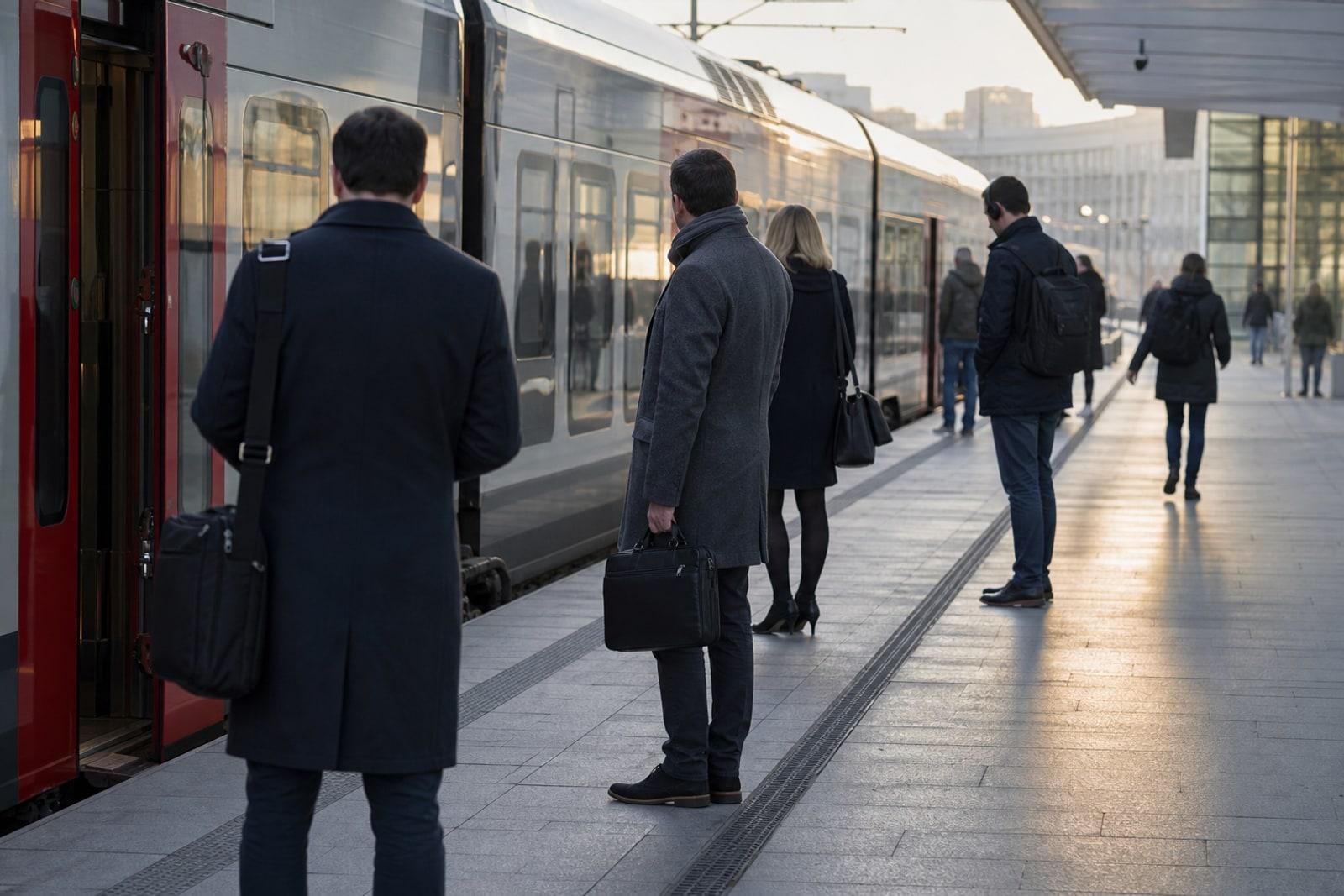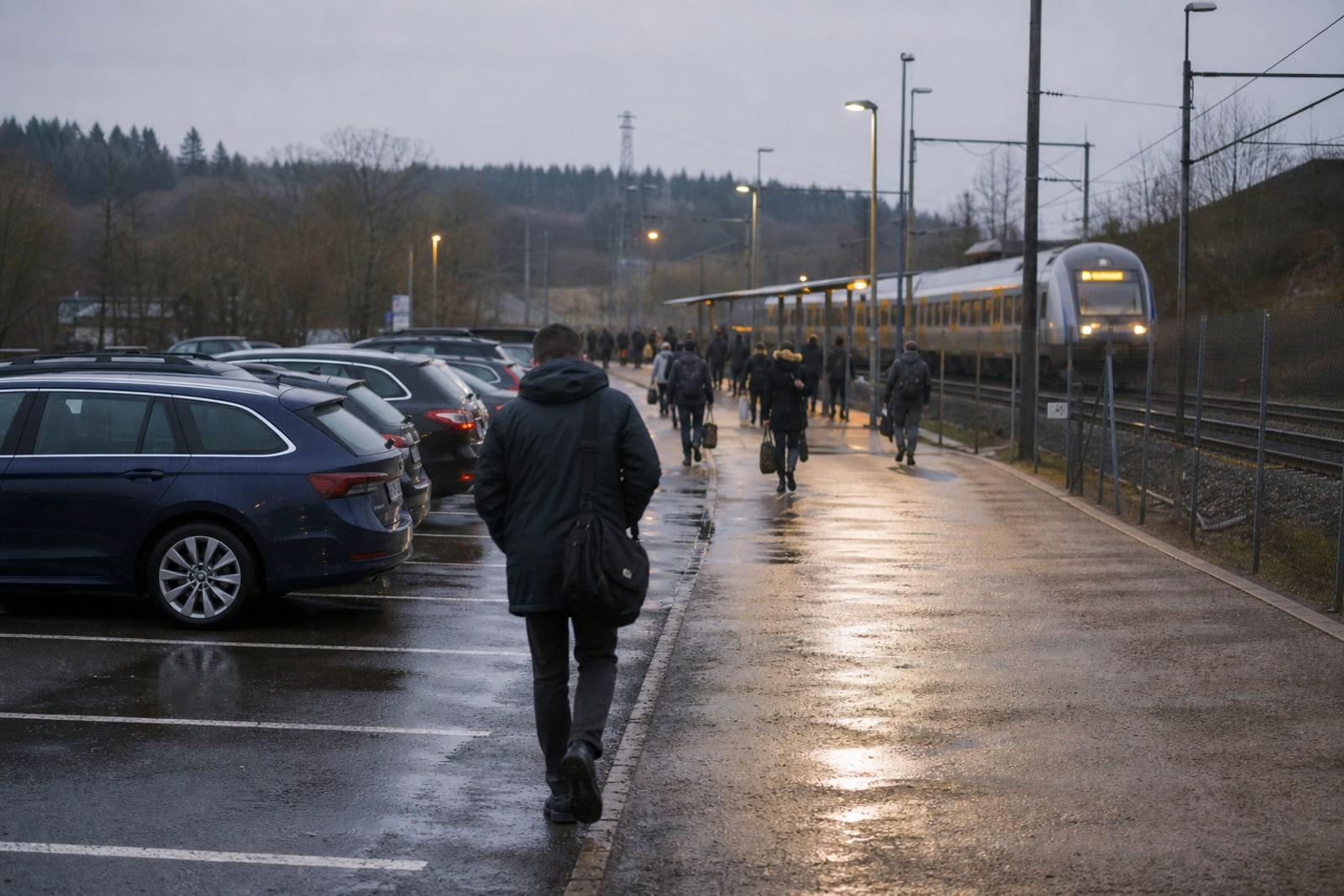
Luxembourg attracts skilled workers but faces retention challenges
Luxembourg has not lost its ability to attract international expertise, but new evidence shows that housing costs, labour-market churn and administrative friction threaten retention.

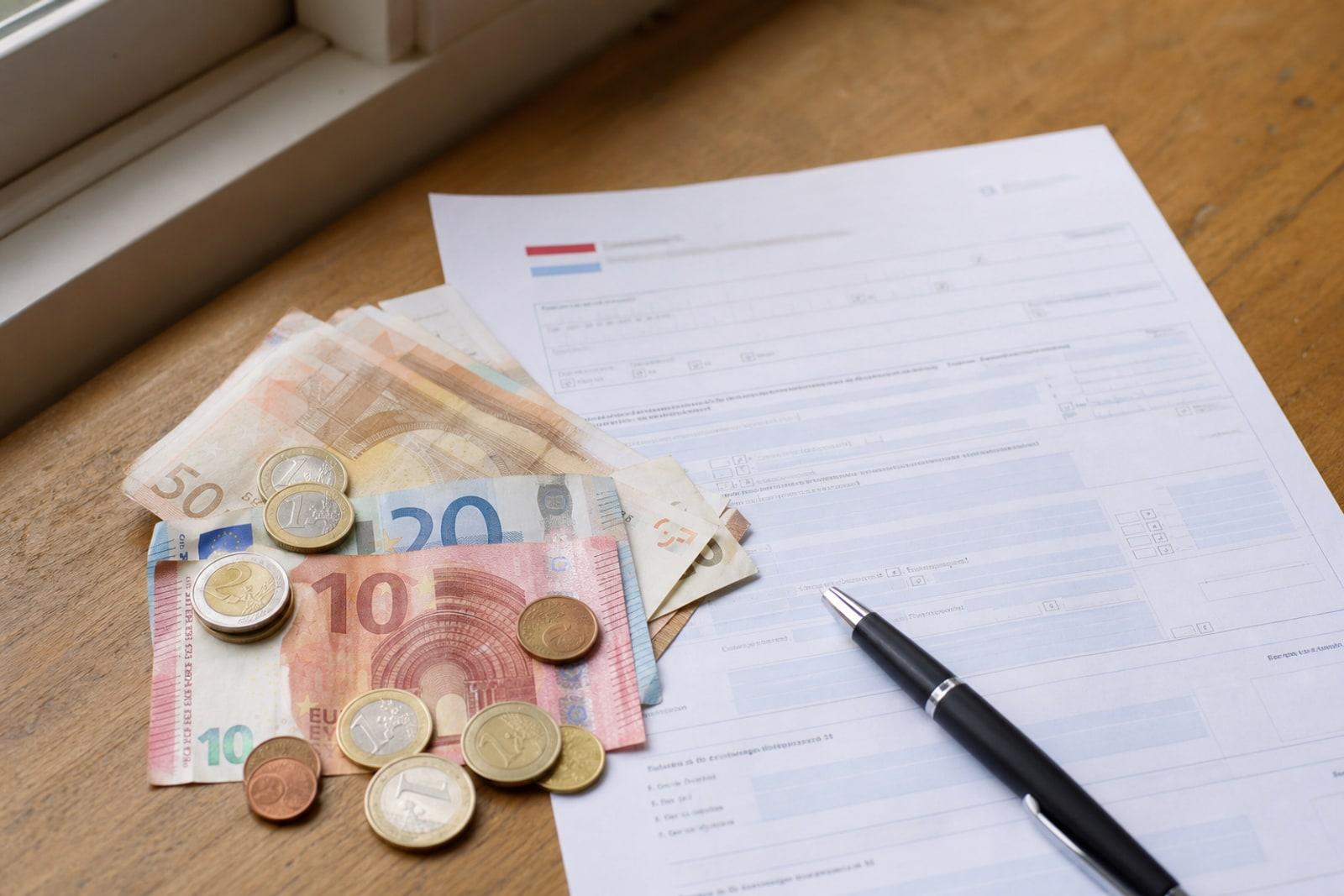
Luxembourg has not lost its ability to attract international expertise, but new evidence shows that housing costs, labour-market churn and administrative friction threaten retention.
A practical guide to Luxembourg's statutory health insurance: who the CNS covers, how affiliation and reimbursement work, the new Paiement Immédiat Direct, and what supplementary cover exists.

A plain-English guide to Luxembourg's income tax classes 1, 1a and 2 — who is in each, why class 2 saves married and partnered couples money through income splitting, how to change class after marriage or PACS, how cross-border workers are treated, and what Bill 8676's single tax class would change from 2028.

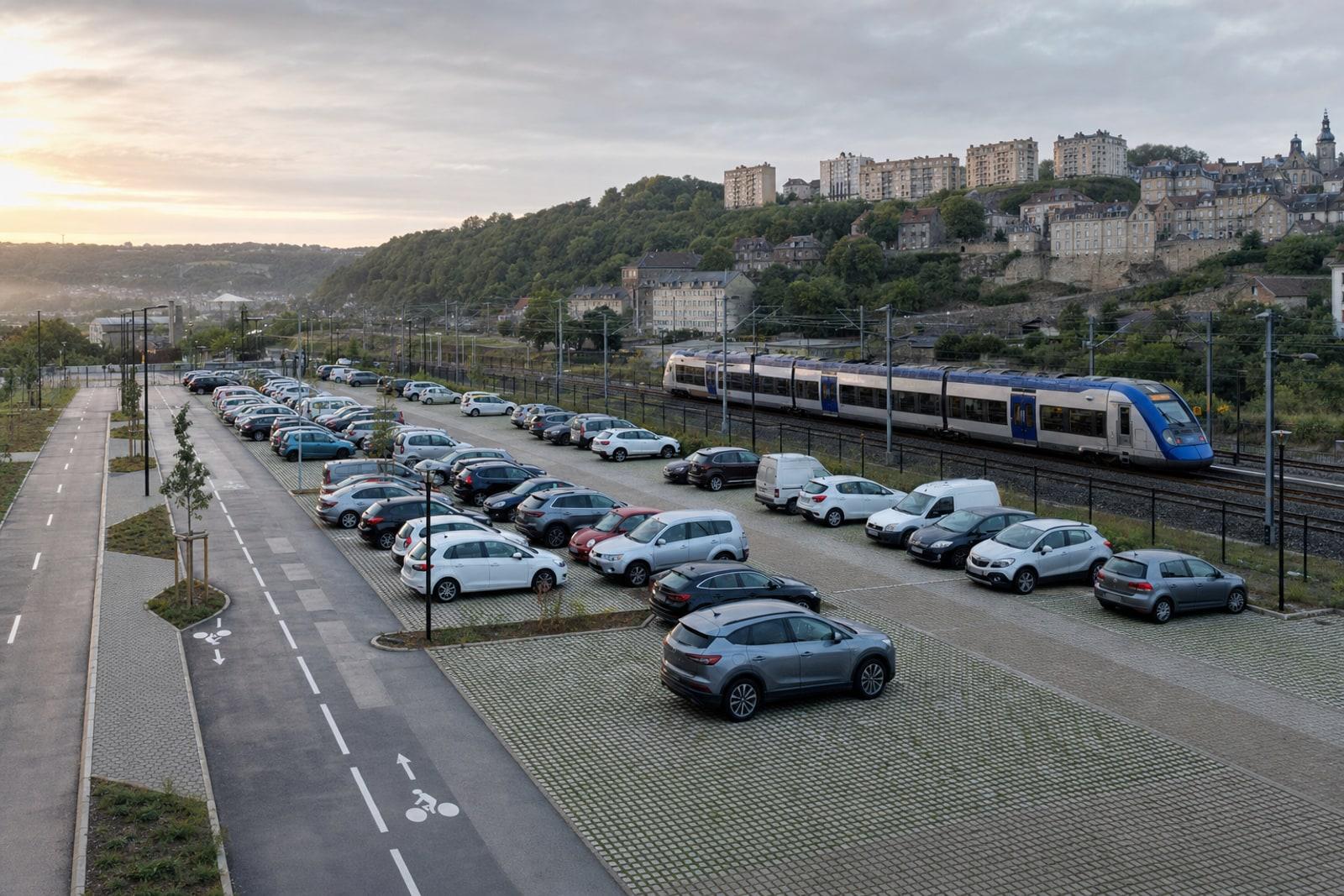
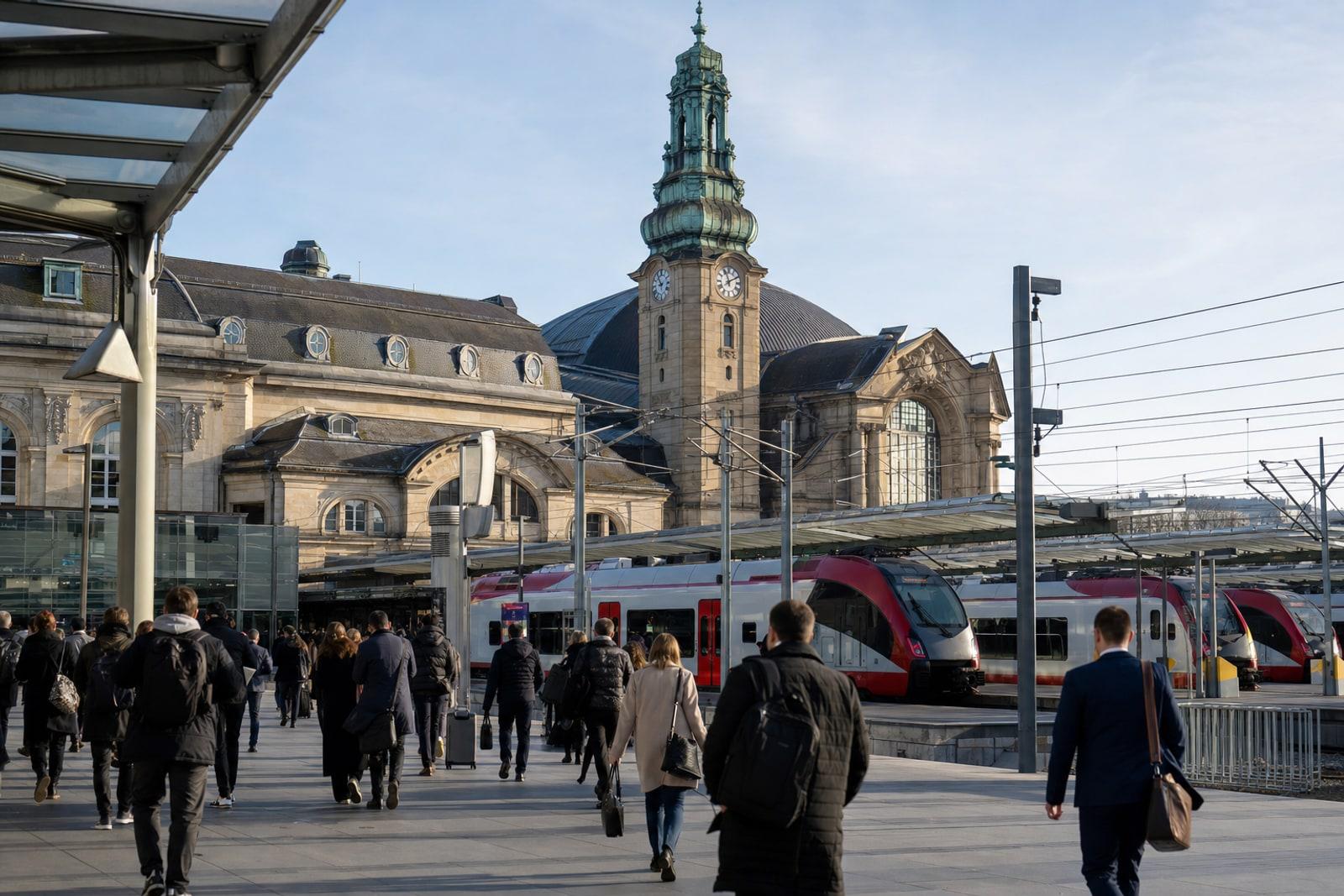
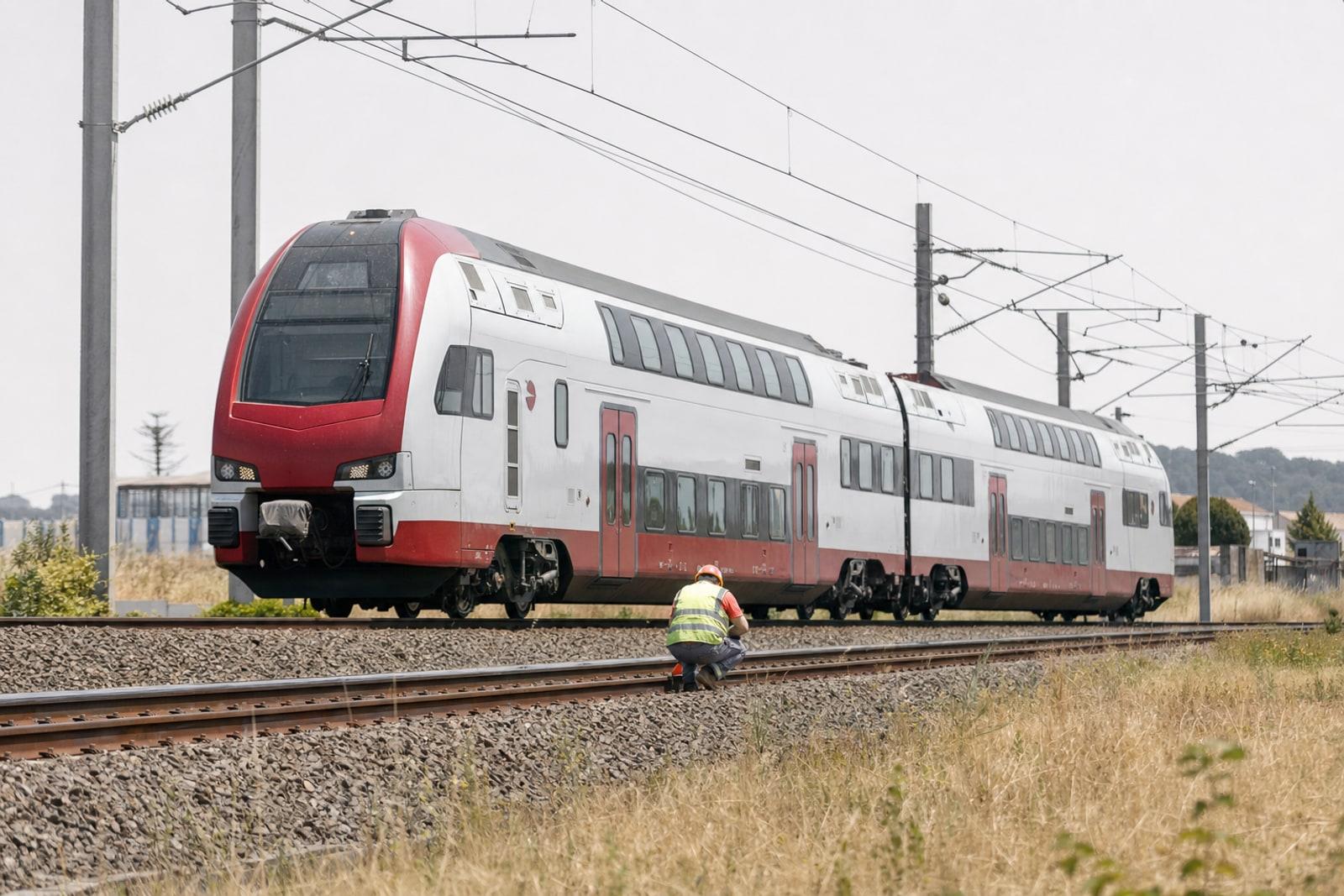
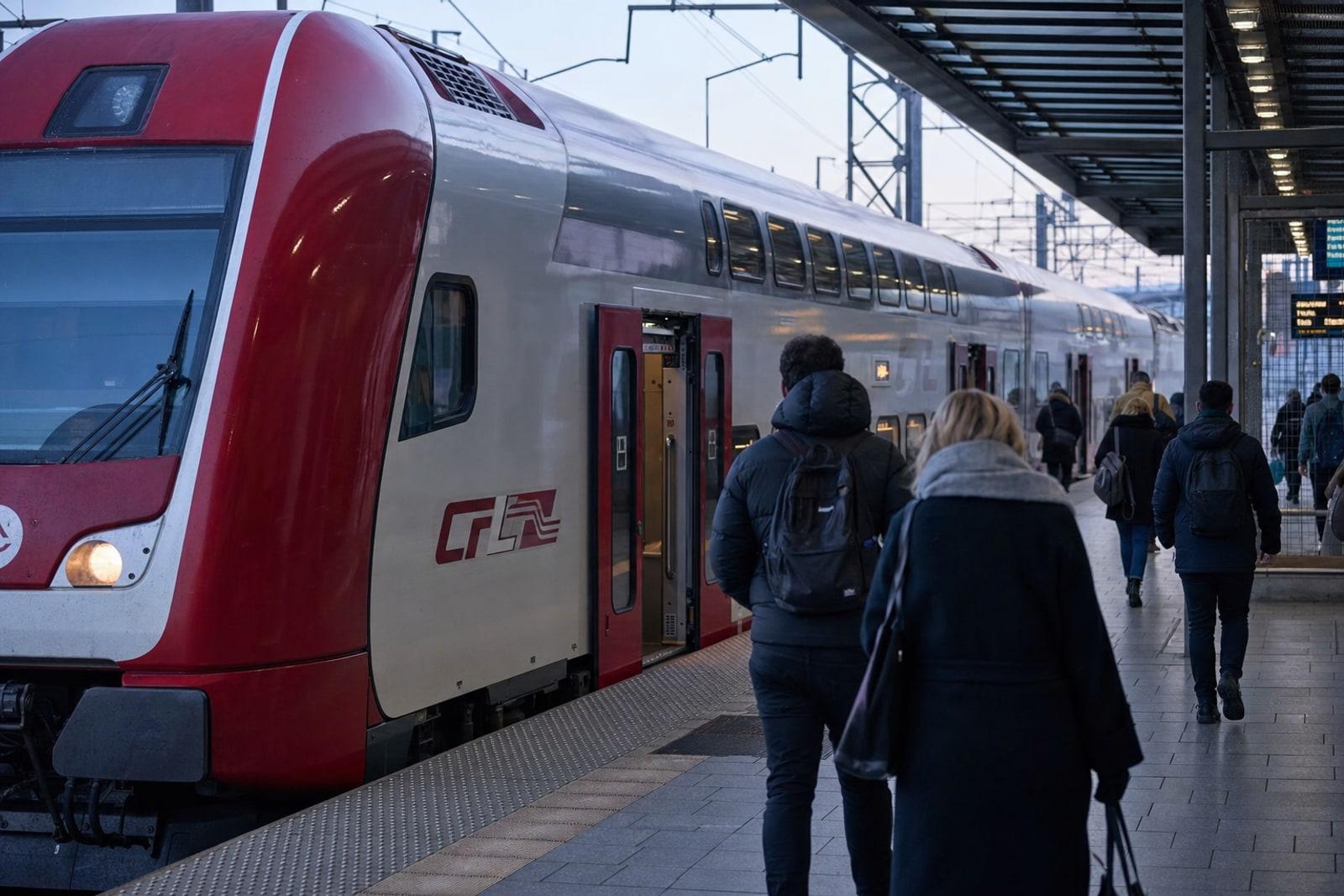
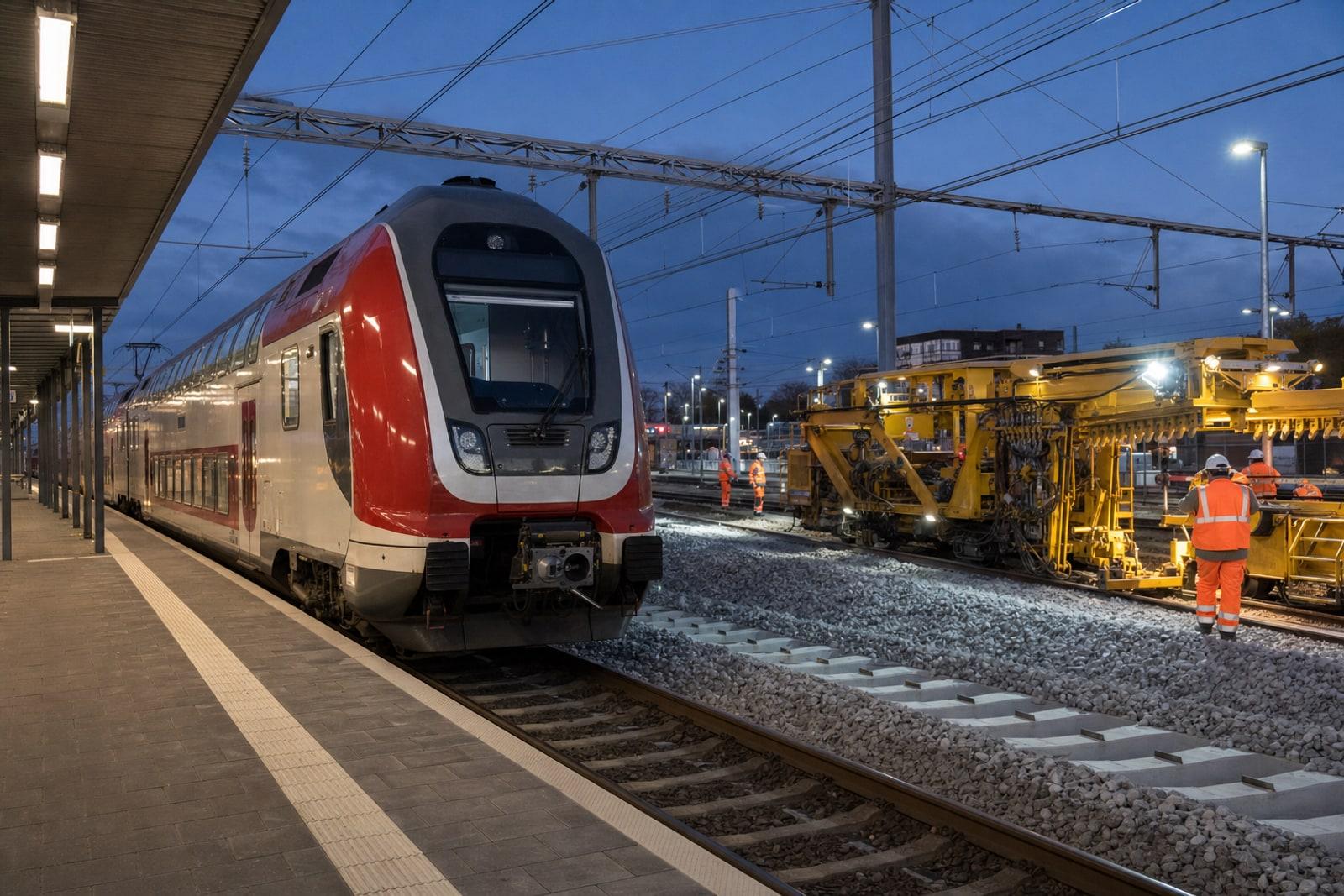
Luxembourg's national railway CFL has laid out its heaviest works calendar in years: nearly 30km of track renewed in 2026, with closures concentrated in every school holiday and replacement buses running on the routes to Thionville, Arlon and Trier. The programme opens a 15-year, €4.7bn infrastructure contract signed in December 2025, cementing Luxembourg's position as Europe's top per-capita rail investor.

Longwy and the Meurthe-et-Moselle department want Luxembourg to help finance the public services strained by tens of thousands of daily commuters, and a French interministerial delegate to negotiate it. Luxembourg insists it already co-finances cross-border infrastructure and prefers projects to permanent payments — even as it pays Belgian communes nearly €48 million a year.

Luxembourg's Centre commun de la sécurité sociale collected €8.77 billion in social security contributions in 2025, up 6.7%, as a growing and better-paid workforce — nearly half of it cross-border — underpinned the country's pensions and health system amid building long-term sustainability pressures.

French commuters are driving almost all of Luxembourg's cross-border hiring while German numbers slip, reshaping the workforce that fills nearly half the Grand Duchy's jobs.

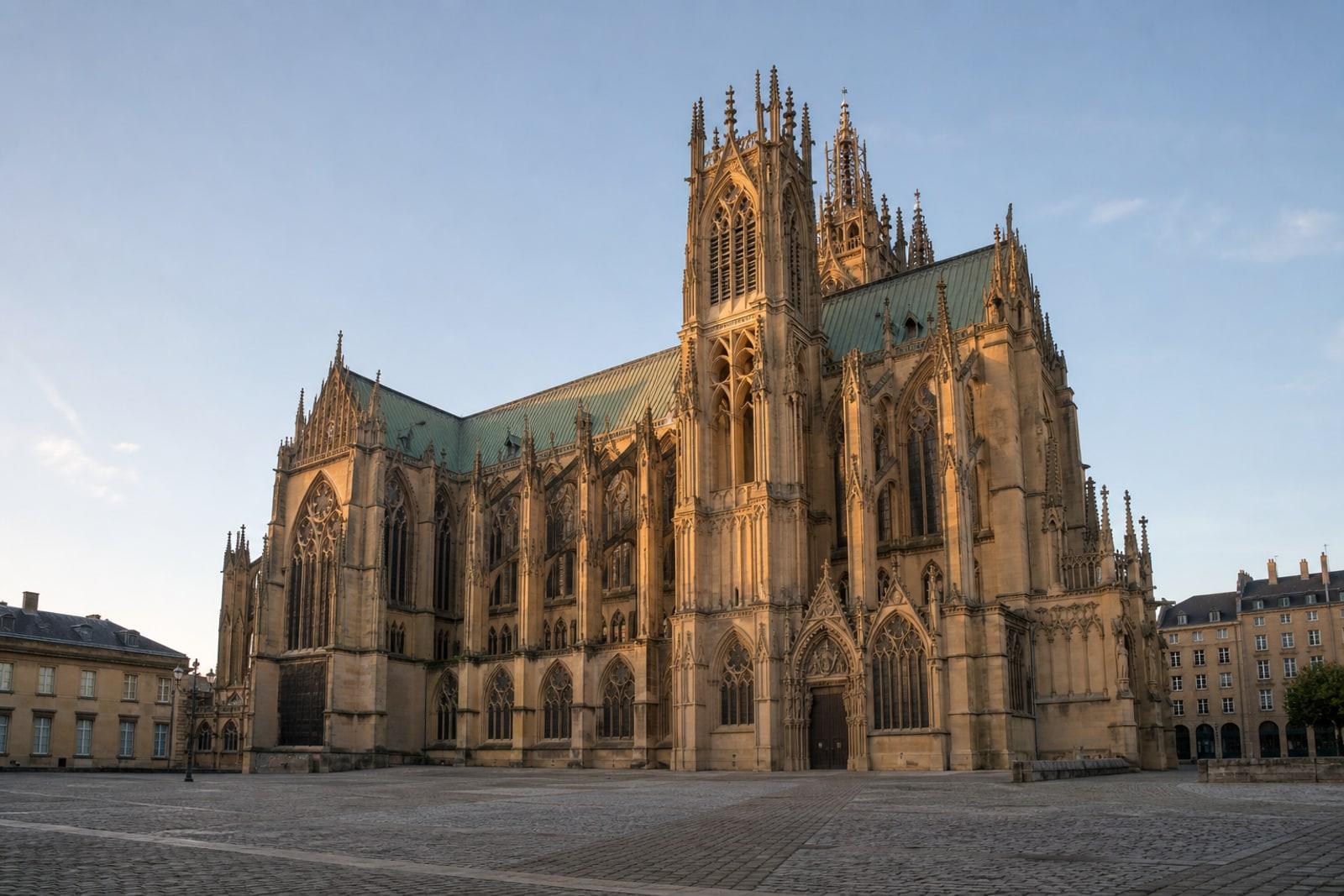
Pope Leo XIV will end his 25-28 September trip to France in Metz, celebrating Mass at the Cathedral of Saint-Étienne in a leg dedicated to European reconciliation and the legacy of EU founding father Robert Schuman. The Moselle city sits inside Luxembourg's cross-border catchment, putting a papal gesture toward a divided Europe on the Grand Duchy's doorstep.

Jordan Bardella's Rassemblement National has spelled out a plan to stay inside the EU while gutting its rules from within. For Luxembourg — 47% of whose workers commute across borders — the stakes are existential.

A red-alert heatwave deformed track near Berchem on 22 June 2026, forcing Luxembourg's CFL to cancel and slow trains on its Esch-sur-Alzette and Thionville–Metz lines, hitting cross-border commuters as rail networks across Europe cut services.

Luxembourg's seasonally adjusted unemployment rate slipped to 6.2% at the end of May 2026 and employers declared more vacancies, even as registered resident jobseekers rose 6.5% year-on-year, ADEM figures show — a mixed picture against a flat eurozone labour market.

Luxembourg's social minimum wage rose 2.5% on 1 June 2026 to €2,771.33 gross a month for unskilled work and €3,325.59 for qualified work. A guide to the hourly rates, the under-18 tiers, gross-to-net deductions and how indexation moves the figure.

A plain-language guide to Luxembourg's family allowance in 2026: the current monthly amounts and age supplements, who qualifies (including cross-border workers), how to apply to the CAE, and the birth and back-to-school allowances.

Luxembourg's registered jobseekers rose 6.5% year-on-year in May 2026 while employer vacancies climbed 7.6%, a divergence ADEM and the government attribute to a deepening skills mismatch.

The LUXTALENT study by the Luxembourg Institute of Socio-Economic Research finds that roughly eight in ten of the foreign workers arriving on Luxembourg's labour market hold a university degree, and nearly nine in ten new entrants in 2024 were born abroad. The findings quantify how the Grand Duchy's prosperity rests on importing skilled labour from across the EU and beyond — even as half of newcomers leave within five years, with housing costs the main reason.

Cross-border workers — frontaliers — make up close to half of Luxembourg's employees. We explain where they come from, why the country depends on them, and the strains the arrangement creates.