Greater Region
The Greater Region: the 220,000 commuters who keep Luxembourg running
Nearly half of Luxembourg's workforce lives in France, Belgium or Germany and crosses a border to work each day.
By Jonas Thill · · · 1 min read
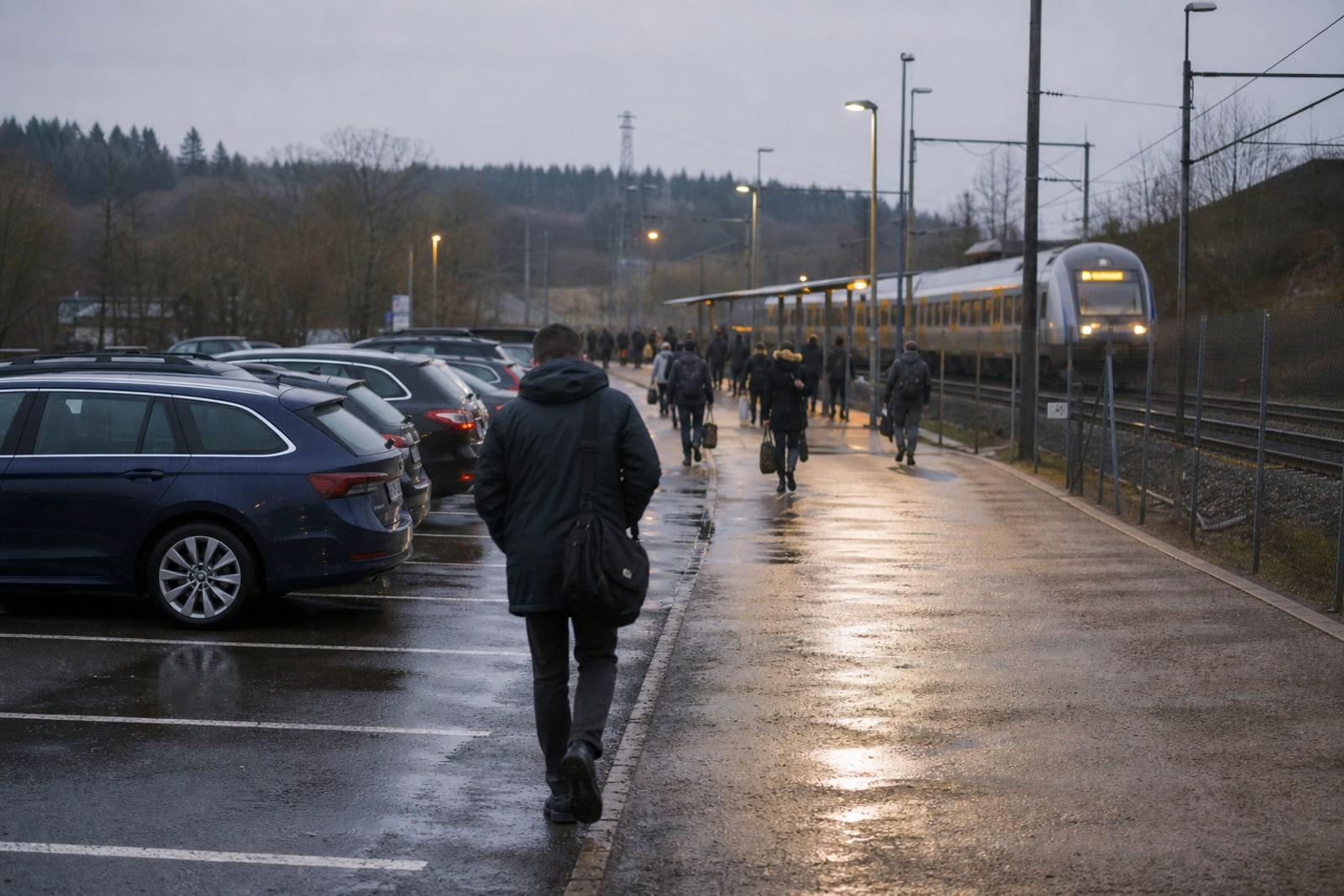
Every working morning, more than 220,000 people cross a border to get to their jobs in Luxembourg. They are the frontaliers — cross-border commuters from the French Lorraine, Belgian province of Luxembourg and German Saarland and Rhineland — and they make up close to half of the Grand Duchy's entire workforce.
A workforce that lives next door
Luxembourg's economy grew faster than its housing and its labour pool could supply, so it drew workers from the surrounding regions instead. The arrangement is woven into the EU's founding promise of free movement — symbolically born just upstream, in the Moselle village of Schengen, where the 1985 agreement to abolish internal border checks was signed aboard a riverboat.
Convenience and strain
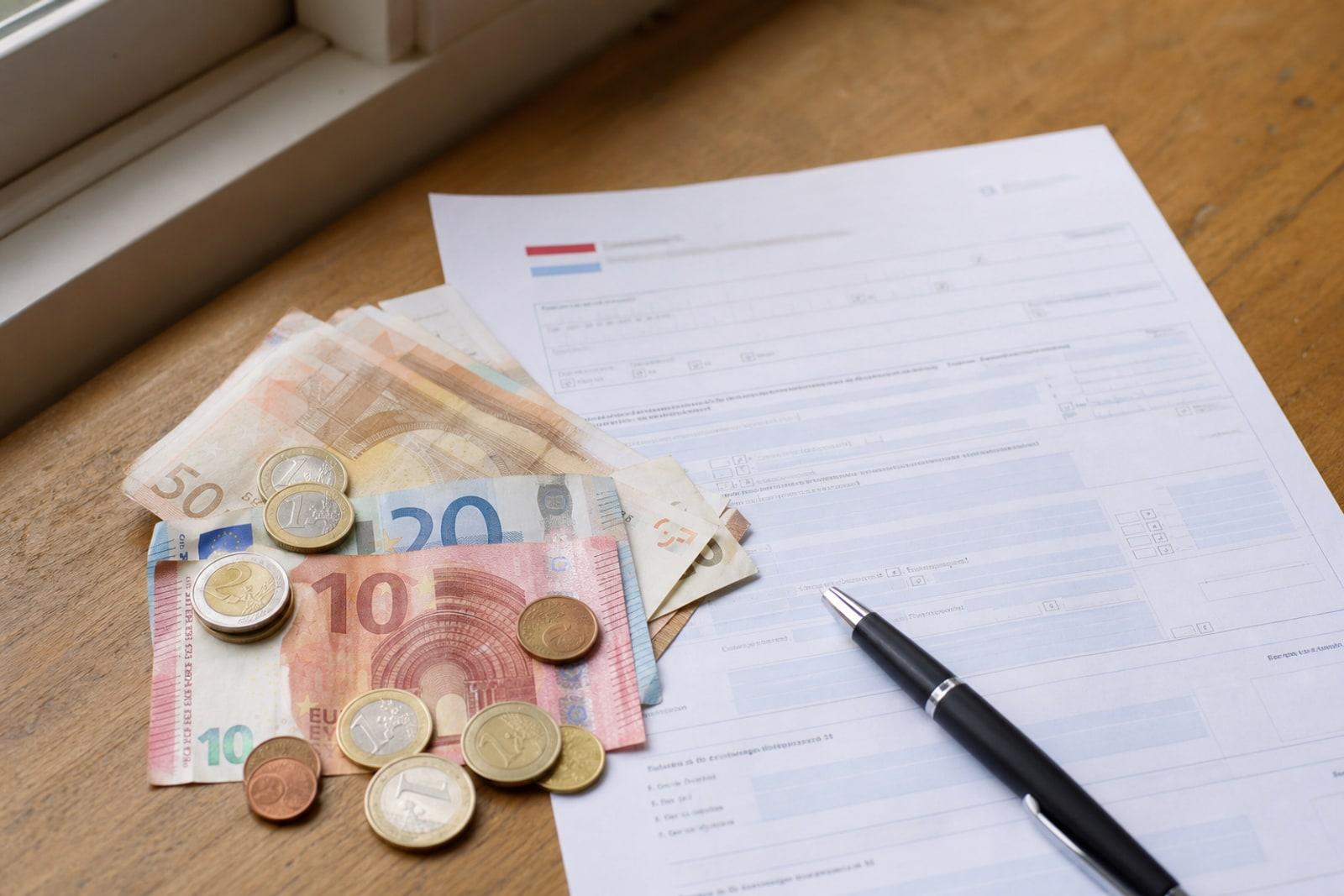
The dependence cuts both ways. Cross-border workers fill hospitals, banks and building sites the country could not staff alone; in return, Luxembourg's salaries lift entire towns across the border. But the daily tide also clogs motorways and trains, and tax rules on how many days a frontalier may work from home have become a recurring point of negotiation between Luxembourg and its neighbours.
For the Greater Region — a cross-border bloc of around 11 million people — Luxembourg is the economic engine. Managing the flow of people it pulls in every day is one of the defining policy questions of the next decade.
Related by topic
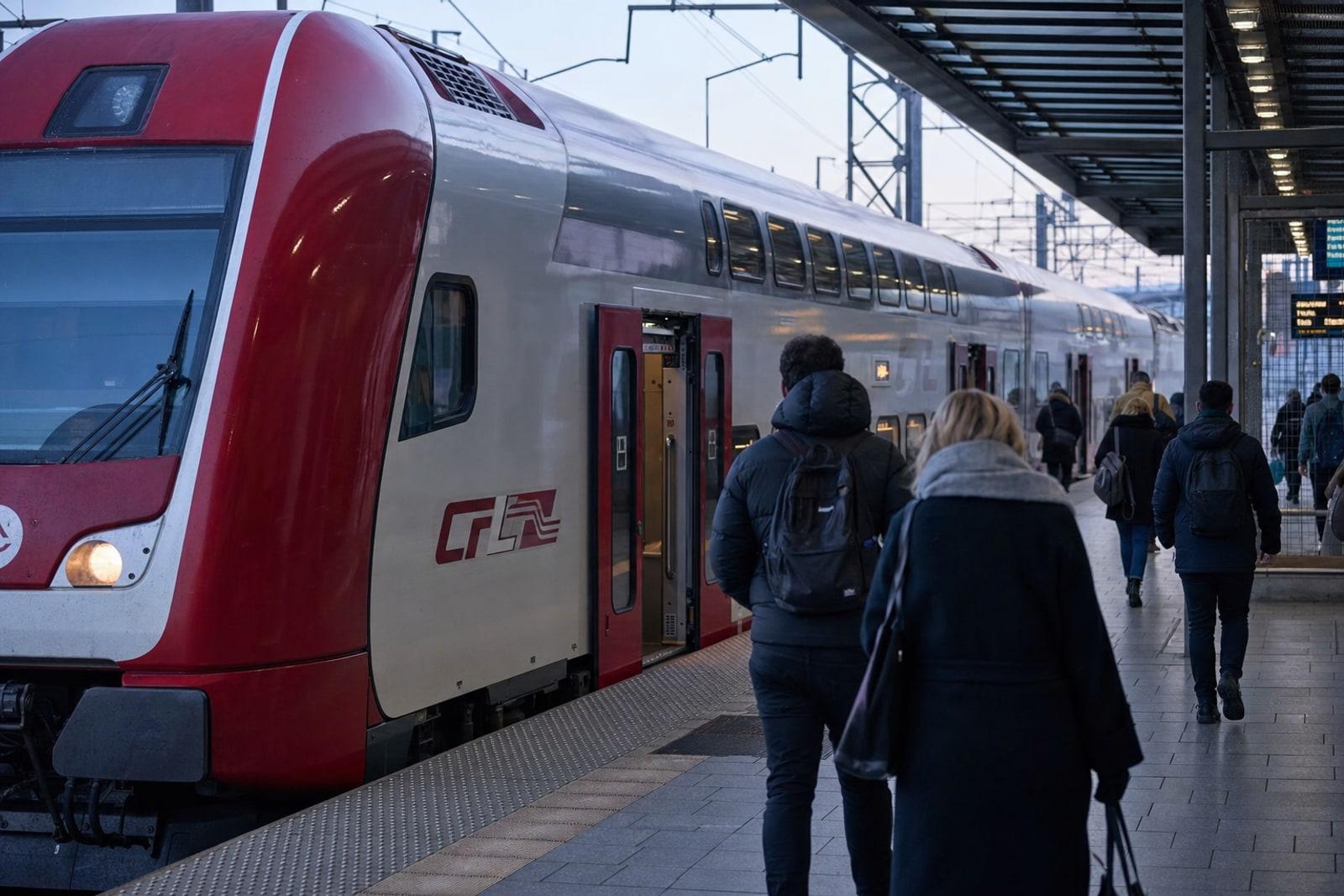
Luxembourg attracts skilled workers but faces retention challenges