Middle East
Officials warn southern Syria could become next Middle East front
As an Israel-Iran truce holds, officials and analysts warn that Israel's expanding presence in the south and the unresolved Druze crisis could open a dangerous new front — with Europe exposed.
By Camille Reuter · · 4 min read
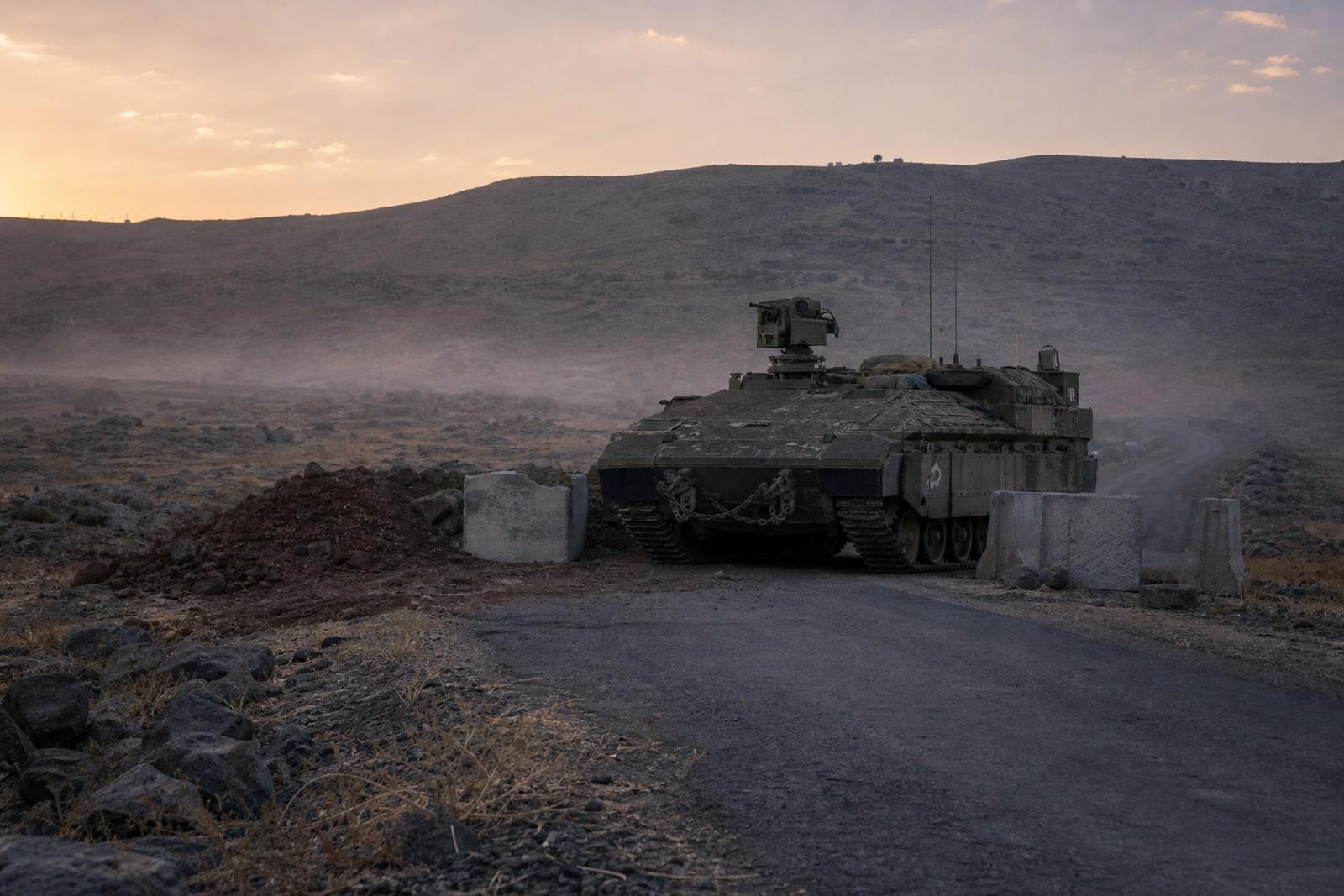
As a fragile understanding pauses the war between Israel and Iran, diplomats and analysts are pointing to a different stretch of the map as the most likely place for the Middle East's next front to open: southern Syria, where Israel's steadily expanding military footprint and a still-raw sectarian crisis around the Druze heartland of Suwayda have kept the region one incident away from a wider confrontation.
The pressure is constant. On 18-19 June, nine Israeli military vehicles entered the village of Al-Asbah in the Quneitra countryside and searched homes before withdrawing, Syrian state media and the Associated Press reported. Days later, on 24 June, a smaller patrol set up a temporary checkpoint near Ghadir al-Bustan and detained a passer-by, according to the monitoring outlet Enab Baladi. Such incursions have become routine: rights monitors counted dozens across southern Syria in May alone.
A front that never fully closed
The danger is rooted in a crisis that erupted a year ago. In July 2025, fighting between Druze militias and Bedouin tribes around Suwayda spiralled into days of killing — hundreds died in the first four days, according to the conflict-tracking group ACLED. Israel intervened with airstrikes it said were meant to protect the Druze, bombing the Syrian defence ministry in Damascus. The violence flared again in March 2026, when Israel struck Syrian army positions in the south after what it described as attacks on Druze civilians.
The [Israeli military] will not allow harm to come to Druze in Syria and will continue to act for their protection.
That statement, issued by the Israeli military on 20 March, captures a doctrine that Damascus rejects outright. Syria's foreign ministry called the strikes an assault on the country's sovereignty and territorial integrity, dismissing Israel's stated rationale as a pretext. President Ahmed al-Sharaa, who took power after Bashar al-Assad's fall in December 2024, has tried to project calm, insisting that Syria today is "in harmony with all neighbouring countries regionally and internationally" — even as Israeli forces entrench themselves on its soil.
An expanding buffer, a shrinking margin
Since Assad's government collapsed, Israel has built what Syrian officials and regional media describe as an undeclared buffer zone across the south. Reporting by Asharq Al-Awsat and Arab News, drawing on Syrian government accounts, sketches its scale:
- roughly 235 square kilometres of Syrian land held in and around the zone, according to Syria's interim government;
- nine fixed Israeli military positions established since December 2024;
- near-daily ground incursions, checkpoints and weapons sweeps across Quneitra and Daraa.
Damascus says the deployments violate the 1974 Israel-Syria disengagement agreement and has repeatedly demanded a withdrawal. The United Nations Special Envoy for Syria, Geir Pedersen, has condemned the strikes, warning that "such actions are unacceptable and risk further destabilising an already fragile situation" and urging all parties to respect Syria's sovereignty, unity, independence and territorial integrity. By the UN's running count, Israel has carried out more than 350 strikes on Syrian territory since the old regime fell.
Why Europe is watching
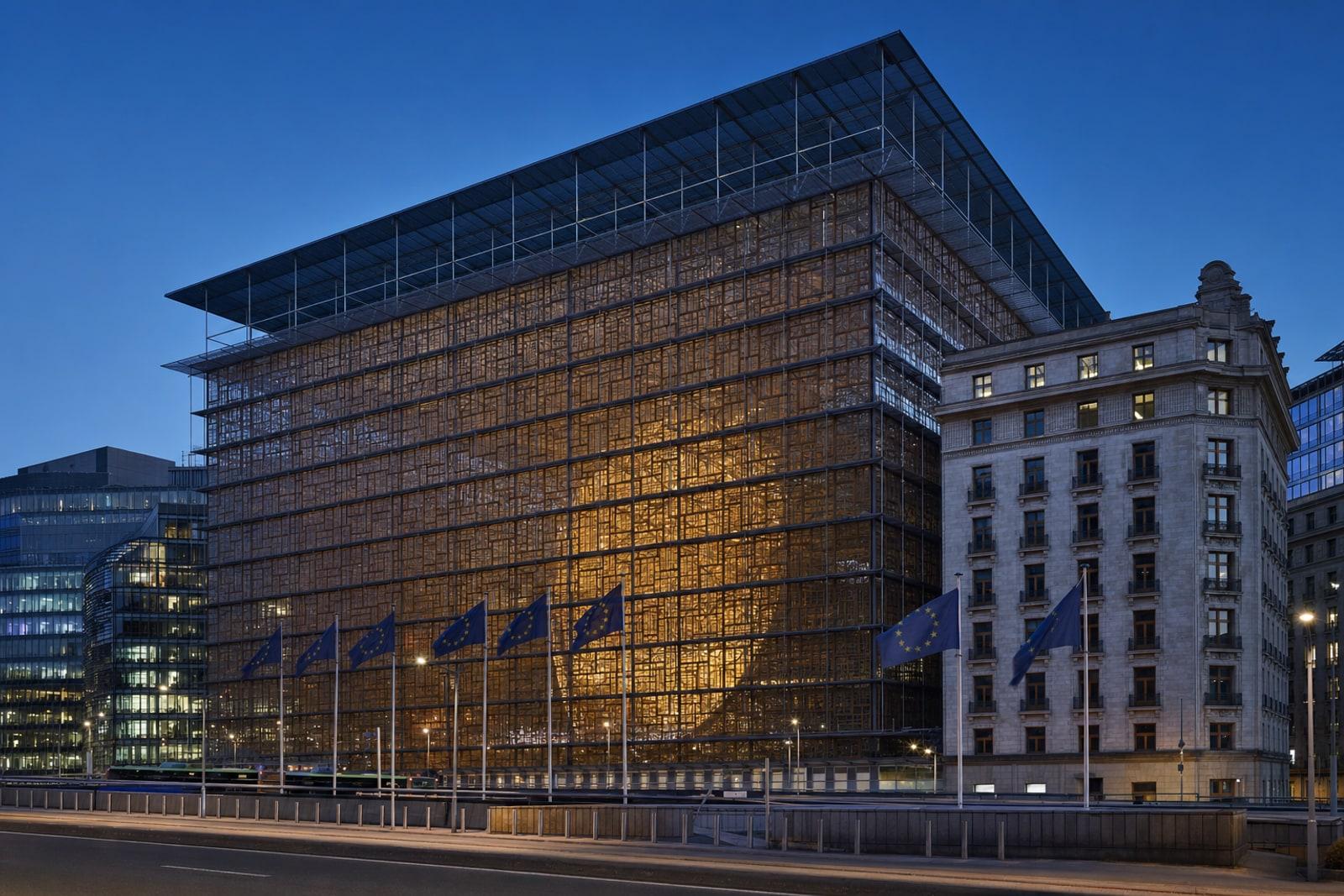
For the European Union, a new southern front carries three intertwined risks — migration, energy and security — at a moment when the bloc has only just begun re-engaging with the new Syria. Brussels reinstated its full cooperation agreement with Damascus on 11 May and held a high-level political dialogue the same month, betting that a stabilising Syria serves European interests. A wider war would put that bet in jeopardy.
The clearest exposure is migration. More than 390,000 people have crossed from Lebanon into Syria since early March 2026, according to UN figures cited by the Security Council Report — a reverse flow that a renewed conflict could violently undo, reviving the kind of outward displacement that reshaped European politics a decade ago. The UN's human rights office has flagged "mounting protection concerns for civilians in southern Syria," where it says expanding Israeli operations have placed lives at risk.
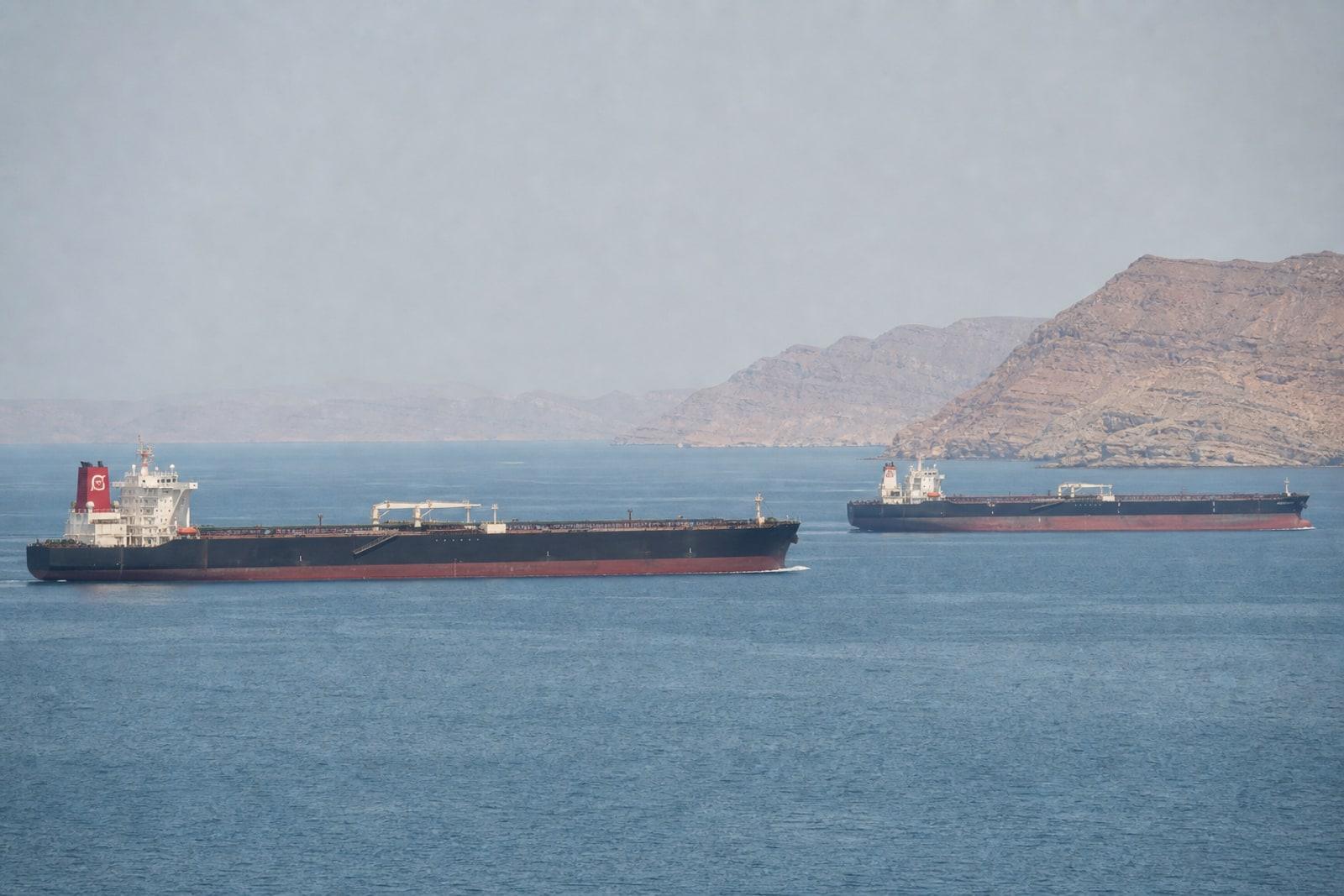
The energy dimension is less direct but real. The 2026 Israel-Iran war disrupted trade, grounded flights and forced shipping to reroute around the Strait of Hormuz and the Red Sea before a US-brokered memorandum, signed on 17 June, set a 60-day path to end the fighting. A fresh escalation in Syria, analysts warn, risks reigniting precisely the regional conflict that oil markets have been pricing for. The EU's top diplomat, Kaja Kallas, has repeatedly warned that Israeli strikes into Syria and Lebanon risk further escalation and that any military response must be proportionate, while stressing that Europe needs a stable Syria.
The diplomatic test
None of this makes a wider war inevitable. Israel frames its operations as protecting the Druze and building strategic depth to shield the Golan and Galilee; Syria's transitional government, stretched thin and courting Western recognition, has so far avoided a direct military response. But the south is dense with overlapping interests — Israeli, Syrian, Turkish, and the remnants of Iran-aligned networks — and thin on guardrails. The 1974 disengagement line that long kept the front quiet is, in practice, no longer holding.
For Status's readers, the stakes are concrete. A widening conflict on Europe's near periphery would test energy supply routes, migration policy and the EU's nascent Syria diplomacy at the same time. The question diplomats are quietly asking is not whether southern Syria is dangerous, but how much margin for error is left before the next incident becomes the one that cannot be contained.
Frequently asked
- What is the feared new front in the Middle East?
- Southern Syria — Israel's expanding military presence in Quneitra and Daraa and the unresolved Druze crisis around Suwayda. It is treated as separate from the Iran-inspections track and the Lebanon-Israel framework, though all three are interlinked.
- Why does it matter for Europe and the EU?
- A wider war would threaten energy supply routes still recovering from the 2026 Iran war, risk reviving outward migration, and undercut the EU's fresh re-engagement with Syria after it reinstated cooperation with Damascus in May 2026.
- What does Israel say it is doing, and how does Syria respond?
- Israel says its strikes and incursions protect the Druze minority and create strategic depth for the Golan. Syria's government calls them an assault on its sovereignty and a violation of the 1974 disengagement agreement, and demands a withdrawal.
Sources(12)
- 1Israel says it hit Syrian army camps in the south after Druze 'attacked'Al Jazeera · aljazeera.com
- 2IDF Says It Struck Syrian Government Sites in Response to Attacks on Syrian DruzeHaaretz · haaretz.com
- 3Israel struck Syrian army camps after Druze 'attacked'Al Arabiya English · english.alarabiya.net
- 4Israel launches strikes against Syria after alleged attacks on Druze minority membersThe Washington Times · washingtontimes.com
- 5Israel's campaign in Syria enters new phase amid al-Suwayda escalation — Expert CommentACLED · acleddata.com
- 6Syria, June 2026 Monthly ForecastSecurity Council Report · securitycouncilreport.org
- 7Syria reports new Israeli incursion into Quneitra village amid ongoing border tensionsArab News · arabnews.com
- 8Israel Imposes 'Undeclared Buffer Zone' in Southern SyriaAsharq Al-Awsat (English) · english.aawsat.com
- 9Quneitra: Israel Detains Man, Bulldozes Buffer Zone LandEnab Baladi · english.enabbaladi.net
- 10UN envoy strongly condemns continuing Israeli attacks inside SyriaUN News · news.un.org
- 11Israel: remarks by High Representative/Vice-President Kaja Kallas at the joint press conference with Minister for Foreign Affairs Gideon Sa'arEuropean External Action Service (EEAS) · eeas.europa.eu
- 12Buffering The South: Israel's Multi-Track Strategy In Syria – AnalysisEurasia Review · eurasiareview.com
Related by topic