Tripartite
Luxembourg lawmakers scrutinise €432.5m energy-relief plan as oil tumbles
A special Chamber of Deputies committee began work on the Resilienzpak this week — just as a looming US-Iran deal sent oil to three-month lows and tested the case for the relief.
By Jonas Thill · · 4 min read
LUXEMBOURG — A special parliamentary committee began dissecting the government's energy-relief package on 17 June, opening the legislative endgame for a €432.5 million plan whose central premise — a sustained spike in oil prices — is dissolving by the day as Washington and Tehran move toward a deal.
The Chamber of Deputies' Commission spéciale «Tripartite» held its first working session this week to scrutinise the bills that would enact the Resilienzpak, the accord signed on 8 June between Prime Minister Luc Frieden's coalition and the country's social partners. Lawmakers want the texts adopted before the summer recess so rebates can reach pumps and meters from 1 July and 1 August.
A package born of the Hormuz shock
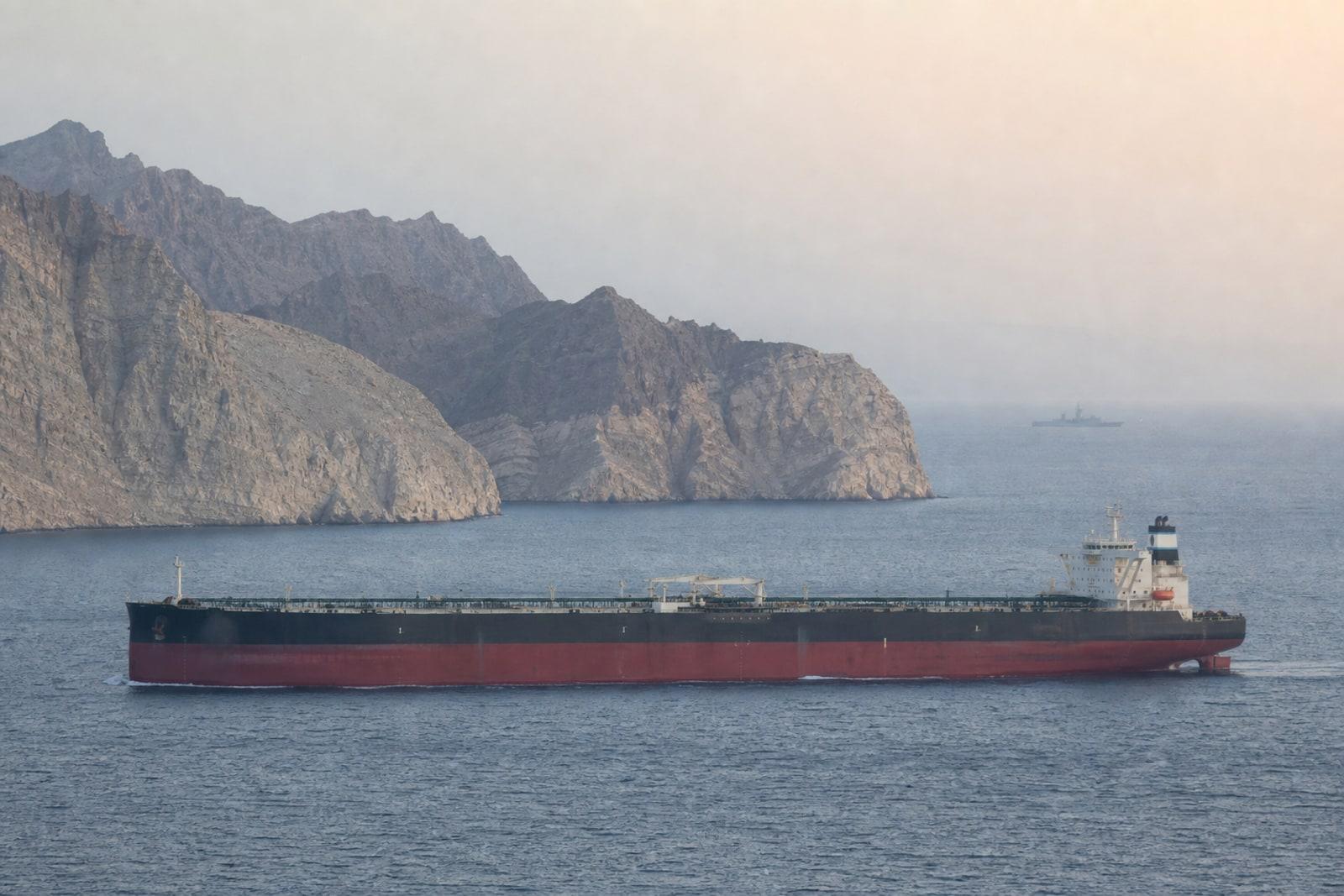
The plan is Luxembourg's answer to a price shock that began far from the Grand Duchy. Since February 2026, the disruption of maritime traffic through the Strait of Hormuz has snarled global supply chains and driven up the cost of oil and its derivatives, according to the government's tripartite file. The statistics office STATEC warned negotiators that the shock risked slower growth, higher inflation and rising unemployment, eroding household purchasing power and squeezing firms.
To blunt that, the government, the OGBL and LCGB unions, the public-sector confederation CGFP, the employers' federation UEL and the Chamber of Agriculture agreed a multi-year cushion. Of the €432.5 million headline cost, about €180 million falls in 2026 and €252.5 million in 2027, according to a breakdown reported by Paperjam.
What households and firms would get
Energy measures account for roughly €60 million of the 2026 spending. The committee is examining three bills, while the motor-fuel rebate is delivered separately through a grand-ducal regulation:
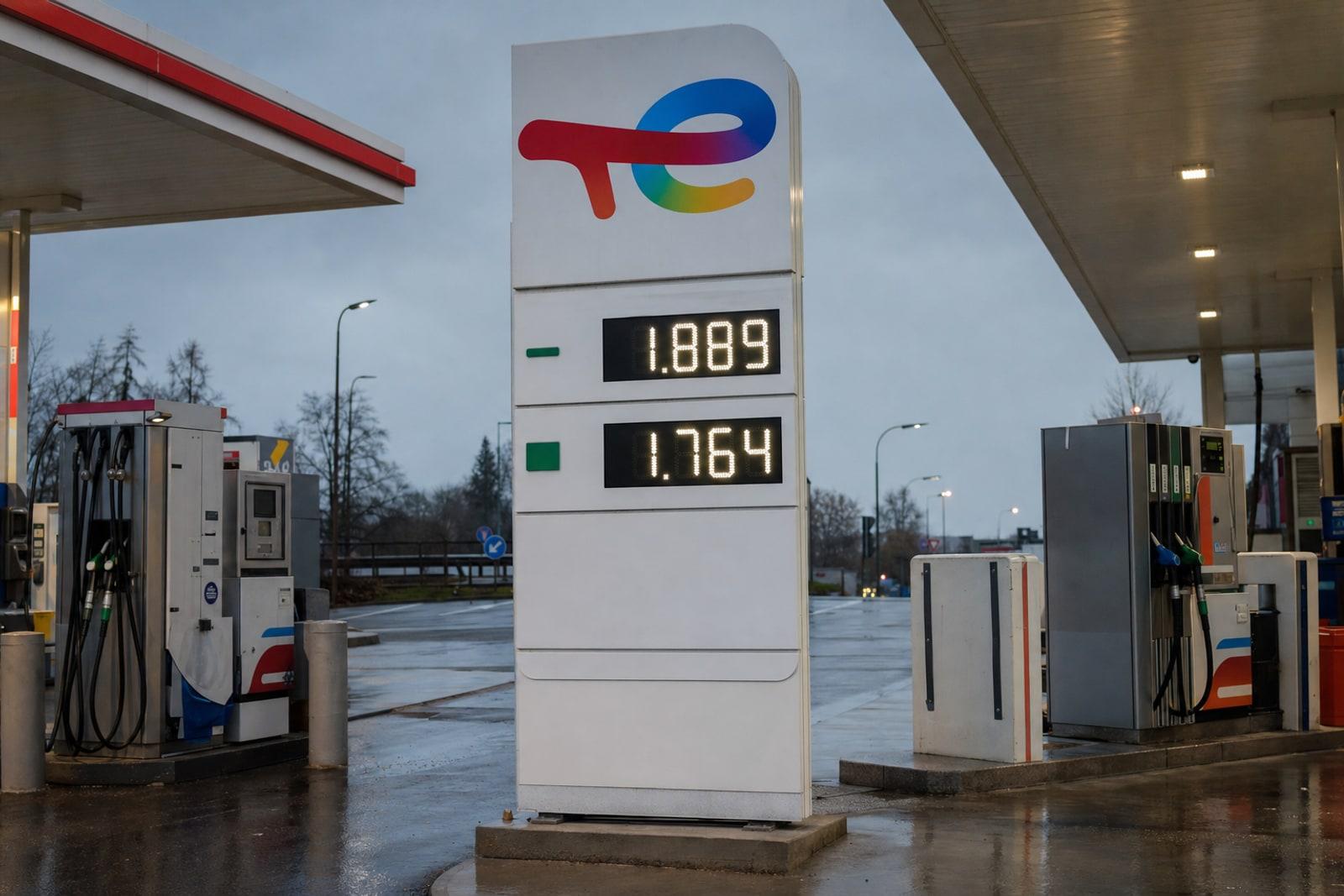
- Motor fuel: a 5-cent-per-litre cut on petrol and diesel via lower excise duties, from 1 July to 31 December 2026 — but only while pump prices stay above their 1 February 2026 level. Parliamentary documents put the cost at up to €44 million if it runs the full term.
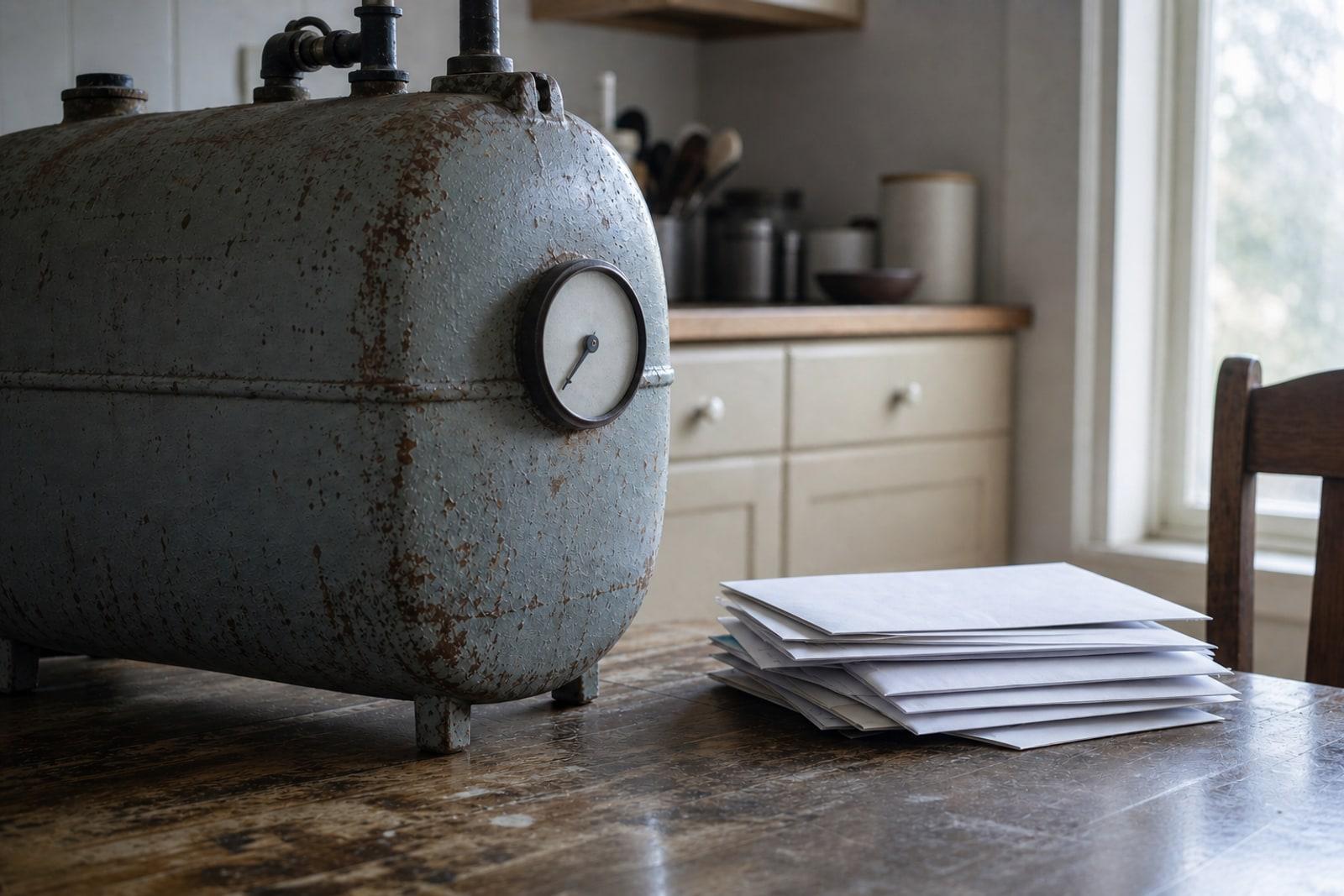
- Heating oil: a 15-cent-per-litre rebate from 1 August to 31 December, covering household heating and agricultural, viticultural, horticultural, fish-farming and forestry use, estimated at €10.1 million (Bill 8767).
- Natural gas: 15 cents per cubic metre over the same window for customers whose meters have a maximum hourly flow below 65 m³ (Bill 8766).
- Electricity: a 4-cent-per-kWh subsidy from 1 August to 31 December for households consuming under 25,000 kWh a year.
Businesses are offered targeted state aid for exposed sectors (about €40 million), a doubling of the super-reduced VAT refund ceiling from €50,000 to €100,000 — subject to EU approval — and farm support for fertiliser costs. Workers gain a cyclical tax credit running from June to December 2026, worth up to €154 by year-end, Finance Minister Gilles Roth said, which becomes permanent in 2027 alongside a roughly €200 net rise in the minimum wage phased in next year. The committee is chaired by Laurent Zeimet (CSV), with Gilles Baum (DP) and Taina Bofferding (LSAP) as vice-chairs; Diane Adehm (CSV) and Carole Hartmann (DP) were named rapporteurs.
Falling oil prices test the rationale
The awkwardness is timing. As deputies opened their files, crude was sliding. Brent fell about 5% to $78.96 a barrel on 17 June, its lowest since early March, while US West Texas Intermediate dropped 5.8% to $76.05, CNBC reported — leaving oil down roughly 20% from its 2026 peak. The driver is a US-Iran framework that President Donald Trump said had been signed, with an interim deal due to be inked in Geneva on Friday 19 June and the Strait of Hormuz set to "completely reopen."
That matters for the package's logic. The fuel rebate is designed to switch off automatically if pump prices fall back below the February benchmark — so a durable de-escalation could neutralise the most expensive single measure before it pays out. The heating-oil and gas rebates carry no such trigger.
Economists also question who benefits. The Fondation IDEA think-tank noted that, with cross-border drivers accounting for the bulk of fuel sales, much of the subsidy flows abroad — "une part majoritaire du coût budgétaire de la mesure « fuit » au-delà des frontières" (a majority share of the measure's budgetary cost "leaks" beyond the borders).
Can Luxembourg afford it?
Roth has insisted the state has room to manoeuvre. After the parliamentary debate he said tax revenue to 31 May was running some €800 million ahead of 2025, enough to absorb the package's near-term cost.
"À court terme, ces recettes vont permettre de financer l'accord tripartite. L'enveloppe pour l'année prochaine sera ancrée dans le budget de l'État 2027, sans recul des investissements" — in the short term the revenue would fund the tripartite accord, with next year's envelope anchored in the 2027 budget without cutting investment, Roth said.
A tripartite monitoring committee will reconvene at least quarterly, with a first meeting due by October 2026, to reassess the measures if conditions change. For now, the committee must decide whether to lock in relief calibrated to a crisis that may already be receding — or keep the safety net in place should the Hormuz calm prove fragile. Tanker operators, CNBC noted, remain wary about how quickly the strait can return to normal.
Frequently asked
- What is the Resilienzpak?
- It is the tripartite accord signed on 8 June 2026 between Luxembourg's government and social partners to cushion households and firms against the energy price shock. It is costed at €432.5 million over 2026–2027 and is now being turned into law by a special parliamentary committee.
- Who qualifies for the energy rebates?
- Motorists get a 5-cent-per-litre fuel cut (1 July–31 Dec, only while prices stay above the 1 Feb 2026 level); households get a 4-cent-per-kWh electricity subsidy if they use under 25,000 kWh a year, a 15-cent-per-cubic-metre gas rebate for meters under 65 m³/hour, and a 15-cent-per-litre heating-oil rebate (1 Aug–31 Dec). Exposed businesses and farms receive targeted aid.
- How does the US-Iran deal change the picture?
- As an interim US-Iran deal due to be signed in Geneva on 19 June pushed Brent below $79 and WTI to about $76 — down roughly 20% from 2026 highs — the case for fuel relief weakened. The fuel rebate would automatically deactivate if pump prices drop below the February benchmark, though heating-oil and gas rebates have no such trigger.
Sources(12)
- 1Dossier tripartite 2026Le gouvernement luxembourgeois · gouvernement.lu
- 2Resilienzpak 2026 – signature de l'accord tripartite (communiqué)Le gouvernement luxembourgeois · gouvernement.lu
- 3Coup d'envoi pour les travaux de la Commission spéciale « Tripartite »Chambre des Députés du Grand-Duché de Luxembourg · chd.lu
- 4Commission spéciale "Tripartite"Chambre des Députés du Grand-Duché de Luxembourg · chd.lu
- 5Tripartite Agreement Sees Increase to Minimum Wage, Energy Subsidies, Business SupportChronicle.lu · chronicle.lu
- 6Le Resilienzpak va coûter 432,5 millionsPaperjam · paperjam.lu
- 7Gilles Roth : « On dispose d'une marge financière suffisante »Le Quotidien · lequotidien.lu
- 8« Resilienzpak » : trois questions sur l'accord tripartite du 8 juin 2026Fondation IDEA · fondation-idea.lu
- 9Brent falls below $80 per barrel on report U.S. will allow Iran to sell oil immediatelyCNBC · cnbc.com
- 10Oil prices fall on US, Iran deal announcementAxios · axios.com
- 11Oil drops 20% from 2026 peak on optimism over U.S.-Iran ceasefire talksCNBC · cnbc.com
- 122026 Strait of Hormuz crisisWikipedia · en.wikipedia.org
Related by topic