Foreign policy
Luxembourg's verdict on the US-Iran deal: 'It's a long time till Friday'
A 14-point memorandum to end the Iran war heads toward signing in Geneva. Luxembourg and its EU partners welcome it - but pointedly withhold the cheering.
By Camille Reuter · · 4 min read
For an agreement hailed in Washington as a historic peace, Luxembourg's first verdict was strikingly terse. Asked about the emerging deal to end the war between the United States and Iran, the Grand Duchy's foreign minister, Xavier Bettel, offered four words of caution: "It's a long time till Friday."
The remark, delivered on 15 June as European ministers digested news of an initial bargain, distilled a continent's mood: relief that the fighting may stop, shadowed by doubt that a framework brokered by Donald Trump and Tehran will survive contact with reality. Days later the 14-point text is being prepared for signature - reportedly in Geneva - even as its most sensitive questions, on uranium, sanctions and verification, remain unresolved.
What the 14 points say
The memorandum of understanding, whose full text was released on 17 June and reported by outlets including TIME, CNN, Euronews and Al Jazeera, sets out a sweeping but provisional settlement. Its core commitments include:
- An immediate and permanent halt to military operations "on all fronts," including Lebanon, and a pledge by Washington and Tehran not to launch future attacks on one another.
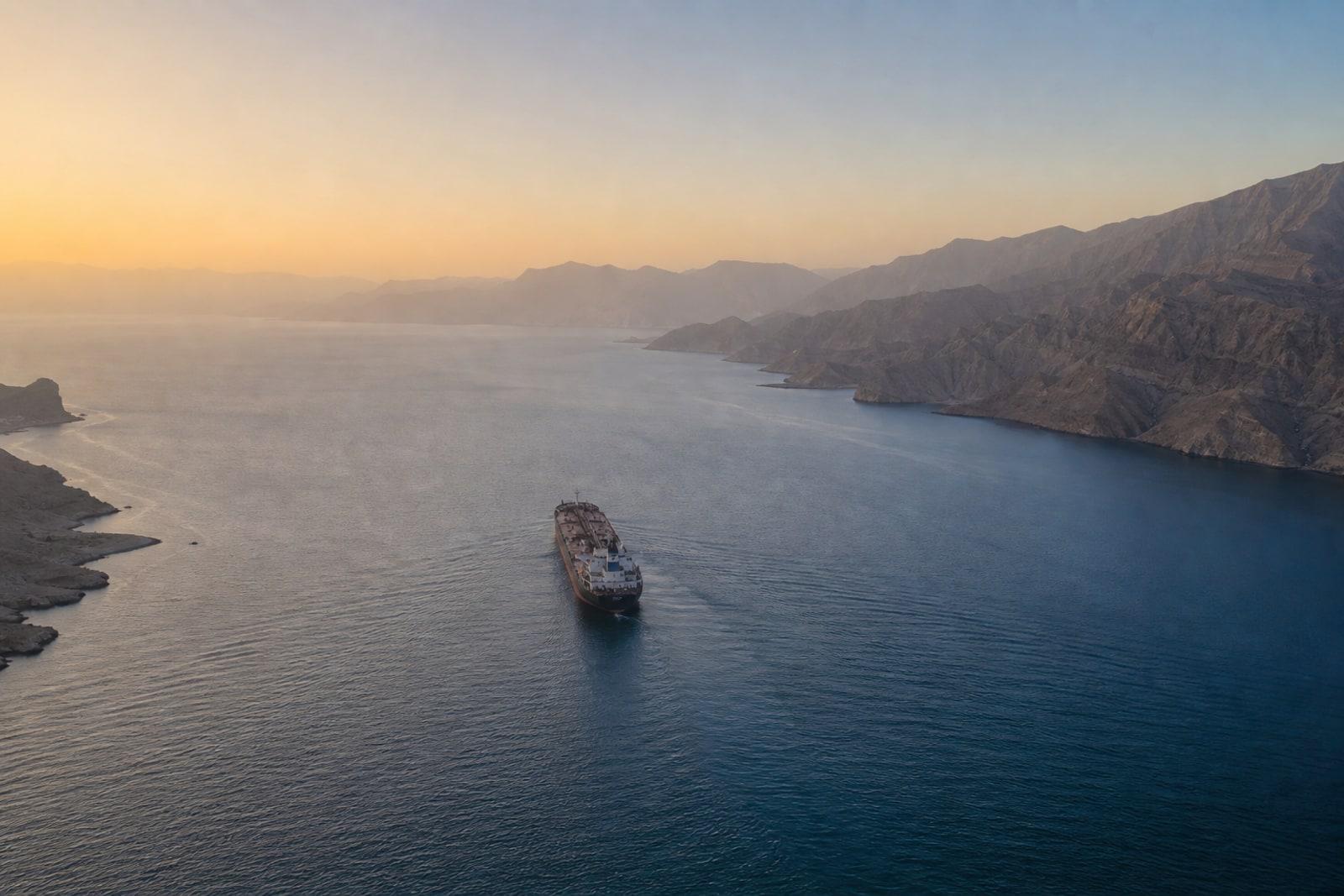
- The reopening of the Strait of Hormuz to commercial traffic without tolls, and an end to the US naval blockade of Iranian ports, which Mr Trump ordered lifted.
- A reaffirmation by Iran that it "shall not procure or develop nuclear weapons," alongside a commitment to dilute its stockpile of highly enriched uranium.
- A US undertaking to terminate sanctions - UN Security Council measures, International Atomic Energy Agency board resolutions and unilateral American restrictions alike.
- A 60-day window for technical talks to settle the fate of Iran's enriched-uranium stockpile and the shape of a final nuclear accord.
Mr Trump has called the outcome a "total and complete victory," according to AFP. Critics are unconvinced: analysts cited by The Week, including the Financial Times columnist Gideon Rachman, argue the bargain leaves Iran in a stronger position than before the war and merely postpones the nuclear reckoning rather than resolving it.
Europe welcomes the deal - with conditions
EU institutions lined up to greet the agreement while declining to celebrate it. The president of the European Council, Antonio Costa, framed Europe's hope and its priorities in a single breath.
"I look forward to an end to this costly war and to the full restoration of freedom of navigation in the Strait of Hormuz. Weapons must now fall silent."
The European Commission president, Ursula von der Leyen, said the "priority now is its swift and full implementation" by all parties, and urged respect for Lebanon's sovereignty. On the question that matters most to Tehran - the lifting of European sanctions - Brussels was deliberately guarded. Any relief, EU officials signalled, would follow only verifiable changes in Iranian behaviour, not the signing of a document.
The bloc's foreign-policy chief, Kaja Kallas, said ministers would weigh "how the EU can be closely involved in the next phase," while making clear that member states were not yet ready to discuss dismantling sanctions. France went furthest on the practical follow-through: President Emmanuel Macron said a Franco-British maritime mission's assets were "in place and ready to be deployed" to help secure the Strait, with the aircraft carrier Charles de Gaulle already in the region.
"The resumption of maritime traffic, without restrictions or tolls, is an essential condition for regional stability."
Where the Grand Duchy stands
Luxembourg's stake in a Middle Eastern peace is greater than its size suggests. A hyper-open economy of roughly 670,000 people, the Grand Duchy is acutely exposed to energy prices and to the global trade routes that pass through choke points like Hormuz, where about a fifth of the world's oil is shipped. A durable ceasefire and a reopened strait would ease both - which is precisely why Mr Bettel's caution is notable rather than reflexive.
The country's voice on foreign affairs has long outweighed its territory. Jean Asselborn, foreign minister from 2004 until 2023, was the longest-serving chief diplomat in the European Union and an outspoken multilateralist who frequently clashed with Mr Trump's first-term unilateralism. It is now Mr Bettel - deputy prime minister and foreign minister since November 2023 - who speaks for Luxembourg, and his message tracks the EU mainstream: welcome the guns falling silent, but treat the paperwork as a beginning, not an end.
That scepticism reflects the deal's unfinished architecture. The signing has yet to be sealed; the 60-day clock on uranium has barely started; and the sanctions that give Europe its leverage are, for now, staying put. As Ms von der Leyen put it, sanctions exist "to change behavior" - and can be lifted only when that behaviour changes "credibly and verifiably."
For Luxembourg, a small state that has staked its security on rules rather than power, the test of the year's defining bargain is not the handshake in Geneva but what holds after it. Until then, Mr Bettel's four words stand as the Grand Duchy's working position - and, perhaps, Europe's.
Frequently asked
- What is the 14-point US-Iran agreement?
- It is a memorandum of understanding to end the war between the United States and Iran. Its main terms include a permanent halt to military operations, the reopening of the Strait of Hormuz without tolls, an end to the US naval blockade, an Iranian pledage not to develop nuclear weapons and to dilute highly enriched uranium, the termination of sanctions, and a 60-day window for further nuclear talks.
- What did Luxembourg say about the deal?
- Foreign Minister Xavier Bettel reacted with caution on 15 June, saying 'It's a long time till Friday,' signalling doubt that the tentative bargain would hold until its planned signing.
- Will the EU lift sanctions on Iran?
- Not yet. EU leaders welcomed the deal but said sanctions relief would depend on verifiable changes in Iranian behaviour. Commission President Ursula von der Leyen stressed implementation must come first, and High Representative Kaja Kallas said member states were not ready to discuss lifting sanctions.
- Is the deal signed?
- As of 19 June 2026 the agreement was still provisional. The 14-point text was released on 17 June and a formal signing was reported to be planned in Geneva, but the most contentious nuclear and verification questions were deferred to later technical talks.
Sources(15)
- 1Iran and U.S. reach an initial deal to extend the ceasefire and open the Strait of Hormuz but challenges remainPBS NewsHour (AP) · pbs.org
- 2Iran and US reach an initial deal to end the war and open the Strait of Hormuz but challenges remainOPB (AP) · opb.org
- 3EU leaders welcome US-Iran deal to end war as Macron says mission to aid Hormuz reopening 'ready'Euronews · euronews.com
- 4Read the Full Text of the 14-Point Agreement Between the U.S. and IranTIME · time.com
- 5Read the full text of the 14-point US-Iran agreement as released by TehranEuronews · euronews.com
- 6US releases official agreement with Iran. Read the 14-point textCNN · cnn.com
- 7What the Trump-Iran agreement says about Lebanon, Hormuz and uraniumAl Jazeera · aljazeera.com
- 8Key takeaways from the 14-point memorandum of understanding between US, IranABC News · abcnews.com
- 9Read the full text of Trump's preliminary U.S.-Iran agreement to end the warNPR · npr.org
- 10World leaders welcome U.S.-Iran deal as Europe signals sanctions relief, urges Hormuz reopeningCNBC · cnbc.com
- 11Trump says US won 'total and complete victory' after ceasefire deal with IranAOL (AFP) · aol.com
- 122025-2026 Iran-United States negotiationsWikipedia · en.wikipedia.org
- 13Iran deal: is Trump the loser?The Week · theweek.com
- 14Xavier BettelWikipedia · en.wikipedia.org
- 15Jean AsselbornWikipedia · en.wikipedia.org
Related by topic