Politics
The communal elections, explained: who runs Luxembourg's communes
Every six years voters choose the councils that decide on schools, planning, and local services. Many residents can vote even without Luxembourgish nationality.
By Léa Hoffmann · · · 1 min read
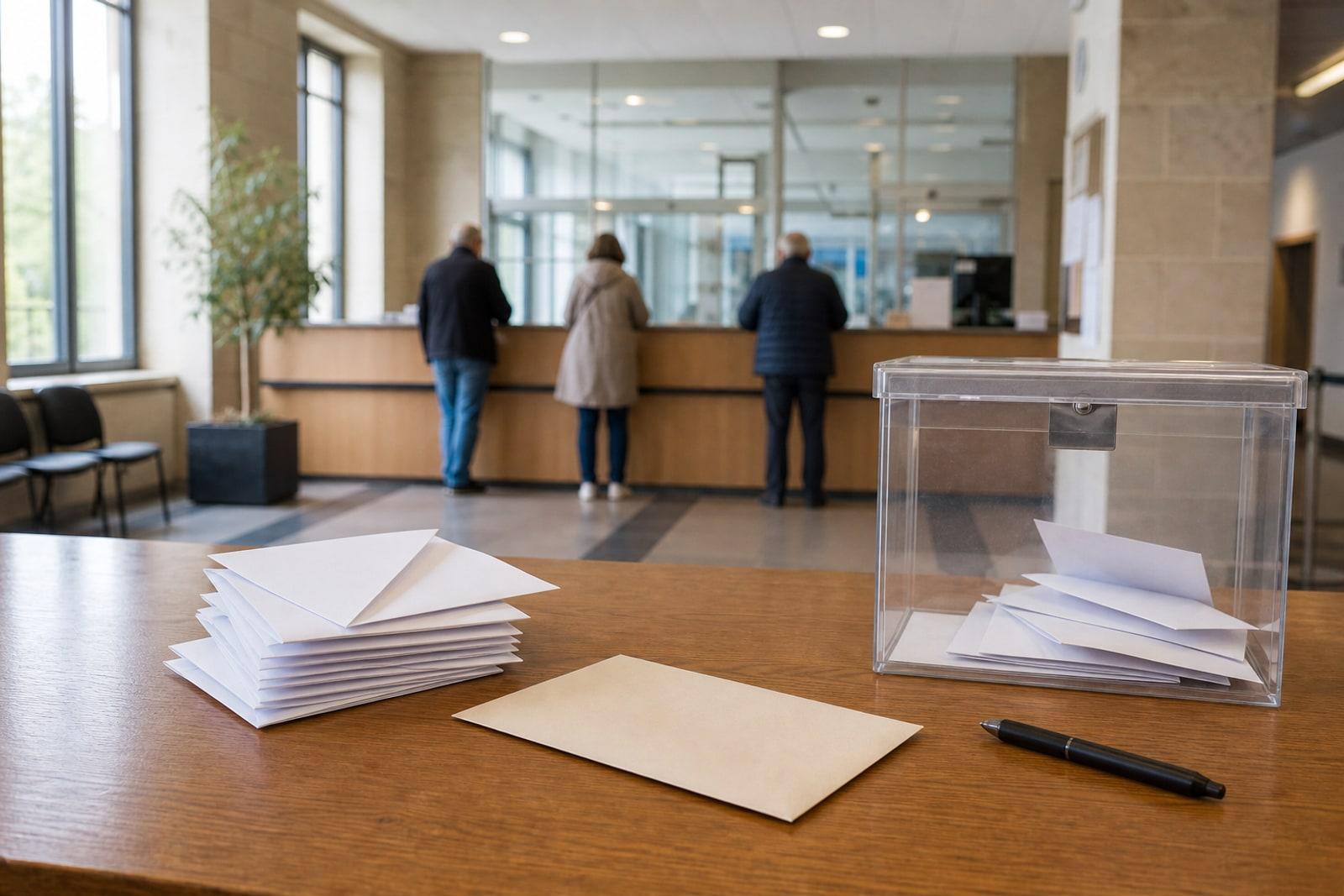
Luxembourg is divided into 100 communes, the level of government closest to residents' daily lives. Communal councils set local budgets, run primary schools and crèches, grant building permits, and maintain roads, parks, and water. Every six years, voters choose those councils in communal elections.
Two systems
Smaller communes — under 3,000 inhabitants — use a majority system, where voters pick individual candidates. Larger communes use proportional representation with party lists, much like national elections. The mayor is then drawn from the council majority, often after a local coalition is agreed.
Who can vote
Communal elections are unusual in Luxembourg because the franchise is wide. Citizens of any nationality who are resident in the commune can register to vote, a recognition that nearly half the population are non-nationals. Registration is the key step — eligible residents must enrol on the electoral roll ahead of the deadline.
Why local matters
National headlines focus on the government in Luxembourg City, but it is the communes that decide where a new school goes, whether a field becomes housing, and how fast a neighbourhood grows. For most residents, the communal council is the layer of government they will deal with most often — and the one where a single vote carries the most weight.
Frequently asked
- Can non-Luxembourgers vote in communal elections?
- Yes. Any resident of the commune, regardless of nationality, can register on the electoral roll and vote.
- How often are communal elections held?
- Every six years.
Sources(2)
Related by topic