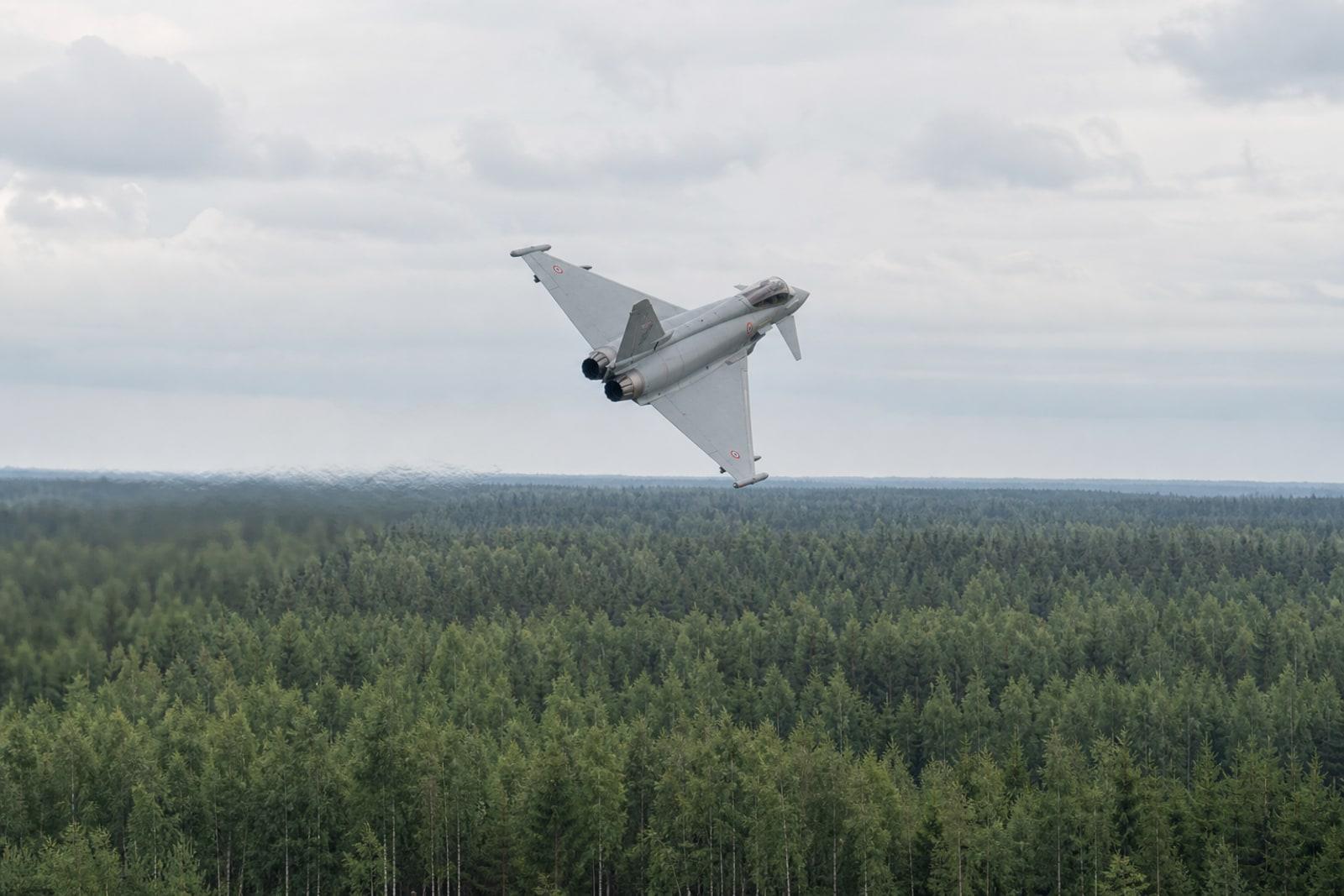
European defence
Germany bets on volunteers to rebuild its army, with conscription held in reserve
A modernised law, in force since January, relies on volunteers and mandatory registration — with a fast track to compulsory call-up if the Bundeswehr misses the targets NATO now demands.
By Camille Reuter · · 4 min read
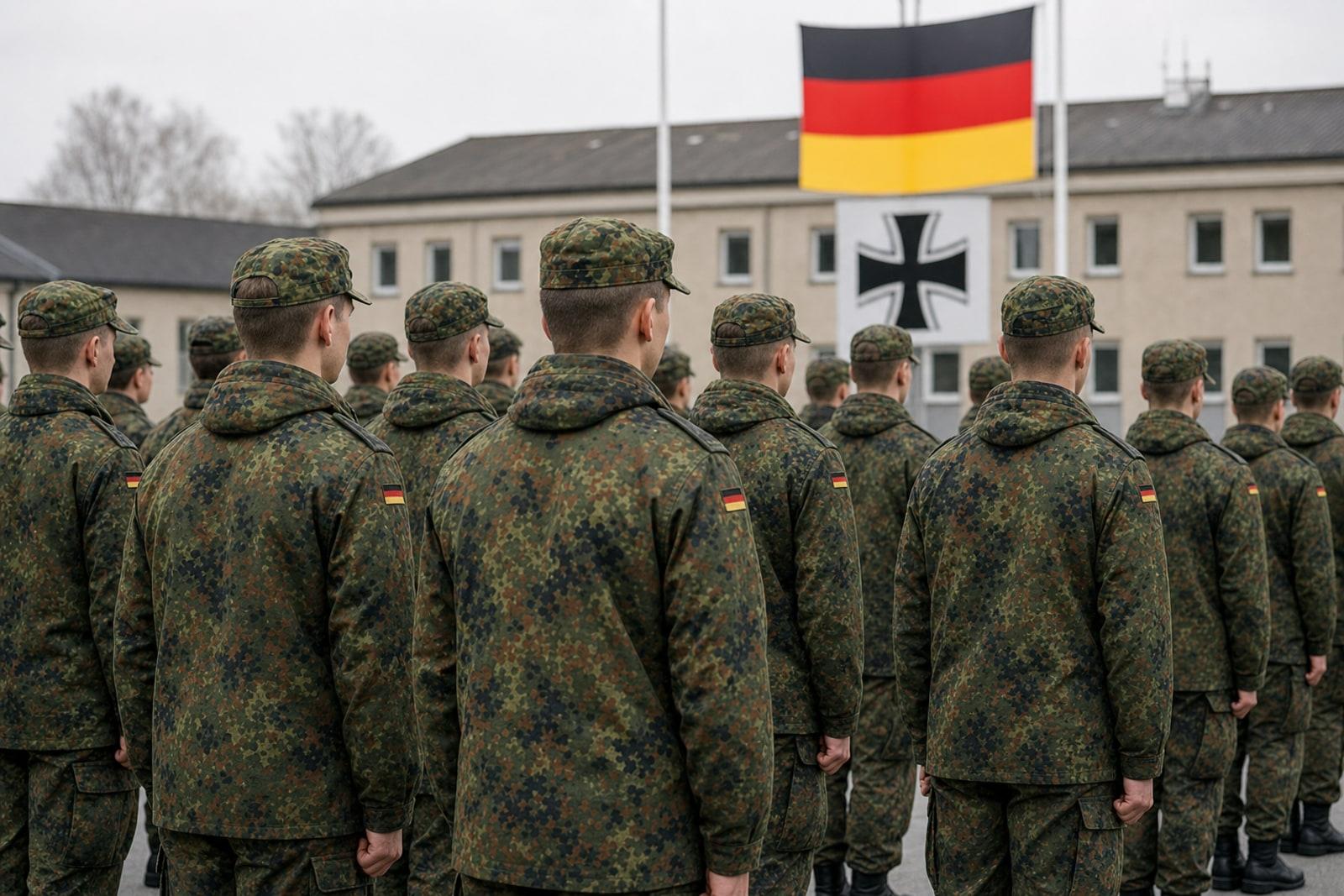
Germany has chosen volunteers over the draft to rebuild Europe's largest economy into a credible military power — but it has written a fast lane to conscription into the law in case that bet fails. The Military Service Modernisation Act (Wehrdienstmodernisierungsgesetz), passed by the Bundestag on 5 December 2025 and cleared by the Bundesrat later that month, took effect on 1 January 2026 with a single overriding aim: filling the ranks of the Bundeswehr fast enough to meet the capability targets NATO now expects of its members.
The reform stops short of reviving the compulsory service that Germany suspended in 2011. Instead it builds a hybrid: a better-paid voluntary track, a compulsory registration system to map who could serve, and a legal trigger that lets parliament switch on conscription if the numbers do not add up.
A voluntary model with a compulsory trigger
From 2026, every German turning 18 receives a questionnaire on their health, education and willingness to serve. Men are legally obliged to complete it; women may respond voluntarily. From 1 July 2027, a medical examination becomes mandatory again for all men born in 2008 or later — the first compulsory step back toward universal screening since the draft was halted.
The government is betting that pay and modern conditions will do the rest. Voluntary recruits are offered a monthly salary of around €2,600, and Defence Minister Boris Pistorius has set a goal of drawing in roughly 30,000 additional recruits a year. The law binds the Bundeswehr to a far larger ambition: up to 470,000 soldiers by 2035, of which 270,000 would be active-duty personnel and 200,000 reservists. The force counted about 184,000 active soldiers at the time of the vote, according to Defense News.
If volunteering falls short, the state keeps a lever. The act contains a "compulsory on demand" provision allowing the Bundestag to activate needs-based conscription — but only through a separate vote, and only if recruitment lags or the security situation deteriorates. Where more young people are eligible than required, selection could fall to a lottery, an idea borrowed from Denmark. An automatic lottery was dropped from the bill itself during coalition talks.
"If that is not enough, we will have no choice but to introduce partial conscription," Pistorius told lawmakers, adding that "in the event of a defense situation, which we want to prevent at all costs, the state must know who is ready for action."
How the coalition reached its compromise
The bill was the product of hard bargaining inside Chancellor Friedrich Merz's coalition of the conservative CDU/CSU and Pistorius's Social Democrats (SPD). Pistorius, drawing on the Swedish model, insisted the system stay voluntary at its core and resisted any automatic lottery, arguing recruits should be chosen on aptitude and skills. The CDU/CSU pushed for firmer compulsory mechanisms and concrete personnel targets to satisfy NATO.
The result splits the difference: voluntarism now, with the machinery for compulsion ready to be switched on. Critics on both flanks were unimpressed. The military historian Sönke Neitzel dismissed an earlier draft as "another document of hesitation and procrastination," while opponents warned that the registration duties amounted to a draft by stealth.
Part of a continent-wide rearmament
Germany's manpower debate is one front in a broader European scramble to rearm against the threat from Russia. At their summit in The Hague on 24–25 June 2025, NATO leaders agreed that members would raise defence-related spending to 5% of GDP by 2035 — at least 3.5% on core military needs and up to 1.5% on infrastructure, resilience and industry — with a review in 2029. Every ally signed up except Spain, which secured an exemption.
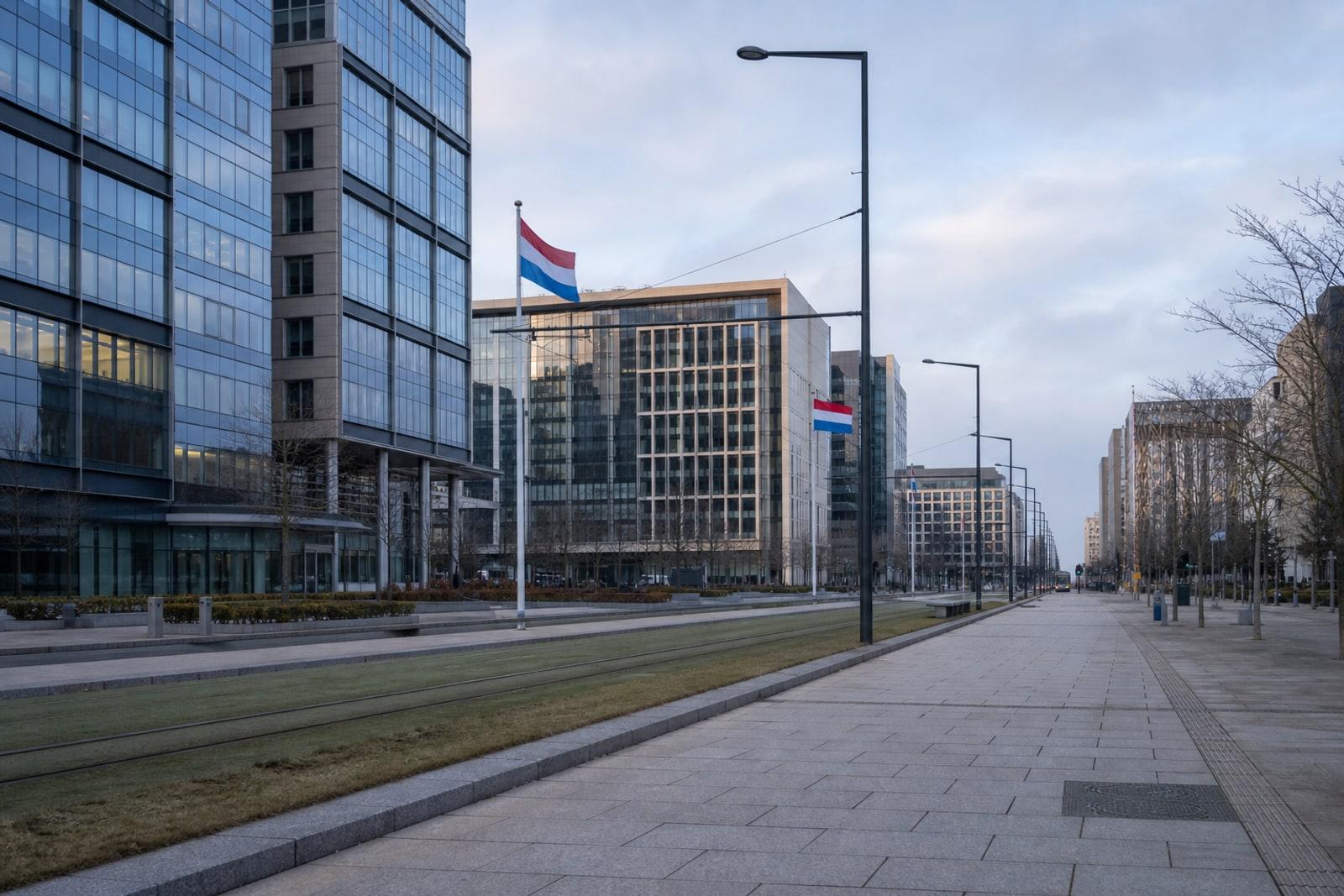
For a small state such as Luxembourg, the shift is dramatic. Long NATO's lowest spender — averaging under 0.6% of GDP over the past decade — the Grand Duchy lifted military spending to roughly €750 million in 2025, a rise of about a quarter on the year, and expects to pass €1 billion for the first time in 2026. Defence Minister Yuriko Backes has held to the government's roadmap of 2% of gross national income by 2030, worth about €1.46 billion.
"The roadmap set by the government in June 2024 remains in force: 2% of gross national income in 2030," Backes has said, as the country — encircled entirely by larger allies — weighs how fast to climb toward the new benchmarks.
That is why Berlin's choices reverberate well beyond Germany. As the alliance's most populous and wealthiest European member, Germany is expected to anchor NATO's posture on the eastern flank and underwrite the defence of smaller neighbours. Whether it can field the soldiers to match its budgets — by persuasion or, if necessary, by compulsion — will help determine how secure the whole region feels in the years ahead.
Frequently asked
- Is military service compulsory in Germany now?
- No. Under the law in force since January 2026, serving in the Bundeswehr remains voluntary. What is now mandatory is that men turning 18 complete a registration questionnaire, and from July 2027 undergo a medical examination. Conscription can only be activated if the Bundestag passes a further, separate law.
- How many soldiers does Germany want, and by when?
- The law binds the Bundeswehr to a target of up to 470,000 soldiers by 2035 — about 270,000 active-duty personnel and 200,000 reservists — to meet NATO capability goals. The force had roughly 184,000 active soldiers at the time of the December 2025 vote.
- What does this mean for Luxembourg and NATO?
- Germany's manpower is central to NATO's defence of the region, including small neighbours like Luxembourg. After NATO's June 2025 Hague summit set a 5%-of-GDP spending goal for 2035, Luxembourg — historically the alliance's lowest spender — is raising its budget toward 2% of gross national income by 2030 and expects to exceed €1 billion in 2026.
Sources(10)
- 1Federal Cabinet: Military service modernised / new draft military service lawFederal Government of Germany (bundesregierung.de) · bundesregierung.de
- 2German parliament approves conscription scheme to boost the BundeswehrDefense News · defensenews.com
- 3Bundestag approves law for new military servicedeutschland.de · deutschland.de
- 4German Parliament Backs Controversial Military Service Law Amid Russian ThreatU.S. News & World Report / Reuters · usnews.com
- 5Germany inches close to agreement on contentious military service but questions remainEuronews · euronews.com
- 6Germany's military service reform: voluntarism at its coreOSW Centre for Eastern Studies · osw.waw.pl
- 7Germany: Act to Modernize Military Service Enters into ForceLibrary of Congress, Global Legal Monitor · loc.gov
- 8The Hague Summit DeclarationNATO (official text) · nato.int
- 9Defence expenditures and NATO's 5% commitmentNATO · nato.int
- 10Defence: Luxembourg does not want to spend for spending's sakePaperjam · en.paperjam.lu
Related by topic