EU diplomacy
EU Hosts Taliban Officials in Brussels for First Time Since 2021 Takeover
The European Commission and 15 member states held closed-door technical talks with a Taliban delegation on returning rejected Afghan asylum seekers — while insisting this is not recognition.
By Camille Reuter · · 4 min read
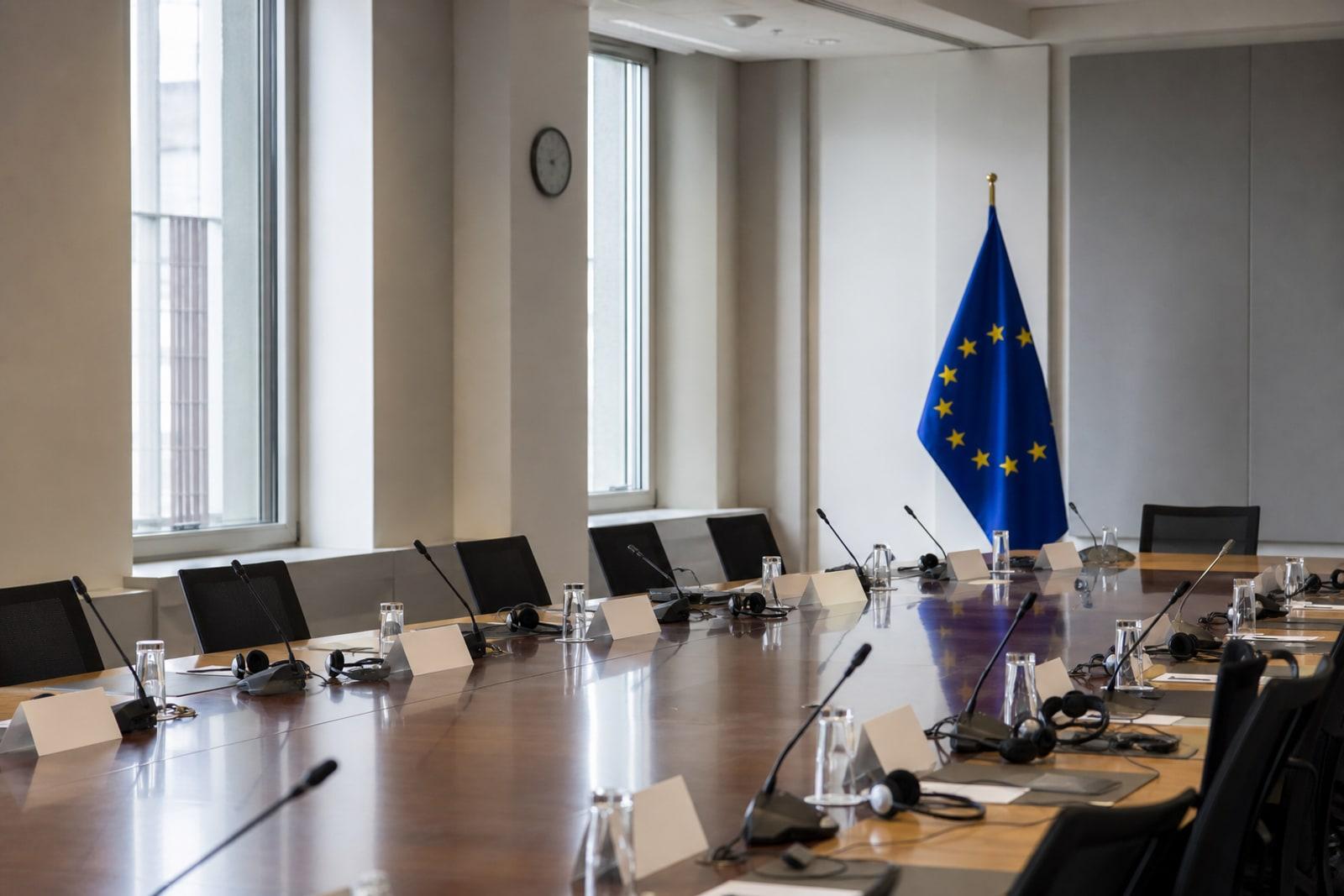
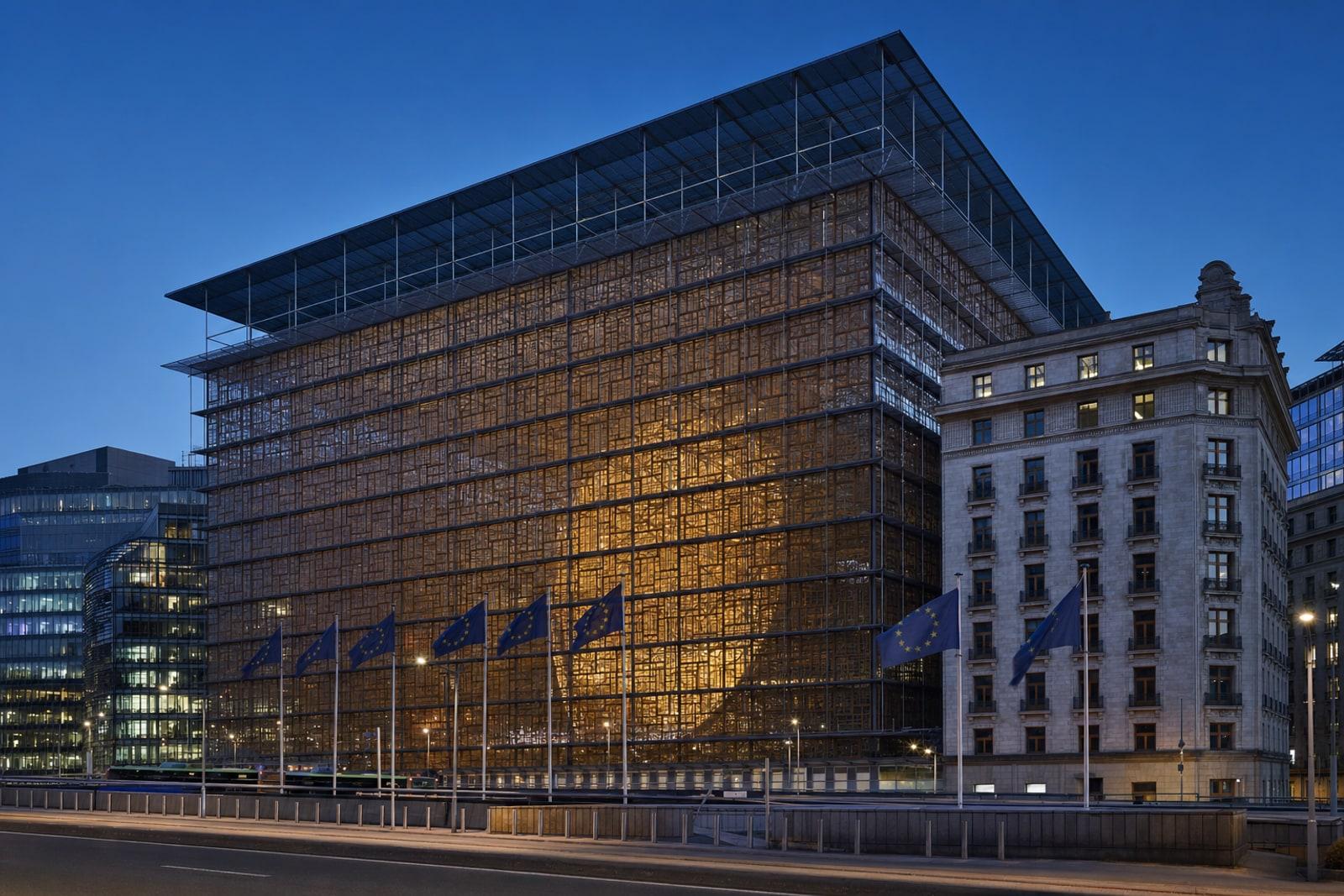
The European Union hosted a Taliban delegation on European soil for the first time since the group seized power in Afghanistan, opening direct talks in Brussels on 23 June on the return of Afghans whose asylum claims have been rejected. The unprecedented encounter, held behind closed doors at an undisclosed location, marks a consequential and contested shift in the bloc's approach to a government it still refuses to recognise.
The European Commission said its services co-chaired the technical-level meeting with Sweden, alongside representatives from 15 of the EU's 27 member states. A Taliban delegation of five travelled to Belgium for the talks, the first time officials of the Islamic Emirate have met the Commission and EU governments together in Brussels since the August 2021 takeover, almost five years ago.
What was on the table
According to the Commission and to Afghanistan's foreign ministry, the agenda centred on migration and the machinery of returns rather than any broader political settlement. Officials described the talks as strictly technical, focused on:
- the return and readmission of Afghan nationals with no right to remain in the EU, with particular attention to those convicted of serious crimes or judged to pose a security threat;
- a possible Taliban consular presence in the bloc and the resumption of consular services for Afghans in Europe;
- so-called trust-building measures and what both sides called a "dignified return process."
Commission spokesman Markus Lammert framed the rationale narrowly. "Member States are looking into ways to return persons who have committed serious crimes and who are possibly a security threat," he said. The meeting followed a Commission mission to Kabul in January, part of a gradual, cautious opening of technical channels with the de facto authorities.
Engagement, not recognition
Brussels was at pains to stress that sitting across the table from the Taliban does not amount to endorsing them. The Commission said the meeting did not mean it was formally recognising the government, and underlined that the EU and its member states have withheld recognition since 2021. No member state has established formal diplomatic relations with the Islamic Emirate.
Migration Commissioner Magnus Brunner defended the outreach as a matter of practical necessity, arguing the bloc had little choice but to engage on returns.
It is important to talk to them at least to improve the situation for Europeans, but also for asylum applicants, for asylum-seekers.
The logistics underscored how gingerly the EU handled its guests. Belgium issued the delegation five visas after security screening, valid for just 24 hours and restricted to Belgian territory, with no access to the rest of the Schengen free-travel area. Taliban foreign ministry spokesman Abdul Qahar Balkhi called the visit "historic," describing it as the first time a delegation of the Islamic Emirate had held talks with the EU and European governments in Brussels.
A backlash over women's rights
The meeting drew immediate condemnation from rights advocates, who argued that any normalisation of contact rewards a government that has barred girls from secondary school and university and erased women from much of public life. Critics warned that accelerating deportations could expose returnees to persecution, in tension with the principle of non-refoulement, which prohibits sending people back to face serious harm.
Nobel Peace Prize laureate Malala Yousafzai said she was deeply shaken by the talks.
"Europe must not legitimise a regime responsible for one of the worst human rights crises in the world. Any engagement with the Taliban must begin and end with the rights of Afghan women and girls."
Human Rights Watch researcher Fereshta Abbasi said any engagement "needs to prioritise protecting human rights and accountability — not deporting people to danger there." The UN refugee agency cautioned that Afghans returned from the EU could face persecution. Afghans have remained among the largest groups granted protection in Europe: Eurostat figures cited in reporting put first-instance protection for Afghan applicants at roughly three in four in early 2026.
Where the member states — and Luxembourg — stand
The talks expose a familiar fault line within the bloc, between governments pressing for faster removals of rejected asylum seekers and those wary of legitimising the Taliban or breaching protection obligations. Sweden's co-chairing role reflects a harder line in parts of northern Europe; the 15 states that attended were not individually identified, and it was not confirmed whether Luxembourg was among them.
For the Grand Duchy, as for every EU capital, the episode poses the same dilemma the bloc has wrestled with since 2021: how to manage migration and returns with a regime it condemns without conferring the recognition that regime craves. Luxembourg, which like its partners has not recognised the Taliban government, will weigh any operational cooperation against a human-rights record that EU leaders themselves describe as among the world's worst. Whether the Brussels meeting proves a one-off technical contact or the first step toward deeper engagement will shape that calculation in the months ahead.
Frequently asked
- Did the EU recognise the Taliban government by holding this meeting?
- No. The European Commission stressed the closed-door technical meeting on 23 June 2026 does not amount to recognition, and the EU and its member states have withheld recognition of the Taliban since 2021.
- What was the meeting about?
- It focused on migration and returns: readmitting Afghan nationals with no right to stay in the EU, especially those convicted of serious crimes or seen as security threats, plus a possible Taliban consular presence and 'trust-building measures.'
- Who attended?
- European Commission officials and representatives of 15 of the EU's 27 member states, with the Commission and Sweden co-chairing. A five-member Taliban delegation attended on 24-hour Belgian visas restricted to Belgium.
- Why is the meeting controversial?
- Rights groups and Nobel laureate Malala Yousafzai argue it risks legitimising a regime that bars girls from education, and warn deportations could return Afghans to persecution, against the principle of non-refoulement.
Sources(8)
- 1EU hosts Taliban officials for the first time in talks on deportationsAl Jazeera · aljazeera.com
- 2EU to hold migration meeting with Taliban officials in BrusselsAl Jazeera · aljazeera.com
- 3Afghan Taliban hold first, closed-door talks with EU on deportationsNPR (Associated Press) · npr.org
- 4Afghan Taliban hold first, closed-door talks with EU on deportationsThe Washington Times (Associated Press) · washingtontimes.com
- 5EU officials discreetly meet Taliban in Brussels to speed up Afghan deportationsEuronews · euronews.com
- 6EU hosts Taliban officials for talks on migrant returnsRTÉ · rte.ie
- 7Belgium issues visas to Taliban delegation for E.U. meetingNBC News · nbcnews.com
- 8Belgium issues visas to Taliban delegation for EU migration talksEuronews · euronews.com
Related by topic