EU competition
EU Antitrust Regulators Investigate Sanofi Over Flu-Vaccine Conduct
The European Commission suspects the French drugmaker abused its dominant position by disparaging rival seasonal-flu shots — in a market that supplies every member state, including Luxembourg.
By Marc Weber · · 4 min read
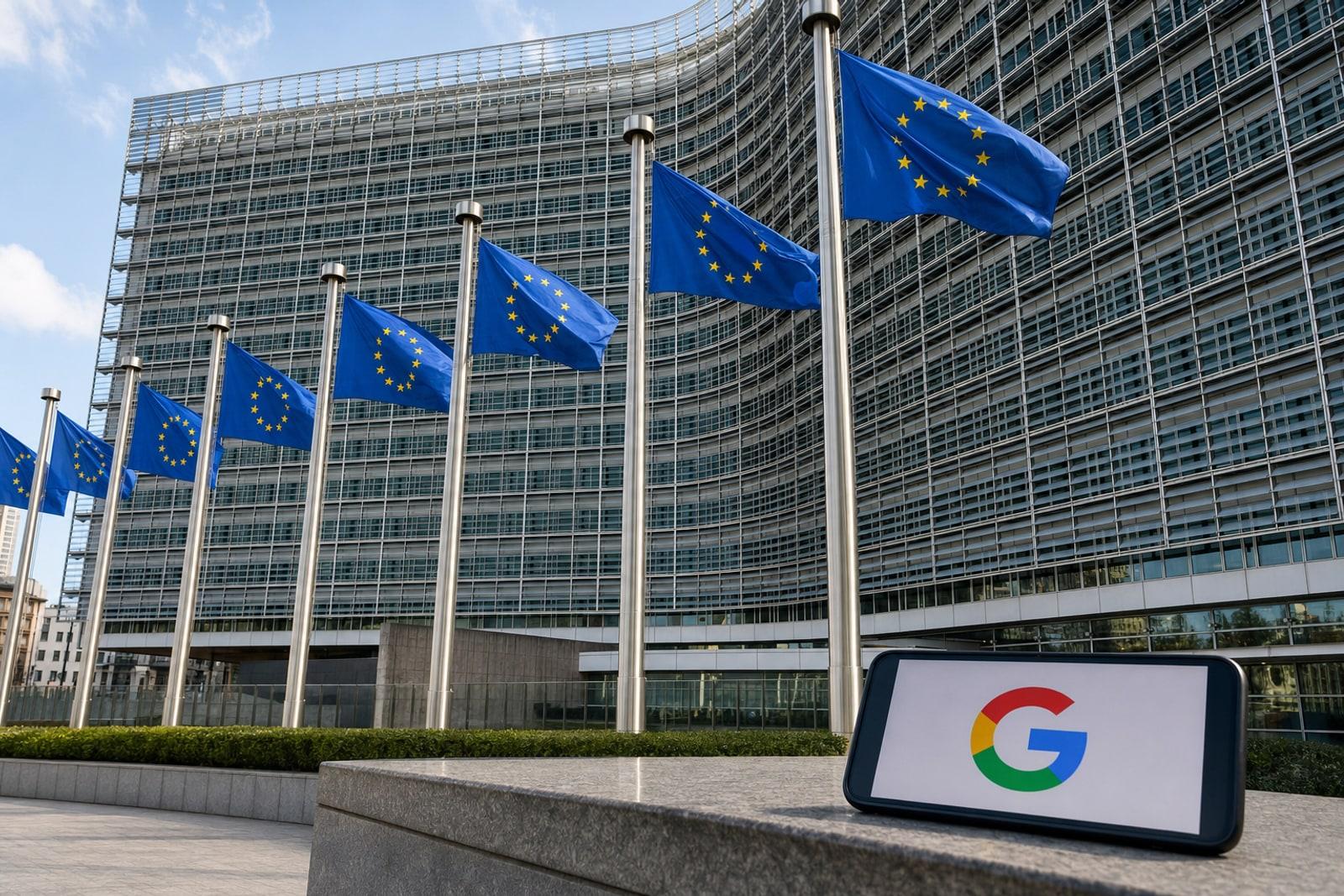
BRUSSELS — The European Union's competition enforcers have opened an antitrust investigation into Sanofi, examining whether the French pharmaceutical group abused a commanding position in the market for seasonal influenza vaccines by spreading misleading claims about rival shots.
The inquiry surfaced on 30 September 2025, when the European Commission disclosed that it had carried out unannounced inspections — so-called dawn raids — at the premises of an unnamed company in the vaccines sector. Sanofi confirmed the same day that it was the target, saying Commission representatives had visited its sites in France and Germany the previous day, on 29 September, "in connection with an investigation into conduct in the seasonal flu vaccine space." Commission officials were accompanied by counterparts from national competition authorities.
What Brussels suspects
In its statement, the Commission said it had concerns that the inspected company may have violated EU rules prohibiting the abuse of a dominant market position, set out in Article 102 of the Treaty on the Functioning of the European Union. More specifically, the regulator said it was looking at conduct that could amount to anticompetitive disparagement.
The term describes a firm targeting competitors with false or unsubstantiated claims about their products or reputation — for example, by sowing doubt about the safety or effectiveness of a rival vaccine that health authorities have already approved. Where a dominant company uses such tactics to push competitors out, EU law treats it as an abuse, not ordinary marketing.
"The Commission has concerns that the inspected company may have violated EU antitrust rules that prohibit the abuse of a dominant market position. In particular, the Commission is investigating possible exclusionary practices that may amount to anticompetitive disparagement."
The Commission stressed that the raids were only an early move. "The fact that the Commission carries out such inspections does not mean that the company in question is guilty of anti-competitive behaviour, nor does it prejudge the outcome of the investigation itself," it said. Such inquiries carry no legal deadline, so any conclusion — let alone a charge sheet, known as a statement of objections — could be years away.
A strategic market that reaches every member state
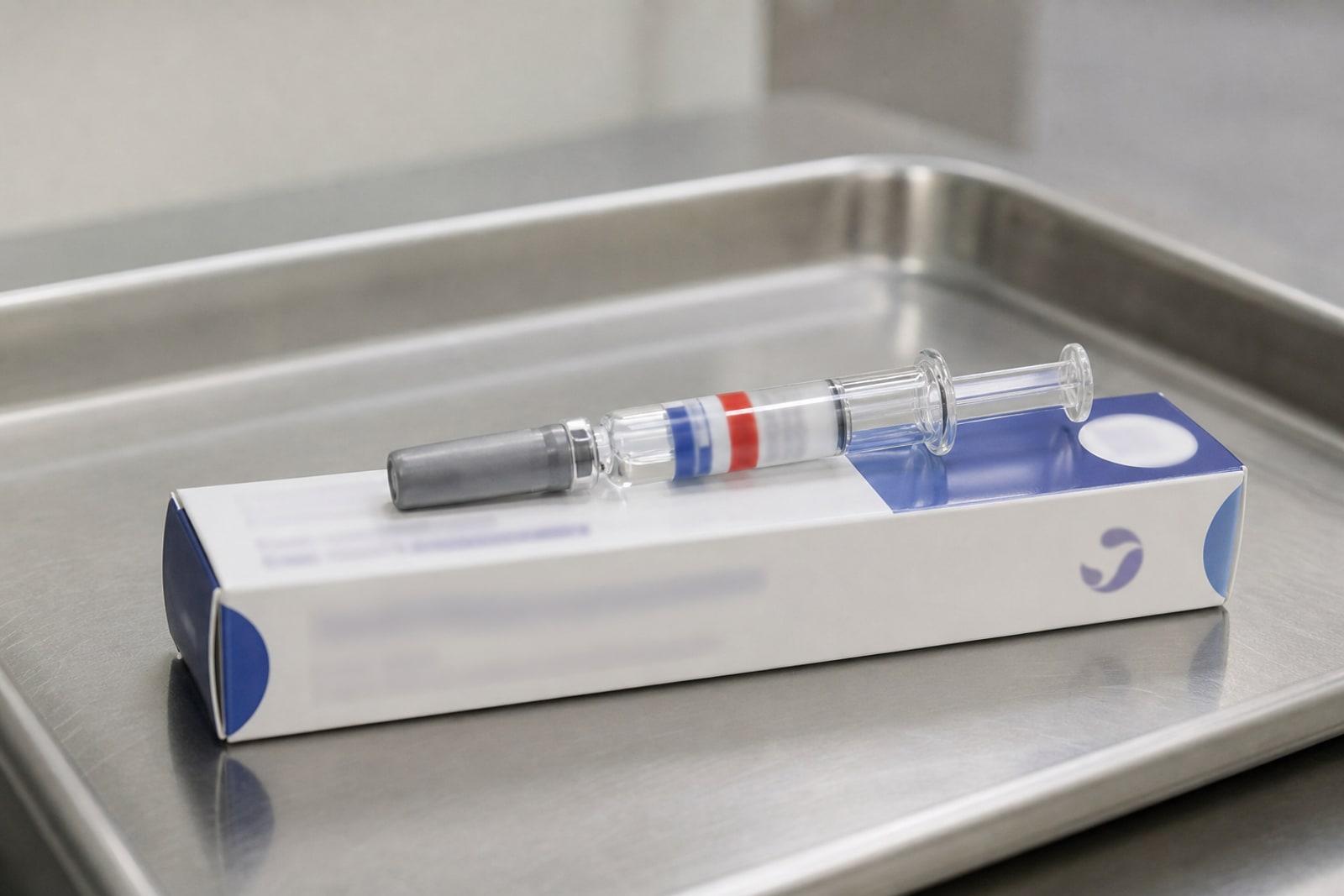
Sanofi is one of the world's three largest makers of seasonal flu vaccines, alongside Britain's GSK and Australia's CSL Seqirus, with smaller suppliers including AstraZeneca and Daiichi Sankyo. Its European range spans several products aimed at different groups:
- VaxigripTetra, a standard-dose vaccine for the general population;
- Efluelda, a high-dose shot designed to give stronger protection to people aged 65 and over;
- Supemtek, a recombinant vaccine.
That portfolio gives the case its public-health weight. Seasonal flu vaccination programmes run in all 27 member states, and what regulators decide about competition in this market feeds directly into vaccine pricing, supply and choice. In Luxembourg, health authorities recommend an annual flu jab for people over 65 and for those in at-risk groups; the national health fund, the Caisse nationale de santé (CNS), reimburses the vaccine for eligible residents, and vaccines on the national programme are supplied free by the State to vaccinating doctors, with patients paying only for the consultation. A distortion in how the leading shots compete is therefore not an abstract Brussels matter — it touches the public purse and the protection offered to older and vulnerable residents across the bloc.
Sanofi's response — and what is at stake
Sanofi has not contested the inspections so much as the suggestion of wrongdoing. The company said it "is confident that it is compliant with the relevant rules and regulations, and will cooperate fully with the European Commission," declining to comment further while the inquiry is open.
The stakes are considerable. If the Commission ultimately finds an abuse of dominance, it can impose fines of up to 10% of a company's annual worldwide turnover and order the conduct to stop. For a group of Sanofi's size, that ceiling runs into billions of euros, even if penalties rarely reach the maximum.
Brussels also has fresh precedent in exactly this kind of case. In October 2024 the Commission fined Israel's Teva €462.6 million — its largest pharmaceutical penalty to date — for misusing the patent system and running what it called a "systematic disparagement campaign" against a rival multiple-sclerosis drug. That decision followed an earlier settlement with the Swiss group Vifor, the Commission's first case built on disparagement of a therapeutically equivalent product. Officials pointed to both as evidence that knocking competitors with misleading claims can be policed as an antitrust offence, not merely as unfair advertising.
For now, the Sanofi file remains an investigation rather than a verdict. No formal charges have been laid, and the company is entitled to the presumption that it has done nothing wrong. But the raids confirm that the EU's competition arm is willing to step into a market that governments treat as critical infrastructure — and to test whether the words a dominant drugmaker uses about its rivals can themselves break the law.
Frequently asked
- What is the European Commission investigating Sanofi for?
- The Commission suspects Sanofi may have abused a dominant position in seasonal flu vaccines through 'anticompetitive disparagement' — spreading false or unsubstantiated claims about rival vaccines. It carried out unannounced inspections at Sanofi sites in France and Germany on 29 September 2025.
- What penalties could Sanofi face?
- If the Commission finds an abuse of dominance under Article 102 TFEU, it can fine a company up to 10% of its annual worldwide turnover and order the conduct to stop. As precedent, the Commission fined Teva €462.6 million in October 2024 for patent misuse and a disparagement campaign.
- How does this affect Luxembourg?
- Sanofi's flu vaccines are sold across all 27 EU states. Luxembourg recommends annual flu vaccination for over-65s and at-risk groups, and the CNS reimburses the vaccine for eligible residents, with national-programme doses supplied free by the State — so competition in this market affects local pricing, supply and public health.
- Has Sanofi been found guilty?
- No. Unannounced inspections are a preliminary step and do not prejudge the outcome. Sanofi says it is confident it complies with the rules and will cooperate. As of mid-2026 there is no public record of formal charges or a statement of objections.
Sources(8)
- 1Commission carries out unannounced antitrust inspections in the vaccines sectorEuropean Commission (press release IP/25/2255) · ec.europa.eu
- 2Sanofi says under investigation by European Commission over vaccinesReuters (via Global Banking & Finance Review) · globalbankingandfinance.com
- 3Sanofi Raided by EU in 'Disparagement' Antitrust CaseBloomberg · news.bloomberglaw.com
- 4Sanofi faces EU antitrust probe into vaccine businesspharmaphorum · pharmaphorum.com
- 5Sanofi's German, French premises hit by EU probe amid vaccines market abuse concernsFierce Pharma · fiercepharma.com
- 6Commission carries out unannounced inspections in the vaccines sector over anticompetitive disparagement concernsEU Law Live · eulawlive.com
- 7Commission fines Teva €462.6 million over misuse of the patent system and disparagement to delay rival multiple sclerosis medicineEuropean Commission (press release IP/24/5581) · ec.europa.eu
- 8Vaccination — reimbursed benefitsCaisse nationale de santé (CNS), Luxembourg · cns.public.lu
Related by topic