Climate
June heatwave put Luxembourg health and water services under pressure
A rapid scientific assessment puts June’s heat outside the experience of a generation. Luxembourg’s record month, health response and water alert show why this is not only a continental spectacle.
By Léa Hoffmann · · 4 min read
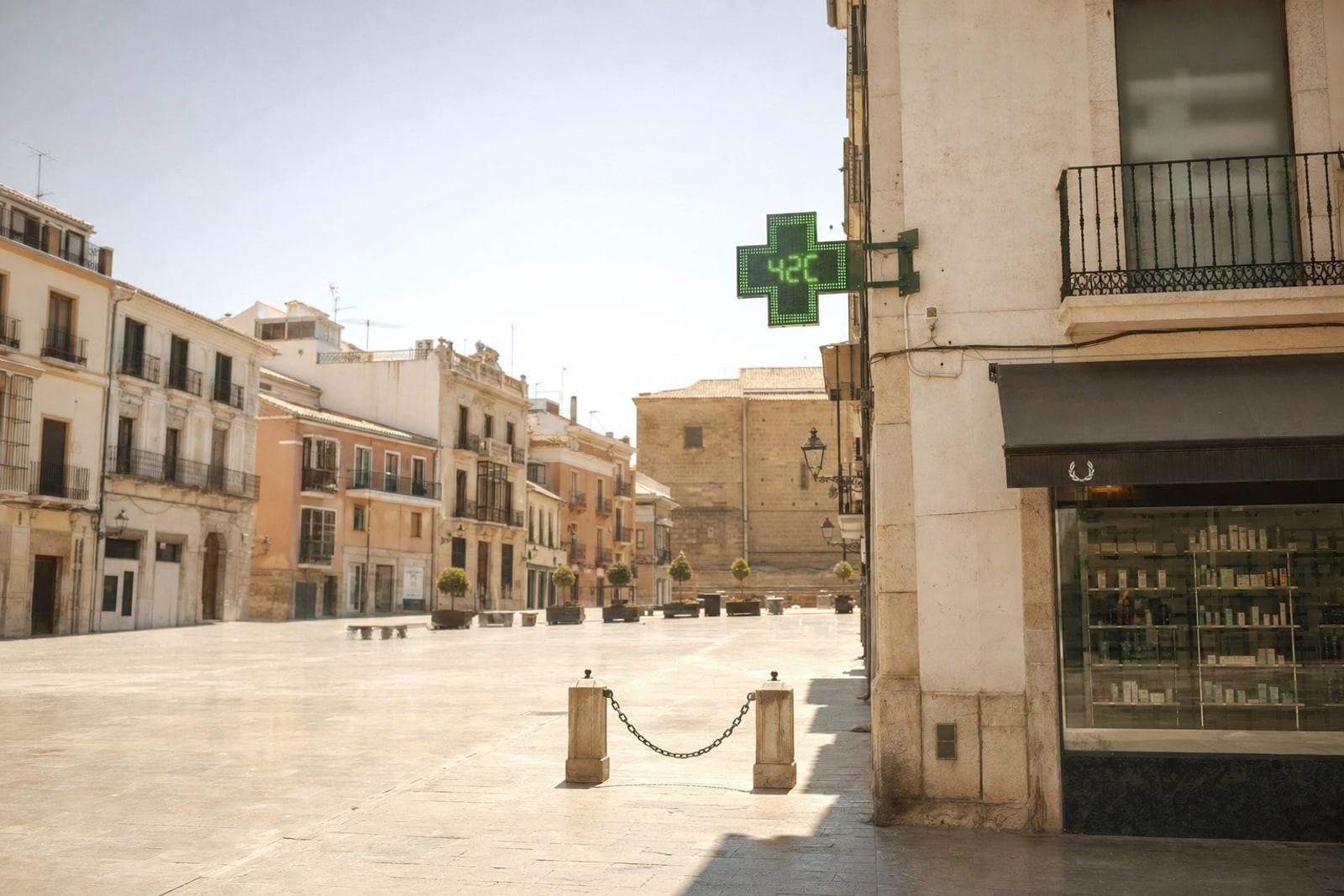
Europe’s extraordinary June heatwave should not be understood as a distant emergency in France, Britain or the Mediterranean. In Luxembourg, it produced the hottest June in the Findel record, prompted the country’s highest weather alert and, weeks later, helped bring drinking-water supplies under a national vigilance regime.
The most forceful description of the episode comes with an important geographical qualification. A rapid analysis by World Weather Attribution (WWA) found that it was the most severe heatwave ever recorded over its study region: land between 40° and 60° north and 10.5° west to 20° east. That covers a large part of western and central Europe, including Luxembourg; it is not a claim about every part of the continent.
WWA compared three-day extremes in daytime highs and overnight lows with earlier climates. It concluded that a similar June event would have been about 3.5°C cooler by day in the climate of 1976, and that comparable night-time heat would have been more than 100 times less likely in 2003. The Associated Press independently reported the findings and the limits of the exercise: WWA’s rapid studies use peer-reviewed methods, but the studies themselves are not peer-reviewed.
“And it would also still have been very, very rare, even 23 years ago in 2003,” Theodore Keeping, the analysis’s lead author, told AP.
What the record does — and does not — measure
WWA’s “unseen in living memory” framing rests on more than a single thermometer reading. Its regional analysis used observed and reanalysis temperature data, time series of June and annual three-day maximum and minimum temperatures, and a statistical model whose location shifts with global mean surface temperature. The report says the event’s June return period for the full study region exceeded 100 years, while cautioning that estimates at the far end of a distribution are uncertain.
The group also estimated Wet-Bulb Globe Temperature, or WBGT, for 854 cities in 30 countries. Unlike air temperature alone, WBGT incorporates humidity and is intended to better reflect thermal strain on the body. The calculation found that 44.9% of the cities had reached their highest-ever WBGT values between 18 and 29 June, as of 24 June. Every Luxembourg city included in that sample was among them. Nature independently reported the city-level finding.
That is not a mortality count, nor is it a declaration that every place in Luxembourg had the same conditions. It is a heat-stress screening result, partly based on forecasts available while the event was under way. But it helps explain why hot nights and humidity matter as much as the most visible afternoon maximum: they limit the body’s ability to recover.
Luxembourg’s measured heat and alert response
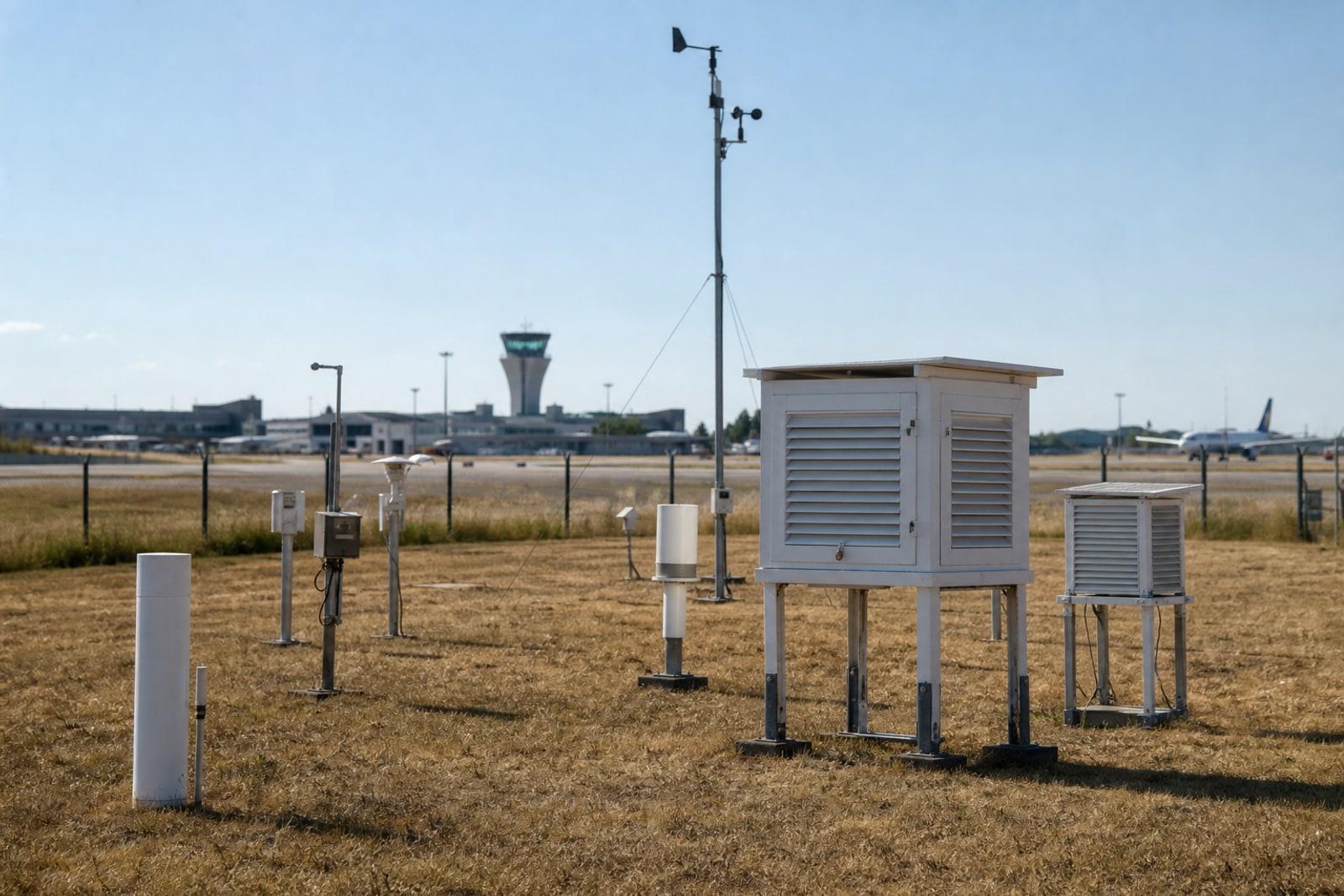
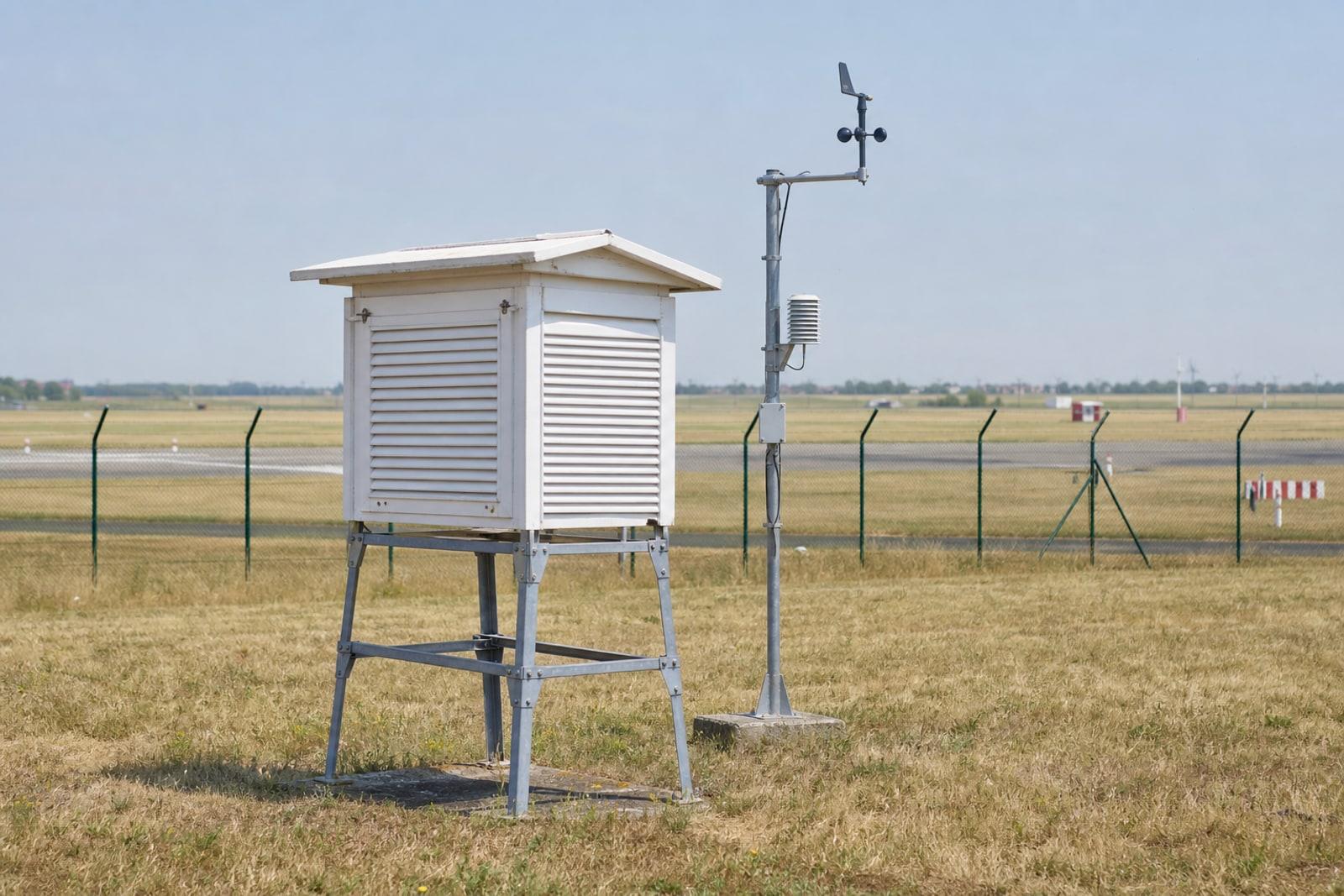
At the country’s long-running reference station at Luxembourg-Findel Airport, MeteoLux measured 38.2°C on 26 June — the highest daily maximum for any June since observations began there in 1947. The month averaged 19.9°C, 3.2°C above the 1991–2020 normal and 0.1°C above the previous June record. There were 11 consecutive days with maxima of at least 30°C, six of them followed by tropical nights, when the minimum did not fall below 20°C.
The operational response was equally telling. Luxembourg raised its weather alert to red at noon on 22 June, expecting local temperatures up to 40°C, and later extended it until 07:00 on 28 June. On 25 June, the government said emergency-service interventions had risen by nearly 70% above the average the previous day and that heat-related emergency visits had increased, though hospitals remained broadly under control.
The Health Directorate had already activated Level 3 of its Heatwave Alert Plan on 18 June. Eligible people aged 75 or older who live alone and have limited autonomy could receive monitoring visits and hydration support. The government’s advice focused on hydration, shade, avoiding strenuous activity and checking on people at risk.
- Health: prolonged hot days and tropical nights increase the burden on emergency and care services.
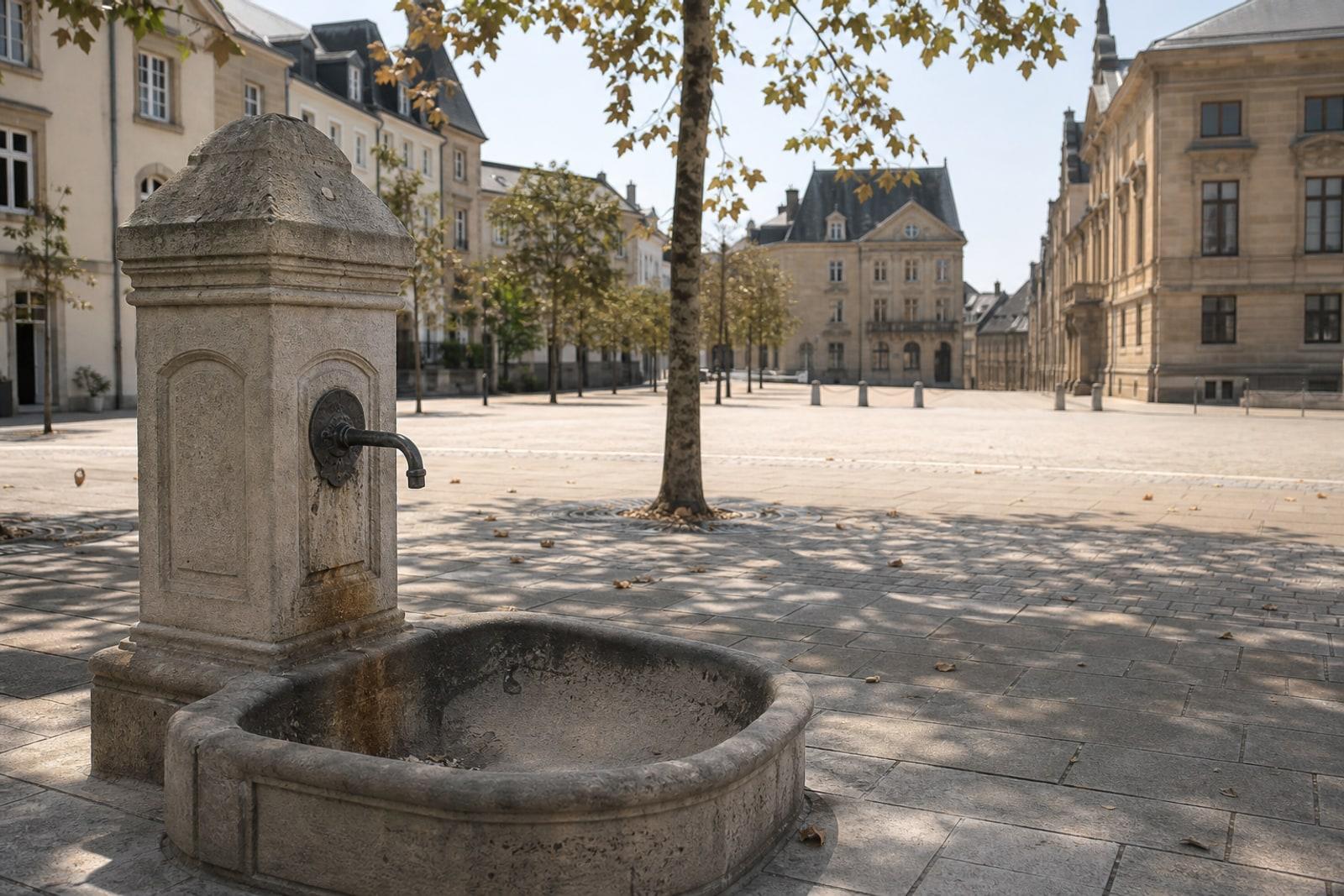
- Water: on 10 July, the Water Management Agency said higher demand, heat and rainfall deficits had put several suppliers’ infrastructure under pressure, triggering a national vigilance phase.
- Critical systems: Luxembourg’s electricity risk plan identifies climate-driven changes in demand as a planning issue. It does not establish that the June episode caused a domestic electricity shortage.
Preparation is now the immediate story
Luxembourg has updated the way it describes heat risk. Since this summer, MeteoLux warnings use the Universal Thermal Climate Index, combining air temperature, humidity, wind and solar radiation, rather than relying mainly on temperature. The system also accounts for duration: red means extreme perceived heat with little overnight relief expected for at least three consecutive days.
That approach is closer to the public-health reality WWA was trying to capture. It also avoids treating a heatwave as a one-day record chase. Public transport, buildings, water networks and electricity demand are interconnected pressures, but the evidence reviewed does not support claiming that Luxembourg’s transport or power system failed in June. It does show that health and water services were already operating under additional strain.
For residents, the practical conclusion is less dramatic than the headlines but more urgent: extreme heat is becoming a recurring condition for which homes, workplaces and public systems must be designed. As Met Office chief meteorologist Andy Page put it during the wider European event, “Significant disruption to daily life is likely and the public should take every effort to adapt their daily routines to cope with these levels of heat.”
Frequently asked
- Did the June 2026 heatwave break a record across all of Europe?
- No. WWA described it as the most severe ever recorded over its specified study region, covering land between 40–60°N and 10.5°W–20°E.
- What was Luxembourg’s highest verified June temperature?
- MeteoLux measured 38.2°C at Luxembourg-Findel Airport on 26 June 2026, a June record for that station’s observations since 1947.
- What was Luxembourg’s highest alert level?
- A red heat alert began at noon on 22 June and was extended until 07:00 on Sunday 28 June.
- Was Luxembourg’s electricity supply disrupted?
- The sources reviewed do not establish a national electricity-supply emergency. The government’s risk plan does identify climate-related shifts in electricity demand as a preparedness issue.
Sources(12)
- 1Fossil fuel emissions have rapidly worsened European heatwaves in just a few decadesWorld Weather Attribution · worldweatherattribution.org
- 2Study: Climate change is behind Europe's high temperaturesAssociated Press · apnews.com
- 3Europe’s record heatwave: does the continent have a new climate?Nature · nature.com
- 4Britain, Switzerland break June temperature record as deadly heatwave grips EuropeReuters · investing.com
- 5MeteoLux enregistre un record de température maximale historique pour un mois de juin !MeteoLux · meteolux.lu
- 6Juin 2026 : le mois de juin le plus chaud jamais mesuré au FindelMeteoLux · meteolux.lu
- 7Exceptional heatwave and National Day celebrations: red alert in effect from 12.00 on Monday 22 June 2026Government of Luxembourg · gouvernement.lu
- 8Heatwave: extension of the red alert until Sunday 07:00Government of Luxembourg · gouvernement.lu
- 9Drinking water supply: vigilance phase activated and stronger call to save waterGovernment of Luxembourg · gouvernement.lu
- 10MeteoLux modernise son système d’alerte chaleur dès l’étéGovernment of Luxembourg · gouvernement.lu
- 11Luxembourg risk preparedness plan for the electricity sectorLuxembourg Ministry of the Economy · meco.gouvernement.lu
- 1238,2 °C et onze jours de chaleur : double record historique en juinLe Quotidien · lequotidien.lu
Related by topic