Energy & Geopolitics
US Eases Iran Oil Sanctions for 60 Days, Pulling Crude Prices Lower
A temporary US Treasury licence clears Iranian crude to return to world markets through August 21, sending oil prices lower and offering Europe relief from a war-driven energy spike.
By Jonas Thill · · 4 min read
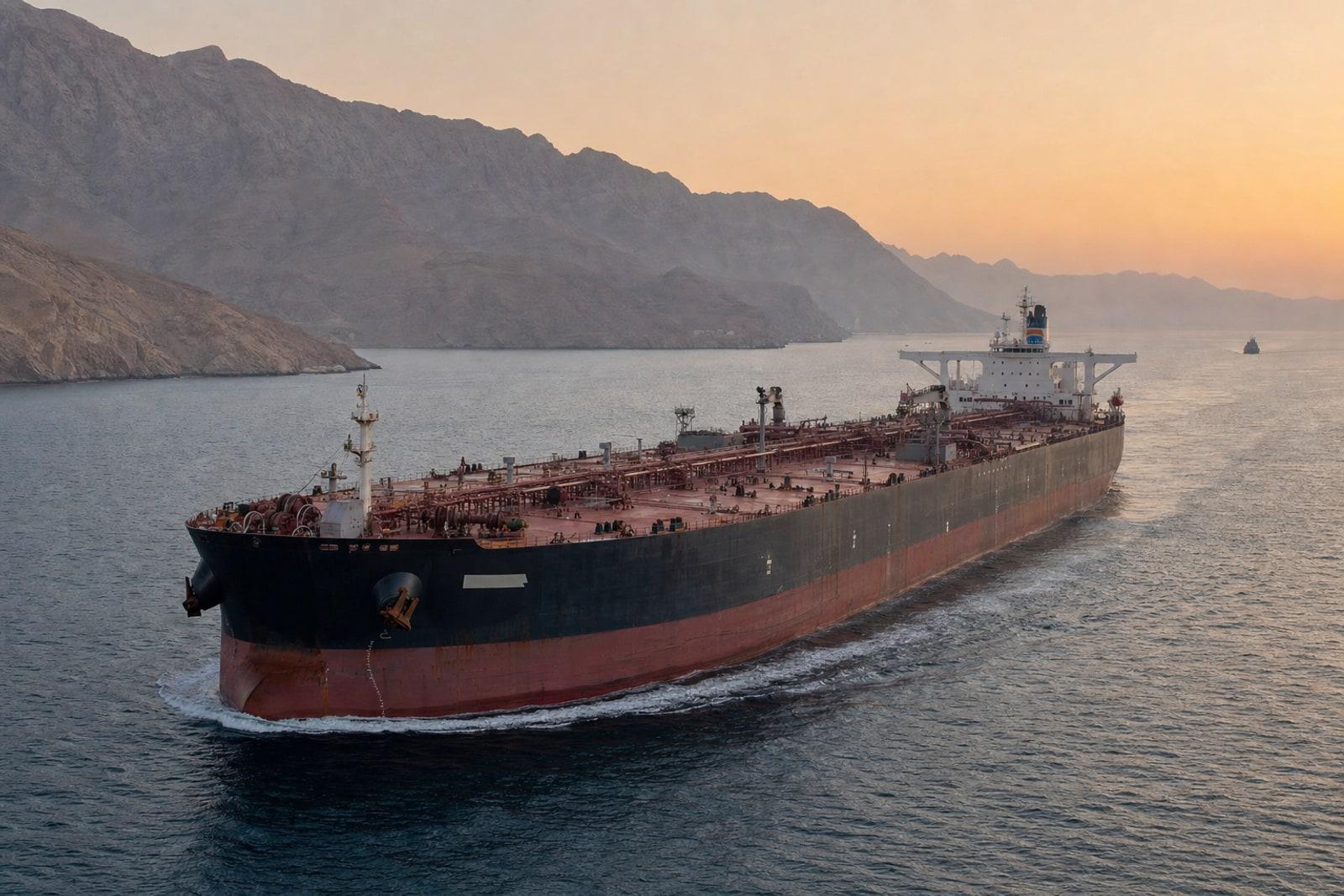
The United States has temporarily lifted sanctions on Iranian crude oil, clearing one of the world's largest producers to sell into global markets for the first time since 2018 and pushing oil prices lower in a shift that could ease the energy-driven inflation dogging Europe since the spring.
The US Treasury Department on June 22 issued a 60-day general licence authorising the production, delivery and sale of Iranian crude oil, petroleum products and petrochemicals. The authorisation, which runs until 12:01 a.m. Eastern time on August 21, also permits the supporting services that make oil trade possible — shipping, insurance and financial settlement — and even allows Iranian barrels to be imported into the United States. Treasury Secretary Scott Bessent announced the measure, describing it as part of a wider framework with Tehran.
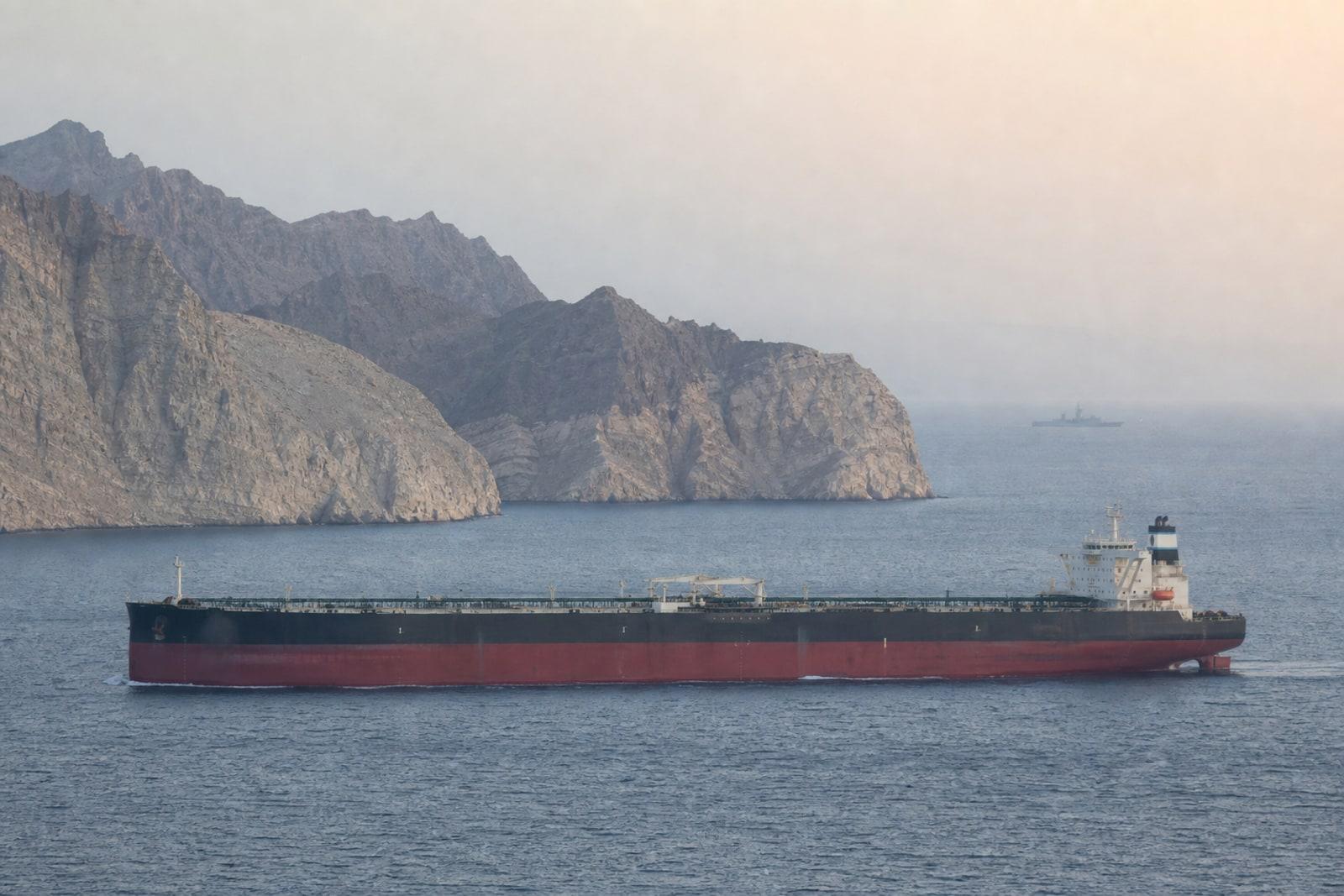
The licence implements a condition of a 60-day memorandum of understanding signed by the two governments on June 17, an interim deal struck after weeks of confrontation in the Gulf that had closed the Strait of Hormuz and driven crude toward $120 a barrel. It is not a final settlement: negotiators meeting at the Bürgenstock resort in Switzerland, with Qatar and Pakistan mediating, are still working toward a comprehensive agreement, with unresolved questions over Iran's nuclear programme and hostilities in Lebanon.
What the licence allows
The relief is broad but bounded. According to the Treasury and contemporaneous reporting, the general licence covers:
- The production, transport and sale of Iranian crude, refined products and petrochemicals;
- Previously blacklisted tankers, which may again carry Iranian oil;
- Transactions settled in US dollars, plus the insurance and banking services that underpin them;
- Imports of Iranian oil into the United States.
Washington kept guardrails in place. The authorisation explicitly excludes any dealings that involve North Korea, Cuba or Russian-occupied territory in Ukraine, all of which remain under separate US sanctions. And because it is a time-limited waiver rather than a permanent repeal, traders know the window could shut again on August 21 if the talks collapse.
A fragile diplomatic bargain
For Washington, the oil relief is the carrot in a security deal. Bessent tied the licence directly to commitments Tehran made at the negotiating table.
"Iran has committed to free and open transit in the Strait of Hormuz and to permit International Atomic Energy Agency (IAEA) inspectors into their country," Bessent said.
Vice-President JD Vance, who led the US delegation in Switzerland, said the two sides had "laid a very good foundation for a successful final deal." Shipping data showed traffic through the Strait of Hormuz — the chokepoint through which roughly a fifth of the world's oil normally passes — climbing back toward pre-war levels as dozens of vessels resumed transits.
Markets and Europe's energy bill
Oil markets, which had spiked during the conflict, extended their retreat. Brent crude traded near $77.90 a barrel on June 22, down about 3.3% on the day and only around 7% above where it sat before fighting erupted on February 28; West Texas Intermediate hovered near $74. At the war's peak, front-month prices had approached $120.
How much Iranian oil actually returns — and how fast — will shape the months ahead. Iran's pre-conflict output ceiling was about 3.8 million barrels a day; analysts say a rapid restart could add up to 2 million barrels a day within the 60-day window, though many expect a slower ramp-up as sanctioned logistics are rebuilt. "Putting aside the contents of the MoU, markets are likely to be welcoming the fact that both the US and Iran signed it sooner than initially expected," said Norihiro Yamaguchi, an economist at Oxford Economics.
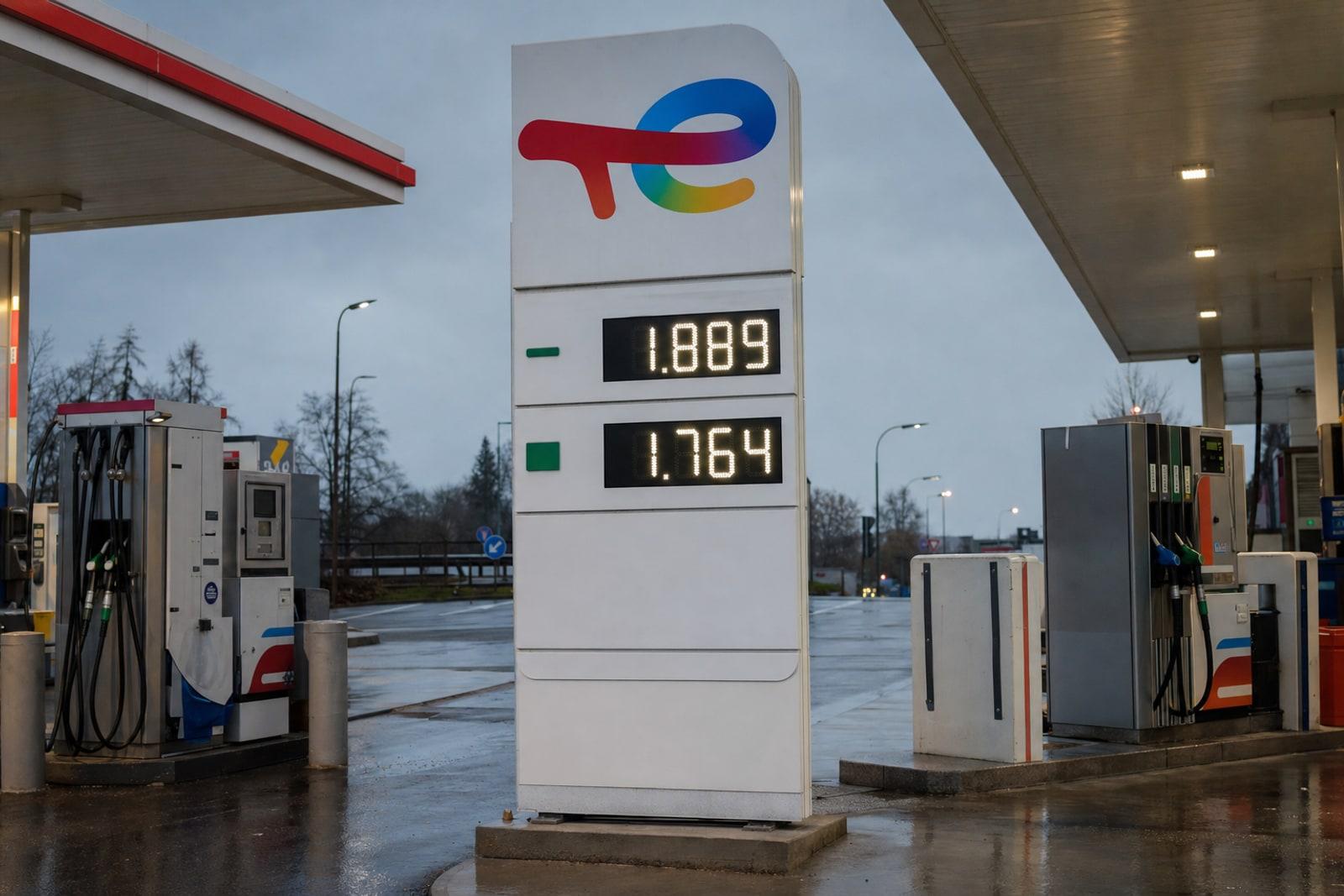
The stakes are largest for Europe, which imports 80 to 85% of its oil and felt the war's price shock acutely. Each $10 move in crude translates into roughly 3 to 6 euro cents per litre at European pumps, depending on national taxes — a direct channel into headline inflation that the European Central Bank watches closely. European gas told a similar story: benchmark TTF futures, which had jumped to nearly €62 per megawatt-hour in March, had eased back toward €44.
Yet analysts caution that cheaper Iranian crude is unlikely to fully reverse the spike. Damaged Gulf energy infrastructure will take months to repair, shipping and insurance premiums remain elevated, and European storage must be refilled before winter. "The floor is likely higher than pre-crisis because Europe must refill low storage, so prices above €40/MWh are a plausible near-term post-deal scenario," said Andrei Covatariu, an energy analyst at the Atlantic Council.
For now, the message from markets is one of cautious relief. A diplomatic off-ramp in the Gulf has pulled crude well below its wartime highs and taken some pressure off Europe's energy-driven inflation — but the reprieve, like the licence itself, comes with an expiry date.
Frequently asked
- What exactly did the US authorise?
- A 60-day Treasury general licence permitting the production, delivery and sale of Iranian crude oil, petroleum products and petrochemicals, plus the shipping, insurance and dollar financial settlement needed to trade them. It runs until August 21, 2026 and even allows imports of Iranian oil into the US, but excludes deals involving North Korea, Cuba or Russian-occupied Ukraine.
- Why did Washington ease the sanctions now?
- The licence implements a condition of a 60-day memorandum of understanding signed with Iran on June 17, 2026 after weeks of Gulf conflict. In exchange, Tehran agreed to keep the Strait of Hormuz open and to readmit IAEA nuclear inspectors, while talks continue in Switzerland toward a final deal.
- How did oil prices and Europe respond?
- Brent crude slipped to about $77.90 a barrel, well below its wartime peak near $120. Because Europe imports 80-85% of its oil and a $10 crude move equals 3-6 euro cents per litre at the pump, the relief eases energy-driven inflation — though analysts say damaged infrastructure and low gas storage will keep some prices elevated.
Sources(9)
- 1US partially lifts Iran oil sanctions amid 'encouraging' talksAl Jazeera · aljazeera.com
- 2U.S. eases Iran oil sanctions under temporary peace agreementWorld Oil · worldoil.com
- 3Treasury Department issues temporary license for Iranian oil salesThe Hill · thehill.com
- 4US Treasury eases sanctions, issues 60-day license for Iranian oil amid progress in peace talksANI News · aninews.in
- 5Oil prices fall, stocks rally as US, Iran sign framework to end warAl Jazeera · aljazeera.com
- 6Oil Prices Mixed as Brent Falls to $77.90, WTI Gains on Easing Middle East Tensions and Iran Sanctions WaiverGulf News · gulfnews.com
- 7U.S., Iran agree on roadmap for final deal and plan to end military operations in LebanonCNBC · cnbc.com
- 8US, Iran make 'encouraging progress' after hours-long talks in Burgenstock; agree on roadmap to reach final peace deal in 60 daysDawn · dawn.com
- 9Why oil and gas prices could stay high in Europe even if the Iran war endsEuronews · euronews.com
Related by topic