EU agriculture policy
EU loosens GMO rules, testing Luxembourg's anti-GMO line
Brussels has cleared a new generation of gene-edited crops with lighter rules and no consumer label - putting the Grand Duchy's decades of GMO scepticism on the spot.
By Camille Reuter · · 4 min read
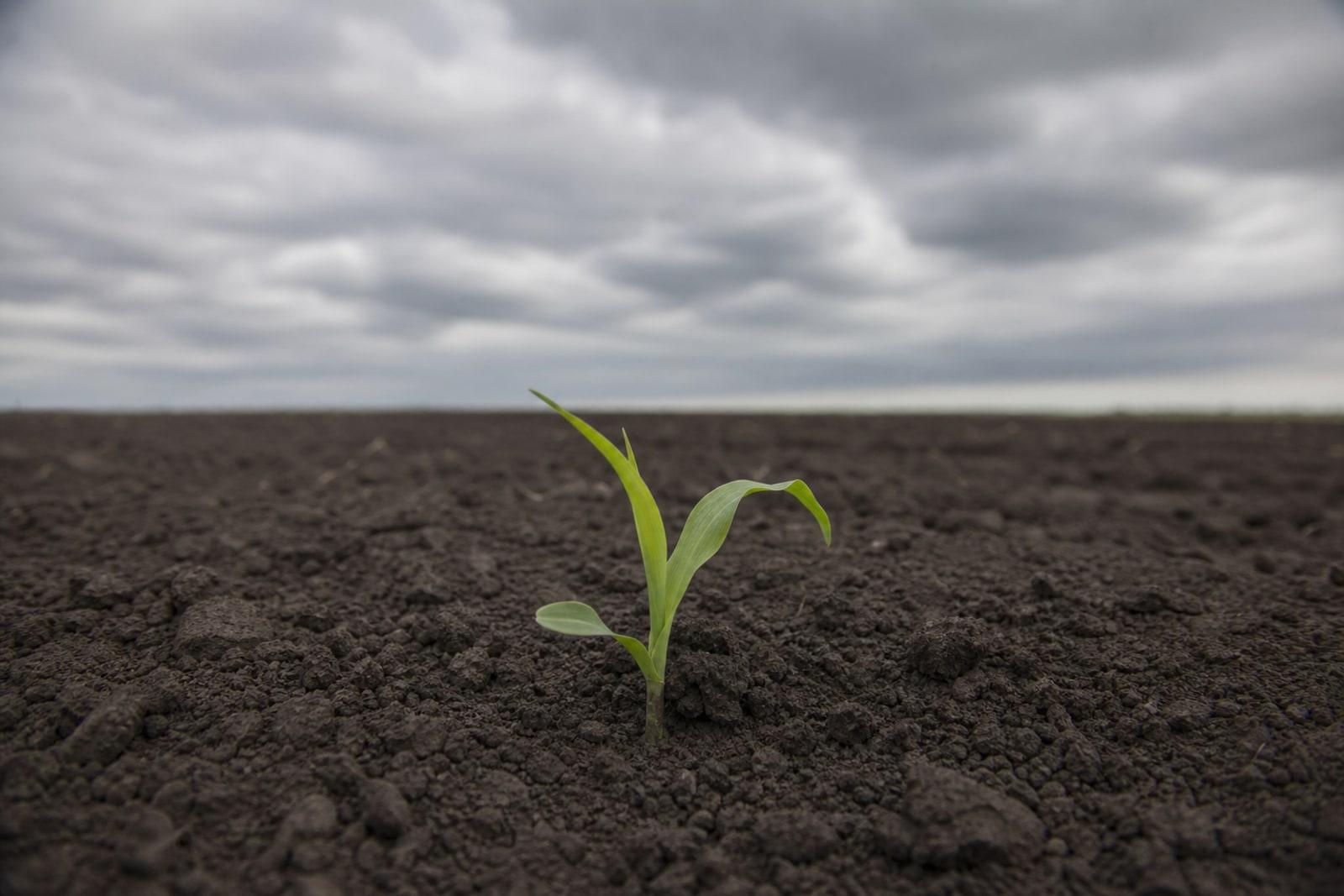
The European Union has cleared the way for a new generation of gene-edited crops, and in doing so has put Luxembourg's decades-old scepticism toward genetically modified food squarely to the test. On 17 June 2026, the European Parliament gave final approval to a regulation that frees the simplest plants made with so-called new genomic techniques (NGT) from the bloc's strict GMO rules - including, for many products, the obligation to carry a label.
Lawmakers backed the reform by 431 votes to 201, with 29 abstentions, completing a process that began with a Commission proposal in 2023 and survived years of deadlock among member states. The Council of the EU had already endorsed the negotiated deal under the Cypriot presidency, and the new rules are due to apply from mid-2028.
What the new rules change
The regulation replaces the EU's blanket, process-based GMO regime with product-based oversight that sorts gene-edited plants into two tiers. Plants in the first category - NGT-1 - are treated as equivalent to conventionally bred varieties. They are exempt from EU GMO legislation, skip the standard authorisation and risk-assessment route, and carry no labelling on the final product sold to consumers. They will instead be entered in a public EU database, and only seed lots must be labelled so that farmers can choose to avoid them. Plants engineered with herbicide-tolerant traits are excluded from this light-touch category.
Plants with more complex edits - NGT-2 - remain under the existing GMO framework, with full authorisation, risk assessment, traceability and mandatory labelling. Both categories stay banned from organic farming, pending further assessment. On the contentious question of seed patents, Parliament rejected amendments that would have outlawed them; instead, developers must disclose patent information in a public register, and the Commission has promised a study on the effects of patenting within a year of the law taking effect.
Supporters cast the overhaul as a competitiveness measure that will give breeders faster access to climate-resilient, disease-resistant varieties.
Our farmers need practical solutions to adapt to climate change and remain competitive. These new rules give them access to innovation while ensuring clarity, fairness, and high standards across the EU.
That was Cyprus's agriculture minister, Maria Panayiotou, speaking for the Council presidency. The organic sector was unconvinced: Jan Plagge, president of IFOAM Organics Europe, said the movement "remains committed to producing food without GMOs and without NGTs."
How Luxembourg lined up
For a country that has long branded itself as cautious on genetic engineering, the vote exposed a gap between rhetoric and roll-call. All three of Luxembourg's MEPs - Charles Goerens of the liberal DP, and Martine Kemp and Isabel Wiseler-Lima of the Christian-social CSV - voted in favour of the deregulation, according to L'essentiel.
That stance contrasts with the Grand Duchy's record in the Council. At the EU Agriculture Council of 11 December 2023, the Luxembourg government abstained rather than vote against the Commission's proposal, a choice Greenpeace Luxembourg publicly criticised at the time as a missed opportunity to oppose. Luxembourg was also listed among the member states that withheld support for the Council text at ambassador level in February 2024, according to the watchdog Inf'OGM. The detailed national breakdown of the Council's final 2026 sign-off was never published, because the relevant meetings are not held in public.
Critics at home argue the trajectory amounts to a retreat from the precautionary principle that earlier Luxembourg governments defended. NGOs say Agriculture Minister Martine Hansen (CSV) did not push at EU level for systematic risk assessment, mandatory labelling or a ban on patents covering gene-edited plants - this despite a 2024 motion in the Chamber of Deputies urging the government to launch an initiative against such patents.
The fight over the label
The sharpest objection in Luxembourg concerns transparency. Because NGT-1 products will reach shelves without a GMO label, opponents say shoppers will lose the ability to identify or avoid gene-edited ingredients. The civil-society and farming platform Meng Landwirtschaft was blunt in its assessment, warning that "regardless of one's opinion on genetically modified food, removing labelling and safety checks for NGT is dangerous and irresponsible." The group also noted that the productivity promises long attached to genetic modification - higher yields, drought resistance - have largely failed to materialise.
The labelling demand is not fringe. In May 2025, 49 Luxembourg organisations jointly called for clear, mandatory labelling and traceability for every product derived from new genomic techniques. "The stakes are fundamental: everyone in Europe has the right to know what they eat," said Gauthier Hansel, a campaign manager at Greenpeace Luxembourg.
Industry groups counter that the new database, the seed-lot labelling and the carve-out of herbicide-tolerant traits provide adequate oversight, and that gene editing is distinct from older transgenic GMOs because it need not introduce foreign DNA. What is clear is that the practical effects will land in Luxembourg's fields and supermarkets from 2028 - and that a country which built its food identity partly on GMO caution will have to decide whether its national stance still matches the bloc it helped to bind.
- Final EU vote: 431 in favour, 201 against, 29 abstentions (17 June 2026).
- NGT-1: treated like conventional crops; no consumer-product label; public database; banned in organic.
- NGT-2: full GMO rules - authorisation, risk assessment, traceability, labelling.
- Luxembourg: three MEPs voted in favour; government had abstained in 2023; rules apply from mid-2028.
Frequently asked
- What did the EU decide on 17 June 2026?
- The European Parliament gave final approval to a regulation deregulating plants produced with new genomic techniques (NGT), by 431 votes to 201 with 29 abstentions. The simplest gene-edited plants (NGT-1) are now treated like conventionally bred crops and exempt from GMO rules, while more complex NGT-2 plants remain under full GMO requirements. The rules apply from mid-2028.
- Will gene-edited food be labelled in shops?
- Not for NGT-1 plants. These products carry no GMO label on the final product sold to consumers; only seed lots must be labelled, and the plants are listed in a public EU database. NGT-2 products keep mandatory labelling and traceability. The lack of consumer-facing labels is the main objection raised by Luxembourg NGOs.
- How did Luxembourg vote?
- Luxembourg's three MEPs - Charles Goerens (DP), Martine Kemp (CSV) and Isabel Wiseler-Lima (CSV) - voted in favour in the European Parliament. In the Council, the Luxembourg government had abstained on the proposal in December 2023 and was among states that withheld support in February 2024; the detailed national breakdown of the final 2026 Council sign-off was not made public.
- Why do critics oppose the reform?
- Environmental, consumer and organic groups - including Greenpeace Luxembourg, Meng Landwirtschaft and IFOAM Organics Europe - argue it removes consumer choice by ending labelling for NGT-1 products, weakens traceability and safety checks, and leaves seed patents in place, increasing farmers' dependence on agribusiness.
Sources(10)
- 1New genomic techniques: Council adopts new rules to boost sustainable and competitive EU food systemsCouncil of the EU (Consilium) · consilium.europa.eu
- 2Council Adopts Regulation on New Genomic TechniquesEuropean Commission (IP Helpdesk) · intellectual-property-helpdesk.ec.europa.eu
- 3NGT update: European Parliament adopts deregulation rules and rejects seed patent amendmentsFoodIngredientsFirst · foodingredientsfirst.com
- 4European Parliament votes to ease regulation of gene-edited cropsScience / AAAS · science.org
- 5European Parliament Approves New Rules for Genomic Techniques in Agriculture (Crop Biotech Update, 17 June 2026)ISAAA · isaaa.org
- 6UE/Luxembourg: l'approbation d'une nouvelle generation d'OGM critiqueeL'essentiel · lessentiel.lu
- 7Dereglement des nouveaux OGM : le Luxembourg s'abstientGreenpeace Luxembourg · greenpeace.org
- 8Nouveaux OGM : 49 organisations alertent sur la necessite d'un etiquetage clair et obligatoireGreenpeace Luxembourg · greenpeace.org
- 9Qualified majority in the Council of the European Union to deregulate numerous GMOsInf'OGM · infogm.org
- 10Plants produced by certain new genomic techniques (Legislative Train Schedule)European Parliament · europarl.europa.eu
Related by topic