Markets
Market turbulence over AI-bubble fears reaches Luxembourg's funds
Asian chip stocks plunged and memory prices soared this week as investors questioned whether the trillions poured into AI will pay off — a debate that reaches Luxembourg's fund centre.
By Jonas Thill · · 5 min read
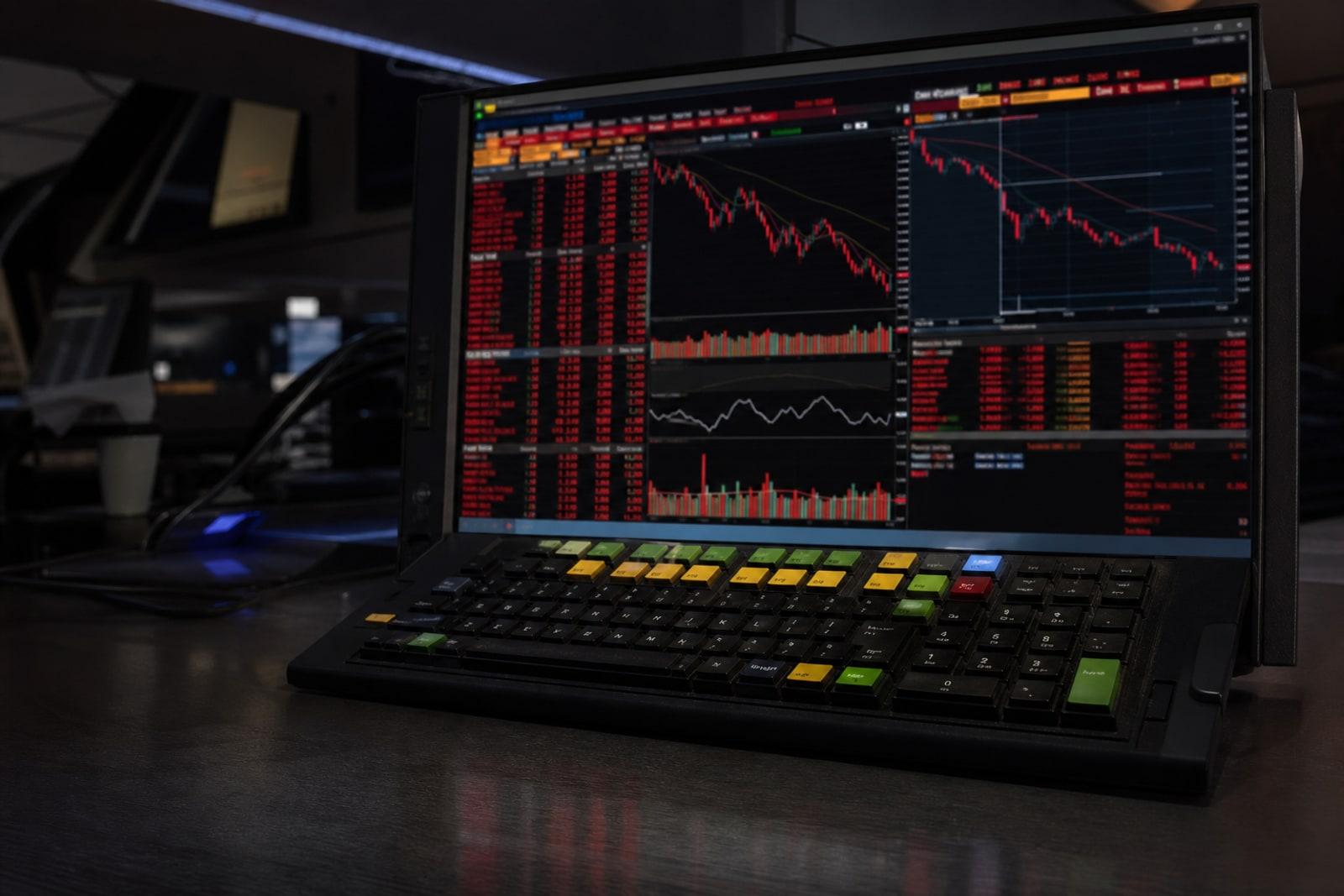
A week of stomach-churning swings across global stock markets has pushed a single question back to the centre of finance: is the boom in artificial intelligence a genuine industrial revolution, or a bubble inflating towards a painful burst? The answer matters well beyond Wall Street — it reaches the savings of anyone with money in the funds run out of Luxembourg.
On Tuesday 23 June, South Korea's Kospi index tumbled around 10%, triggering a circuit breaker that briefly halted trading, according to CNN Business and Bloomberg. Samsung Electronics and SK Hynix — the world's two largest memory-chip makers, which together account for roughly half the index's market value — both fell more than 12%. In New York the same day, the Nasdaq Composite closed down 2.2%. By Friday the turbulence had spread to Tokyo: Reuters and Nikkei Asia reported that Japan's Nikkei 225 ended 4.15% lower, around 3,000 points down at 69,360, while SoftBank Group sank 12.28% after reports that ChatGPT-maker OpenAI may delay its stock-market debut to 2027.
Across the week, nine of the largest AI-linked companies — Nvidia, Microsoft, Apple, Alphabet, Amazon, Meta, Broadcom, Oracle and Tesla — shed roughly $2.7 trillion in combined market value as investors began to ask whether the enormous sums being poured into AI infrastructure will ever translate into proportional profits.
Stretched valuations, soaring spending
The numbers behind the boom are vertiginous. Nvidia became the first company in history to reach a $4 trillion market value in July 2025, then crossed $5 trillion in October. The 10 largest companies in the S&P 500 now make up around 41% of the index, concentrating the fortunes of millions of investors in a handful of stocks. The cyclically adjusted price-to-earnings ratio — a long-run valuation gauge — has climbed above 40, a level historically associated with market peaks.
Spending is rising just as fast. Analysts estimate that capital expenditure by the big cloud "hyperscalers" will jump about 78% in 2026, from roughly $416 billion to $739 billion, much of it on data centres and chips. Sceptics question whether the revenue will follow.
"Perhaps when 2031 rolls around, we'll look back and see today's market valuation as another triumph of the efficient market hypothesis … But for me, today's optimism is yet another way in which 2026 is looking like 1999," Owen Lamont, a senior portfolio manager at Acadian Asset Management, wrote, as quoted by Fortune.
The reference to 1999 — the eve of the dot-com crash — captures the bears' core worry: that earnings will disappoint after years of breathless expectations. Even inside the banks underwriting the boom, doubts surface. "FOMO has proven a stronger incentive than poor stock performance as hyperscalers have prioritized being involved in the AI arms race over their current shareholders," said James Covello, Goldman Sachs's head of global equity research, in comments reported by Fortune.
Yet the bull case has not collapsed. Goldman Sachs strategists have kept a constructive year-end S&P 500 target of around 7,600 for 2026, arguing the rally is underpinned by real earnings growth of roughly 12% rather than pure speculation, and noting that the forward price-to-earnings ratio of about 22 times sits well below dot-com peaks. The International Monetary Fund offers a crucial nuance on systemic risk.
"This is not financed by debt, and that means that if there is a market correction, some shareholders, some equity holders, may lose out," the IMF's chief economist, Pierre-Olivier Gourinchas, told reporters. "But it doesn't necessarily transmit to the broader financial system and create impairments in the banking system or in the financial system more broadly."
The memory-chip squeeze
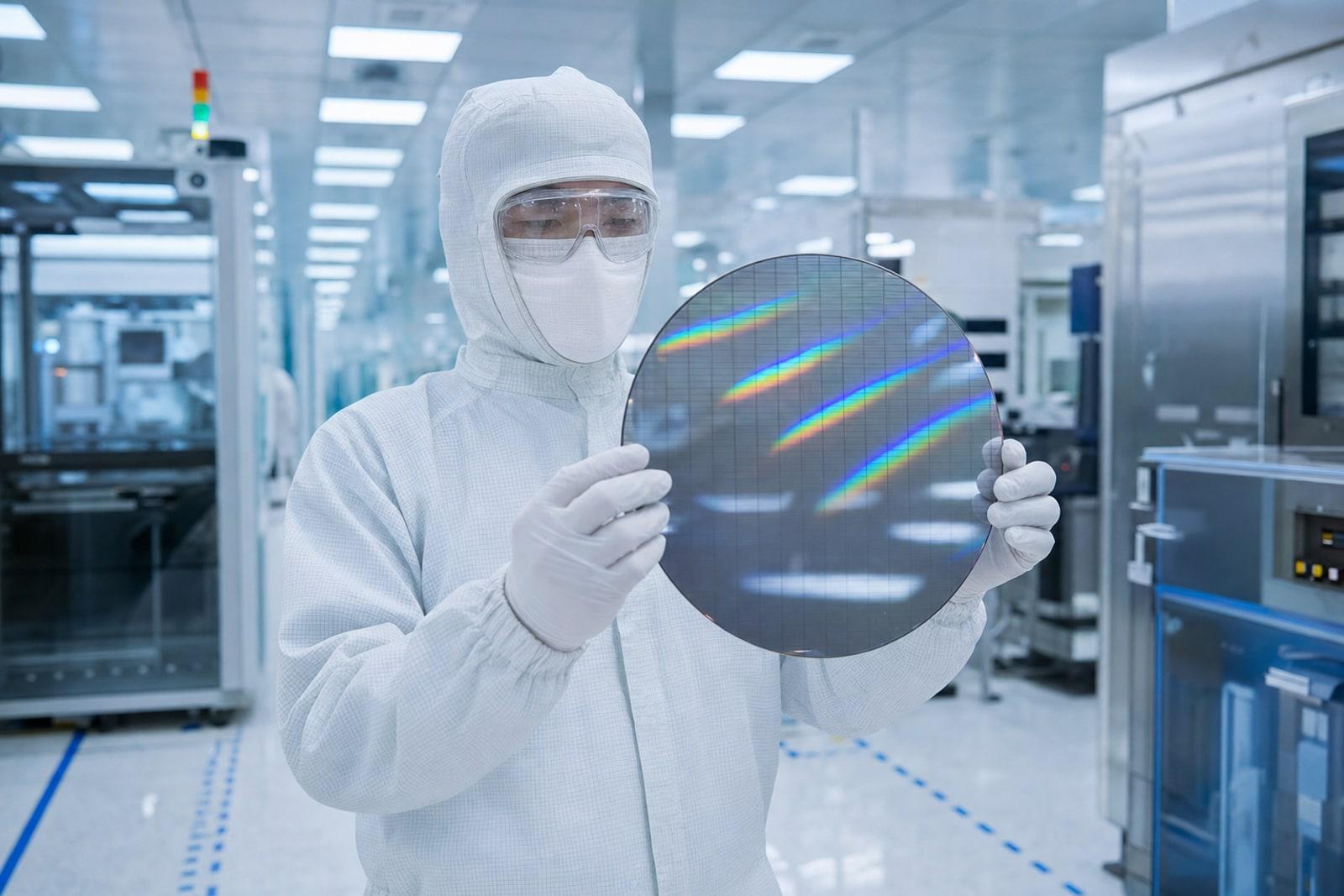
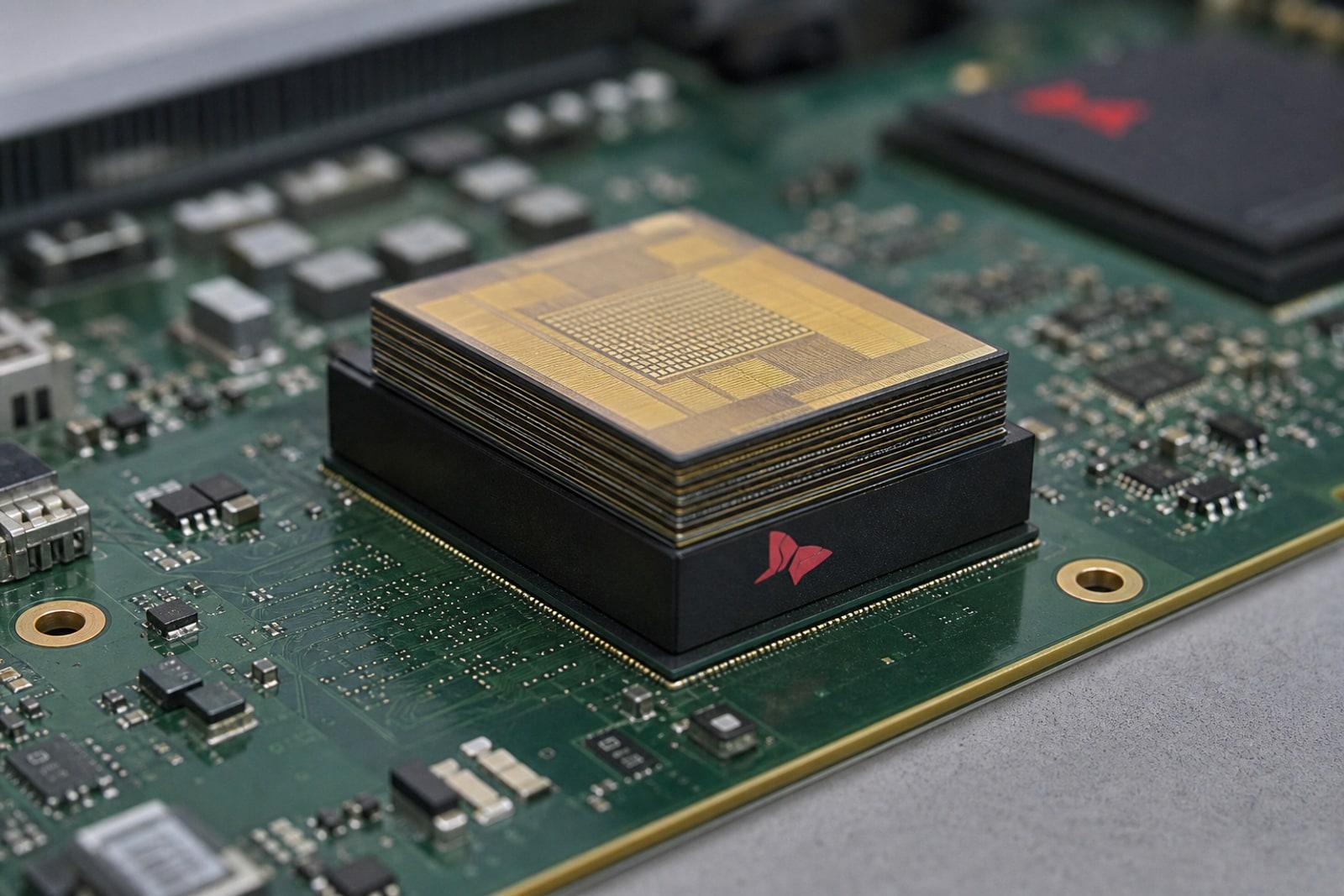
The second engine of this week's turmoil is physical, not financial: a historic shortage of computer memory. Demand for the chips that feed AI data centres has sent prices soaring. DRAM prices have risen 80% to 90% this quarter alone, according to Counterpoint Research data cited by IEEE Spectrum, as Samsung, SK Hynix and Micron divert wafer capacity towards high-margin high-bandwidth memory (HBM) for AI accelerators.
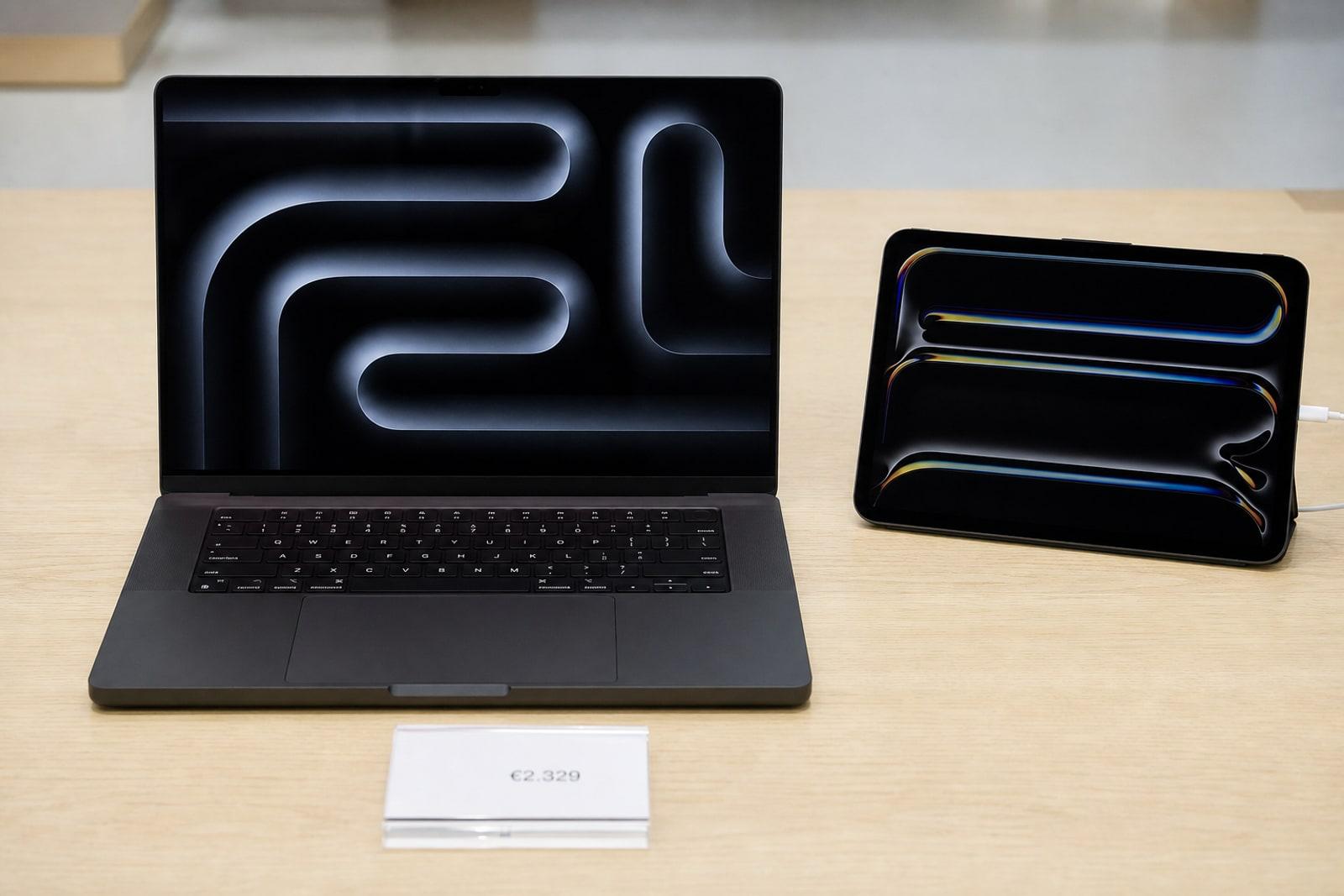
Micron's chief executive, Sanjay Mehrotra, has projected the HBM market growing from about $35 billion in 2025 to $100 billion by 2028, while Intel's chief executive, Lip-Bu Tan, warned bluntly that there would be "no relief until 2028." The squeeze is already reaching consumers: on 26 June, Apple announced price increases across much of its hardware range, citing component costs. Soaring memory prices are a double-edged sign — proof of genuine AI demand, but also of an industry straining its own supply chains.
Why it matters in Luxembourg
For the Grand Duchy, this is not a distant Wall Street story. Luxembourg is the world's second-largest investment-fund domicile after the United States, with roughly €7.5 trillion in fund assets and close to 8% of all fund assets worldwide, according to industry body EFAMA. Many of the UCITS funds registered here are global equity funds that, by tracking or favouring the largest listed companies, hold heavy weightings in exactly the US technology megacaps now under scrutiny.
That concentration means the AI-bubble debate flows directly into Luxembourg-domiciled portfolios — and into the pensions and savings of cross-border workers and residents who hold them. The reassuring reading, echoing Gourinchas, is that because the boom is largely equity-financed, a correction would bruise shareholders without necessarily threatening the banking system. The cautionary reading is that a market so dependent on a few names can fall as sharply as it rose.
- Concentration: the 10 biggest S&P 500 firms are about 41% of the index.
- Valuation: the cyclically adjusted P/E has topped 40; bulls counter that forward P/E near 22x is far below 2000.
- Exposure: Luxembourg's ~€7.5tn fund centre channels global tech weightings into local portfolios.
Whether the boom proves to be the next industrial revolution or the next 1999, this week was a reminder that the AI trade has become the market — and that its swings now land squarely on Luxembourg's savers.
Frequently asked
- Why did Asian stock markets fall this week?
- Investors grew anxious that AI valuations and spending have run too far. On 23 June South Korea's Kospi fell about 10% and triggered a circuit breaker, led by Samsung and SK Hynix; on 26 June Japan's Nikkei closed 4.15% lower as SoftBank dropped over 12% on reports OpenAI may delay its IPO to 2027.
- Is the AI boom a bubble?
- Opinion is split. Bears such as Acadian's Owen Lamont compare 2026 to 1999 and warn of disappointing earnings, while bulls including Goldman Sachs strategists argue the rally is backed by roughly 12% earnings growth and that valuations, though high, remain below dot-com peaks.
- How does this affect Luxembourg?
- Luxembourg is the world's second-largest fund domicile, with about €7.5 trillion in fund assets. Many UCITS funds registered there hold heavy weightings in US tech megacaps, so the AI-bubble debate flows directly into local portfolios and savers' holdings.
- Why are memory-chip prices surging?
- AI data centres need vast amounts of memory, so chipmakers have shifted production toward high-bandwidth memory. DRAM prices have risen 80-90% this quarter, and industry executives expect tight supply until around 2028.
Sources(13)
- 1Wall Street is getting trampled by an AI sell-off. South Korean market plunges 10%CNN Business · cnn.com
- 2Kospi Index Slides With Samsung, SK Hynix Falling on Chip ConcernsBloomberg · bloomberg.com
- 3Japan's Nikkei ends 4% lower as SoftBank tanks on OpenAI IPO delay reportReuters (via TradingView) · tradingview.com
- 4SoftBank shares slip over 12% on OpenAI IPO delay concernsNikkei Asia · asia.nikkei.com
- 5'Yet another way in which 2026 is looking like 1999': Top analyst fears bubble poppingFortune · fortune.com
- 6'FOMO has proven a stronger incentive than poor stock performance': Goldman Sachs finds insecurity is a key part of the AI boomFortune · fortune.com
- 7IMF says AI investment bubble could burst, comparable to dot-com bubbleAl Jazeera · aljazeera.com
- 8AI Boom Fuels DRAM Shortage and Price SurgeIEEE Spectrum · spectrum.ieee.org
- 9AI memory is sold out, causing an unprecedented surge in pricesCNBC · cnbc.com
- 10Beyond the AI Boom: Goldman Sachs Forecasts a Broadening Bull Market and 7,600 S&P Target for 2026FinancialContent · markets.financialcontent.com
- 11Luxembourg has 7.9% of worldwide investment fund assets: EfamaPaperjam · en.paperjam.lu
- 12Asset Management - Luxembourg Financial CentreLuxembourg for Finance · luxembourgforfinance.com
- 13AI bubbleWikipedia · en.wikipedia.org
Related by topic