Middle East
Israel and Hezbollah Renew US-Mediated Truce as Wider Lebanon Deal Stalls
A ceasefire mediated by the US, Qatar and Iran has quieted the Israel-Lebanon border — but Hezbollah's rejection of disarmament and Israel's buffer zone leave a lasting deal elusive.
By Camille Reuter · · 4 min read
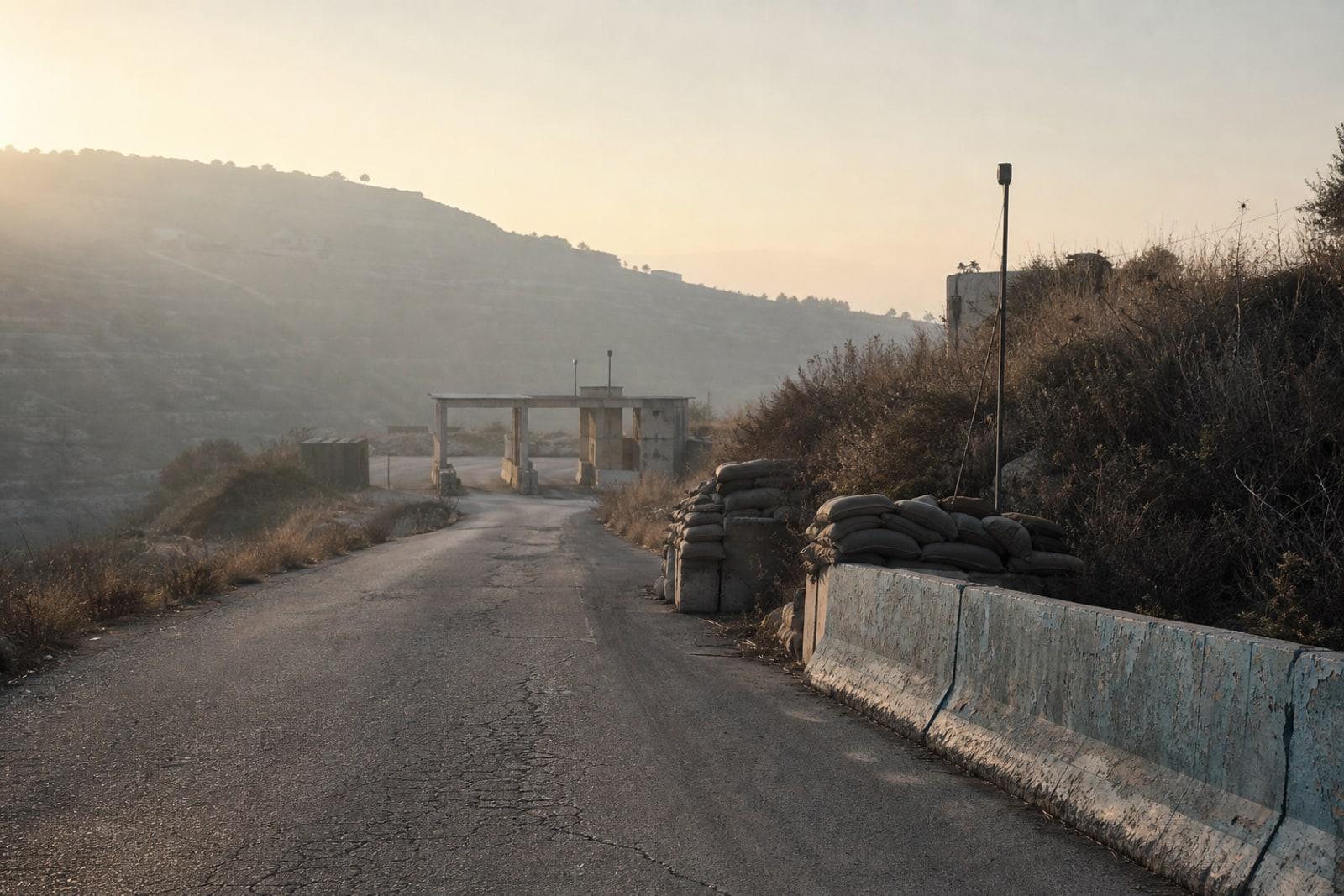
A fragile ceasefire mediated by the United States, Qatar and Iran took hold along the Israel-Lebanon frontier on 19 June, halting the deadliest flare-up in a months-long conflict and clearing the way for negotiators to reconvene the week of 22 June in search of a comprehensive settlement that has so far eluded them.
The renewed truce followed an exchange of fire that, according to Lebanon's Health Ministry, killed at least 21 people in southern Lebanon. Israel's military said four of its soldiers, including a lieutenant colonel, were killed in an attack on a tank and five others were wounded. The escalation shattered weeks of intermittent calm and briefly knocked parallel US-Iran diplomacy off course.
What the deal covers — and what it leaves out
The current arrangement is the latest extension of a ceasefire the United States first brokered in April. President Donald Trump announced an initial 10-day halt to offensive operations between Israel and Lebanon on 16 April, which was rolled over later that month and again in mid-May, the second time for 45 days.
The diplomatic core came on 3 June, when, after a fourth round of US-mediated talks at the State Department, Israel and Lebanon issued a joint statement committing to create so-called pilot zones in the south. In those areas, the statement said, the Lebanese Armed Forces would assume control to the exclusion of all armed groups other than the state.
The Lebanese Armed Forces "will take exclusive control of the territory to the exclusion of all non-state actors," the joint statement said.
The framework set conditions but few mechanics. According to the joint statement, the ceasefire was contingent on:
- a complete cessation of fire by Hezbollah;
- the evacuation of all Hezbollah operatives from areas south of the Litani River; and
- the Lebanese army taking full control of the pilot zones.
No timetable was attached to the pilot zones, and Hezbollah — the principal combatant on the Lebanese side — was never a party to the talks.
Hezbollah holds out
The group rejected the 3 June agreement the following day. Its secretary-general, Naim Qassem, said Hezbollah would accept nothing short of a comprehensive end to hostilities and a full Israeli withdrawal, casting the demand that fighters leave the south while under fire as tantamount to capitulation.
"What we are concerned about is an end to the aggression, ceasefire and Israel's withdrawal," Qassem said in a statement read on television.
He added that the movement had made no commitment to stop resisting "as long as there is occupation." The position leaves the field-level truce resting on a deal its most powerful signatory-by-proxy has publicly disowned.
Israel digs in on the buffer zone
Israel, for its part, has refused to vacate the strip of southern Lebanon it has held since the wider war. Prime Minister Benjamin Netanyahu said Israeli forces would remain in a security zone for as long as the country's security needs required, a stance Iran rejects in insisting on a full withdrawal. The 19 June truce did not include an Israeli pullback, a gap Hezbollah cites to justify continued attacks on the troops stationed there.
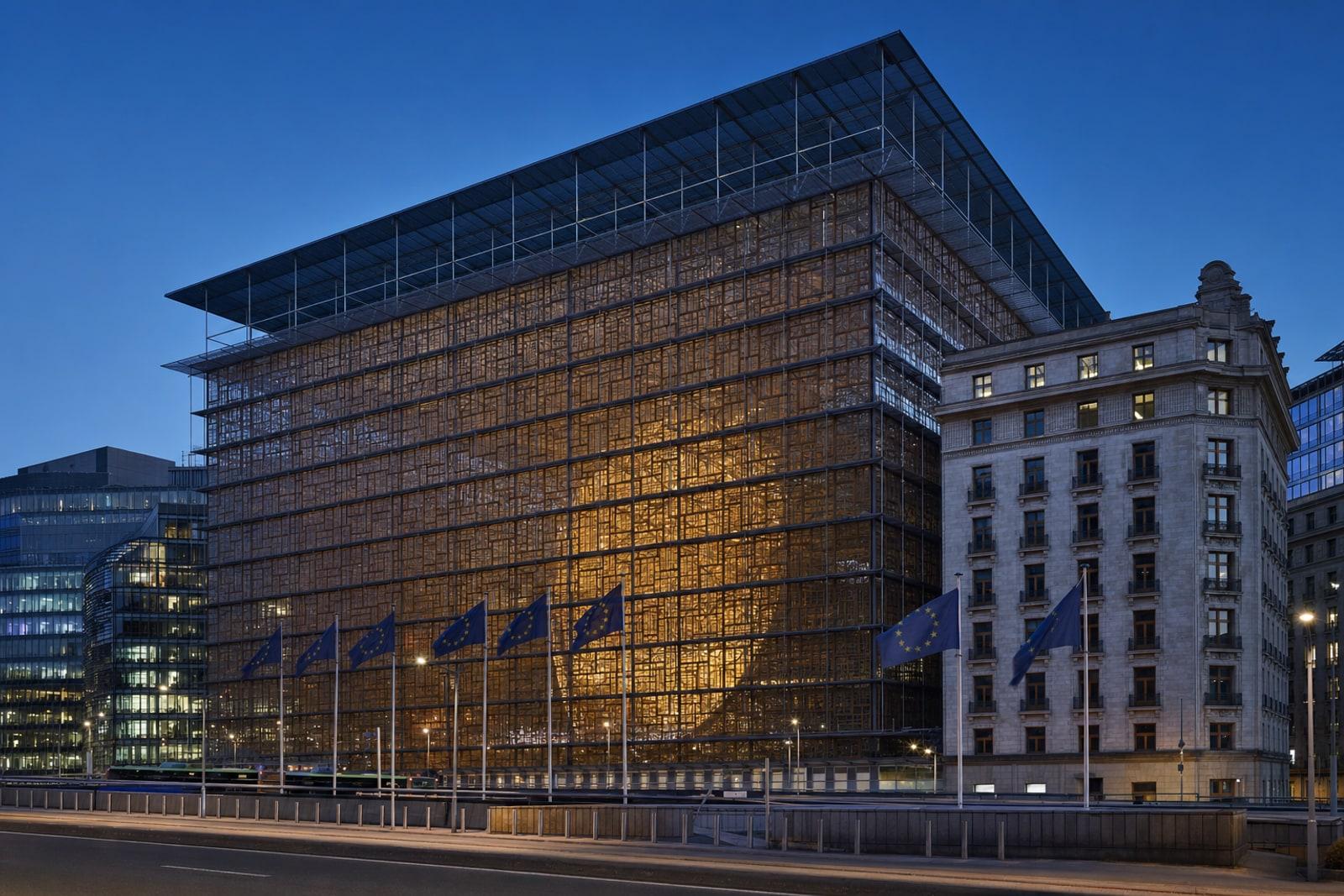
The violence has also reached international peacekeepers. The European Union noted that a UNIFIL soldier was killed in attacks on 4 June, the seventh peacekeeper to die since March. In a statement on 6 June, the bloc's foreign-policy arm reaffirmed full support for the UN Interim Force in Lebanon, condemned the attacks on its personnel and demanded full implementation of UN Security Council Resolution 1701, which underpins the post-war security architecture along the Blue Line.
Europe's stake and the market nerves
For European capitals, the stakes are both diplomatic and economic. The EU has repeatedly pressed for respect of Lebanon's sovereignty and territorial integrity, and the European Commission president, Ursula von der Leyen, welcomed the original April truce in plain terms.
"This is a relief, as this conflict has already claimed far too many lives," von der Leyen said, pledging continued humanitarian support for the Lebanese people.
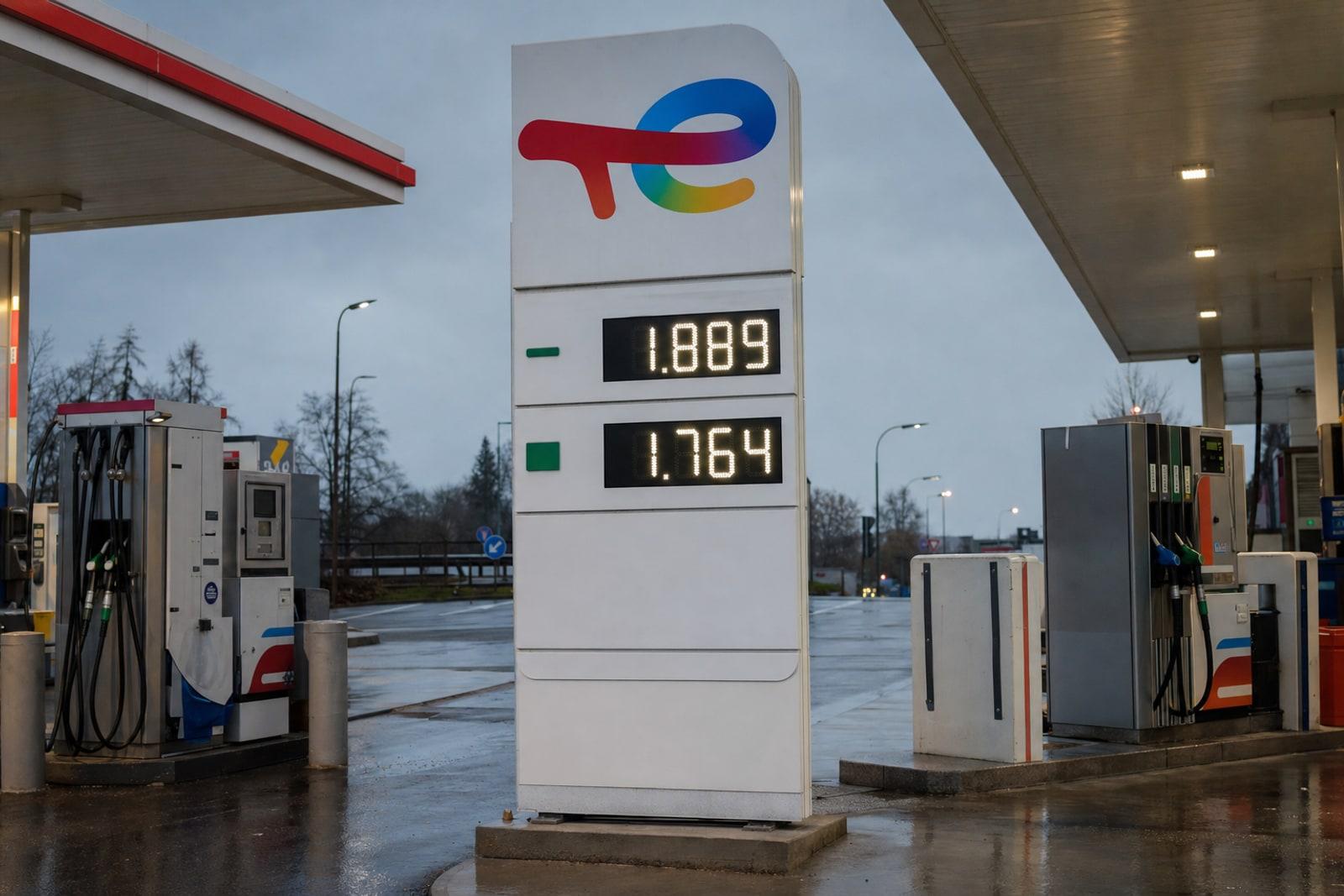
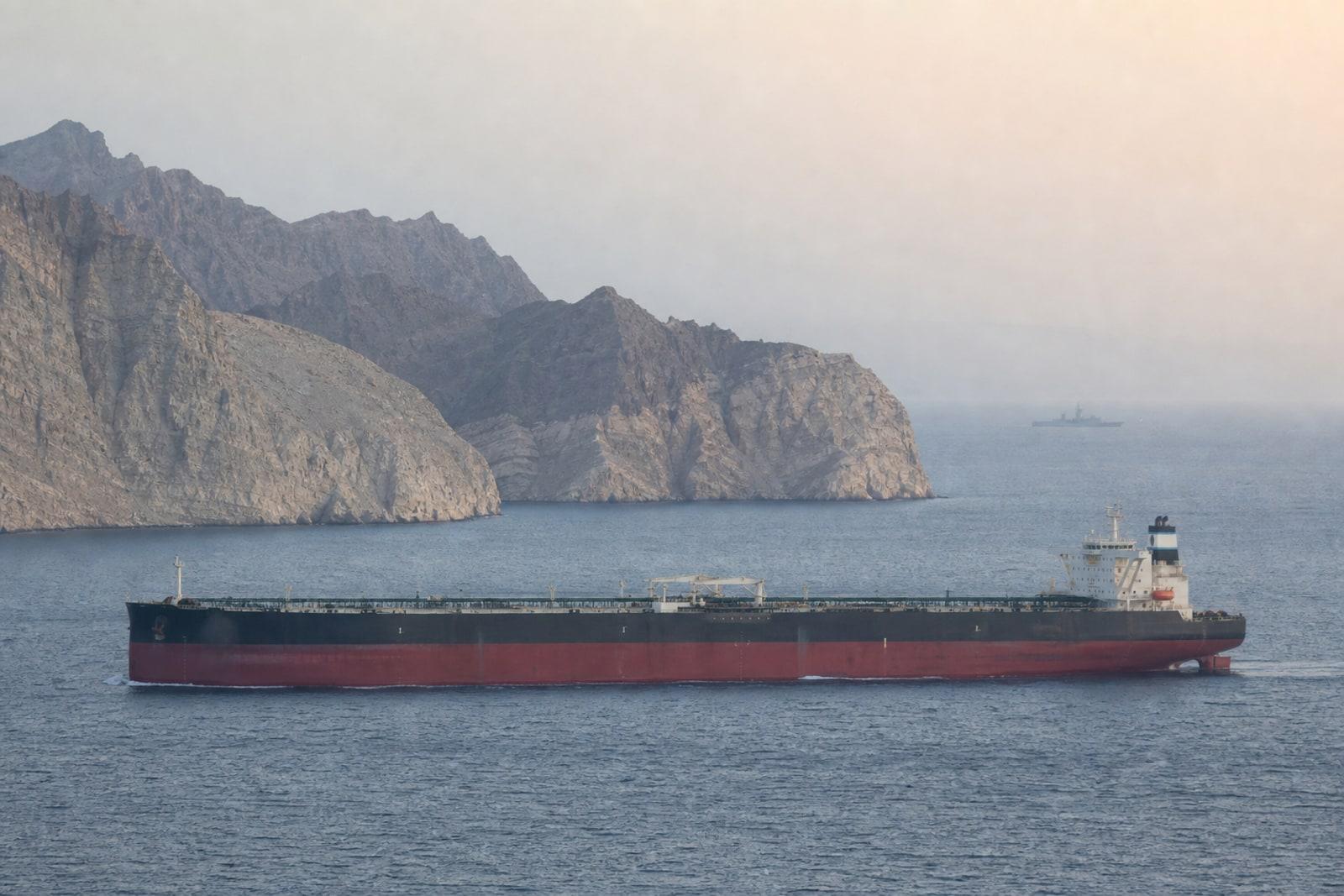
The conflict is knitted into a broader regional crisis that has rattled energy markets watched closely from Luxembourg to Frankfurt. Brent crude hovered near $80 a barrel and was heading for a weekly drop of roughly 8% after the ceasefire took shape, only to tick higher again on 19 June when US-Iran talks in Switzerland were abruptly postponed. Tehran had refused to attend, insisting the fighting in Lebanon stop first; US Vice-President JD Vance shelved a planned trip. Traders are also weighing the expected easing of Iran's near-total closure of the Strait of Hormuz, the chokepoint through which a large share of seaborne oil flows.
Whether the latest truce becomes the foundation of a durable settlement now hinges on the talks resuming the week of 22 June — and on bridging the gulf between Hezbollah's demand for an Israeli exit and Israel's insistence on staying put.
Frequently asked
- Who is guaranteeing the renewed ceasefire?
- The 19 June truce was mediated by the United States, Qatar and Iran, according to US and regional officials. The underlying framework was negotiated by Israel and Lebanon in US-mediated talks at the State Department; Hezbollah is not a signatory.
- What does the deal say about Hezbollah disarmament and an Israeli withdrawal?
- A 3 June joint statement requires Hezbollah to cease fire and evacuate operatives south of the Litani River, with the Lebanese army taking exclusive control of 'pilot zones.' No timeline was set. Hezbollah demands a full Israeli withdrawal first, while Israel says it will keep a buffer zone in southern Lebanon.
- What is the European and Luxembourg dimension?
- The EU has welcomed the ceasefire, backed UNIFIL and demanded implementation of UNSCR 1701 after a peacekeeper was killed on 4 June. For Luxembourg and other European economies, the chief exposure is to energy markets unsettled by the linked Israel-Iran crisis and the Strait of Hormuz.
Sources(13)
- 12026 Israel–Lebanon ceasefireWikipedia · en.wikipedia.org
- 2Israel, Lebanon agree to conditional ceasefireAl Jazeera · aljazeera.com
- 3Israel and Hezbollah renew ceasefire after U.S. and Iran call off talks over fighting in LebanonPBS NewsHour · pbs.org
- 4Israel and Lebanon agree to renew fragile ceasefire, create Lebanese security zonesPBS NewsHour · pbs.org
- 5Israel and Lebanon agree to renew truce, create 'pilot' zones where Hezbollah is bannedThe Times of Israel · timesofisrael.com
- 6Qassem says Hezbollah demands 'comprehensive' ceasefire, complete Israeli withdrawalNaharnet · naharnet.com
- 7Israel and Hezbollah Trade Fresh Strikes as Militant Group Rejects Cease-Fire PlanTIME · time.com
- 8June 19, 2026 — Israel and Hezbollah renew truceCNN · cnn.com
- 9Statement by the High Representative on behalf of the EU on Israel and LebanonEEAS / GlobalSecurity.org · globalsecurity.org
- 10EU's Von der Leyen welcomes the 10-day ceasefire between Israel and LebanonAl-Monitor · al-monitor.com
- 11EU's Von Der Leyen: Welcomes the 10-Day Ceasefire Between Israel and LebanonU.S. News & World Report / Reuters · usnews.com
- 12Brent rises after U.S.-Iran peace talks in Geneva are abruptly postponedCNBC · cnbc.com
- 13Oil prices rise as Lebanon fighting erupts and Hormuz traffic still slowAl Jazeera · aljazeera.com
Related by topic