Food safety
Luxembourg backs EU move to bar Brazilian meat over antibiotic rules
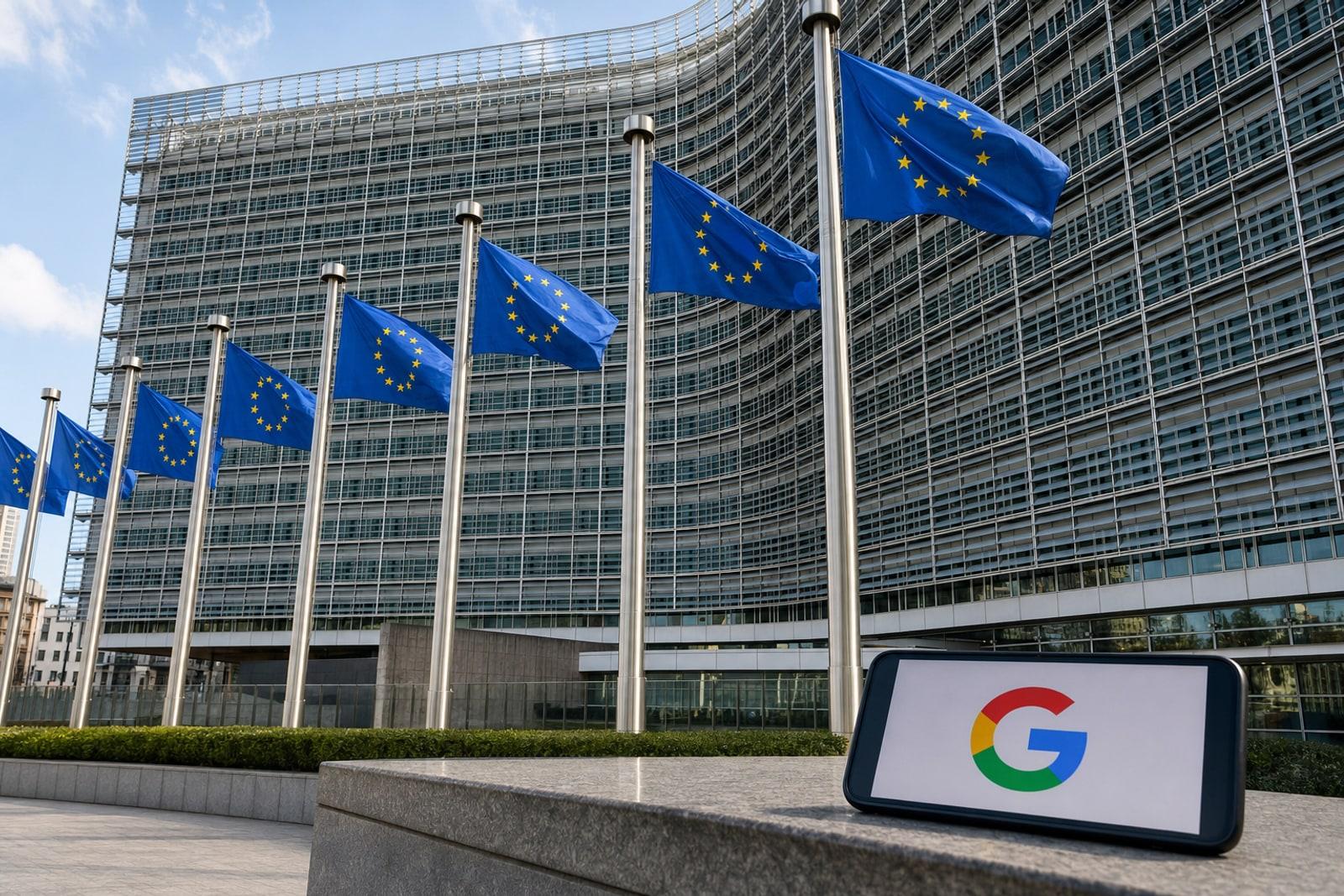
Brussels will block Brazilian meat from 3 September after Brazil failed to prove compliance with EU limits on antibiotics in livestock. Luxembourg's government welcomed the decision.
By Camille Reuter · · 5 min read
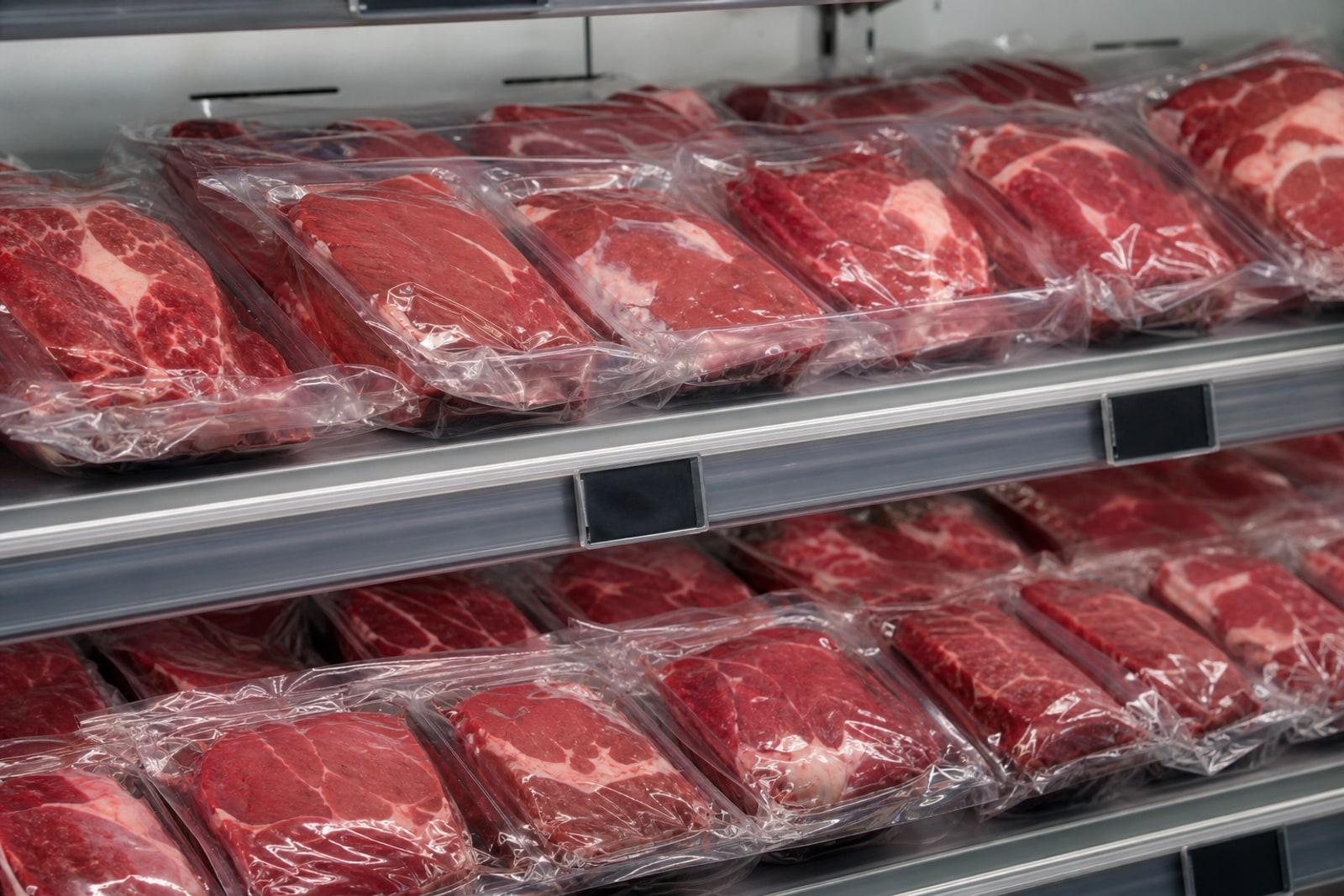
The European Union will block imports of Brazilian meat from 3 September after experts from its member states voted to strike Brazil from the list of countries cleared to ship animal products into the single market — a food-safety decision the Luxembourg government has openly welcomed.
The measure, adopted in mid-May by a standing committee of national experts, follows Brazil's failure to demonstrate that its livestock sector complies with EU restrictions on the use of antibiotics. It makes Brazil the first country ever removed from the bloc's roster of compliant trading partners, according to reporting by Euronews and Ireland's RTÉ — and it lands barely two weeks after the long-contested EU-Mercosur trade agreement provisionally took effect.
What Brussels decided
From 3 September, Brazil will no longer be able to export a broad sweep of animal products to the EU. The affected goods include:
- bovine and equine meat;
- poultry and eggs;
- aquaculture products;
- honey;
- casings.
The trigger is a set of EU rules, binding inside the bloc since 2022, that prohibit the use of antimicrobials as growth promoters and bar antibiotics reserved for treating human infections from being given to food-producing animals. The framework rests on Regulation (EU) 2019/6 on veterinary medicines. Because Brazil could not give sufficient guarantees on those controls, member-state experts voted — unanimously, according to Euronews — to drop it from the approved-exporter list. The European Commission stressed that the new EU-Mercosur pact does not soften those standards.
"Trade agreements do not change our rules. The Commission establishes the Union's mandatory sanitary and phytosanitary standards, and both our farmers and exporters from third countries have to comply with them," said Commission spokesperson Eva Hrncirova.
The ban is not necessarily permanent. Brazil can still be reinstated before September if it proves compliance — a step that, analysts say, would likely require legislative change and tighter controls across its production chains.
Why Luxembourg is welcoming the move
For the Grand Duchy, the decision vindicates a long-held line. In a written reply to a parliamentary question reported by L'essentiel, Martine Hansen, Luxembourg's Minister of Agriculture, Food and Viticulture and Minister for Consumer Protection, assessed the prospective halt positively. Imported food must meet EU health standards, the minister argued — a requirement she said protects consumers and ensures fair conditions for European producers. She framed the suspension as part of the EU's wider fight against antimicrobial resistance, the phenomenon by which the overuse of antibiotics in farming and medicine erodes the drugs' effectiveness in humans.
The minister also drew a careful distinction. The Luxembourg government, she indicated, sees no direct link between the suspension and the EU-Mercosur accord; the legal basis lies in the EU's veterinary medicines rules, not in the trade deal's safeguard clauses. On the practical exposure of Luxembourg consumers, the reply noted that between 2021 and 2026 no animal products from Mercosur countries had been imported into the country via Findel airport for human consumption, meaning no corresponding checks had been required.
The Mercosur shadow
The timing is politically charged. The EU-Mercosur agreement, which liberalises agricultural trade across the Atlantic, provisionally entered into force on 1 May 2026 over fierce opposition from European farmers worried about a flood of cheaper South American beef and poultry. The meat suspension followed within a fortnight — and Brazil is the only Mercosur member excluded, while its neighbours retain EU access, S&P Global Commodity Insights reported.
Brussels has been keen to present the two events as separate tracks rather than a hidden brake on Mercosur. European farm lobbies, however, seized on the decision as proof that the bloc can and should enforce its standards against low-cost imports. "The commission is finally taking the Antibiotic/Anti-Microbial Resistance (AMR) threat posed by Brazilian beef production somewhat seriously," said Francie Gorman, president of the Irish Farmers' Association.
What it means for trade — and plates
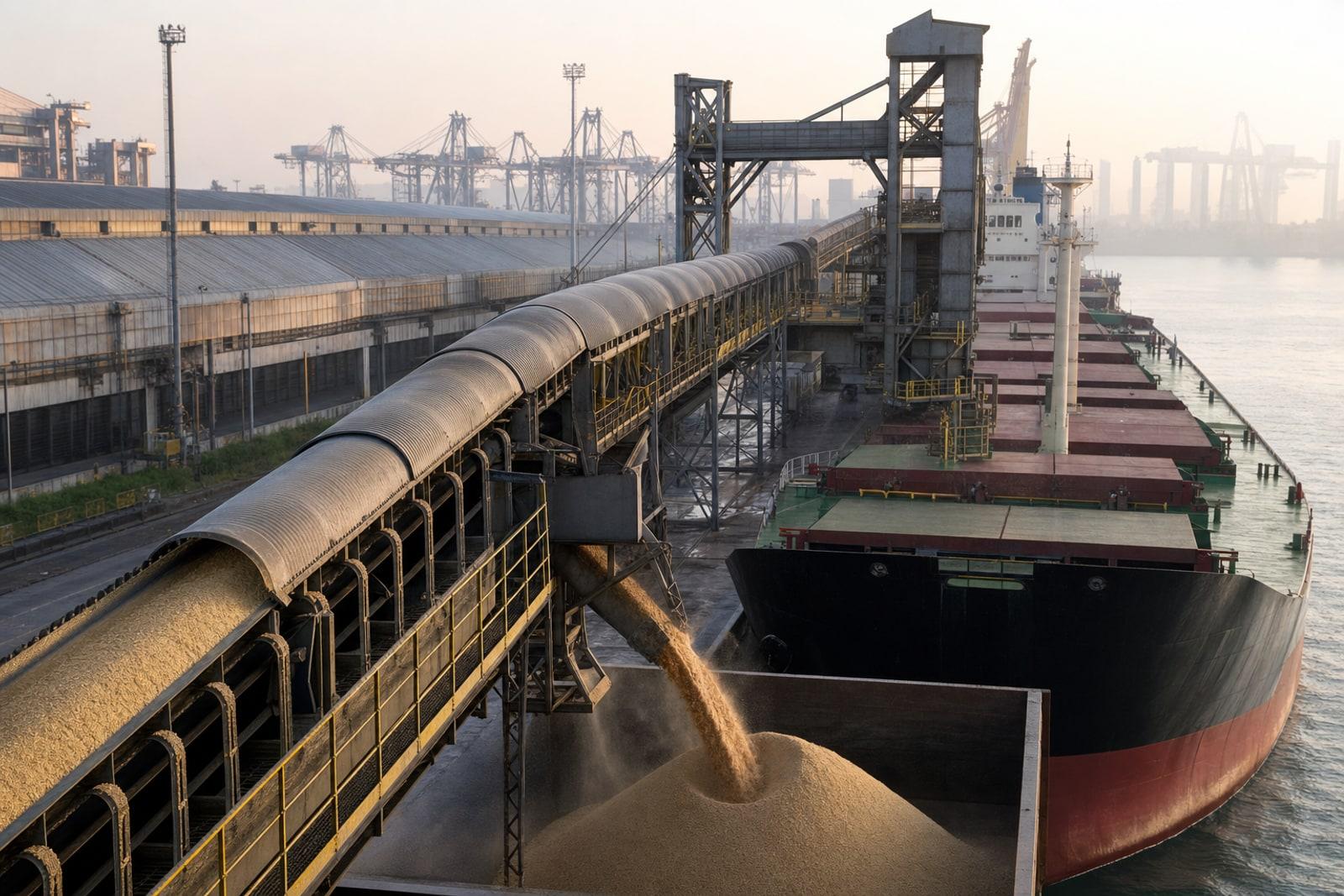
Brazil is the world's largest exporter of animal protein, and the EU is a comparatively small but growing customer. In 2025 the bloc bought 121,111 metric tons of Brazilian beef, up 57% year on year, yet that still represented only around 3.5% of Brazil's total beef exports, according to S&P Global. In the first five months of 2026 the EU took roughly 43,000 tonnes worth about $377 million. Press and industry estimates put the potential annual loss across all Brazilian meat categories at close to $2 billion, though one brokerage, Genial Investimentos, called the overall impact "manageable and uneven."
For European shoppers, the immediate effect is narrower than headline figures suggest, since Brazilian meat reaches EU plates largely through processed and food-service channels rather than fresh retail cuts. In Luxembourg specifically, the minister's reply suggested direct consumer exposure is minimal.
Brazil has reacted sharply. In a joint statement, its foreign affairs, agriculture (MAPA) and trade ministries said they were surprised by the move and vowed to overturn it.
"The Brazilian government will promptly take all necessary measures to reverse this decision, return to the list of authorized countries, and ensure the continued sale of these products to the European market," the ministries said.
Brasília, which points to a "robust health system of internationally recognized quality" and four decades of supplying the EU, has until 3 September to convince Brussels. Until then, shipments continue — and Luxembourg, like the rest of the bloc, waits to see whether a food-safety rule will hold firm against the pull of a freshly minted trade deal.
Frequently asked
- Why is the EU suspending Brazilian meat imports?
- Brazil failed to demonstrate compliance with EU rules that ban the use of antimicrobials as growth promoters and prohibit giving food animals antibiotics reserved for human medicine. As a result, member-state experts voted to remove Brazil from the EU's list of approved exporters, effective 3 September 2026. It is a food-safety and antimicrobial-resistance measure, not a response to bird flu.
- Which products are affected and when?
- From 3 September 2026, Brazil cannot export bovine and equine meat, poultry, eggs, aquaculture products, honey and casings to the EU. Brazil can be reinstated before that date if it proves full compliance with EU antibiotic rules.
- What did Luxembourg say?
- In a written reply to a parliamentary question reported by L'essentiel, Agriculture and Consumer Protection Minister Martine Hansen welcomed the prospective halt, saying imported food must meet EU health standards that protect consumers and ensure fair conditions for European producers. The government said it sees no direct link to the EU-Mercosur agreement.
- Is this linked to the EU-Mercosur trade deal?
- The suspension came about two weeks after the EU-Mercosur agreement provisionally entered into force on 1 May 2026, and Brazil is the only Mercosur member excluded. But the Commission and the Luxembourg government insist the decision rests on EU sanitary rules (Regulation 2019/6), not on the trade deal's safeguard clauses.
Sources(11)
- 1EU to ban Brazilian meat imports from SeptemberEuronews · euronews.com
- 2Brazilian beef to be banned from EU from SeptemberRTÉ · rte.ie
- 3Viande brésilienne: l'UE suspend les importations pour risque antibiotique – le Luxembourg satisfaitL'essentiel · lessentiel.lu
- 4Brazil vows to overturn EU ban on meat exportsAgência Brasil · agenciabrasil.ebc.com.br
- 5EU to ban Brazilian meat imports starting in SeptemberAgência Brasil · agenciabrasil.ebc.com.br
- 6EU blocks Brazil meat imports from Sep; other Mercosur nations retain accessS&P Global Commodity Insights · spglobal.com
- 7EU's removal of Brazil from approved list threatens chicken, beef exportsS&P Global Commodity Insights · spglobal.com
- 8The EU has moved to ban Brazilian meat imports over safety concernsFood Manufacture · foodmanufacture.co.uk
- 9Brazilian Beef Stocks Slide on EU Import Ban as Exports Hit a RecordThe Rio Times · riotimesonline.com
- 10The EU mirror measure on antibiotics in livestock farming could result in Brazil losing all access to the European marketVeblen Institute · veblen-institute.org
- 11Martine Hansen – Le gouvernement luxembourgeoisgouvernement.lu · gouvernement.lu
Related by topic