Aviation
Europe warned of a late-summer jet-fuel squeeze as peak travel season builds
Airport and energy bodies say a kerosene crunch tied to the Strait of Hormuz could strain flights into August, with smaller hubs such as Luxembourg's Findel watched closely.
By Marc Weber · · 4 min read
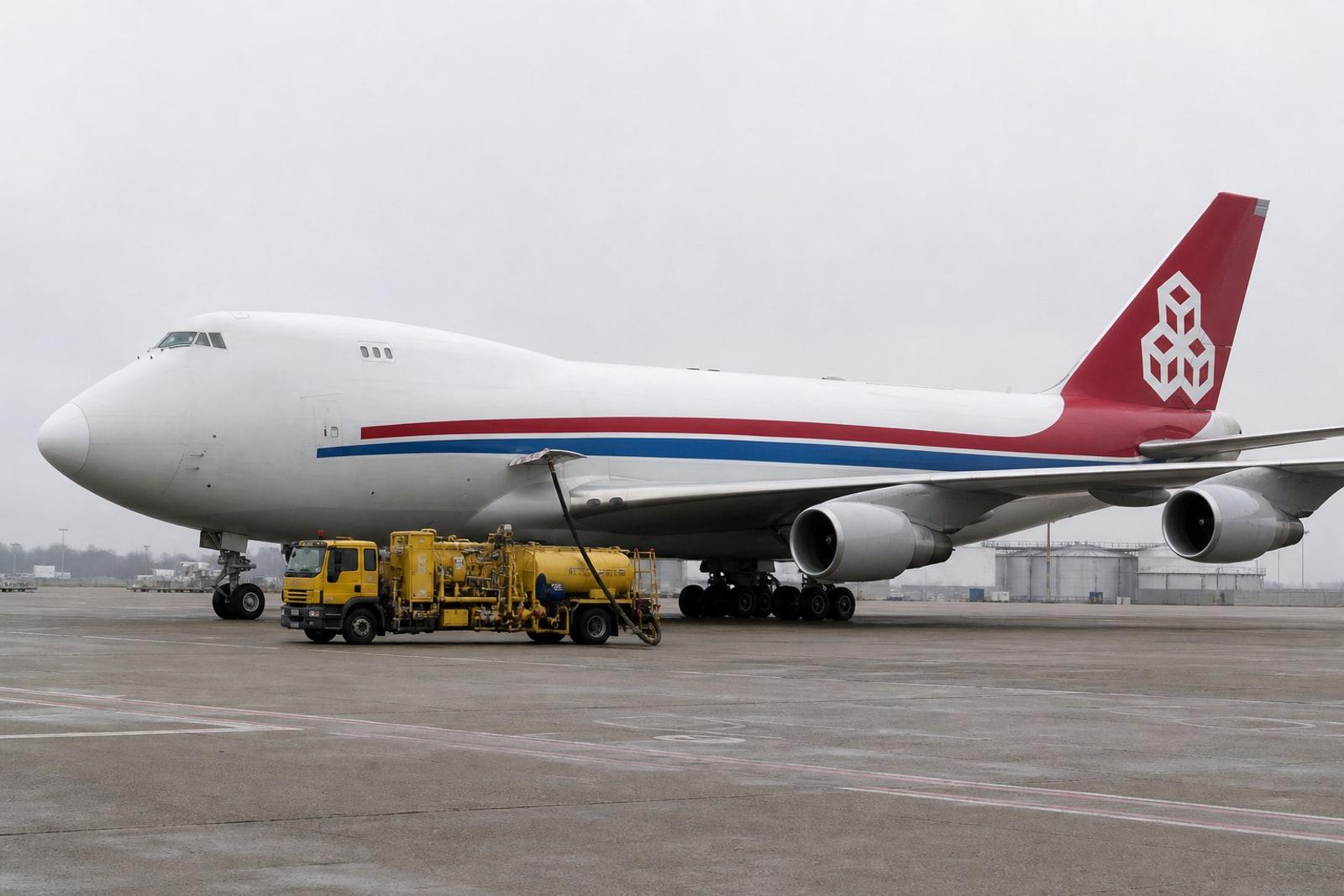
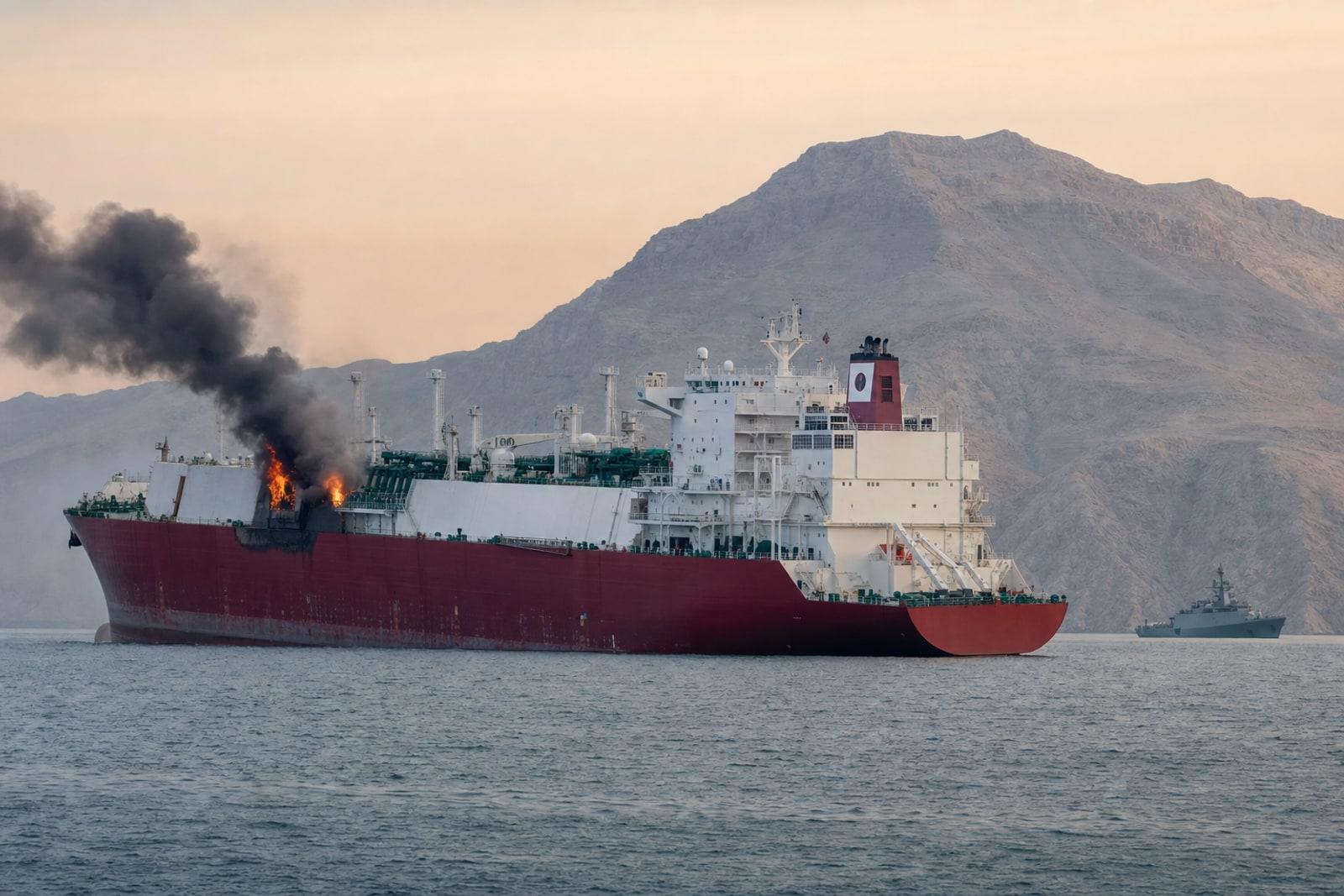
European aviation is heading into its busiest weeks of the year under repeated warnings that a shortage of jet fuel could disrupt passenger and cargo flights by late summer. Airport and energy bodies say the bloc's kerosene supplies have been squeezed by disruption to the Strait of Hormuz, the Gulf chokepoint that normally carries roughly a fifth of the world's traded oil.
The most pointed warning came from ACI Europe, the trade body for more than 600 European airports. In an April 9 letter to EU Transport Commissioner Apostolos Tzitzikostas, its director general, Olivier Jankovec, said that without a stable reopening of the strait within three weeks, a systemic shortage would become a reality for the European Union. ACI Europe estimated that around 100 major EU hubs and some 170 million summer travellers were exposed, with reserves at some airports reported at just eight to ten days of supply.
The International Energy Agency's executive director, Fatih Birol, warned in mid-April that Europe had "maybe six weeks" of jet fuel left at then-current trends, raising the prospect that individual routes could be cancelled for lack of fuel. The European Commission has been more cautious, with spokesperson Anna-Kaisa Itkonen insisting "there are currently no fuel shortages" even as she called the market tight.
Why the squeeze is building
The trigger is geography. The Gulf supplies a large share of the EU's imported jet fuel, and disruption to the Strait of Hormuz since the spring has throttled those flows. The EU refines roughly 70 percent of its own jet fuel and imports the rest, leaving it sensitive to any sustained interruption. Jet-fuel prices rose around 95 percent in the weeks after the late-February strikes on Iran, according to figures cited by Euronews.
Europe's refiners, concentrated in Germany, Italy, Spain and the Netherlands, have tilted toward kerosene. TotalEnergies chief executive Patrick Pouyanne summed up the instruction as "max jet first" — but refineries can lift jet output only modestly, from roughly a tenth of their slate to perhaps 13 percent, not double it. Storage offers limited cushion: the last 15 to 20 percent of a tank cannot be safely withdrawn.
The calendar makes matters worse. Demand peaks in August and September, when consumption runs well above the spring, even as inventories thin. Goldman Sachs projected that EU commercial jet-fuel stocks would dip below the IEA's recognised 23-day shortage threshold in June, with risk of sliding toward 20 days in July and 15 in August. Inventories at the Amsterdam-Rotterdam-Antwerp trading hub were reported down about half since late February.
"We're still kind of sleepwalking into this approaching disaster," said Claudio Galimberti, chief economist at Rystad Energy.
Airlines are already trimming schedules
Carriers have responded by pruning their summer programmes to stretch fuel and protect their most valuable routes. Among the moves reported across the sector:
- Lufthansa Group dropped about 20,000 summer services and set a target of roughly 40,000 tonnes of fuel savings, alongside fleet retirements.
- KLM cut around 80 flights from Amsterdam Schiphol in May and flagged further intra-European cancellations.
- SAS reduced roughly 1,000 flights in April, and United trimmed transatlantic-season capacity by about 5 percent.
Analysts have warned that smaller and secondary airports are relatively more exposed than the largest hubs, which sit on stronger pipeline and storage links. To manage scarcity, EU energy ministers meeting in late June weighed a coordinated release of strategic reserves and demand-management measures, while airline body IATA pressed Brussels to suspend "anti-tankering" rules that limit how much fuel aircraft carry between airports.
Where Luxembourg's Findel fits in
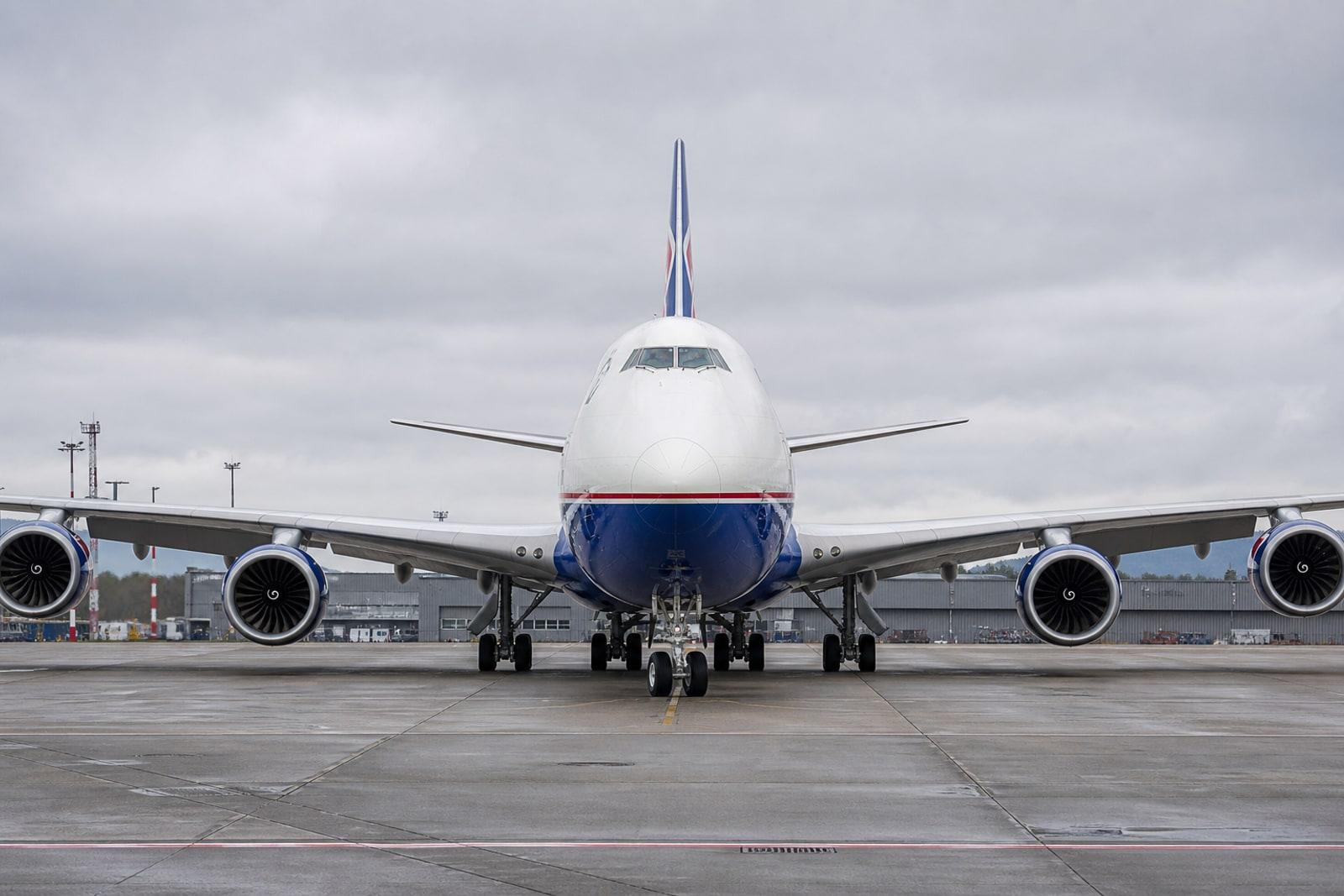
Luxembourg Airport, at Findel, is the country's sole international airport and the home base of Luxair and of Cargolux — the largest all-cargo airline in Europe, flying a fleet of Boeing 747 freighters and moving around a million tonnes of freight a year through one of the continent's busiest cargo hubs. A kerosene squeeze therefore threatens not only holiday departures but also the freight lifeline that runs through the Grand Duchy.
Findel's exposure is the kind of single-source vulnerability analysts have flagged, but the airport had already begun hardening its supply. In October 2025, before the current crisis, lux-Airport broke ground on a new fuel farm: up to six tanks of 5,000 cubic metres each, at a cost of about 106.5 million euros (roughly 125 million dollars), lifting on-site storage capacity by around 275 percent. The facility is due for completion in 2028 and is designed for resilience, with truck deliveries as a backup and compatibility with sustainable aviation fuel.
"By modernizing and expanding the capacity of the fuel depot, we are achieving greater security of supply and reserve capacity for increasing air traffic," said Alexander Flassak, chief executive of lux-Airport, when construction began. Mobility Minister Yuriko Backes said the project would "increase the airport's supply security and efficiency."
That investment will not be online this summer. For now, Europe's peak-season travel and freight depend on whether Gulf supply stabilises, whether refiners and importers can keep pace with August demand, and whether the Commission's reserves and contingency measures prove enough to keep the kerosene flowing.
Frequently asked
- Who warned about a European jet-fuel shortage?
- ACI Europe, the airports trade body, warned in an April 9 letter to the European Commission of a possible systemic EU shortage. The IEA's Fatih Birol said Europe had 'maybe six weeks' of jet fuel left, while the Commission said there were no current shortages but called the market tight.
- What is causing the squeeze?
- Disruption to the Strait of Hormuz has throttled Gulf supply, which provides a large share of the EU's imported jet fuel. The EU refines about 70% of its kerosene and imports the rest; refiners can lift jet output only modestly, and demand peaks in August and September.
- How does it affect Luxembourg's Findel airport?
- Findel is Luxembourg's only international airport and home to Luxair and Cargolux, Europe's largest all-cargo airline. Smaller hubs are seen as relatively more exposed. A new fuel farm raising storage capacity by about 275% is under construction but is not due until 2028.
- Are flights already being cut?
- Yes. Lufthansa Group dropped about 20,000 summer services, KLM cut around 80 flights from Schiphol in May, SAS reduced roughly 1,000 flights in April, and United trimmed capacity by about 5%.
Sources(14)
- 1Airports could face a jet fuel crunch within 3 weeks, industry warnsCNBC · cnbc.com
- 2Europe's summer travel is on the line as airlines' jet fuel supply dwindlesCNBC · cnbc.com
- 3EU energy ministers eye jet fuel reserves as Strait of Hormuz crisis threatens supplyEuronews · euronews.com
- 4EU downplays jet fuel shortage risks despite IEA warningEuronews · euronews.com
- 5Europe's jet fuel supplies should fall below the key 23-day shortage threshold in JuneFortune · fortune.com
- 6Europe braces for severe jet fuel crunch before summer rushCirium · cirium.com
- 7Jet fuel uncertainty puts Europe under pressure as Brussels prepares guidance for airlinesEU Perspectives · euperspectives.eu
- 8Airports Council International warns ~100 EU airports face jet fuel shortage without HormuzVisaVerge · visaverge.com
- 9Europe risks jet fuel shortages if Hormuz disruption persists, ACI saysGulf Business · gulfbusiness.com
- 10Europe has 'maybe 6 weeks' of jet fuel left, energy agency head warnsITV News · itv.com
- 11Luxembourg Airport Begins Construction of State-of-the-Art Fuel Farmlux-Airport · lux-airport.lu
- 12Major Infrastructure Upgrade: Luxembourg Airport Begins Construction of State-of-the-Art Fuel FarmThe Luxembourg Government (gouvernement.lu) · gouvernement.lu
- 13Luxembourg Airport Begins Building $125M Fuel FarmAviation Week · aviationweek.com
- 14CargoluxWikipedia · en.wikipedia.org
Related by topic
Cargolux’s wildfire fleet is commercial — its EU emergency role remains unproven