Cuba
Cuba begins unwinding command economy in biggest market shift since 1959
Lawmakers approved 176 measures legalising private banks, currency-exchange houses and large private firms as a collapsing currency and energy crisis force Havana's hand.
By Jonas Thill · · 5 min read
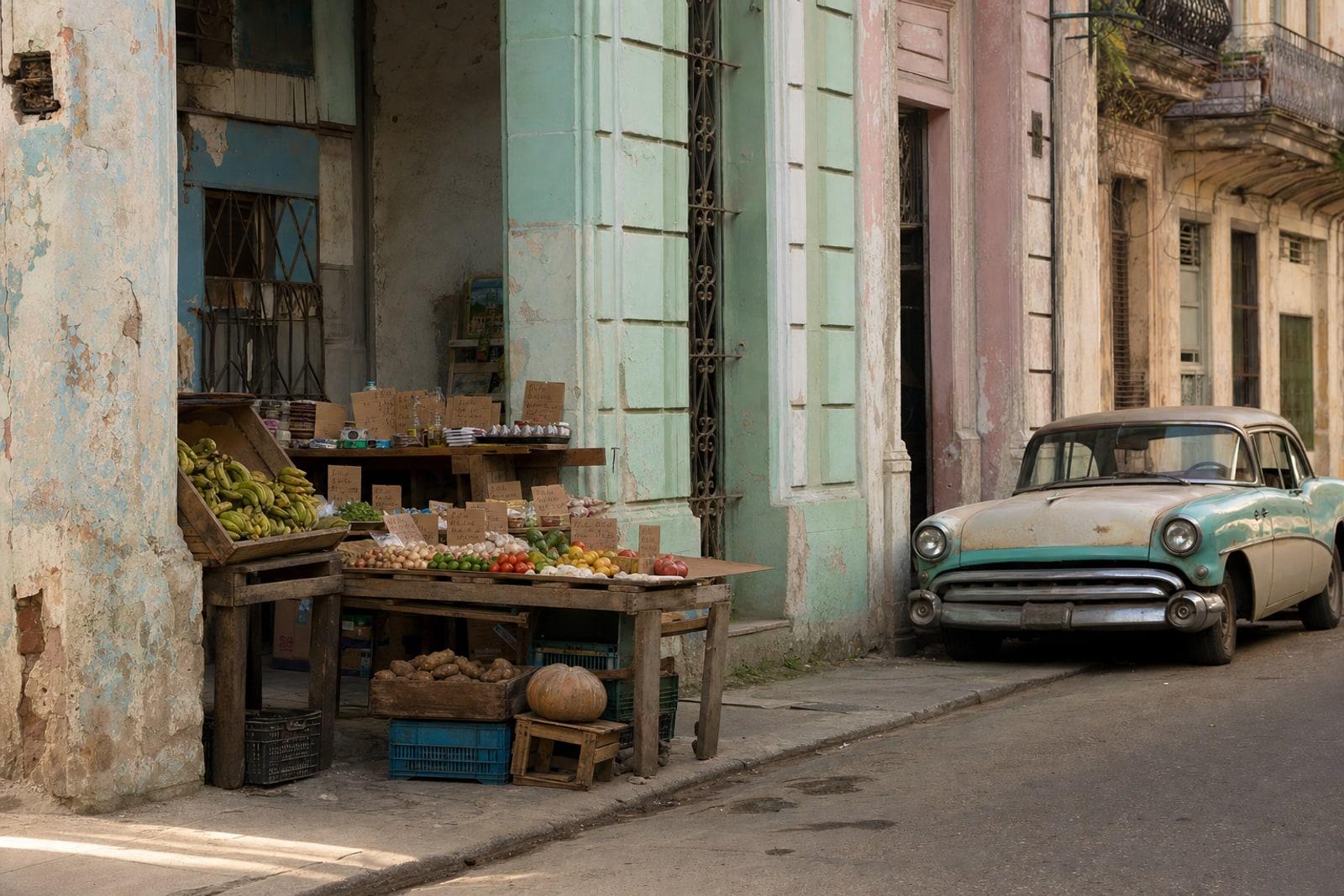
HAVANA — Cuba has approved the deepest overhaul of its economy since the 1959 revolution, legalising private banks, foreign-currency exchange houses and large private firms in a sweeping attempt to halt a collapse that has left much of the island without reliable power, food or a functioning currency.
The package of 176 measures, presented by Prime Minister Manuel Marrero Cruz and endorsed by the National Assembly on 18 and 19 June, rolls back pillars of the centrally planned system Cuba has run for more than six decades. President Miguel Díaz-Canel told deputies the changes were urgent and could not be postponed, while insisting they were economic rather than political — a sovereign decision, he said, and not a concession to Washington. He pointed to China and Vietnam, one-party states that run market economies, as models, according to Reuters, before closing with the revolutionary slogan “Socialism or death!”
What the reforms do
Officials describe the measures as a controlled opening rather than a leap to capitalism, but their reach is unprecedented. Among the most significant changes reported by The Associated Press, Agence France-Presse, Euronews and Al Jazeera:
- Private banks, non-bank financial institutions and private currency-exchange houses will be permitted for the first time in a finance sector long monopolised by the state.
- Foreign investors will no longer be required to form joint ventures with the state, and both Cubans and foreigners will be able to buy equity stakes in state companies.
- State enterprises can be turned into commercial ventures with shares, and large private companies — previously capped — will be authorised.
- Private firms will be allowed to hire more than 100 workers, entrepreneurs may own several businesses, and Cubans living abroad will be permitted to invest at home.
- Private real-estate development, fast-food chains and imports and exports without state intermediation are also opened up.
Marrero cautioned that implementation would be gradual, and the government acknowledged the measures would be blunted unless the United States lifts its embargo — foreign investors who deal with Cuba still risk penalties in the American financial system.
A currency in free fall
The reforms land on top of an earlier, equally consequential change to how Cuba prices money. On 18 December 2025 the Central Bank launched a three-segment foreign-exchange market: a fixed rate of 24 pesos to the dollar for essential transactions, a second tier at 120, and a third “floating” rate set daily by supply and demand to lure exporters and hard currency back into official channels.
It has not stopped the slide. By mid-June 2026 the informal-market dollar had climbed to around 695 pesos — up from roughly 585 at the start of the month — and the euro to about 800, while the official floating rate trailed near 565, according to the independent tracker elTOQUE cited by Havana Times. In 2020 a dollar fetched about 42 pesos on the street; the currency has since lost more than 90% of its informal value, gutting wages and pensions.
The bank has defended its cautious, staggered approach to ending Cuba's tangle of exchange rates.
“An immediate unification of the exchange rate, without a transition period, could cause a sharp devaluation, with inflationary effects greater than the current ones and a further loss of purchasing power of the national currency,” the bank's president, Juana Lilia Delgado Portal, said in December.
Why Cuba is acting now
The opening is born of desperation. Cuba is enduring its worst crisis in decades, with blackouts that routinely run beyond 20 hours and sometimes top 30. The energy collapse has rippled through every productive sector, from sugar mills to bakeries.
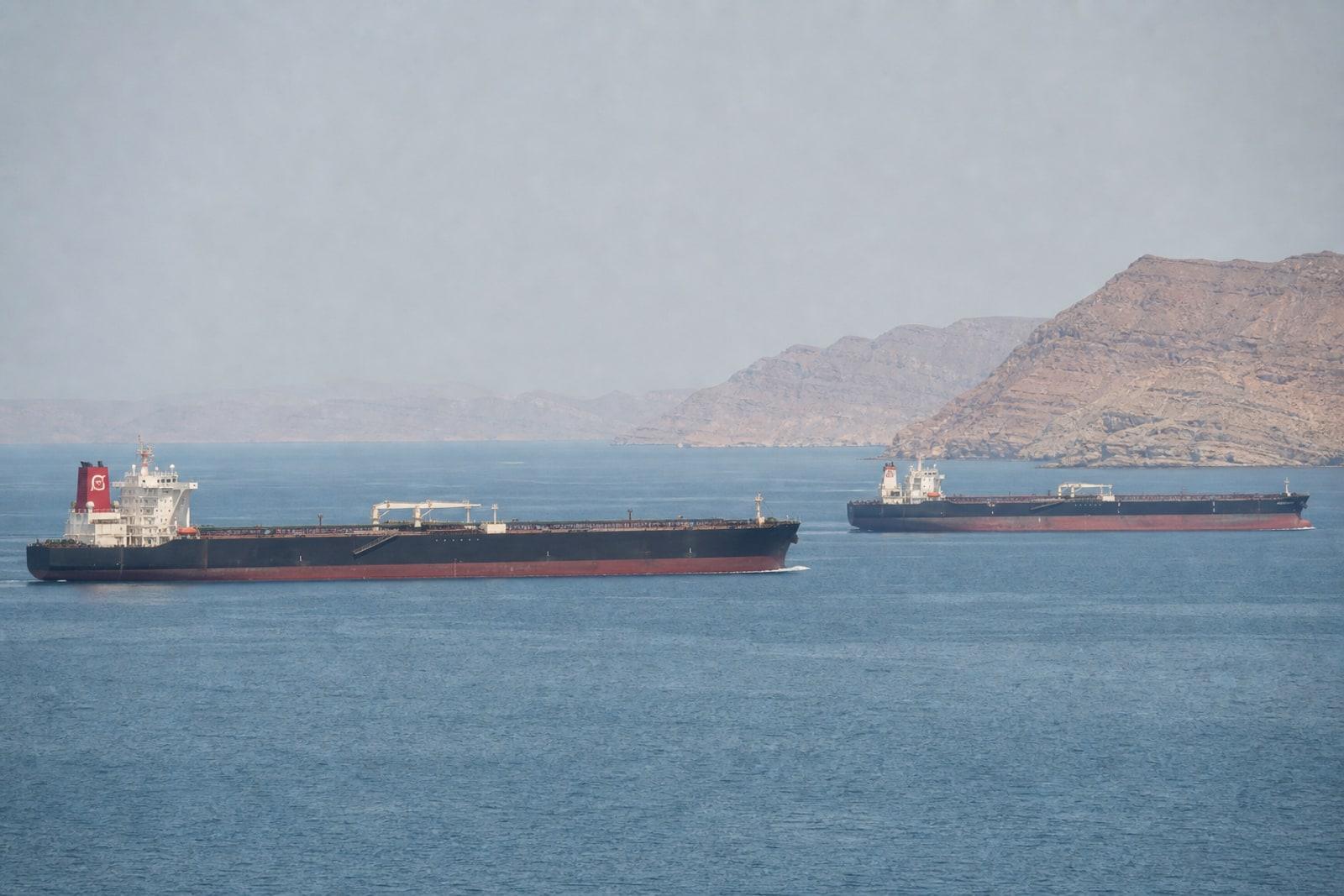
Fuel is the immediate trigger. The Trump administration tightened the decades-old US embargo and, since January 2026, imposed an oil blockade following the ouster of Venezuela's Nicolás Maduro, Havana's main petroleum patron. AFP reported that only a single Russian oil tanker had docked since the start of the year. Cuba needs roughly 100,000 barrels of oil a day but pumps only about 40,000, according to the Americas Society/Council of the Americas. Shortages of food, medicine and drinking water have deepened, and an estimated 2.7 million Cubans have emigrated since 2020.
Will it work?
Economists say the package marks a genuine ideological retreat — but warn the gains may be modest while sanctions and the energy crunch persist. London-based Cuban economist Daniel Torralbas called the reforms “the most profound” since 1959. Others read the move as a sign of weakness rather than confidence.
Their backs are up against the wall as never before. — Michael Bustamante, Cuban studies chair at the University of Miami, to AFP
The numbers underline the stakes. The official Centre for the Study of the Cuban Economy estimated the economy shrank about 5% in 2025, roughly 15% since 2020. For 2026, the UN's ECLAC projects a contraction of about 6.5% and the IMF and the Economist Intelligence Unit around 7.2% — even as the government's own plan pencilled in 1% growth. The economist Pedro Monreal has warned the fall could reach at least 15%. Sugar output, once the backbone of the economy, dropped below 200,000 tonnes in 2025, the lowest in more than two centuries.
Whether Cuba's leaders can follow the Asian one-party playbook they invoke — markets without political pluralism — will depend on execution at home and forces beyond their control abroad. For now, the unwinding of one of the world's last command economies is unfolding not as a triumphant reform but as a fight for survival.
Frequently asked
- What did Cuba's National Assembly actually approve?
- A package of 176 economic measures that legalises private banks, non-bank financial institutions and currency-exchange houses, removes the requirement for foreign investors to form joint ventures with the state, allows Cubans and foreigners to buy stakes in state companies, lets private firms hire more than 100 workers, and permits private real estate, fast-food chains and direct imports and exports.
- Why is Cuba reforming its economy now?
- The island is in its worst crisis in decades: a collapsing peso, blackouts that can exceed 30 hours, and an oil blockade tightened by the Trump administration since January 2026 after the ouster of Venezuela's Nicolás Maduro. The economy contracted about 5% in 2025 and is forecast to fall a further 6.5-7.2% in 2026.
- How far has the Cuban peso fallen?
- On the informal market the US dollar reached about 695 pesos in mid-June 2026, compared with roughly 42 pesos in 2020 — a loss of more than 90% of the currency's value in six years, according to the tracker elTOQUE cited by Havana Times.
- Will the reforms succeed?
- Economists describe them as the most profound change to Cuba's socialist model since 1959, but warn the impact will be limited while the US embargo deters foreign investment and the energy crisis chokes production. Cuban officials themselves say results depend on Washington easing sanctions.
Sources(12)
- 1Cuba passes sweeping free-market reforms in biggest economic shift since revolutionPBS NewsHour (Associated Press) · pbs.org
- 2Cuba approves unprecedented free-market reforms in effort to stave off economic collapseCBS News (AFP) · cbsnews.com
- 3Cuba adopts historic package of free-market reformsAsharq Al-Awsat (AFP) · english.aawsat.com
- 4Cuba adopts historic package of free-market reformsYahoo News (AFP, Clare Byrne) · yahoo.com
- 5Cuba's Communist Party approves opening economy in unprecedented moveAl Jazeera · aljazeera.com
- 6Cuba approves economic reforms to expand private investmentEuronews · euronews.com
- 7Cuban lawmakers approve sweeping reforms to privatize vast swath of economyCBC News · cbc.ca
- 8The foreign exchange market in Cuba is undergoing transformationGranma (official) · en.granma.cu
- 9Seven Charts on Cuba's Economic WoesAmericas Society/Council of the Americas (AS/COA) · as-coa.org
- 10Cuba's economy fell by 5% in 2025, according to an official research centerCiberCuba (citing CEEC) · en.cibercuba.com
- 11Pedro Monreal warns of a potential decline in Cuba's GDP of at least 15% in 2026CiberCuba · en.cibercuba.com
- 12Cuba Has a New US Dollar-Peso Exchange RateHavana Times · havanatimes.org
Related by topic