Defence diplomacy
Canada's defence chief makes first federal visit to Luxembourg in 81 years
David McGuinty's stop in the Grand Duchy — the first by a Canadian federal minister since ties began — knits Ottawa into Europe's defence push as NATO burden-sharing strains transatlantic bonds.
By Camille Reuter · · 4 min read
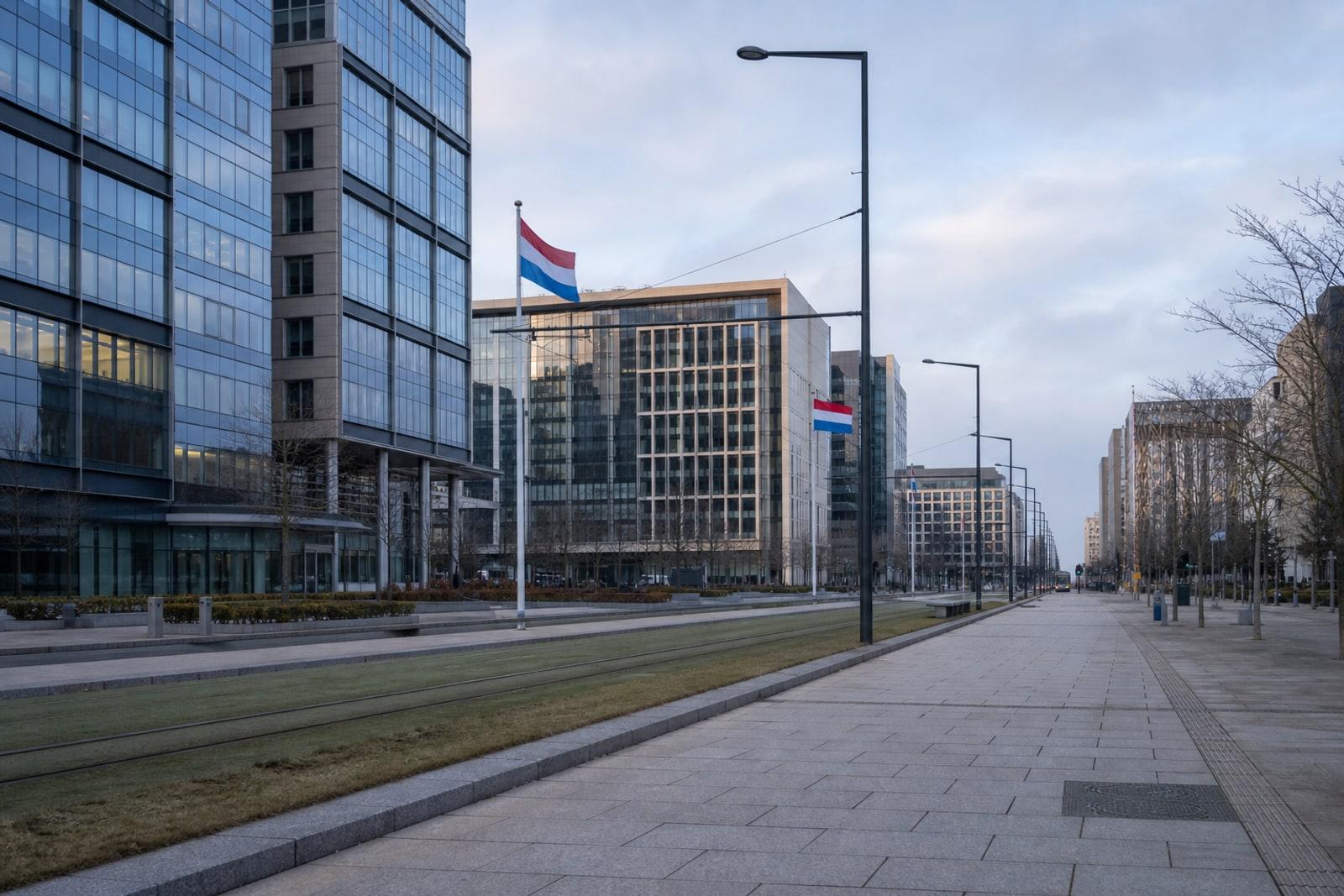
Canada's defence minister, David McGuinty, travelled to Luxembourg on 19 June 2026 in what both governments described as the first visit by a member of the Canadian federal government to the Grand Duchy in 81 years of diplomatic relations — a modest-sounding milestone that captured a larger shift, as Ottawa stitches itself into Europe's fast-rearming security architecture and small allies angle for a bigger role in transatlantic defence.
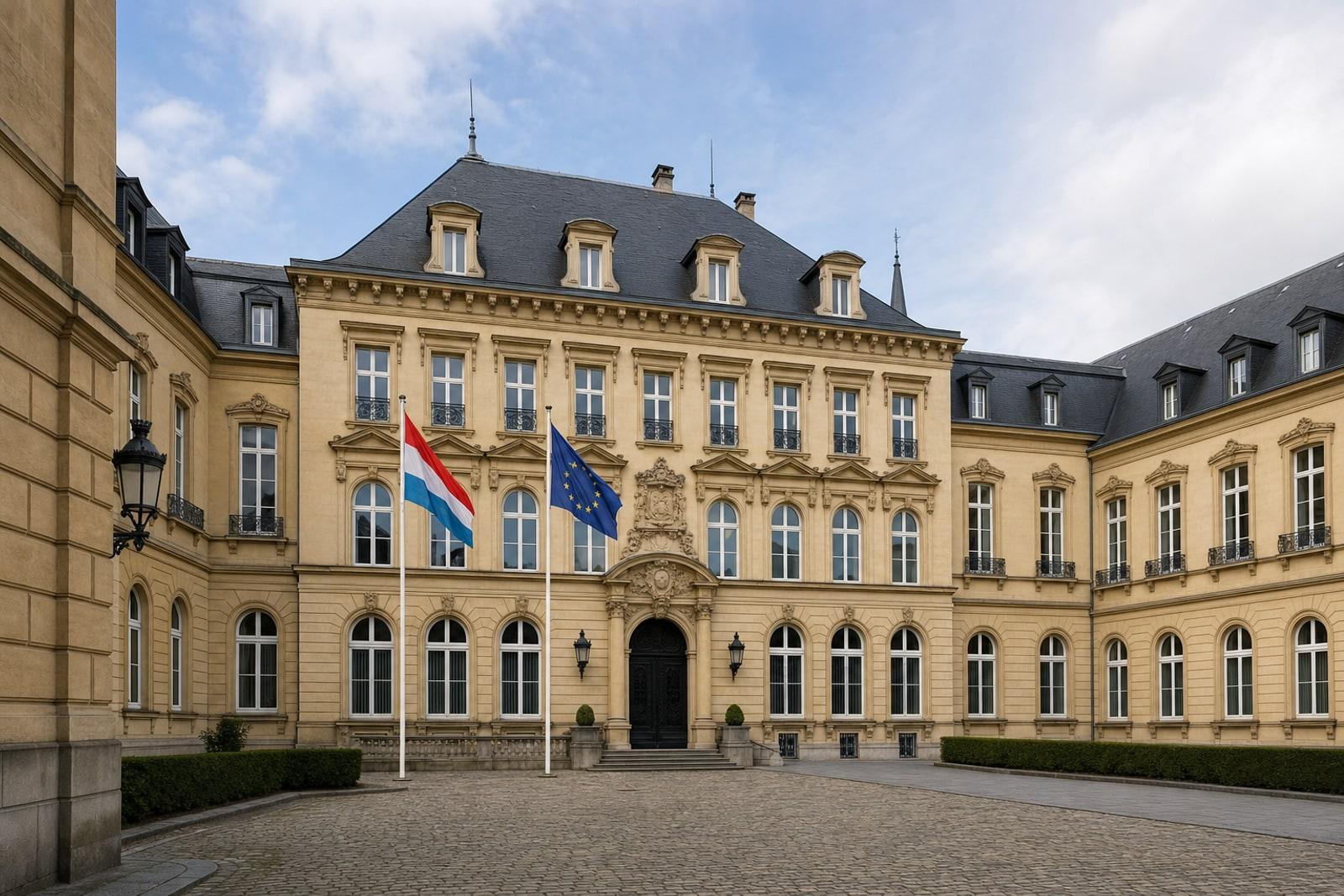
McGuinty, who serves as Canada's Minister of National Defence under Prime Minister Mark Carney, stopped in Luxembourg City after the NATO Defence Ministers' Meeting and the 35th Ukraine Defense Contact Group in Brussels. He held a bilateral meeting with his Luxembourg counterpart, Yuriko Backes, at Bourglinster Castle, met Claude Wiseler, President of the Chamber of Deputies, and members of its Foreign Affairs Committee, and appeared with Backes at a joint press conference at the Hôtel Saint Augustin.
A first in 81 years
Diplomatic ties between the two countries reach back to the Second World War, yet no Canadian federal minister had set foot in Luxembourg in an official capacity until now. The visit followed the 2025 inauguration of a Luxembourg embassy in Ottawa, a step both ministers framed as the foundation for closer cooperation. Backes called the encounter a "historic moment" and thanked McGuinty for being "such a fantastic ally, friend, and for being with us here today."
McGuinty, for his part, cast the trip as a deliberate widening of Canada's alliances at a turbulent moment, telling reporters Ottawa was seeking out "like-minded, small, mid-sized, medium-sized countries" to work with.
It is a great honour to be here for Canada.
Behind the diplomatic warmth lay a strategic calculation. Backes praised Canada as a "reliable NATO ally, even more so in these geopolitical, very unstable times," and both ministers stressed continued military support for Ukraine. "Both of our countries supported and are continuing to support [Ukraine]," Backes said, calling it "extremely important to continue to support … its defence against the unacceptable war that Russia is continuing."
Anchoring Canada in Europe's defence market
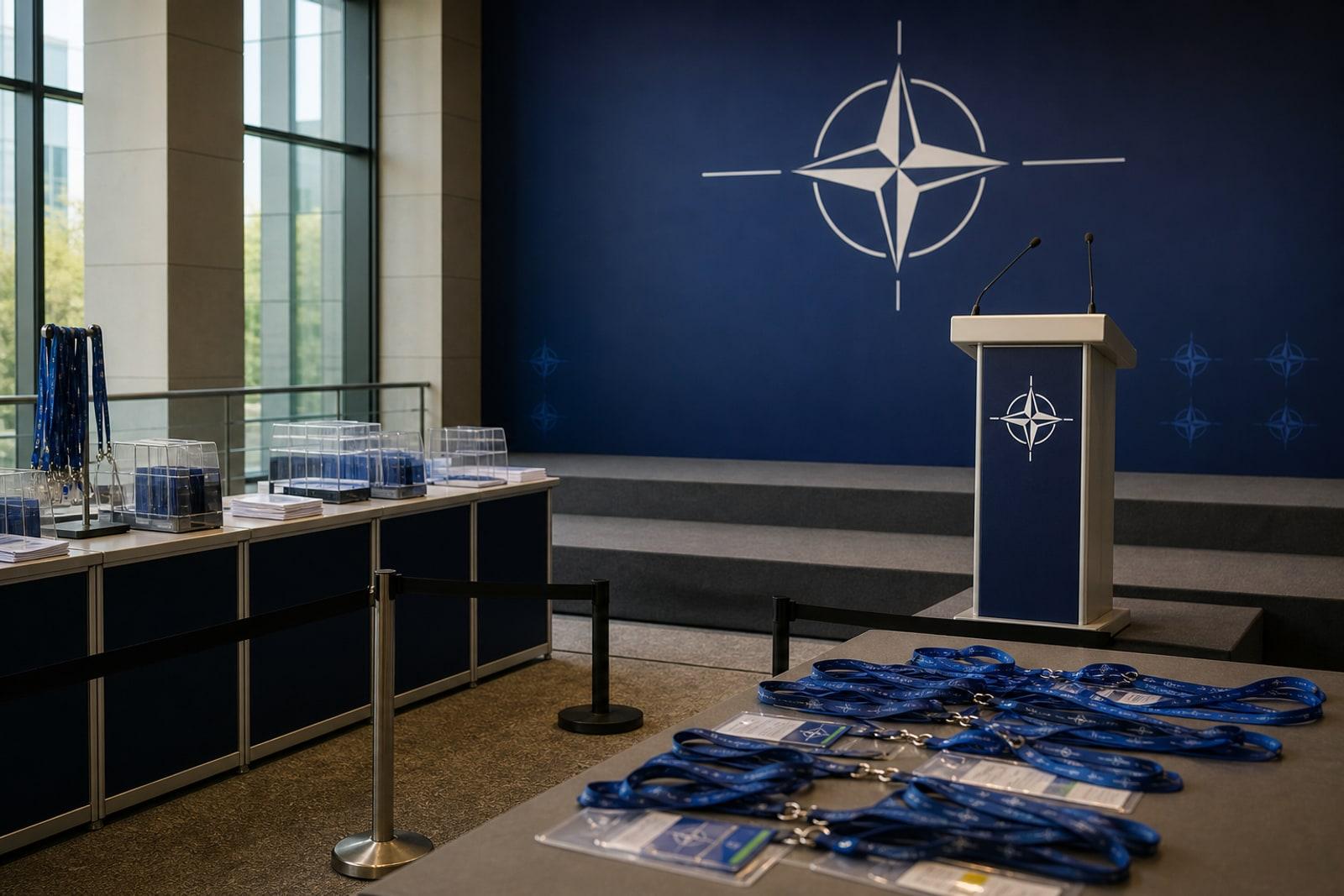
The visit's substance centred on drawing Canada deeper into European defence projects. The two sides discussed expanding cooperation in emerging domains and advancing the proposed Defence, Security and Resilience Bank, a NATO-aligned initiative Luxembourg has helped champion. McGuinty also highlighted Canada's entry into the European Union's Security Action for Europe (SAFE) instrument — the €150 billion borrowing-and-procurement scheme created in 2025 to finance joint defence purchases.
Canada is the first, and so far only, non-European country admitted to SAFE. The EU Council concluded the participation agreement on 15 June 2026, days before McGuinty's trip, after the deal was signed in February and won European Parliament consent in May; it builds on the Security and Defence Partnership that Canada and the EU sealed at their summit on 23 June 2025. The arrangement lets Canadian firms join EU-financed procurement, with negotiators securing an exemption allowing up to 80% Canadian content on joint buys, well above the standard cap for non-EU suppliers.
Among the threads the two ministers said they wanted to pursue:
- deeper links between the Canadian Armed Forces and the Luxembourg Armed Forces;
- cooperation in space and cyber, where small states can punch above their weight;
- joint work on the Defence, Security and Resilience Bank;
- continued coordination of military aid to Ukraine.
Luxembourg's small-state spending push
For Luxembourg, the visit dovetailed with its own scramble to meet NATO's new spending bar. At the alliance's Hague summit in June 2025, members agreed to invest 5% of GDP — or gross national income, in Luxembourg's case — in defence and security by 2035, split between 3.5% for core military spending and 1.5% for broader resilience.
On 20 May 2026, Backes presented a roadmap raising defence outlays by 0.1 percentage point a year, reaching 2.1% of GNI in 2027, 2.2% in 2028 and 2.3% in 2029 — roughly €1.4 billion climbing to €1.7 billion. She described the increase as "a measured response to the challenges arising from the current geopolitical context." NATO expects allies to present credible pathways toward the 2035 goal at its Ankara summit in July 2026.
Burden-sharing under strain
The bilateral courtship unfolds against a tense transatlantic backdrop. With Washington pressing European allies to shoulder more of NATO's costs and questions lingering over the durability of US commitments, Europe and Canada have moved to deepen their own ties — from the EU-Canada security partnership to Ottawa's SAFE membership. McGuinty signalled the direction of travel plainly, saying Canada would keep "a very strong relationship with our southern neighbour" but would "expand, particularly when it comes to defence."
For a country of fewer than 700,000 people with one of NATO's smallest militaries, hosting a Canadian defence minister for the first time was both symbolic and strategic: proof that, in an alliance recalibrating who pays and who leads, even its smallest members intend to be part of the conversation.
Frequently asked
- Who is David McGuinty?
- David J. McGuinty is Canada's Minister of National Defence in Prime Minister Mark Carney's government. He visited Luxembourg on 19 June 2026.
- Why is the visit described as historic?
- Both governments say it is the first visit by a member of the Canadian federal government to Luxembourg in 81 years of diplomatic relations, following the 2025 opening of a Luxembourg embassy in Ottawa.
- What is the SAFE programme?
- Security Action for Europe (SAFE) is a €150 billion EU instrument created in 2025 to finance joint defence procurement. Canada is the first non-European country admitted, with the EU Council concluding the agreement on 15 June 2026.
Sources(10)
- 1Canadian Defence Minister Expresses 'Deep Gratitude' For Relationship With LuxembourgChronicle.lu · chronicle.lu
- 2Minister McGuinty Advances NATO Priorities and Defence Cooperation During European VisitDepartment of National Defence (Canada.ca) · canada.ca
- 3Minister McGuinty Advances NATO Priorities and Defence Cooperation During European Visit (mirror)GlobalSecurity.org · globalsecurity.org
- 4Minister McGuinty Heads to LuxembourgMirage News · miragenews.com
- 5Minister McGuinty to travel to LuxembourgDepartment of National Defence (Canada.ca) · canada.ca
- 6SAFE: Council concludes agreement with CanadaCouncil of the EU (Consilium) · consilium.europa.eu
- 7SAFE: Council clears path for financial assistance to eight member states and concluding the Canada agreementCouncil of the EU (Consilium) · consilium.europa.eu
- 8EU formally concludes SAFE agreement with Canada to support participation in joint defence procurement programmesDefence Industry Europe · defence-industry.eu
- 9Yuriko Backes presents Luxembourg's defence spending roadmap to 2029The Luxembourg Government (gouvernement.lu) · gouvernement.lu
- 10Luxembourg Sets Defence Spending Trajectory Through 2029Chronicle.lu · chronicle.lu
Related by topic