Culture
A guide to Luxembourg's museum mile
From Mudam's glass galleries on the Kirchberg to the history museums of the old town, here is how to read the country through its collections.
By Léa Hoffmann · · · 1 min read
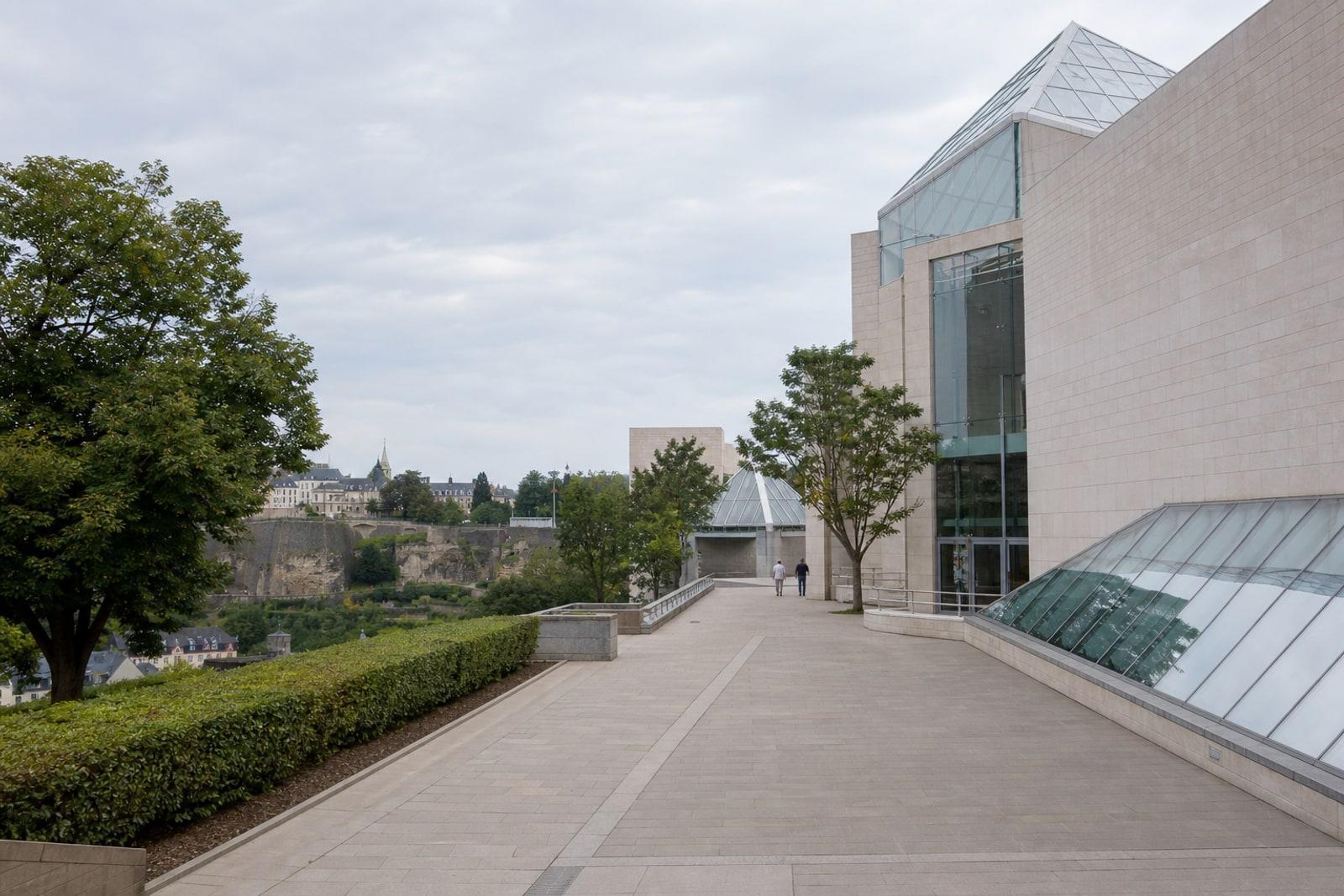
For a capital of barely 130,000 residents, Luxembourg City holds an unusual concentration of museums — most of them within a short walk of one another, split between the modern Kirchberg plateau and the old town below.
Contemporary art on the Kirchberg
The Musée d'Art Moderne Grand-Duc Jean — Mudam — is the anchor. Designed by I. M. Pei, the architect of the Louvre pyramid, its glass-and-stone galleries rise from the ramparts of Fort Thüngen and show some of the most ambitious contemporary art in the Greater Region. Next door, the fort's tunnels house the Dräi Eechelen museum of the city's fortress history.
History in the old town
Cross the valley and the registers change. The National Museum of Archaeology, History and Art and the Lëtzebuerg City Museum trace the country from Roman roads to steel boom, while the Villa Vauban shows the city's fine-art collection in a 19th-century townhouse. Casino Luxembourg, a former gentlemen's club, keeps the contemporary thread running through the centre.
The practical advice is simple: the museums cluster, distances are short, and several open late or waive admission on set evenings. A single afternoon is enough to trace Luxembourg from its fortress past to its restless present.
Related by topic