Greater Region economy
Germany moves to make workers pay more and retire later as pension squeeze deepens
A government-appointed commission has handed Chancellor Friedrich Merz a 33-point plan to lift the retirement age toward 70 and steer new contributions into a stock-market fund.
By Jonas Thill · · 4 min read
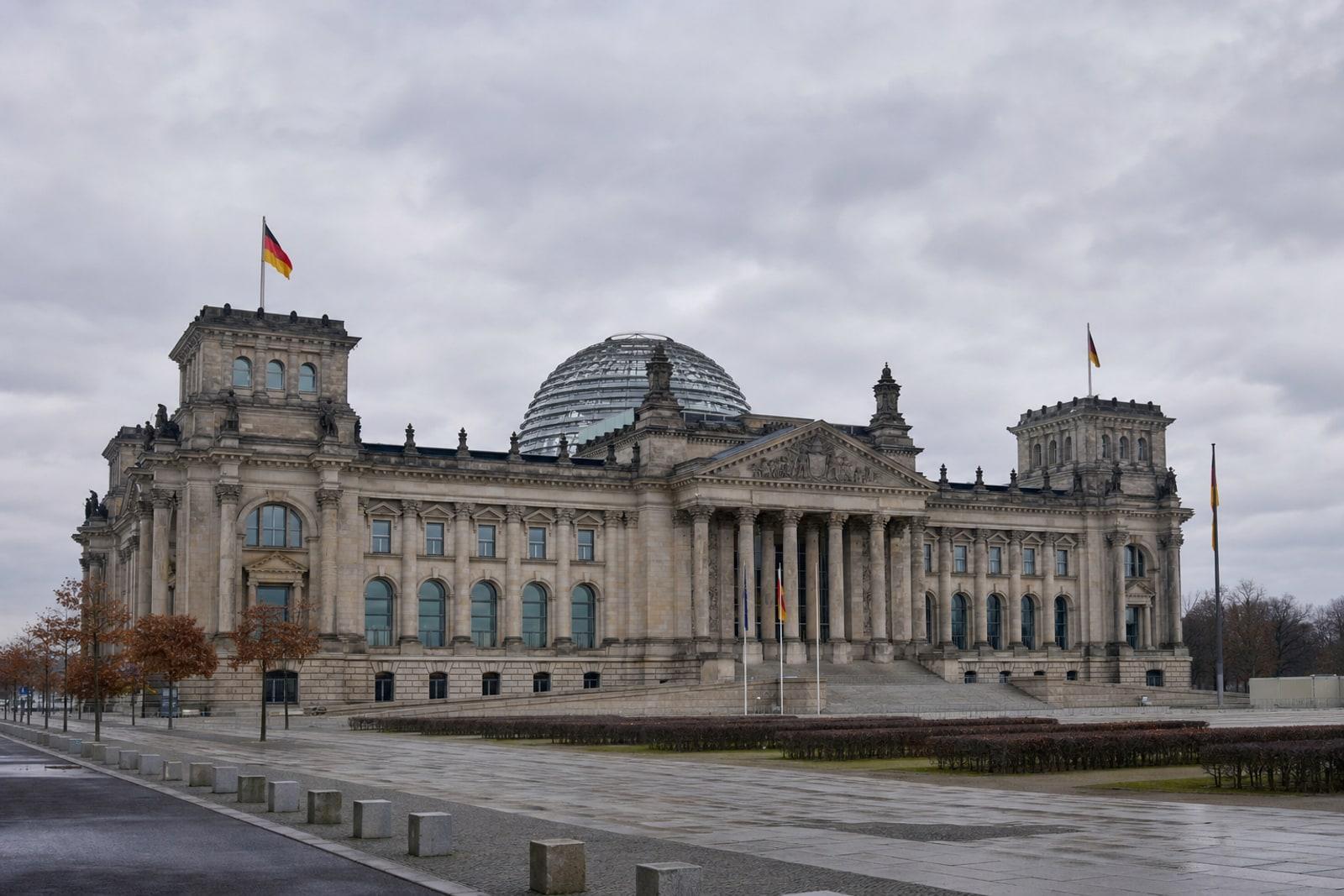
BERLIN — Germany is preparing to ask its workers to pay more into the state pension system and to keep working longer, after a government-appointed commission handed Chancellor Friedrich Merz a sweeping blueprint to shore up the finances of Europe's largest retirement scheme.
The 33-point report, presented in Berlin on Tuesday, recommends tying the statutory retirement age to life expectancy and lifting it gradually from 67 toward 70 over the coming decades, phasing out a popular early-retirement option, broadening who must contribute, and adding a new capital-funded pillar modelled on Sweden's state investment fund. Merz, who leads a fractious coalition of his conservative CDU/CSU bloc and the Social Democrats, urged ministers to enact the package in full.
"All elements of this reform package must now be implemented swiftly," Merz said.
What the commission wants to change
The commission, co-chaired by former federal labour-agency head Frank-Jürgen Weise and the law professor Constanze Janda, set out a menu of measures intended to stabilise a system in which a shrinking workforce supports a growing number of pensioners. Its central recommendations include:
- A higher, life-expectancy-linked retirement age. Under current law the standard age rises to 67 by 2031; the panel would then index it to longevity, adding about six months each decade and reaching roughly 70 by the early 2090s.
- An end to "pension at 63". The deduction-free early exit available after 45 contribution years would be phased out, with the minimum age rising first from 63 to 64.
- A Sweden-style investment pillar. A new contribution, starting at 1% of gross wages split equally between employer and employee and rising to 2% over time, would flow into a centrally managed fund modelled on Sweden's AP7.
- A wider contributor base. Self-employed people, members of the federal and state parliaments and executives of listed companies would be drawn into the statutory system, and the exemption for low-paid "mini-job" earners would end.
- Tighter part-time retirement. The age for partial retirement would rise from 55 to 58.
Janda stressed the changes would affect the retirement age only "moderately," while Weise said the combined state, occupational and private system should ultimately deliver retirees "70% of their last net salary in the long term." The labour ministry, run by the Social Democrat Bärbel Bas, is expected to translate the proposals into draft legislation, with parliamentary votes likely later in 2026.
The politics — and the money
The report lands on top of a contentious pension package the Bundestag passed on 5 December 2025, which guarantees the headline pension level at 48% of average wages until 2031 and expands the "Mütterrente" for older mothers. That law also confirmed a rise in the contribution rate from 18.6% to 18.8% of gross pay from 2027 — the first step on a path economists expect to climb further as the baby-boom generation retires.
The arithmetic driving the overhaul is stark. Merz has warned that "fewer and fewer contributors have to finance pensions for more and more retirees," and told the commission that Germany's welfare commitments can no longer be financed with what the economy can afford. Even so, the December package strained his coalition: it cleared the Bundestag by 318 votes to 224 only after concessions to rebels in the CDU/CSU youth wing, who objected to tens of billions of euros in added long-term costs. Turning the new, far more ambitious blueprint into law promises a harder fight still.
A European squeeze — and a Luxembourg echo
Germany is far from alone. The EU's old-age dependency ratio — the number of people aged 65 and over relative to those of working age — rose to 34.5% at the start of 2025 and is projected by Eurostat to climb toward 60% by 2100. France, meanwhile, spent 2026 unwinding parts of its own contested move to raise the retirement age to 64, underscoring how politically combustible the issue has become across the bloc.
For the Greater Region the stakes are immediate. Germany is Luxembourg's largest neighbour and trading partner, and residents of Saarland and Rhineland-Palatinate are insured in the very German system the reform would reshape. Some 52,000 Germans also commute into Luxembourg each working day — part of a cross-border workforce that fills nearly half the Grand Duchy's jobs — building pension entitlements on both sides of the border under EU coordination rules.
The debate also mirrors Luxembourg's own. The Grand Duchy enjoys the EU's lowest old-age dependency ratio, around 22%, yet its statutory scheme is forecast to spend more than it collects from 2026, with reserves projected to run dry around 2045. In December 2025 Luc Frieden's government pushed through a reform that lifted the pension contribution rate from 24% to 25.5% from January, tightened early retirement and kept the legal retirement age at 65 — a gentler package than Berlin's, but one driven by the same demographic maths now confronting much of the continent.
Frequently asked
- What is the German pension commission proposing?
- A 33-point plan to tie the retirement age to life expectancy (rising from 67 toward 70 by the early 2090s), phase out the 'pension at 63' early-retirement option, add a Sweden-style investment pillar funded by new contributions of 1% of pay rising to 2%, and broaden who must contribute to include the self-employed, politicians and company executives.
- When would the changes take effect?
- The proposals are recommendations, not yet law. The labour ministry will draft legislation and parliament is expected to vote later in 2026. The retirement-age rise would be phased in gradually after the standard age reaches 67 in 2031, and the contribution rate is separately set to rise from 18.6% to 18.8% in 2027.
- How does this affect Luxembourg and cross-border workers?
- Germany is Luxembourg's largest neighbour, and people insured in Germany — including residents of Saarland and Rhineland-Palatinate — are directly affected. About 52,000 Germans commute into Luxembourg and accrue entitlements on both sides of the border. The reform also parallels Luxembourg's own debate, after the Grand Duchy raised its pension contribution rate to 25.5% in January 2026.
Sources(14)
- 1What Germany's planned pension reform means for youThe Local Germany · thelocal.de
- 2Germany's leader pledges to reform a creaking pension system and says 'failure is not an option'Associated Press via ABC News · abcnews.com
- 3German Commission Proposes Retirement Age Hike, New Pension FundReuters via Global Banking & Finance Review · globalbankingandfinance.com
- 4Germany Bets on Sweden's Pension Model to Save Its OwnEuropean Business Magazine · europeanbusinessmagazine.com
- 5Merz vows to fully implement pension report proposing sweeping changedpa via A News · anews.com.tr
- 6How is Germany planning to reform its ailing pension system?IamExpat Germany · iamexpat.de
- 7Germany: Will pensions standoff bring Merz's government into question?Euronews · euronews.com
- 8Merz cabinetWikipedia · en.wikipedia.org
- 9Old-age dependency growing across EU regionsEurostat · ec.europa.eu
- 10Population structure and ageingEurostat · ec.europa.eu
- 11Luxembourg pension reforms to provide flexibilityInvestment & Pensions Europe (IPE) · ipe.com
- 12Pensions, health: new balances to be foundDelano · delano.lu
- 13Cross-border workers in Luxembourg: who are they and why are they important?Luxtoday.lu · luxtoday.lu
- 14Retirement age in France should be pushed back to 67 and six months, report urgesThe Connexion · connexionfrance.com
Related by topic