United Kingdom
Starmer to resign as UK prime minister, opening Labour succession race
Keir Starmer said he will step down as Labour leader after his MPs turned against him, days after rival Andy Burnham returned to Parliament in a by-election. A successor is due by September.
By Camille Reuter · · 4 min read
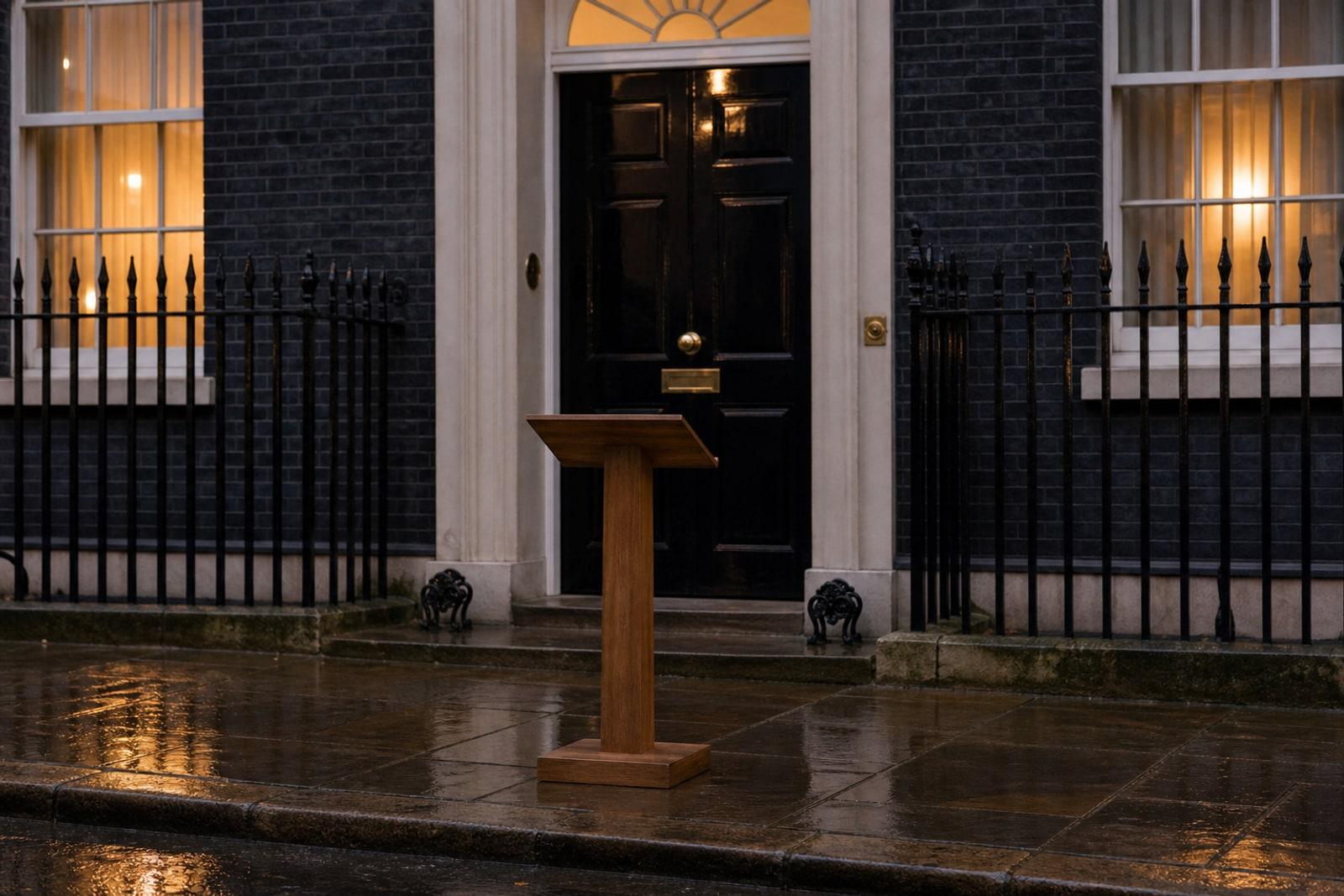
British Prime Minister Keir Starmer announced on Monday that he will resign as leader of the governing Labour Party, bowing to a revolt within his own ranks less than two years after a landslide election victory and setting Britain on course for its seventh prime minister in a decade.
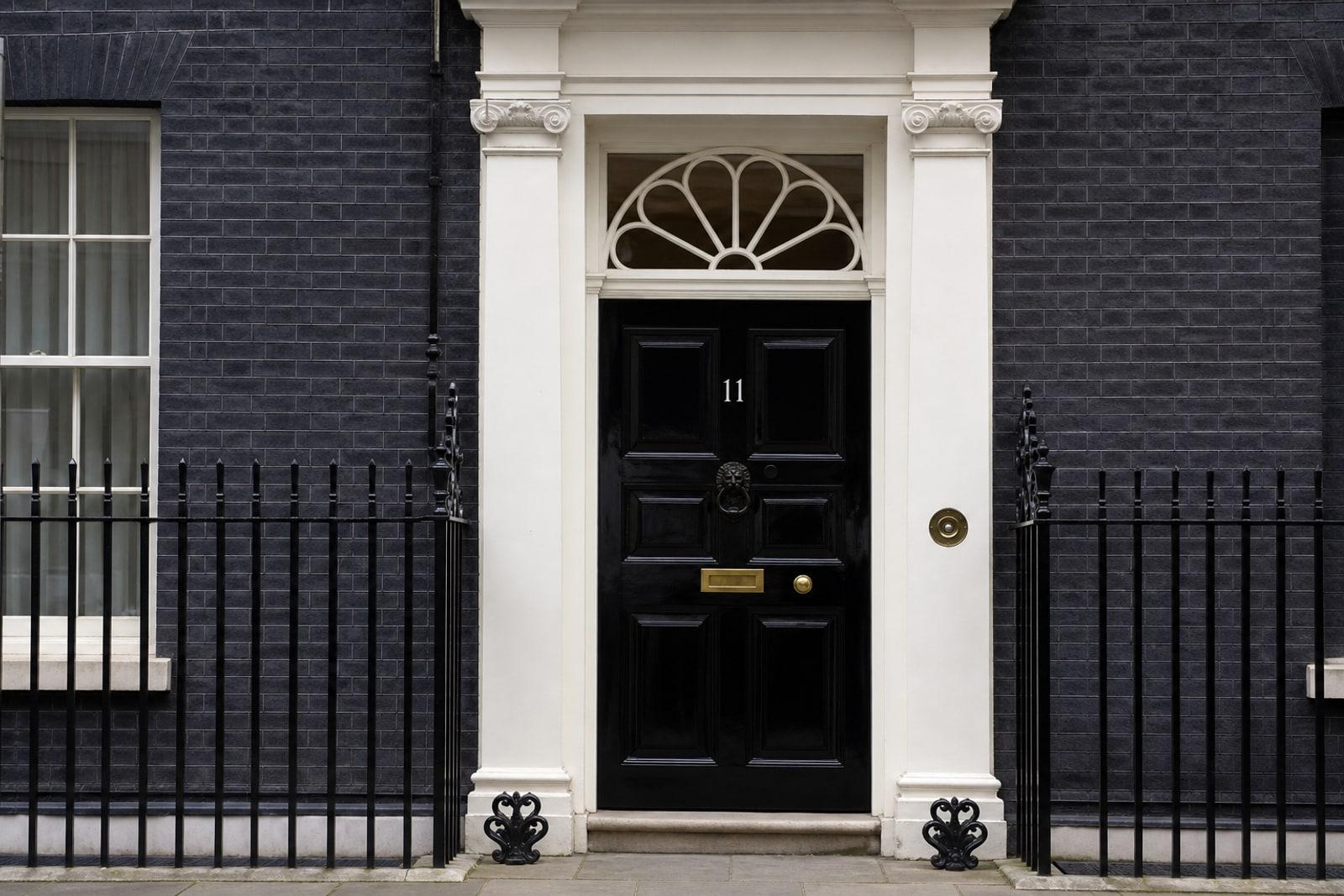
Speaking outside 10 Downing Street, Starmer said he had informed King Charles III of his decision and would remain as caretaker prime minister until Labour chooses a successor, according to NBC News and CBS News. He framed the move as accepting the verdict of his own MPs rather than the country.
The question my party is asking now is whether I am best placed to lead us into the next general election. I have heard the answer of my parliamentary party to that question, and I accept that answer with good grace.
Calling his entry to Downing Street the proudest moment of his life, an emotional Starmer said he would now focus on personal priorities, including "being the best husband I can, to my fantastic wife Vic, who has been a rock by my side through good times and bad," as quoted by CBS News.
The trigger: a rival's return to Parliament
Starmer's departure crystallised after Andy Burnham, the former mayor of Greater Manchester, won the Makerfield by-election in north-west England on Thursday 18 June with 54.8% of the vote — roughly 24,937 ballots — pushing Reform UK into second place, according to Wikipedia's constituency record, ITV News and NPR. The seat had been vacated by the resignation of Labour MP Josh Simons.
The result handed Burnham, mayor since 2017 and previously MP for Leigh from 2001 to 2017, a return to Westminster after eight years and a platform to challenge Starmer directly. On Monday he confirmed he would stand for the leadership, saying the contest should be "conducted in an orderly and responsible way," per CBS News and NBC News.
How a landslide majority unravelled
Labour swept to power in July 2024 with a commanding 172-seat majority. Yet the government's standing eroded sharply, and by mid-2026 the party's internal crisis had become terminal for Starmer. According to the public record compiled on the 2026 Labour leadership crisis, the pressures included:
- Heavy local-election losses across 2025 and 2026, with Labour reported to have lost control of around 35 councils and roughly 1,500 councillors.
- The Peter Mandelson security-vetting scandal, revealed in April 2026.
- A public call to resign from Scottish Labour leader Anas Sarwar on 9 February 2026.
- A cascade of ministerial exits, including Health Secretary Wes Streeting on 14 May and, on 11 June, a defence-spending revolt that claimed Defence Secretary John Healey, Armed Forces Minister Al Carns and parliamentary aide Pamela Nash.
Crucially, the upheaval changes Labour's leader, not the government itself. The party's Commons majority remains intact, no general election is required, and the next prime minister must — as convention dictates — be a sitting member of the House of Commons, which is why Burnham first needed a seat.
The succession timeline
Starmer said nominations to replace him would open on 9 July and close when Parliament rises for its summer recess on 16 July, NBC News reported. Should there be a contest, the process is designed to install a new leader, and prime minister, before Parliament returns in September.
Burnham is the early front-runner, but reporting on the crisis lists several potential candidates from across the cabinet and party, among them Wes Streeting, Shabana Mahmood, David Lammy, Angela Rayner and Ed Miliband. Until a winner is declared, Starmer continues to govern in a caretaker capacity.
Why it matters for the EU and Ukraine
The fall of a sitting British prime minister reshuffles the leadership of a major European partner at a delicate moment. Whatever his domestic troubles, Starmer was widely credited internationally for helping rally European support for Ukraine against Russia's invasion and for pursuing a post-Brexit "reset" of UK-EU relations, as noted by NPR and commentary in The Spectator.
His exit raises questions about continuity in that role. Analysts have pointed to European unease over Britain's defence trajectory — including a planned path toward 2.68% of GDP by 2030 and a still-unpublished Defence Investment Plan — and over how reliable a security partner the UK will remain. US President Donald Trump, meanwhile, has publicly criticised Starmer over immigration and energy policy, according to CBS News.
For Luxembourg and other EU capitals tracking the "coalition of the willing" on Ukraine and the slow warming of UK-EU ties, the immediate uncertainty is who will hold the brief next — and whether London's recent engagement with Brussels survives the change at the top. The answer should come into focus by September, when Britain expects to have its new prime minister in place.
Frequently asked
- Is Keir Starmer still prime minister?
- Yes, for now. Starmer said he will remain as caretaker prime minister until the Labour Party selects a new leader, who is expected to be in place by September 2026.
- Will there be a UK general election?
- No. The change affects Labour's leadership, not the government. The party retains its 172-seat Commons majority won in 2024, so the new leader becomes prime minister without a national election.
- Who is likely to succeed Starmer?
- Andy Burnham, who returned to Parliament via the 18 June Makerfield by-election, is the early front-runner. Other potential candidates reported include Wes Streeting, Shabana Mahmood, David Lammy, Angela Rayner and Ed Miliband.
- Why does this matter outside the UK?
- Britain is a major European partner. Starmer was credited with rallying European backing for Ukraine and pursuing a UK-EU reset, so a leadership change raises questions about continuity that EU capitals, including Luxembourg, are watching.
Sources(11)
- 1Keir Starmer says he will resign as prime minister; Andy Burnham expected to be next U.K. leaderNBC News · nbcnews.com
- 2British Prime Minister Keir Starmer announces resignationCBS News · cbsnews.com
- 3U.K. Prime Minister Starmer resigns as Labour government seeks rebootThe Washington Post · washingtonpost.com
- 4UK PM Starmer resigns as Britain faces its seventh leader in 10 yearsCNBC · cnbc.com
- 5U.K. Prime Minister Keir Starmer Resigns, Promises to Oversee Orderly Transfer of PowerTIME · time.com
- 6Keir Starmer announces resignation as UK prime ministerNPR · npr.org
- 7Labour's Andy Burnham wins a special election, setting up a showdown with Starmer to lead BritainNPR · npr.org
- 82026 Labour Party leadership crisisWikipedia · en.wikipedia.org
- 92026 Makerfield by-electionWikipedia · en.wikipedia.org
- 10Inside Makerfield: How Andy Burnham defied the polls in historic by-electionITV News · itv.com
- 11Starmer has left Europe in quiet despairThe Spectator · spectator.com
Related by topic